
Sole-Provider Status in Ohio License Suspension Cases
You are the only licensed driver in your household. Your spouse cannot drive due to a medical condition, or you are a single parent with school-age children, or you care for an elderly parent who depends on you for medical appointments. Your Ohio license was just suspended for OVI, points accumulation, or insurance lapse, and you need to know whether being the sole provider creates a different hardship pathway than the standard Limited Driving Privileges petition process.
Ohio does not maintain a separate sole-provider hardship track. Courts granting Limited Driving Privileges evaluate household transportation dependency as supporting evidence within the standard petition framework. Your sole-provider status strengthens your necessity argument but does not bypass the court petition process, the hard suspension period for OVI cases, or the SR-22 filing requirement for insurance-related and OVI suspensions.
Compare car insurance rates in your state
Get quotes from licensed carriers — no obligation, no spam, results in minutes.
Get Your Free QuoteOhio LDP Permitted Purposes
Court-defined
Ohio courts have broad discretion to define permitted driving purposes on a case-by-case basis. While employment and medical appointments are standard, courts may add childcare, elder care, or family medical transport when petition evidence demonstrates household dependency. The granting court specifies permitted purposes and hours in the order.
Ohio Revised Code 4510.021
What Courts Actually Evaluate in Sole-Provider Petitions
Ohio courts grant Limited Driving Privileges by evaluating necessity, not demographics. Sole-provider status matters only when supported by specific evidence: medical documentation showing why other household members cannot drive, school enrollment records proving dependent transport needs, or employer verification that your job supports the household. Courts reject petitions containing vague claims of family hardship without corroborating documentation.
The evaluation framework does not change by suspension type, but eligibility timing does. OVI first offenders face a 15-day hard suspension before LDP petition eligibility opens. Second OVI offenses within 10 years trigger a 45-day hard suspension. Test refusal carries a 30-day hard suspension on first offense, 180 days on second refusal. Sole-provider status does not shorten these mandatory waiting periods. The court cannot grant driving privileges until the hard suspension expires.
Non-OVI suspensions—points accumulation, insurance lapse, failure to pay reinstatement fees—typically allow immediate petition filing. Sole-provider evidence strengthens these petitions by demonstrating that suspension creates transportation hardship the household cannot solve through rideshare, public transit, or assistance from unlicensed household members. Courts want proof that your driving is the structural necessity, not convenience.
Ohio courts deny LDP petitions when household dependency claims lack verifiable documentation—verbal testimony without medical records, employer letters, or school enrollment proof typically fails.
Documentation Courts Require for Household Dependency Claims

For medical dependency claims, submit physician statements on letterhead confirming the household member's condition prevents them from driving and specifying the frequency of required medical appointments. Generic letters stating someone "needs help" are insufficient. Courts want diagnosis, functional limitation, and appointment schedules. If you transport a spouse to dialysis three times weekly, the nephrologist's letter should state the treatment schedule and confirm the patient cannot drive themselves post-treatment due to sedation or fatigue.
For child or elder dependency, submit school enrollment records showing school location and bus service gaps, or eldercare provider schedules proving appointment frequency. If your child's school does not offer bus service and no other household adult drives, the school district's written confirmation of no-bus-service status strengthens your petition. If you transport an elderly parent to physical therapy twice weekly, submit the therapy provider's schedule and a letter from the parent's primary care physician confirming they cannot drive due to vision impairment or cognitive decline.
Related Articles




Court Petition Process and Jurisdiction Rules
Limited Driving Privileges petitions go to the court with jurisdiction over your suspension type. OVI-related LDP petitions go to the sentencing court that imposed the suspension. For BMV administrative suspensions—points accumulation, insurance lapse, reinstatement fee non-payment—petition the court of common pleas in your county of residence. Filing in the wrong court results in dismissal without consideration of your evidence.
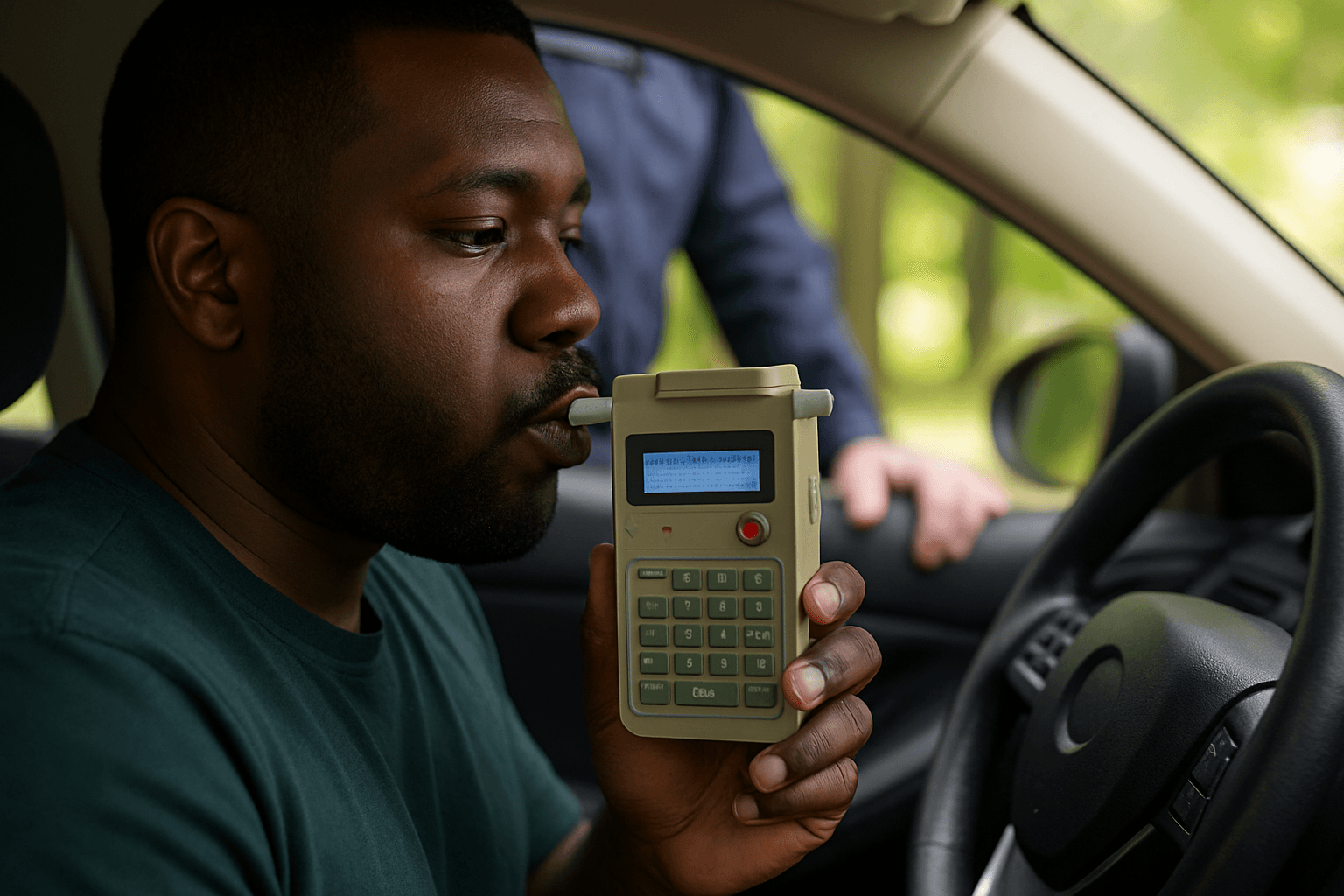
Petition filing requires a completed court form, copies of your driving record from the Ohio BMV, proof of SR-22 insurance if your suspension is OVI-related or insurance-related, and all supporting documentation proving household dependency. Courts charge filing fees that vary by county, typically $50 to $150. If ignition interlock is required for your suspension type, you must install the device and provide vendor confirmation before the court grants privileges. OVI suspensions involving breath test failure or refusal trigger mandatory ignition interlock under Ohio Revised Code 4510.022.
Court hearings are not automatic. Some courts rule on petitions based on submitted documentation. Others schedule hearings where you present evidence and answer judge questions about your household situation, employment, and necessity claims. Appearing without organized documentation or contradicting your written petition during oral testimony typically results in denial. Courts deny petitions when they conclude rideshare, family assistance, or public transit can meet the claimed necessity, or when employment claims are not verified by employer letters on company letterhead.
Ohio SR-22 Filing Duration OVI
3 years
OVI offenders granted Limited Driving Privileges must maintain SR-22 insurance for 3 years from the conviction date. Letting SR-22 lapse during this period triggers immediate BMV suspension and revokes court-granted driving privileges. The 3-year clock does not pause during suspension—it runs from conviction whether you drive or not.
Ohio Bureau of Motor Vehicles reinstatement requirements
Insurance Filing Requirements for Sole-Provider LDP Holders
Ohio requires SR-22 filing for OVI suspensions and insurance-related suspensions before Limited Driving Privileges take effect. Sole-provider status does not waive this requirement. If you do not own a vehicle—your spouse's vehicle is titled in their name, or you rely on a household vehicle you do not own—you need non-owner SR-22 coverage. Non-owner policies provide liability coverage when you drive vehicles you do not own and satisfy the Ohio SR-22 filing mandate.
Carriers writing non-owner SR-22 in Ohio include Progressive, Geico, Dairyland, The General, and GAINSCO. Monthly premiums for non-owner SR-22 after OVI suspension typically run $85 to $140 depending on your county, age, and violation history. Estimates based on available industry data; individual rates vary by driving history, coverage selections, and location. If you own a vehicle, standard SR-22 auto policies from the same carriers typically cost $180 to $280 per month for OVI offenders during the filing period. Sole-provider documentation does not reduce premiums—rates reflect violation type and filing requirement, not household status.
Next Steps for Sole-Provider Drivers Facing Suspension
Start by identifying the court with jurisdiction over your petition. OVI cases go to the sentencing court. BMV administrative suspensions go to your county court of common pleas. Call the court clerk to confirm filing fee amount and whether your suspension type requires a hearing or accepts petition-only review. Request the court's LDP petition form—many Ohio courts post forms on their websites, but calling confirms you have the current version.
Gather household dependency documentation before filing. Physician letters confirming medical conditions that prevent household members from driving, employer verification on company letterhead stating your work hours and job location, school district confirmation of no-bus-service for dependent children, or therapy provider schedules for elder or child care responsibilities. Courts deny petitions when necessity claims lack third-party verification. If ignition interlock is required for your suspension type, contact an Ohio Department of Public Safety-approved IID vendor to schedule installation and obtain vendor confirmation for your petition packet. If SR-22 is required, secure a policy and file before submitting your petition—courts deny LDP requests when proof of financial responsibility is missing. Compare carriers writing SR-22 or non-owner SR-22 in Ohio to find coverage that fits your sole-provider budget and meets the court's filing mandate.