Hardship License Insurance, State by State
Understand hardship license eligibility, SR-22 filing requirements, and insurance options across all 50 states.
Free to compare
Licensed Agents Only
Quotes from state-licensed insurance professionals
No Obligation
Free to request, no commitment required
Free to Use
No cost to you
TCPA-Compliant
Your contact information is protected
How It Works
Enter your ZIP code and tell us about your suspension type
Get matched with carriers who write policies for suspended license drivers in your state
Choose your coverage and your insurer files any required SR-22 directly with your state DMV
Coverage Options
Understanding your coverage options helps you build a policy that protects what matters — without paying for what you don't need.
 Hardship License InsuranceCoverage that meets your state's proof-of-insurance requirement once a hardship license is granted. Most states require SR-22 filing; Florida and Virginia require FR-44 with higher liability minimums.
 SR-22 InsuranceCourt-ordered proof of insurance filed by your carrier with the DMV, required in 49 states after license suspension. Filing lasts 3 years in most states; violations during the SR-22 period restart the clock.
 Non-Owner SR-22SR-22 insurance for drivers who don't own a vehicle but need proof of coverage to reinstate or maintain a hardship license. Covers liability when you borrow or rent a car.
 FR-44 InsuranceFlorida and Virginia's high-risk filing requirement after DUI suspension, with liability minimums double the standard SR-22 amounts. FR-44 costs more than SR-22 because of the higher required limits.
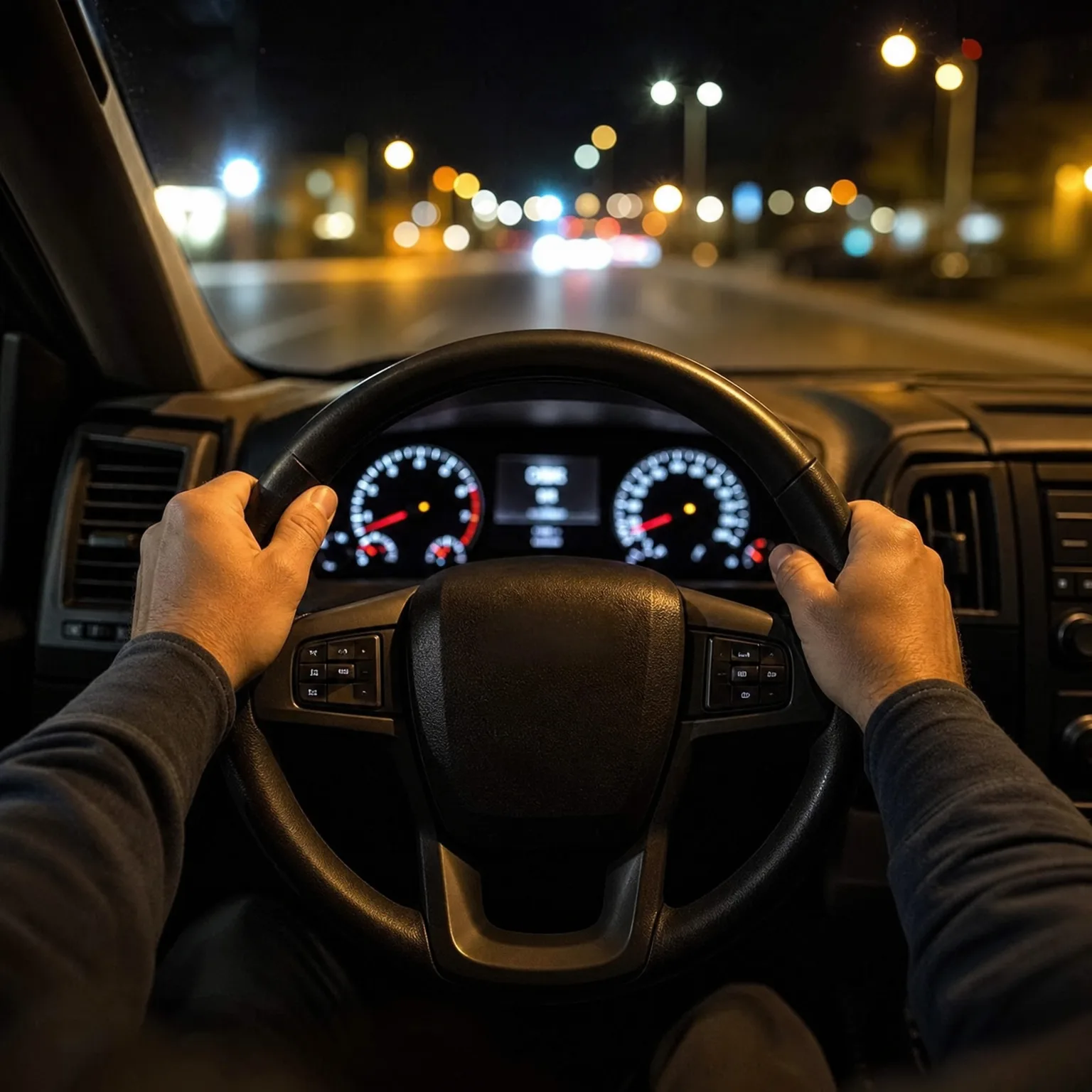 Ignition Interlock InsuranceCoverage that explicitly allows ignition interlock devices, required in 33 states for hardship licenses granted after DUI. Some carriers exclude interlock-equipped vehicles; this policy type confirms coverage.
 Restricted License CoverageLiability insurance that meets state minimums for drivers on occupational, medical-only, or work-permit licenses. Covers you only during approved driving hours and routes specified in your hardship order.
Recent Articles
 5/18/2026Driving to Work on a Suspended License in IndianaIndiana calls it Specialized Driving Privileges. The application, the fee, and the SR-22 that usually goes with it.
 5/18/2026Kentucky Hardship License: Routes, Hours & DocumentsKentucky judges set your exact routes and hours, and interlock is required. What to document before you ask the court.
 5/18/2026Hardship License in MississippiNo Ignition interlock-restricted license in Mississippi without the paperwork. The exact list, so one trip does it.

Get the Coverage Your Hardship License Needs
Get My Hardship License QuoteFrequently Asked Questions
What is a hardship license?
A hardship license allows you to drive for specific purposes—work, school, medical appointments, or court-ordered programs—during a suspension period. Your state may call it an occupational license, limited driving permit, business purpose only license, or restricted license, but the function is the same: limited legal driving while the full suspension runs its course.
Does every state offer hardship licenses?
No. Michigan and Wisconsin do not offer hardship licenses at all. States like New Jersey, Pennsylvania, and Washington exclude certain suspension causes—typically uninsured violations or excessive points—from hardship eligibility. Check your state's rules by suspension type before applying.
Do I need SR-22 insurance for a hardship license?
Yes, in 49 states. SR-22 is the DMV filing that proves you carry liability insurance at or above state minimums. Florida and Virginia require FR-44 instead, with double the liability limits. You can't get a hardship license without filing the required proof of insurance first.
Can I get hardship insurance if I don't own a car?
Yes. Non-owner SR-22 or FR-44 policies provide the required liability coverage and DMV filing without insuring a specific vehicle. These policies cover you when you drive borrowed or rented cars, which is often the case for drivers on hardship licenses.
How long does a hardship license last?
Most hardship licenses run for the full suspension period—typically 6 months to 3 years depending on the violation. You keep the hardship restrictions until your full license is reinstated. Some states require periodic renewal or proof of continued compliance with SR-22 filing and interlock use.
What happens if I drive outside my hardship restrictions?
Driving outside approved hours, routes, or purposes violates your hardship terms and can result in immediate license revocation, extended suspension, and criminal charges in some states. Your insurance remains valid, but the legal consequences of violating a court or DMV order are separate from coverage.