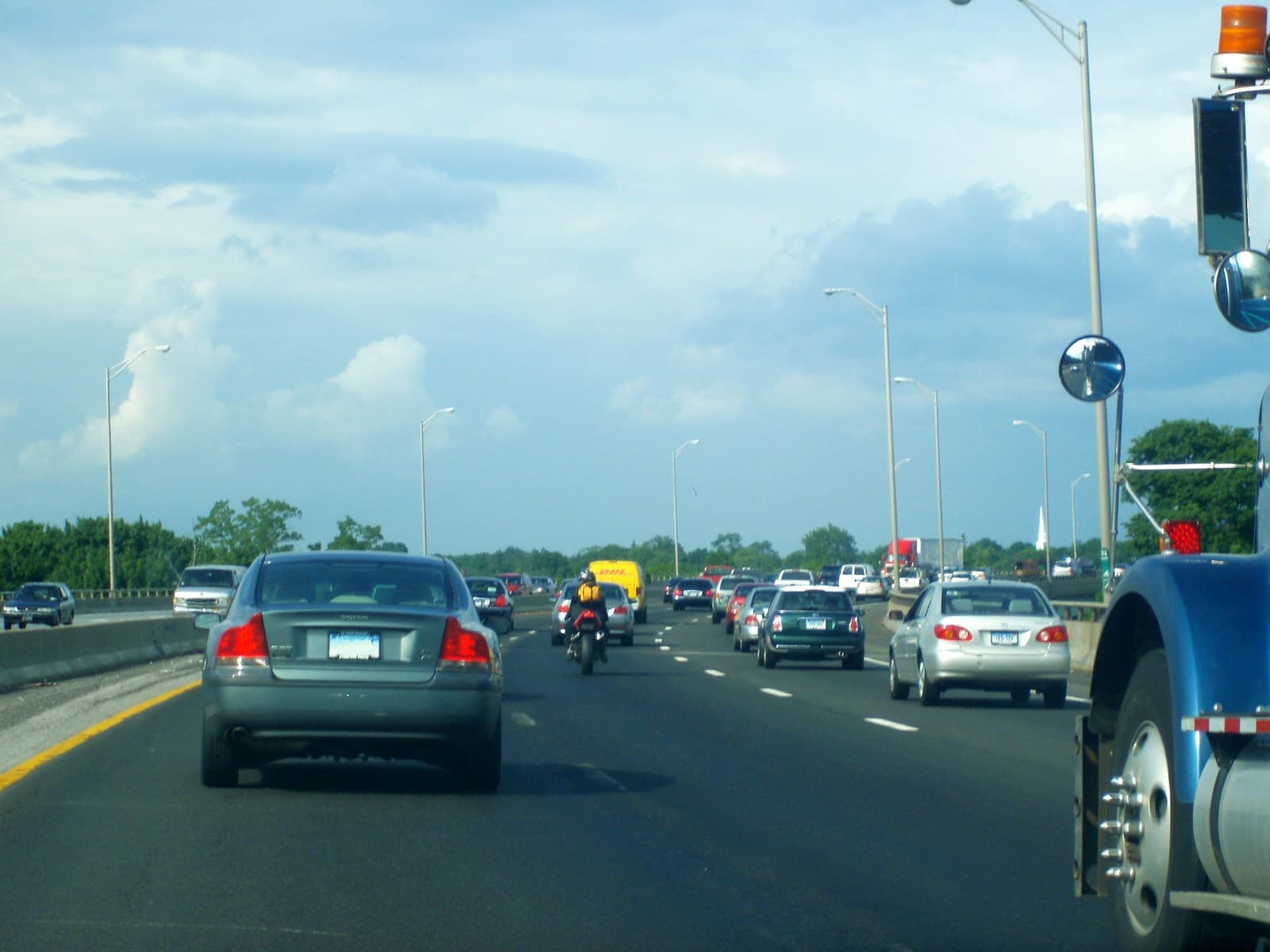
When Your Job Is 40 Miles From the Nearest Bus Stop
You received a suspension notice yesterday, your employer is in a rural Colorado county with zero public transit infrastructure, and you have three days to figure out how to keep commuting legally. Colorado offers an Early Reinstatement program — also called a Probationary License — but the application pathway splits by what triggered your suspension, and most DMV pages don't explain which route applies to your case.
This article walks the structural reality of Colorado's probationary license program when you live or work in a no-transit area. It clarifies which suspension causes qualify for work-route approval, what documentation the DMV requires to prove transit unavailability, and how the ignition interlock requirement changes the timeline for DUI-related cases versus insurance-lapse or points-accumulation suspensions.
Compare car insurance rates in your state
Get quotes from licensed carriers — no obligation, no spam, results in minutes.
Get Your Free QuoteColorado Probationary License Application Fee
$95
The Colorado DMV charges a $95 base reinstatement fee for early probationary license processing. DUI-related applications require additional ignition interlock installation costs, typically $70–$150 for the device plus $2.50–$3.50 per day monitoring fees.
Colorado Division of Motor Vehicles reinstatement fee schedule, C.R.S. § 42-2-132
Colorado Calls It Early Reinstatement, Not Hardship
Colorado does not use the term 'hardship license' in statute or DMV materials. The program is formally called Early Reinstatement under C.R.S. § 42-2-132.5, and approved applicants receive a Probationary License. For DUI-related suspensions, the state uses the term Interlock Restricted License to describe the specific subset of probationary licenses that require ignition interlock devices.
The terminology matters because searching for 'Colorado hardship license' returns generic aggregator pages that don't map to the state's actual application forms. The DMV application is titled 'Request for Early Reinstatement of Driving Privilege,' and the approval document you receive will say Probationary License or Interlock Restricted License depending on your suspension cause.
All three terms describe restricted driving privileges granted before your full suspension period ends. The route restrictions, required documentation, and ignition interlock conditions vary by what triggered the suspension, but the DMV processes all applications through the same Early Reinstatement pathway.
Colorado's Early Reinstatement program is open to DUI, points, and insurance-lapse suspensions, but DUI cases require ignition interlock installation before the probationary license is approved — there is no work-permit-only pathway for alcohol-related revocations.
Which Suspension Causes Qualify for Work-Route Approval

DUI and DWAI suspensions qualify for early reinstatement, but approval requires ignition interlock device installation before the probationary license is issued. For a first DUI offense, there is no mandatory hard suspension period — you can apply for an Interlock Restricted License immediately after receiving the suspension notice. The DMV will not approve work-route driving without the interlock installed and verified by an approved vendor. Drivers with two or more DUI/DWAI offenses are designated 'persistent drunk drivers' under Colorado law and face a mandatory two-year IID requirement as a condition of any driving privileges.
Points-accumulation suspensions and insurance-lapse suspensions follow the standard Early Reinstatement pathway without ignition interlock requirements. The DMV requires proof of SR-22 insurance filing for insurance-lapse cases, employer or school documentation showing your required commute route, and verification that public transit is unavailable for your specific origin-destination pair. Unpaid-fines suspensions and child-support-arrears suspensions are not eligible for probationary licenses until the underlying obligation is resolved — the DMV will deny applications that show active court holds.
Related Articles




Proving Transit Unavailability to the Colorado DMV
Colorado DMV does not publish a standardized 'transit unavailability' form. Instead, applicants submit a written statement describing their home address, workplace address, work schedule, and the absence of public transit options connecting the two. The statement must be signed and notarized, and most DMV offices require employer verification on company letterhead confirming your work location and shift hours.
Rural applicants in counties with zero transit systems — including Cheyenne, Kiowa, Washington, and many others — have a simpler case. Urban and suburban applicants in counties served by RTD (Regional Transportation District) face closer scrutiny because the DMV assumes transit exists. If your commute requires transfers that exceed two hours each way, or if service does not run during your shift hours, include RTD schedule screenshots showing the gap between your work hours and the nearest available route.
The DMV does not pre-approve route restrictions based on your application. Once your probationary license is issued, it lists specific approved purposes — typically home, work, school, medical appointments, and court-ordered programs. The approved work address is printed on the license restriction card. Driving to any location not listed violates the restriction terms and triggers automatic revocation.
Violating probationary license route restrictions results in immediate revocation without a hearing. The DMV treats restricted-license violations as a new suspension cause, which means you lose the probationary license and must wait out the full original suspension period before reapplying. If your violation involves arrest, the court may impose additional penalties beyond the administrative revocation.
SR-22 Filing Duration (Insurance Lapse)
3 years
Colorado requires SR-22 filing for 3 years after insurance-lapse suspensions. The 3-year period begins when the DMV receives the SR-22 filing from your carrier, not when your policy was canceled. Any lapse in SR-22 during the required period triggers a new suspension and restarts the 3-year clock.
Colorado Division of Motor Vehicles SR-22 filing requirements
How Ignition Interlock Changes the Timeline for DUI Cases
DUI-related probationary licenses in Colorado require ignition interlock installation before the DMV approves work-route driving. The interlock device must be installed by a state-approved vendor, and the vendor submits installation verification directly to the DMV. You cannot drive legally — even to work — until the DMV receives the vendor's confirmation and issues your Interlock Restricted License.
Installation typically takes 1–3 business days after you schedule the appointment. Monitoring fees run $2.50–$3.50 per day, which adds $75–$105 monthly on top of the device installation cost. The interlock requirement duration varies by offense count: first DUI typically requires 8 months minimum, second DUI requires 2 years minimum, and persistent drunk driver designation extends the requirement to 2 years regardless of probationary license approval.
Next Step: Get SR-22 Filing Before You Apply
Colorado DMV will not process your Early Reinstatement application without proof of SR-22 insurance on file. The SR-22 is a liability certification your carrier files electronically with the state, and most carriers can complete the filing within 24 hours of your policy purchase. Non-owner SR-22 policies are available if you don't own a vehicle but need to meet the filing requirement for probationary license approval.
Compare carriers writing SR-22 in Colorado through the site's coverage tool. Get quotes from carriers that specialize in suspended-license and post-violation cases — standard carriers often decline SR-22 applicants or price policies beyond budget. Once your SR-22 is filed and the DMV confirms receipt, you can submit your Early Reinstatement application with the required employer documentation and transit-unavailability statement.