Colorado allows DUI-suspended drivers to apply for early reinstatement with ignition interlock from day one—no mandatory hard suspension—but most applicants miss the SR-22 proof-of-filing requirement that triggers automatic denial.
What Colorado Calls a Hardship License and Who Qualifies
Colorado uses two program names interchangeably: Early Reinstatement for the administrative process and Probationary License for the credential itself. Both refer to the same restricted driving privilege governed by C.R.S. § 42-2-132.5. This is not a temporary permit. It is a full reinstatement with ignition interlock conditions attached.
The program is open to DUI and DWAI suspensions, point accumulation cases, and most administrative revocations. Colorado does not restrict eligibility by cause the way Pennsylvania or Washington do. If your license was suspended for unpaid tickets, you apply through standard reinstatement, not this program. If your suspension came from a chemical test failure or refusal under Express Consent law (C.R.S. 42-2-126), early reinstatement with interlock is the default path.
Colorado does not impose a mandatory waiting period before you can apply. First-offense DUI drivers can file for early reinstatement immediately after the revocation takes effect, provided they install an approved ignition interlock device and obtain SR-22 insurance before submission. This distinguishes Colorado from states like Texas or Illinois, where hard suspension periods block any restricted driving for 30 to 90 days.
The Application Path: DMV Process, Not Court Hearing
You apply directly to the Colorado Division of Motor Vehicles. No court hearing is required unless your suspension was court-ordered as part of a criminal sentence, in which case the court must first authorize early reinstatement before DMV will process your application. Most Express Consent administrative suspensions skip the court step entirely.
Required documentation includes proof of ignition interlock installation from an approved vendor, an SR-22 certificate from your insurance carrier, completion of any court-ordered alcohol education programs, and payment of the $95 reinstatement fee. Employer or school documentation is not required by statute, but DMV may request route verification if your restriction category is work or education-specific.
Processing time is not codified. Colorado DMV does not publish a standard timeline for early reinstatement applications, so assume 10 to 20 business days after submission. If your application is incomplete—most commonly because SR-22 filing is missing or shows a lapse—DMV will deny without detailed explanation. The denial notice rarely specifies which document triggered the rejection.
Compare car insurance rates in your state
Get quotes from licensed carriers — no obligation, no spam, results in minutes.
Get Your Free Quote✓ No Obligation Required✓ Licensed Carriers Only✓ Available Nationwide✓ Free to Compare
Ignition Interlock Requirement: When It Starts, How Long It Lasts
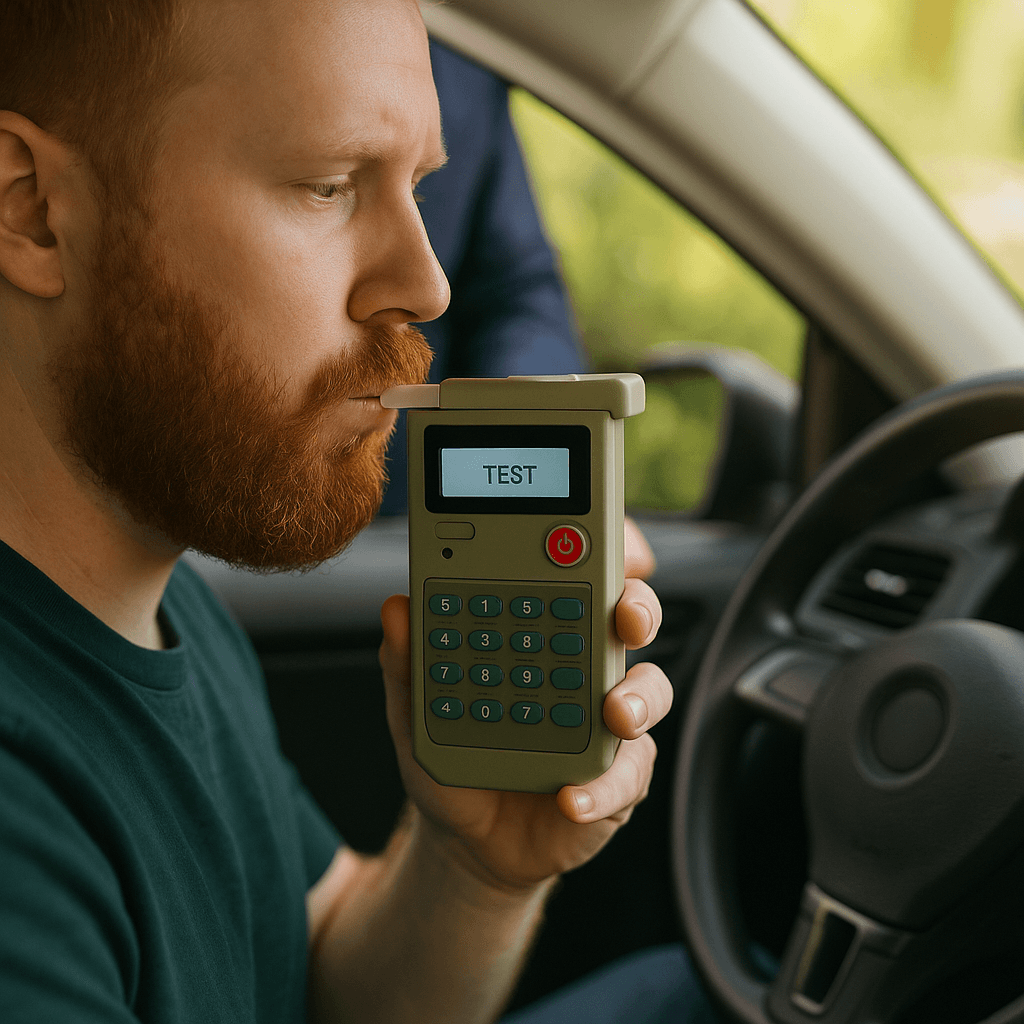
Colorado requires ignition interlock installation before DMV will approve your early reinstatement application. You cannot drive to the installation appointment unless someone else drives your vehicle or you arrange third-party transport. The device must be installed by a Colorado-approved vendor listed on the DMV website.
For a first DUI offense, the mandatory interlock period is typically aligned with the suspension duration—9 months for a BAC administrative suspension, longer for refusal cases. Drivers designated as persistent drunk drivers under Colorado law (two or more DUI or DWAI offenses) face a mandatory two-year interlock requirement regardless of suspension length. This designation is automatic and cannot be waived.
The interlock period starts when DMV approves your application, not when you install the device. If you install in January but DMV does not approve until March, your two-year clock starts in March. Monthly monitoring fees run $75 to $100 depending on vendor. Installation typically costs $100 to $150. Removal after the required period ends costs another $50 to $75. Budget $2,000 to $2,600 total over a two-year interlock period.
SR-22 Filing Duration and the Lapse Rule Most Drivers Miss
Colorado requires three years of continuous SR-22 filing for DUI-related suspensions, measured from the date DMV receives the initial SR-22 certificate. The three-year clock does not start when you are convicted or when you are suspended. It starts when your carrier files SR-22 with the state.
If your SR-22 lapses at any point during the three-year period—because you cancel your policy, switch carriers without requesting SR-22 transfer, or let coverage lapse for nonpayment—DMV receives an SR-26 cancellation notice from your old carrier. Colorado law treats this lapse as a new suspension trigger. Your early reinstatement is automatically revoked. The three-year SR-22 clock resets to zero when you refile.
This reset applies even if the lapse was one day. Even if you had no idea your carrier cancelled. Even if you switched to a new carrier the same week but forgot to request SR-22 transfer. The administrative system does not evaluate intent. It evaluates filing continuity. Most drivers learn about the lapse rule only after receiving a suspension notice in the mail weeks after the cancellation.
Restricted Driving Privileges: What Routes and Hours Colorado Allows
Colorado early reinstatement is purpose-restricted, not route-restricted. DMV authorizes necessary driving, defined as travel to and from work, school, medical appointments, court-ordered programs (including DUI education and interlock monitoring), and religious services. You are not required to submit employer letters or predefined routes at the time of application, but DMV may request verification if you are stopped and the purpose does not align with your stated restriction category.
Time restrictions are not codified by statute. Some counties impose daytime-only or weekday-only conditions for first-offense cases, particularly when the original charge involved late-night driving. Other counties issue unrestricted-hour licenses as long as the purpose rule is satisfied. This variation is administrative, not legislative. The restriction language appears on your physical license, so law enforcement can verify conditions during a traffic stop.
Violating restriction terms—driving outside approved purposes, tampering with the interlock device, or accumulating interlock violations like failed startup tests or missed calibration appointments—triggers automatic revocation. Colorado DMV does not issue warnings. One confirmed violation is sufficient grounds for full revocation, and you lose eligibility for early reinstatement for the remainder of your suspension period.
Cost Breakdown: Application, Interlock, SR-22, and Premium Impact
The $95 reinstatement fee is paid to Colorado DMV at the time you submit your early reinstatement application. This is separate from any court fines, alcohol education program fees, or ignition interlock costs. If your application is denied and you reapply, you pay the $95 fee again.
Ignition interlock installation costs $100 to $150. Monthly monitoring and calibration fees run $75 to $100. Over a mandatory two-year interlock period, total device costs reach $1,900 to $2,550. SR-22 filing itself carries no separate state fee, but most carriers charge $25 to $50 to process the filing. This is a one-time charge unless you switch carriers, in which case the new carrier charges again.
SR-22 insurance premiums are higher than standard liability premiums because the filing signals elevated risk. Estimates based on available industry data for Colorado DUI drivers show monthly premiums typically range from $140 to $220 for state minimum liability coverage with SR-22. Individual rates vary by driving history, vehicle, coverage selections, and location. Non-owner SR-22 policies—required if you do not own a vehicle but need to maintain the filing—run $30 to $60 per month, significantly lower than standard policies because they exclude collision and comprehensive coverage.
What Happens If Your Early Reinstatement Application Is Denied
Colorado DMV does not provide detailed denial explanations. The notice typically states "application incomplete" or "required documentation not received." The most common denial triggers are missing SR-22 proof, interlock installation that does not match DMV vendor records, or unpaid reinstatement fees from prior suspensions.
If denied, you can reapply immediately after correcting the deficiency. There is no waiting period between applications, but you pay the $95 fee again. If you are unsure which document triggered denial, request a status review from DMV's Driver Control section. This is an administrative review, not an appeal hearing. You do not appear in person.
If your suspension was court-ordered rather than administrative, denial may indicate the court has not yet authorized early reinstatement. Check with the sentencing court to confirm whether a release order was filed with DMV. Some counties require the defendant to request the order in writing; others issue it automatically after program completion. This procedural gap is the second most common denial cause after SR-22 issues.