Colorado's Early Reinstatement program lets eligible drivers resume limited driving during suspension, but most applicants miss critical documentation steps that delay or deny approval.
What Colorado's Probationary License Actually Authorizes
Colorado's probationary license, formally called Early Reinstatement or the Interlock Restricted License for DUI cases, allows drivers to operate a vehicle for specific purposes during an active suspension. You can drive to work, school, medical appointments, court-ordered programs, or alcohol education classes. The DMV defines your approved routes and purposes at issuance, not after.
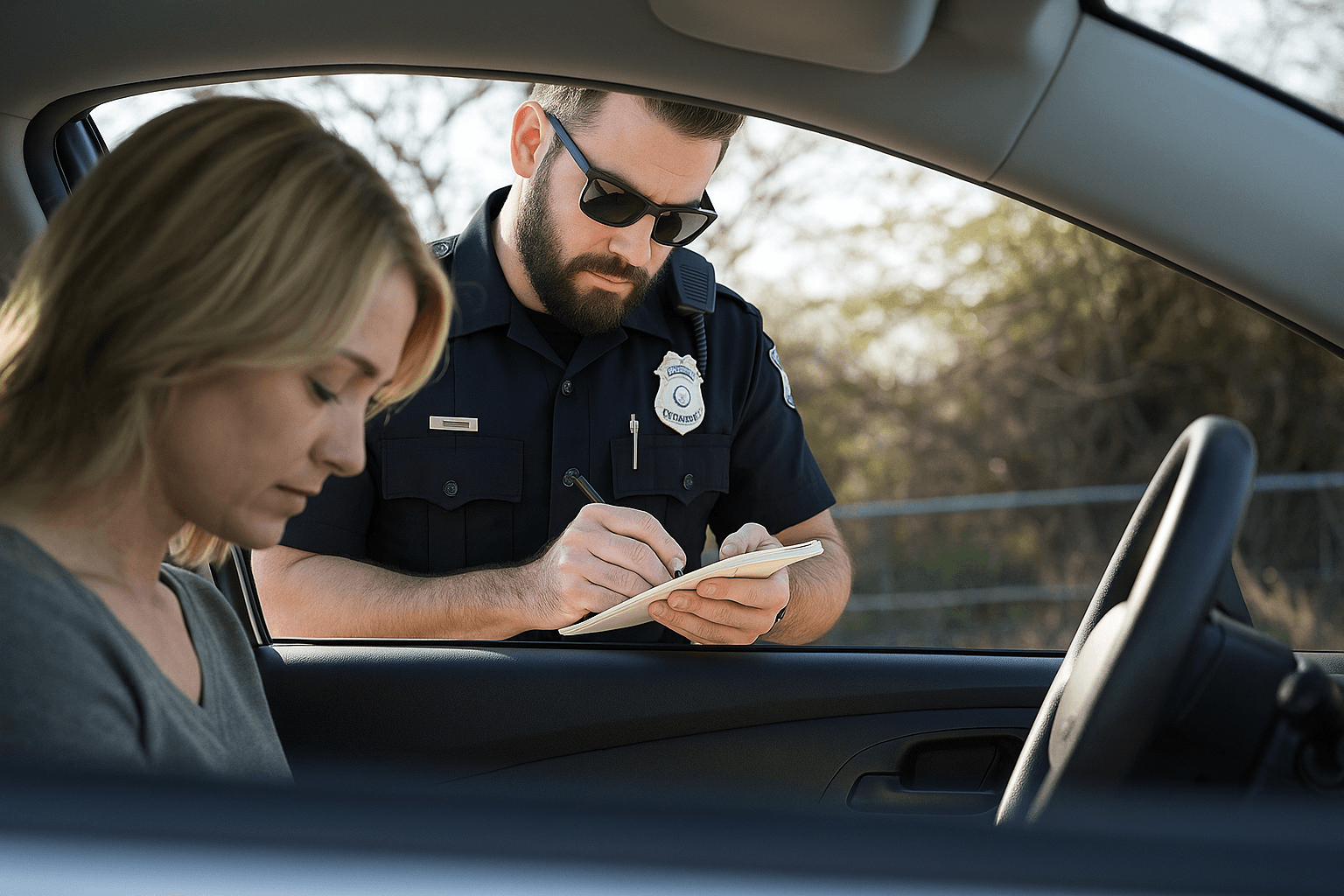
The program does not restore full driving privileges. Every trip must fall within the scope defined on your approval documentation. Recreational driving, social visits, and unapproved errands are prohibited. Officers verify your destination matches your restriction terms during any traffic stop.
Colorado distinguishes between Early Reinstatement for DUI-related revocations and probationary licenses for non-DUI suspensions. The DUI pathway requires ignition interlock device installation before you can drive. The non-DUI pathway may not require IID but still demands SR-22 insurance filing and route documentation. Both pathways begin with a DMV application, not a court petition.
DUI Suspensions and the Ignition Interlock Requirement
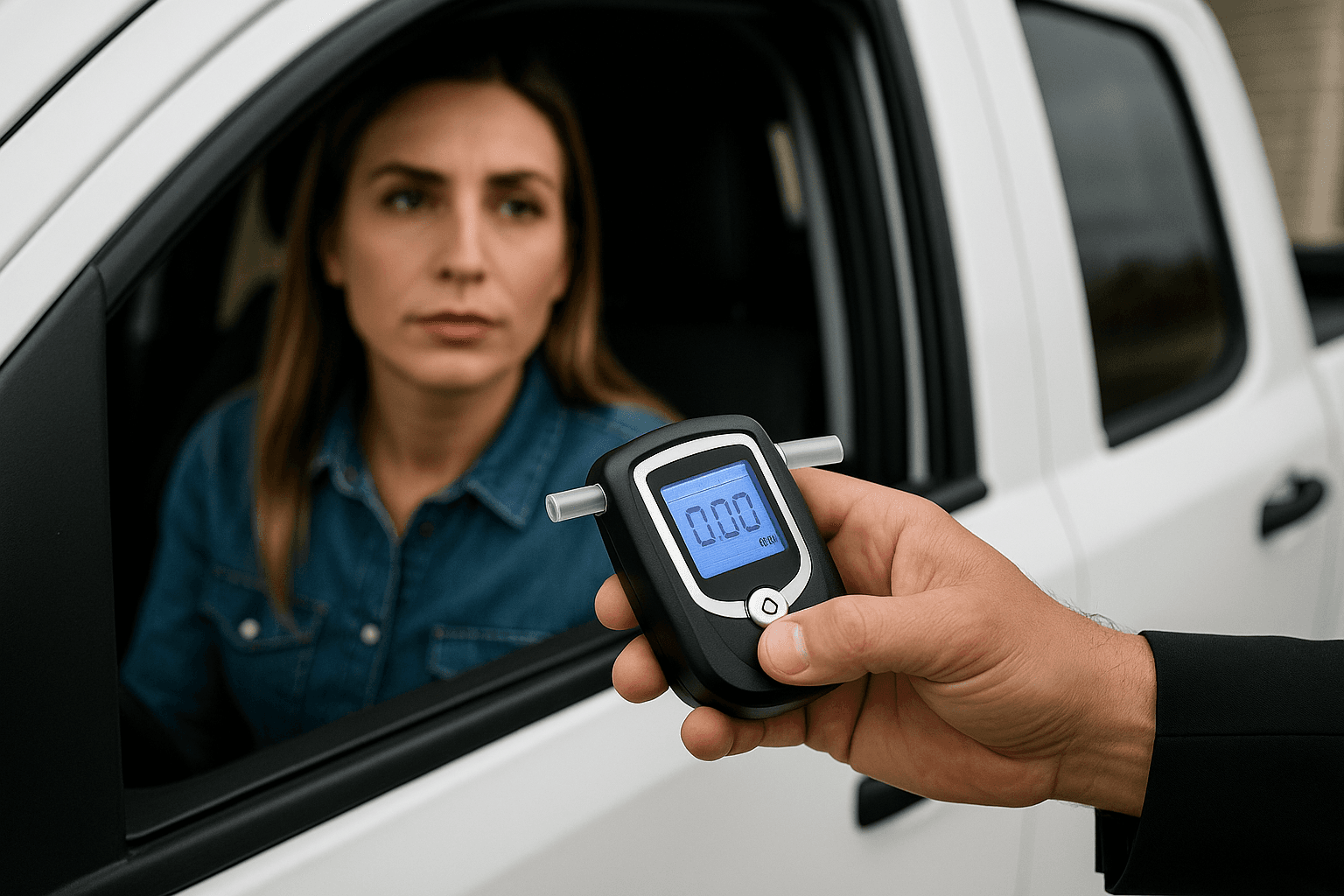
If your license was suspended or revoked for DUI, DWAI, or refusal of a chemical test under Colorado's Express Consent law, you must install an approved ignition interlock device before the DMV will issue any probationary license. Colorado does not impose a mandatory hard suspension period before interlock-based early reinstatement becomes available for a first offense. You can apply immediately after your revocation begins.
Drivers designated as persistent drunk drivers—those with two or more DUI or DWAI offenses—face a mandatory two-year IID requirement as a condition of any driving privileges during the suspension period. The IID must remain installed for the full required term. Removing it early, failing a rolling retest, or attempting to bypass the device triggers immediate revocation of your probationary license and restarts your suspension clock.
The interlock restricted license pathway follows C.R.S. § 42-2-132.5. You file directly with the Colorado DMV, not through the courts. Approval depends on proof of IID installation from a state-approved vendor, SR-22 insurance filing, payment of the reinstatement fee, and documentation of your approved driving purposes. Most first-offense DUI applicants receive approval within 15 to 30 days if all documentation is complete at submission.
Compare car insurance rates in your state
Get quotes from licensed carriers — no obligation, no spam, results in minutes.
Get Your Free Quote✓ No Obligation Required✓ Licensed Carriers Only✓ Available Nationwide✓ Free to Compare
Points, Unpaid Tickets, and Non-DUI Suspension Eligibility
Colorado offers probationary licenses to drivers suspended for point accumulation, unpaid traffic fines, uninsured motorist violations, and certain administrative suspensions. Eligibility is broader than in many states. If your suspension stems from 12 points accumulated in 12 months, you can apply for early reinstatement as soon as the suspension begins. You do not need to wait out a hard suspension period first.
Unpaid ticket suspensions qualify for probationary licenses, but the DMV will not approve your application until outstanding fines are resolved or a payment plan is documented with the court. Drivers suspended for uninsured motorist violations must provide proof of current SR-22 insurance before applying. The filing must remain active for the full required term, typically three years from the suspension start date, not the application date.
Point-based and unpaid-fine suspensions do not automatically require ignition interlock installation unless the underlying violations included alcohol-related offenses. However, all probationary license applicants must carry SR-22 insurance regardless of suspension cause. The SR-22 filing is a condition of early reinstatement, not optional coverage.
Application Process and Required Documentation
You apply for Colorado's Early Reinstatement or Probationary License directly through the DMV, either in person at a driver license office or by mail to the Driver Control Section. Online applications are not available for probationary licenses. The DMV requires proof of SR-22 insurance, ignition interlock installation documentation if applicable, a completed early reinstatement application form, employer or school verification letters documenting your approved driving purposes, and payment of the $95 reinstatement fee.
Employer letters must include your work address, shift hours, and a statement that driving is necessary to reach your job site. School verification must include your class schedule and campus location. Medical appointment documentation requires a letter from your provider stating the frequency and location of required visits. Court-ordered program documentation must include the program address, attendance schedule, and a contact person the DMV can verify.
Incomplete applications are the primary cause of denial or delay. The DMV does not accept vague employer letters or generic statements. Your documentation must prove that your requested routes are necessary, specific, and verifiable. If your employer refuses to provide a detailed letter, you may need to submit alternative documentation such as pay stubs showing your work location and a sworn affidavit describing your transportation need.
Route Restrictions and Compliance Requirements
The DMV defines your approved routes and driving times at the time of probationary license issuance. You receive a written document listing your authorized purposes, addresses, and any time-of-day restrictions. Deviating from these approved routes, even by a few blocks, violates the terms of your probationary license. Officers have discretion to arrest you for driving under suspension if your actual route does not match your documented approval.
Colorado probationary licenses are not rolling or flexible. If your work schedule changes, your child's school location changes, or you need to add a new medical provider, you must file an amendment request with the DMV before driving to the new location. Assuming verbal permission from an employer or family member is sufficient is a common violation. Only DMV-documented routes are legally defensible.
Violating your probationary license terms triggers automatic revocation and extends your original suspension period. The DMV does not issue warnings. A single undocumented trip to a grocery store, a friend's house, or a non-approved location can restart your suspension clock and disqualify you from reapplying for early reinstatement. If you need broader driving privileges, you must wait until your full reinstatement eligibility date rather than risking probationary violation.
SR-22 Insurance Filing and Cost Implications
All Colorado probationary license holders must carry SR-22 insurance for the duration of their suspension and filing period. The SR-22 is a certificate of financial responsibility your insurer files with the DMV, not a separate insurance policy. Most carriers that offer SR-22 filing charge a one-time filing fee of $15 to $50, plus higher premiums due to the risk classification.
SR-22 insurance premiums in Colorado typically range from $85 to $190 per month, depending on your violation history, age, and county. Drivers with DUI suspensions pay the higher end of that range. Drivers suspended for uninsured motorist violations or point accumulation may qualify for mid-tier rates if no alcohol violations appear on their record. Non-owner SR-22 policies cost less—typically $40 to $80 per month—and cover you when driving vehicles you do not own, such as employer-owned work trucks or rental cars.
Letting your SR-22 insurance lapse for any reason triggers immediate suspension of your probationary license and restarts your SR-22 filing clock. Colorado's electronic insurance verification system notifies the DMV within days of policy cancellation. You cannot reinstate until you file a new SR-22 and pay a reinstatement fee again. Estimates based on available industry data; individual rates vary by driving history, vehicle, coverage selections, and location.
Timeline from Suspension to Probationary License Approval
Colorado does not impose a mandatory waiting period before you can apply for early reinstatement. You can submit your probationary license application on the same day your suspension begins, provided you have already secured SR-22 insurance and, if required, installed an ignition interlock device. Most applicants wait two to four weeks because gathering employer letters, IID installation receipts, and other documentation takes time.
The DMV processes complete applications within 15 to 30 days. Incomplete applications or missing documentation extend processing time by weeks or months. If the DMV requests additional information and you do not respond within the stated deadline, your application is denied, and you must reapply with a new fee. Delays are almost always caused by missing or insufficient documentation, not DMV backlog.
Once approved, your probationary license is valid for the remainder of your suspension period. You do not need to renew it annually unless your underlying suspension term exceeds one year. At the end of your suspension period, you must apply for full reinstatement, pay the reinstatement fee again if required, and confirm your SR-22 filing remains active for the full required term, typically three years from the original suspension date.