
The Tier Placement Question No Quote Tool Answers
You received Limited Driving Privileges from an Ohio court. The order requires SR-22 filing. You run three online quotes and get wildly different results: one carrier returns $85/month, another says $210/month, a third declines you outright with no explanation. The aggregator sites call all three 'cheap SR-22 insurance' without clarifying why the spread exists or which quote you can actually buy.
The structural reality: Ohio auto insurance operates on a three-tier underwriting system. Standard-tier carriers (State Farm, Nationwide, Progressive standard lines) serve clean-record drivers and some minor-violation profiles. Non-standard carriers (Dairyland, Bristol West, The General, GAINSCO) serve suspended-license, OVI, and high-point profiles standard carriers decline. The 'cheapest' carrier for your profile depends entirely on which tier will write you — a question online quote tools answer only after you apply, wasting hours on declines.
Compare car insurance rates in your state
Get quotes from licensed carriers — no obligation, no spam, results in minutes.
Get Your Free QuoteOhio Standard-Tier SR-22 Premium
$85–$140/mo
Drivers with clean records or isolated minor violations who qualify for standard-tier placement pay $85–$140/month for state minimum liability plus SR-22 filing. OVI offenders and suspended-license profiles are automatically declined by standard-tier underwriting and must apply to non-standard specialists.
Ohio carrier rate filings, standard-tier underwriting guidelines
Who Actually Qualifies for Standard-Tier SR-22 in Ohio
Standard-tier carriers in Ohio — State Farm, Nationwide, Progressive's standard lines, Erie, Auto-Owners — will write SR-22 policies for drivers suspended due to points accumulation (12 points in two years), insurance lapse without OVI, or isolated minor violations. These carriers decline OVI offenders, drivers with active Administrative License Suspension (ALS), drivers suspended for test refusal, and drivers with more than two at-fault accidents in three years.
The confusion: aggregator sites present standard-tier quotes to all searchers without disclosing underwriting rules. You see $85/month on the comparison grid, apply, and receive a decline letter two days later. The quote was real for someone else's profile; it was never available to yours. Non-standard carriers would have approved you immediately at $140–$220/month, but you wasted application cycles chasing standard-tier declines.
Check your BMV record before applying. If your suspension stems from OVI conviction, ALS for test refusal, or court-ordered suspension following OVI, standard-tier carriers will decline you. Start with non-standard specialists and avoid the decline cycle.
Standard-tier carriers decline OVI and test-refusal suspensions automatically — the $85/month quote you saw online was never available to your profile, and applying wastes weeks you don't have.
Non-Standard Specialists Writing Ohio SR-22 Today
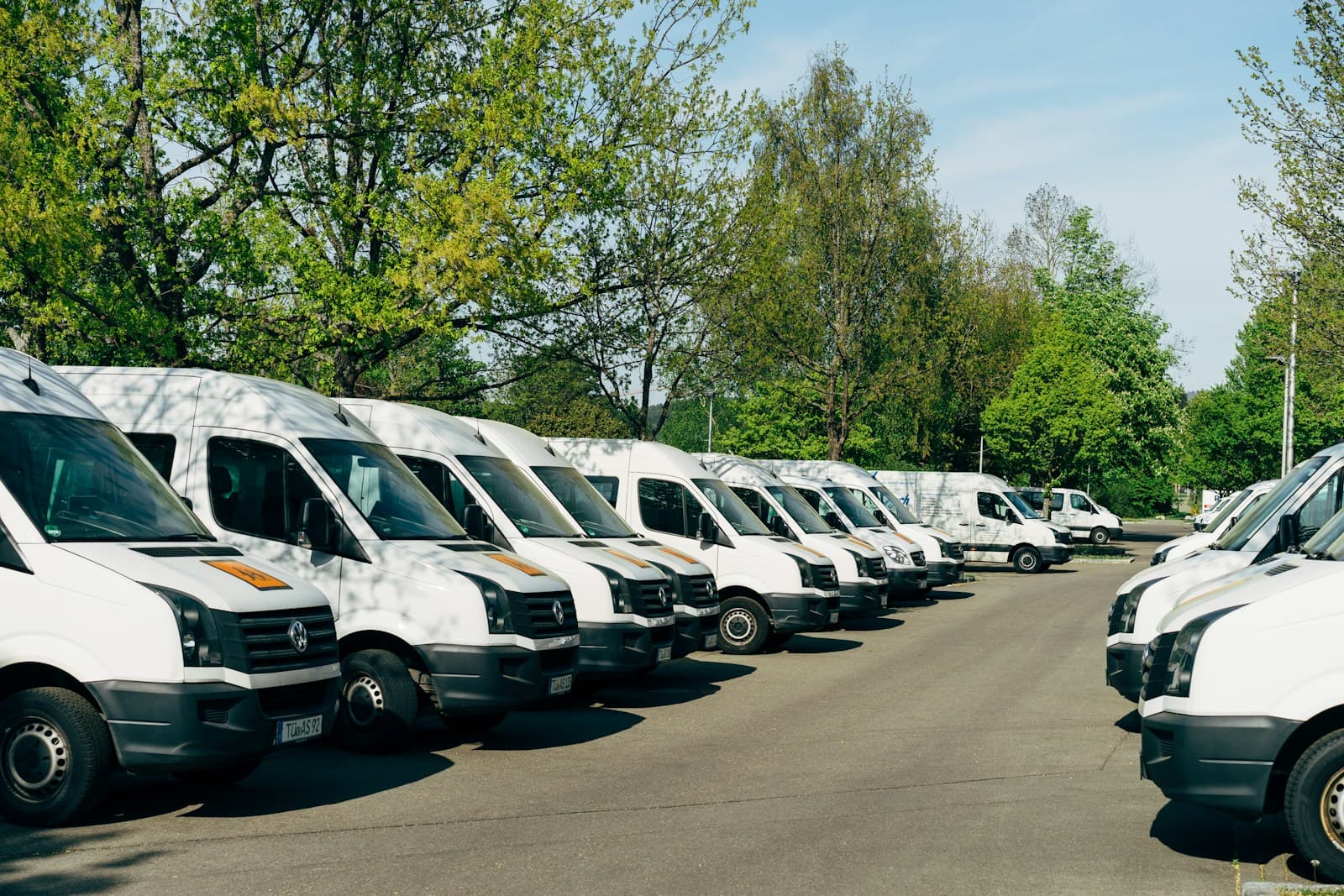
Dairyland writes SR-22 and non-owner SR-22 policies across Ohio's 88 counties. Monthly premiums for state minimum liability (25/50/25) plus SR-22 filing run $140–$210 depending on county, vehicle, and violation count. Dairyland does not decline OVI offenders and processes applications within 48 hours. The company files SR-22 certificates electronically with the Ohio BMV the same business day the policy binds. Bristol West operates statewide and writes both standard SR-22 and non-owner SR-22. Premiums range $155–$220/month for OVI profiles. Bristol West is domiciled in Ohio (NAIC 19658) and maintains direct BMV filing integration.
The General writes suspended-license profiles in all Ohio counties and offers payment plans starting at $50 down. Monthly premiums for SR-22 liability coverage run $160–$215. GAINSCO writes SR-22 and non-owner policies statewide with premiums between $145–$205/month. Both carriers approve OVI and ALS profiles standard-tier underwriters decline. Progressive's non-standard division writes higher-risk profiles at $150–$230/month and files SR-22 electronically. Geico writes SR-22 in Ohio but declines most OVI profiles; their SR-22 book serves primarily lapse-suspension and points-accumulation drivers at $110–$175/month.
Related Articles




How SR-22 Filing Duration Affects Total Cost
Ohio requires SR-22 filing for three years following OVI conviction, measured from the conviction date, not the date you file. If your conviction occurred 18 months ago and you file SR-22 today, you carry the filing for 18 more months, not 36. Courts sometimes order longer SR-22 periods for repeat offenders; the BMV extends filing duration to match the court order.
The cost implication: three years of non-standard SR-22 premiums at $160/month totals $5,760 in base premium alone, excluding the annual $25 SR-22 filing fee most carriers charge. Drivers who qualify for standard-tier placement after the first year (by completing court-ordered programs and maintaining a clean driving record post-reinstatement) can sometimes transfer to standard-tier carriers mid-cycle and reduce premiums to $95–$120/month for the remaining period.
Non-owner SR-22 policies cost $40–$70/month less than standard SR-22 because they exclude vehicle collision and comprehensive coverage. If you do not own a vehicle and only need SR-22 to satisfy Limited Driving Privileges requirements, non-owner policies meet Ohio BMV filing obligations at significantly lower total cost. Dairyland, The General, and GAINSCO all write non-owner SR-22 statewide.
Ohio 3-Year SR-22 Total Cost
$5,760–$7,920
Three years of non-standard SR-22 premiums at $160–$220/month totals $5,760–$7,920 in base premium, excluding annual filing fees and policy lapses. Drivers who transfer to standard-tier carriers mid-cycle after completing DIP and maintaining clean records reduce the final two years' premiums by $50–$80/month.
Ohio non-standard carrier rate ranges, 36-month projection
The Ignition Interlock Insurance Requirement
Ohio courts require ignition interlock devices (IID) on all vehicles operated under Limited Driving Privileges for OVI offenses. ORC 4510.022 mandates IID installation before the court grants LDP. The interlock vendor must be approved by the Ohio Department of Public Safety. Drivers with four or more OVI offenses within 10 years face a three-year hard suspension before LDP eligibility; some felony OVI convictions bar LDP entirely.
Your SR-22 insurance policy must explicitly cover vehicles equipped with interlock devices. Not all carriers write interlock-equipped policies. Dairyland, Bristol West, The General, and GAINSCO all write interlock-equipped SR-22 policies in Ohio. State Farm and Nationwide decline interlock profiles in most underwriting scenarios. When you apply, disclose the interlock requirement upfront; carriers that decline interlock coverage will reject the application after you've already paid the down payment and filed paperwork.
Compare Carriers Before You File Limited Driving Privileges Paperwork
Ohio courts require proof of SR-22 insurance before granting Limited Driving Privileges. You cannot petition for LDP, receive the court order, and then shop for insurance — the SR-22 filing must be active when you appear in court. This sequencing forces you to buy coverage before you know whether the court will approve your petition, creating financial risk if the petition is denied.
Start carrier comparisons two weeks before your LDP court date. Obtain quotes from at least three non-standard specialists (if your suspension stems from OVI or ALS) or standard-tier carriers (if your suspension is points- or lapse-related). Confirm the carrier files SR-22 electronically with the Ohio BMV and can generate the filing certificate within 24 hours of policy binding. Bring the SR-22 certificate to your court hearing as required documentation. If the court denies your petition, most carriers allow you to cancel the policy within 30 days and refund unused premium, but policies vary — confirm cancellation terms before binding coverage.