
The Court Order Is Not the License
You received a court order granting hardship driving privileges in Kentucky. The judge approved your petition. You assume you can drive to work Monday morning. You cannot — not yet. The court order authorizes the hardship privilege, but the Kentucky Transportation Cabinet must process the order and issue the physical hardship drivers license before you can legally operate a vehicle under restricted terms. That processing window creates a gap most petitioners never see coming.
The two-authority structure — circuit court grants the privilege, Transportation Cabinet issues the credential — means your driving status sits in limbo between approval and issuance. Driving on the court order alone, before the Cabinet issues the physical license, is operating without valid credentials. The violation resets your suspension clock and disqualifies you from reapplying for hardship privileges in most Kentucky counties. The court order is the authorization. The Transportation Cabinet license is the proof. You need both before you drive.
Compare car insurance rates in your state
Get quotes from licensed carriers — no obligation, no spam, results in minutes.
Get Your Free QuoteKentucky Hardship Application Fee
Paid at the circuit court clerk driver-licensing office in your county of residence when you submit the court's hardship order. The Transportation Cabinet does not charge a separate issuance fee for the physical credential, but reinstatement after the hardship period ends costs $40.
Kentucky Transportation Cabinet, 601 KAR 12:060
What Kentucky's Hardship License Actually Covers
Kentucky's hardship drivers license permits driving for employment, education, medical care, court-ordered obligations, and childcare. The court order specifies which purposes apply to your situation and may restrict routes, times, or both. The license does not restore full driving privileges — it creates a narrow legal corridor for essential travel only. Recreational driving, social errands, and any purpose not named in the court order remain prohibited.
The court determines eligibility case by case. Kentucky statute 601 KAR 12:060 does not enumerate automatic disqualifiers by violation type, but courts routinely deny hardship petitions when unpaid fines, incomplete DUI education requirements, or pending charges appear on the driving record. DUI cases are eligible for hardship privileges, but the court may require proof of enrollment in a state-approved alcohol education program before granting the order. The hardship period typically runs 90 to 180 days depending on the underlying suspension, and the court order will state the exact duration.
Kentucky does not require ignition interlock devices for hardship licenses as a blanket rule. IID requirements attach to specific DUI convictions under separate statute, not to the hardship license itself. If your suspension stems from a DUI conviction that triggered an IID mandate, you must install the device before the Transportation Cabinet will issue the hardship credential — but the IID requirement flows from the DUI statute, not from the hardship program.
Most Kentucky suspensions do not require SR-22 filing. Kentucky enforces mandatory insurance through direct verification and registration revocation, not insurer-filed certificates. Buying SR-22 coverage for a non-DUI suspension wastes money on a filing your state never asked for.
The Two-Step Hardship Application Path
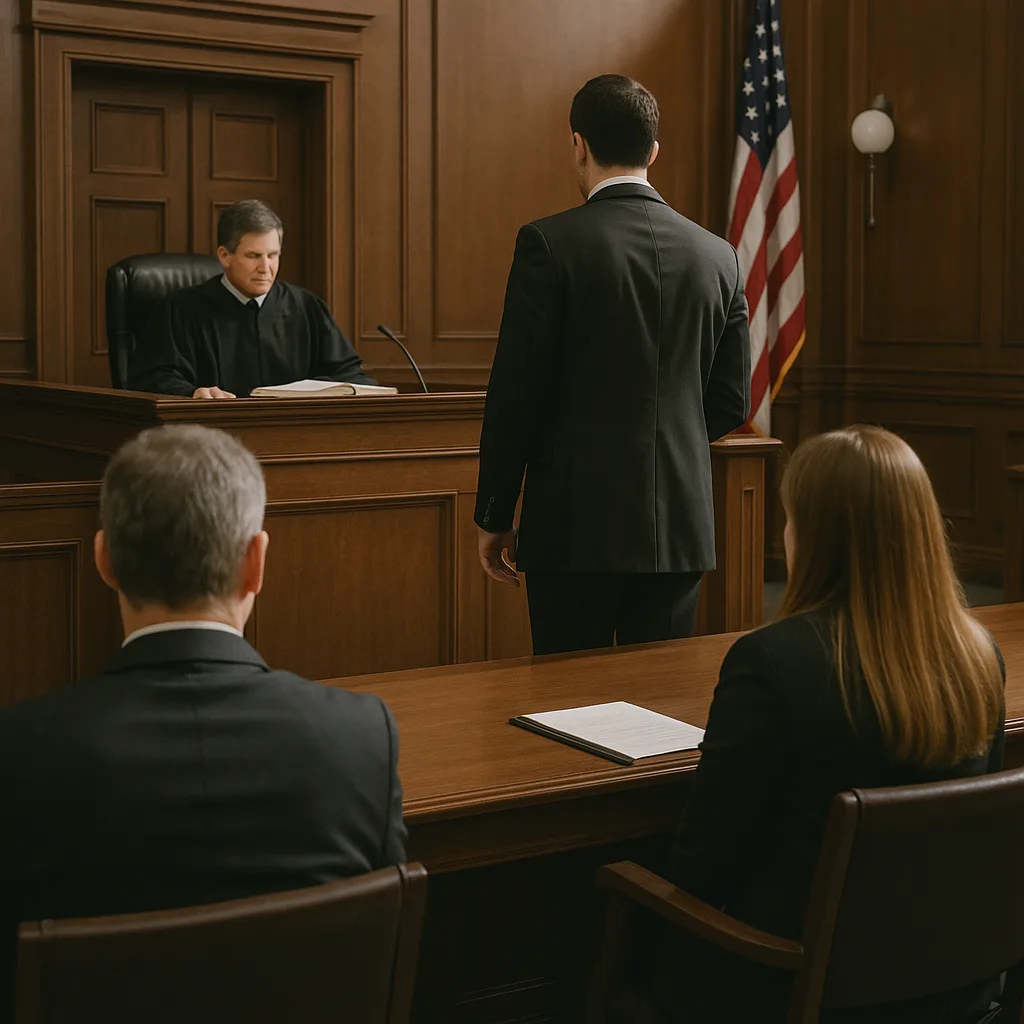
Step one: petition the circuit court in the county where you reside. The court withdrawing your driving privilege has jurisdiction over hardship petitions. File a motion requesting hardship driving privileges, attach proof of employment or other qualifying need, and include documentation of any completed requirements tied to your suspension (fines paid, DUI education enrollment, proof of insurance). The court schedules a hearing, reviews your petition, and issues an order either granting or denying the hardship privilege. If granted, the order specifies the permitted purposes, any route or time restrictions, and the duration of the hardship period.
Step two: take the court order to the circuit court clerk driver-licensing office in your county. The clerk forwards the order to the Kentucky Transportation Cabinet, which processes the paperwork and issues the physical hardship drivers license. Processing time varies by county and current Cabinet workload — some counties issue the credential within days, others take two weeks or longer. You cannot drive under hardship terms until the physical license is in your possession. The court order alone does not authorize driving. Confirm with the clerk's office that your application has been submitted to the Cabinet and ask for an estimated issuance timeline before you make any driving plans.
Related Articles





Insurance Requirements During Hardship Period
Kentucky requires liability insurance with minimum limits of $25,000 per person for bodily injury, $50,000 per accident for bodily injury, and $25,000 for property damage. These requirements apply whether you hold a standard license or a hardship drivers license. The hardship license does not change your insurance obligations; it only restricts where and when you can drive.
SR-22 filing is not required for most Kentucky suspensions. Kentucky does not use SR-22 certificates or any insurer-filed proof-of-insurance form for the majority of license suspensions. The state enforces mandatory insurance through direct verification systems and registration revocation. If you are suspended for insurance lapse, unpaid fines, points accumulation, or failure to appear, you do not need SR-22 coverage — you need a standard liability policy meeting Kentucky's minimum limits. Buying SR-22 coverage when your suspension does not require it wastes money on a filing fee and administrative process the state never mandated.
DUI suspensions in Kentucky may trigger SR-22 requirements depending on the specifics of your case, but the requirement flows from the DUI statute, not from the hardship license program. If your suspension stems from a DUI conviction and the court or Transportation Cabinet has notified you that SR-22 filing is required, you must obtain SR-22 coverage before the hardship license will be issued. If you have not received explicit notice that SR-22 is required, assume it is not — contact the Transportation Cabinet Division of Driver Licensing to confirm before paying for SR-22 coverage you may not need.
Non-owner SR-22 policies cover drivers who do not own a vehicle but need to meet SR-22 filing requirements. If your hardship license is for employment purposes and you will drive an employer-owned vehicle or a vehicle owned by a household member, a non-owner policy may meet your insurance obligation at lower cost than adding yourself to another policy. Confirm with the Transportation Cabinet that a non-owner policy satisfies your specific filing requirement before purchasing.
Kentucky License Suspension Period
90-180 days
Typical suspension duration for the violation triggering this search. Reinstatement after the suspension period ends requires a $40 fee and proof of insurance. Hardship licenses shorten the no-driving window but do not eliminate the underlying suspension — you still face the full reinstatement process when the hardship period expires.
Kentucky Transportation Cabinet reinstatement schedule
What Happens After the Hardship Period Ends
The hardship drivers license expires at the end of the period stated in the court order. Expiration does not automatically restore your full driving privileges. You must complete the reinstatement process with the Kentucky Transportation Cabinet before you can drive without hardship restrictions. Reinstatement requires paying a $40 fee, providing proof of insurance, and confirming that all conditions tied to your suspension have been satisfied — fines paid, required courses completed, and any other court-ordered obligations met.
If you were required to complete a state-approved driver improvement course or DUI education program as a condition of reinstatement, you must submit proof of completion to the Transportation Cabinet before the reinstatement fee is processed. Missing documentation delays reinstatement and extends the period during which you cannot legally drive. Gather all required documents before you visit the Transportation Cabinet office or submit your reinstatement application online to avoid processing delays that leave you without valid credentials.
Compare Carriers That Write Suspended Drivers
Not every carrier writes policies for drivers with suspended licenses or recent violations. Carriers that specialize in non-standard auto insurance — Dairyland, Bristol West, National General, Progressive, and Geico among them — actively write coverage for Kentucky drivers navigating hardship licenses and post-suspension reinstatement. Standard-tier carriers like State Farm and Allstate may decline to quote or may price policies at rates that reflect their preference for clean-record drivers. Comparing carriers that write your situation produces more accurate quotes and avoids the frustration of applications declined after you have already submitted documentation.
When you request quotes, specify that you hold a hardship drivers license and provide the exact violation that triggered your suspension. Carriers price based on the violation, not the hardship status — a DUI suspension generates higher premiums than a points-accumulation suspension, even when both drivers hold hardship licenses. If your suspension does not require SR-22 filing, make that clear when you request quotes. Carriers that assume SR-22 is required will include filing fees and administrative surcharges in their quotes, inflating your cost for coverage you do not need. Use the comparison tool below to connect with carriers writing Kentucky hardship-license holders and get quotes based on your actual filing requirement, not assumptions about what suspended drivers typically need.