
Cheapest Hardship License Insurance — Texas
Free to compare
Texas ODL Insurance Costs More Than It Should
You received your Occupational Driver License court order, installed the ignition interlock if required, and now you need SR-22 insurance to activate the license at DPS. The carrier quote comes back at $180/month and you don't understand why you're paying suspended-driver rates when your court order limits you to 12 hours of driving per day on specific routes to work, school, and essential household duties.
Texas requires SR-22 certificates for every ODL holder regardless of suspension cause. That filing requirement adds $15–$35 annually to your premium, but the real cost driver is how carriers classify you: most treat ODL holders as high-risk suspended drivers and apply corresponding rate multipliers even though your actual driving exposure is a fraction of an unrestricted license holder's mileage.
“Non-owner SR-22 policies cost 40–60% less than standard auto SR-22 for ODL holders who don't own vehicles — the coverage follows you, not a specific car.”

Get the Coverage Your Hardship License Needs
Get My Hardship License Quote$45–$85/mo
Non-Owner SR-22 Premium Texas
Non-owner SR-22 policies cost 40–60% less than standard auto policies for ODL holders who don't own vehicles. The policy covers liability when driving borrowed or employer-owned vehicles within your court-defined restrictions.
Carrier rate filings, Texas Department of Insurance
SR-22 Is Required for Every ODL Holder
Texas Transportation Code Section 601.153 requires SR-22 certificates of financial responsibility for all Occupational Driver License holders. The court order granting your ODL does not change this filing requirement. DPS will not issue the physical ODL card until you present proof of SR-22 filing from a licensed carrier.
The SR-22 filing itself costs $15–$35 annually depending on carrier. This is a processing fee, not insurance. Your carrier files the SR-22 certificate electronically with DPS and maintains it for the duration of your ODL period. If your policy lapses or cancels, the carrier notifies DPS immediately and your ODL is suspended automatically.
Most ODL holders need SR-22 filing for 2 years from reinstatement date under Section 601.153, but DUI-related suspensions may require longer periods. Your court order specifies the SR-22 duration. The filing requirement runs concurrently with your ODL period and continues after you regain full driving privileges until the mandated period expires.
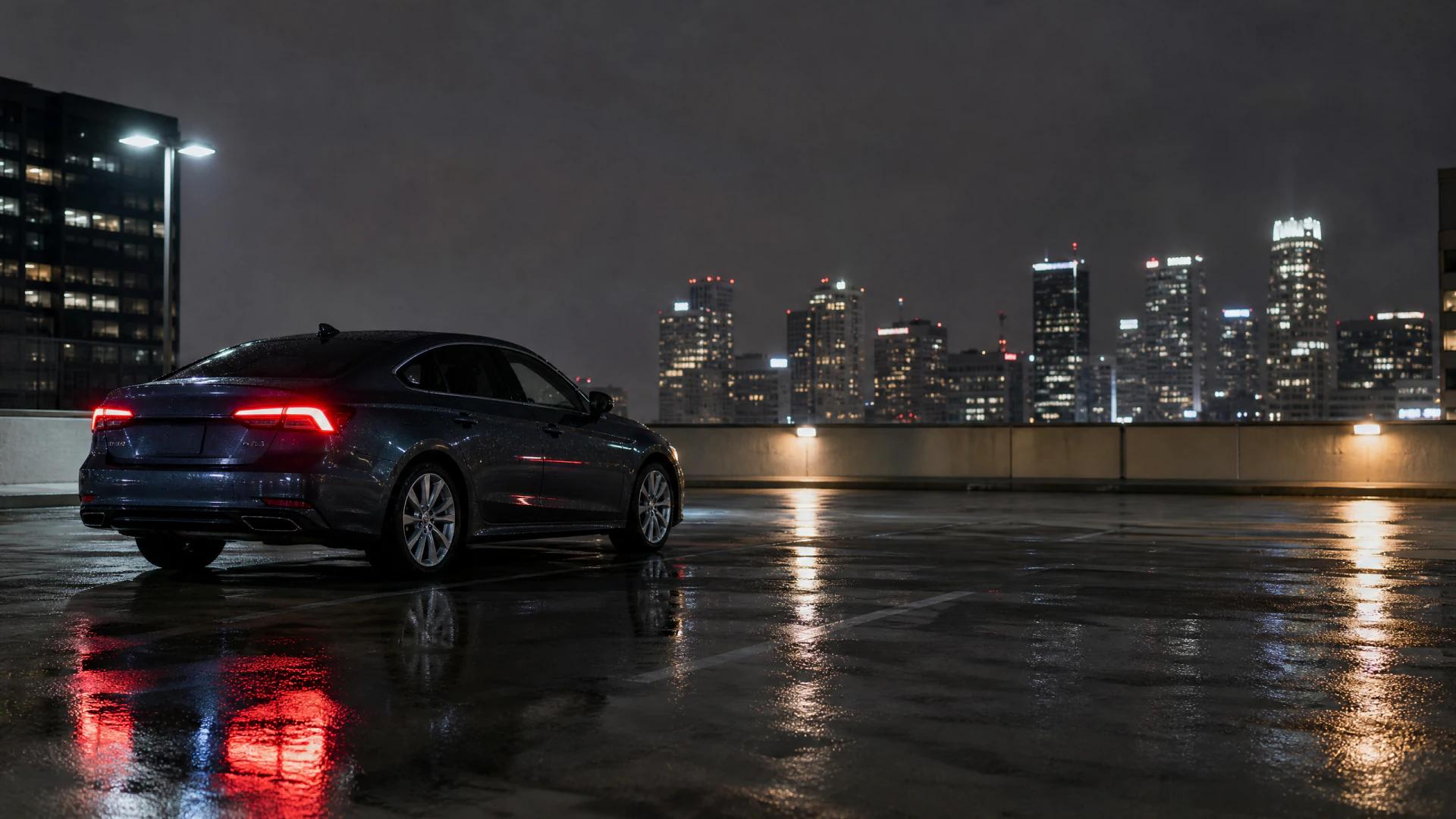
Texas carriers price ODL holders as suspended drivers even though court restrictions limit your annual mileage to a fraction of unrestricted drivers — that mismatch inflates your premium.
Related Articles
Non-Owner SR-22 for Texas ODL: Setup Without a Car
5/18/2026
Texas ODL Insurance: Non-Standard Carriers & Real Costs
5/18/2026

Texas Work Hardship License Insurance
5/29/2026
Cheapest Illinois Hardship License Insurance
5/29/2026
Ignition Interlock Insurance: Cost & Requirements
5/18/2026
Wisconsin Occupational License: Who Qualifies, Fee, How to Apply
5/18/2026
Carriers Writing ODL SR-22 in Texas
Not all carriers write SR-22 policies for suspended drivers. State Farm, Allstate, and several preferred-tier carriers declined to quote ODL holders in our 2024 survey. The carriers consistently writing SR-22 for Texas ODL holders include Dairyland, GAINSCO, Bristol West, Direct Auto, Progressive, Geico, The General, Acceptance Insurance, and National General.
Dairyland and GAINSCO specialize in non-standard auto and quote ODL holders online without broker intermediaries. Both write non-owner SR-22 policies and standard auto SR-22. Monthly premiums for non-owner SR-22 at Dairyland typically run $50–$75; GAINSCO quotes similar ranges. Bristol West requires broker contact but writes heavily in the suspended-driver market with competitive rates for DUI and points-related ODL cases.
Progressive and Geico write SR-22 for ODL holders but apply higher rate multipliers than non-standard specialists. A 35-year-old male ODL holder with a DUI suspension in Harris County quoted $165/month at Progressive versus $68/month at Dairyland for identical non-owner SR-22 coverage. The savings narrow when you own a vehicle and need standard auto coverage, but non-standard carriers still undercut preferred-tier writers by 20–40% for suspended drivers.
12 hours/day
Texas ODL Driving Cap
Texas law limits ODL holders to no more than 12 hours of driving in any 24-hour period regardless of how many essential needs your court order lists. Carriers price you as a suspended driver but your actual exposure is capped by statute at half a typical unrestricted driver's daily window.
Texas Transportation Code Chapter 521
Court-Defined Routes Don't Lower Your Premium
Your ODL court order specifies the routes and locations you're permitted to drive: work address, school campus, medical appointments, essential household duties. These restrictions reduce your actual mileage and exposure compared to unrestricted drivers, but carriers do not adjust premiums based on your specific court order terms. Rating algorithms classify you by suspension status, not by the narrowness of your driving restrictions.
Some ODL holders attempt to negotiate lower premiums by presenting court orders showing highly restrictive routes — home to one employer location only, for example. Carriers rarely adjust rates based on this documentation because they cannot verify compliance and because the administrative cost of customizing rates per court order outweighs the actuarial benefit. You're pooled with all suspended drivers in the carrier's book regardless of your individual restriction profile.
Compare Carriers Before You File SR-22
Premium spreads between carriers writing Texas ODL SR-22 policies run 60–120% for identical coverage. A $68/month non-owner SR-22 quote at Dairyland becomes $165/month at Progressive for the same 35-year-old male driver in Harris County. Shopping multiple carriers is the only reliable way to find the lowest rate for your specific suspension cause, age, county, and vehicle profile.
Request quotes from at least three non-standard carriers (Dairyland, GAINSCO, Bristol West) and two standard carriers writing SR-22 (Progressive, Geico). Provide identical coverage limits and accurate suspension details to each. Some carriers decline to quote certain suspension causes — GAINSCO writes heavily in the DUI market but may decline chronic points accumulators. Acceptance Insurance writes unpaid-fines suspensions that other carriers avoid. Matching your suspension profile to the carrier's underwriting appetite produces the lowest quotes. Once you select a carrier and they file SR-22 with DPS, you can present the filing confirmation to the court or directly to DPS to activate your ODL.
Non-Owner SR-22 Drops Your Premium Immediately
Non-owner policies provide liability coverage when you drive vehicles you don't own. The coverage follows you, not a specific vehicle, which makes it ideal for ODL holders driving employer trucks, borrowed family cars, or rental vehicles within court-defined restrictions. Texas accepts non-owner SR-22 filings for ODL holders as long as the policy meets state minimum liability limits: $30,000 bodily injury per person, $60,000 bodily injury per accident, $25,000 property damage.
Carriers writing non-owner SR-22 in Texas include Dairyland, GAINSCO, The General, Progressive, and USAA. Monthly premiums typically run $45–$85 for non-owner SR-22 versus $140–$220 for standard auto SR-22 policies covering an owned vehicle. The savings come from reduced exposure: non-owner policies assume lower annual mileage and exclude physical damage coverage since you're not insuring a specific vehicle. If you own a vehicle registered in your name, you cannot use a non-owner policy — Texas requires standard auto coverage with SR-22 endorsement.
Get Your Free Quote
Get My Hardship License QuoteFrequently Asked Questions
Does Texas require SR-22 for all Occupational Driver License holders?
Yes. Texas Transportation Code Section 601.153 requires SR-22 certificates of financial responsibility for every ODL holder regardless of suspension cause. DPS will not issue your physical ODL card until you present proof of SR-22 filing from a licensed carrier.
Can I use a non-owner SR-22 policy for my Texas ODL?
Yes, if you don't own a vehicle. Non-owner SR-22 policies provide liability coverage when driving borrowed or employer-owned vehicles and meet Texas ODL filing requirements at 40–60% lower premiums than standard auto policies. If you own a vehicle registered in your name, you must carry standard auto coverage with SR-22 endorsement.
How much does SR-22 insurance cost for Texas ODL holders?
Non-owner SR-22 policies typically cost $45–$85/month; standard auto SR-22 policies run $140–$220/month depending on suspension cause, age, county, and carrier. The SR-22 filing fee itself is $15–$35 annually. Premium spreads between carriers run 60–120% for identical coverage, making comparison shopping essential.
Which carriers write SR-22 for Texas Occupational Driver License holders?
Dairyland, GAINSCO, Bristol West, Direct Auto, The General, Progressive, Geico, Acceptance Insurance, and National General consistently write SR-22 policies for Texas ODL holders. Non-standard specialists like Dairyland and GAINSCO typically offer lower rates than preferred-tier carriers for suspended drivers.
Does my ODL court order's route restriction lower my insurance premium?
No. Carriers classify you by suspension status, not by the specific routes or time restrictions in your court order. Rating algorithms do not adjust premiums based on how narrow your driving restrictions are, even though restricted mileage reduces actual exposure compared to unrestricted drivers.
How long do I need SR-22 filing after getting an ODL in Texas?
Most ODL holders need SR-22 filing for 2 years from reinstatement date under Texas Transportation Code Section 601.153. DUI-related suspensions may require longer periods. Your court order specifies the exact SR-22 duration. The filing requirement continues after you regain full driving privileges until the mandated period expires.