Why Pennsylvania Hardship Insurance Costs Vary by County
You expected a statewide flat fee for Pennsylvania's Occupational Limited License application, but your county court's petition filing cost came back $200 higher than the county next door. Pennsylvania's OLL is a court-issued instrument under 75 Pa.C.S. § 1553, not a PennDOT administrative license—that means every county court of common pleas sets its own procedural fees, processing timelines, and documentation requirements. There is no statewide uniform fee schedule.
The insurance cost layer sits on top of that county variability. SR-22 filing is required for most suspension causes eligible for OLL, and Pennsylvania carriers writing policies for drivers with court-restricted licenses price risk differently depending on whether ignition interlock is court-ordered. DUI-triggered OLL petitions almost always carry an IID requirement; non-DUI petitions sometimes do not. That distinction changes your premium tier before you compare carriers.
Compare car insurance rates in your state
Get quotes from licensed carriers — no obligation, no spam, results in minutes.
Get Your Free QuotePennDOT Reinstatement Fee
$50
Pennsylvania charges a $50 restoration fee to reinstate your license after the OLL period ends and you satisfy all court conditions. This fee is separate from court petition costs and is paid to PennDOT directly, not the court.
PennDOT fee schedule
Pennsylvania Has Two Hardship Programs—Not One
Most states operate a single restricted-driving program. Pennsylvania runs two parallel systems that serve different suspension types and have different application paths. The Occupational Limited License (OLL) under 75 Pa.C.S. § 1553 is petitioned through your county court of common pleas and is available primarily for DUI offenders who have served their mandatory hard suspension period. The Ignition Interlock Limited License (IILL) under 75 Pa.C.S. § 3805 is applied for through PennDOT after your hard suspension expires and is also DUI-specific.
The cost and insurance implications differ. IILL applications go through PennDOT's online restoration portal and follow a standardized fee structure; OLL petitions are county-court filings with variable costs. Both require SR-22 and ignition interlock, but the IILL explicitly requires IID installation before approval, whereas OLL petitions sometimes result in court orders that do not mandate IID for lower-tier DUI offenses. If your suspension trigger is not DUI-related—points accumulation, unpaid fines, failure to appear—Pennsylvania does not offer a hardship remedy at all. You must resolve the underlying cause and reinstate normally.
This structural split is why cost shopping requires knowing which program you qualify for first. If you are searching for the cheapest hardship insurance in Pennsylvania after a DUI suspension, you are choosing between OLL and IILL based on your DUI tier and county court procedures—not just comparing carrier premium quotes.
Pennsylvania OLL is unavailable for administrative suspensions—points, uninsured violations, and unpaid fines do not qualify. If your suspension is non-DUI, there is no hardship pathway.
SR-22 Filing and Ignition Interlock Premium Impact
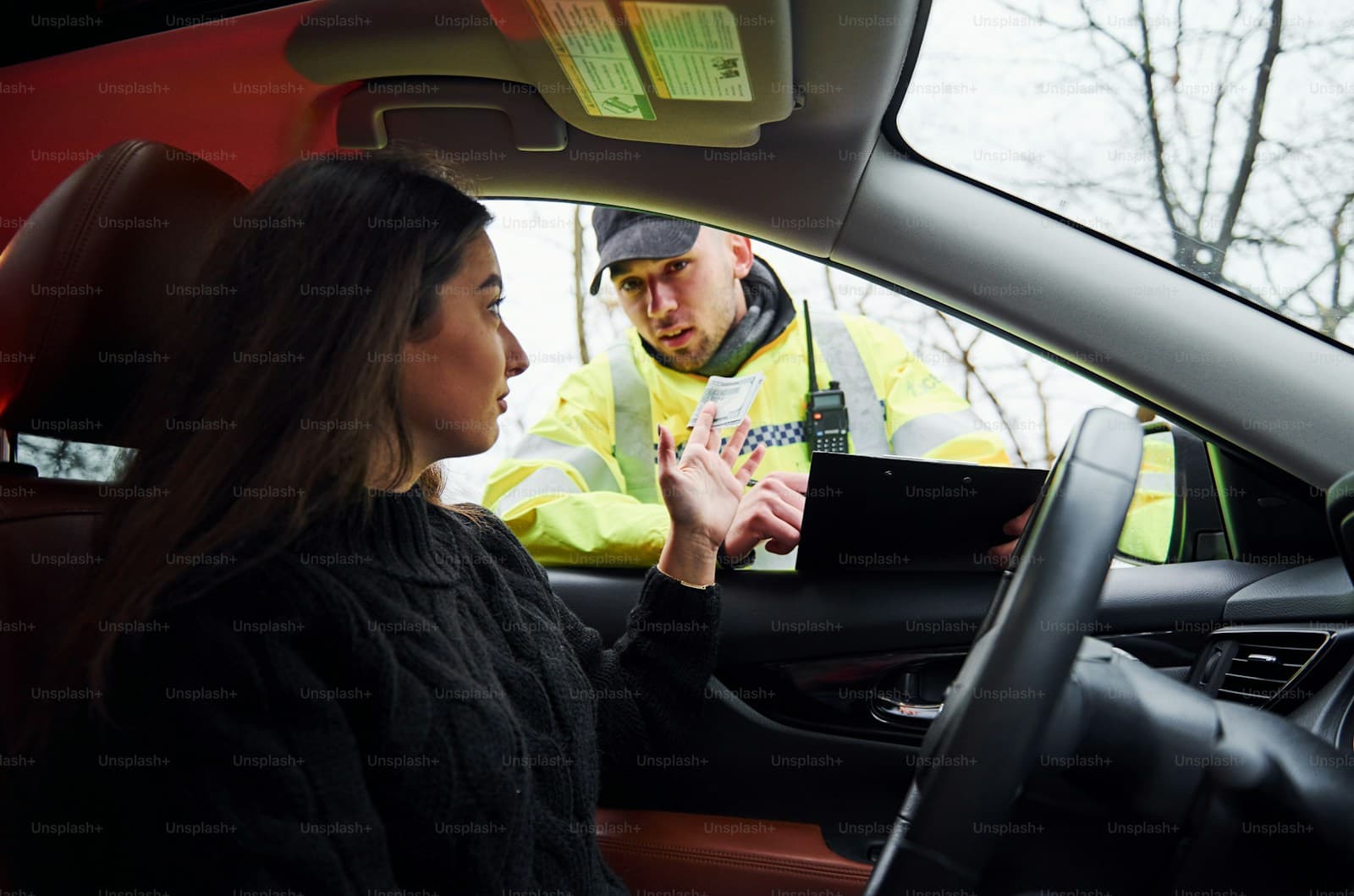
SR-22 is a certificate of financial responsibility your insurer files with PennDOT to prove you carry at least Pennsylvania's minimum liability limits: $15,000 per person, $30,000 per accident for bodily injury, and $5,000 for property damage. The SR-22 filing itself costs $15–$50 depending on the carrier, paid once at policy inception. The premium surcharge for carrying SR-22 status runs $20–$60 per month and persists for the full three-year filing period Pennsylvania requires after DUI-related suspensions.
Ignition interlock adds a separate premium layer because the device requirement changes your risk profile in the carrier's underwriting model. Policies written for IID-equipped vehicles typically add $30–$80 per month to your premium compared to non-IID SR-22 policies. The device rental itself costs $70–$120 per month and is paid to the IID vendor, not the insurer—that cost sits outside your insurance premium but must be budgeted alongside it. Combined, SR-22 plus IID coverage for Pennsylvania OLL or IILL applicants typically runs $85–$140 per month for minimum liability limits, depending on your county, age, and driving history tier.
Related Articles


Which Carriers Write OLL and IILL Policies in Pennsylvania
Not every carrier licensed in Pennsylvania will write a policy for a driver holding an Occupational Limited License or applying for an Ignition Interlock Limited License. Standard-tier carriers like Allstate, Erie, and State Farm rarely underwrite court-restricted licenses; when they do, the premium is prohibitively high because the risk falls outside their preferred underwriting bands. Non-standard and high-risk carriers dominate this segment.
Dairyland, Geico, Progressive, and Bristol West write SR-22 policies in Pennsylvania and will cover OLL and IILL applicants. Dairyland specializes in non-owner SR-22 policies for drivers who do not own a vehicle but need proof of financial responsibility to satisfy court OLL conditions. Progressive and Geico offer both owner and non-owner SR-22 filings and will layer ignition interlock coverage when required. Bristol West writes high-risk policies across Pennsylvania and accepts OLL applicants but requires ignition interlock documentation before binding coverage.
The cheapest carrier for your specific OLL or IILL situation depends on whether you own a vehicle, whether your court order requires IID, and your county of residence. A non-owner SR-22 policy with no IID requirement from Dairyland typically runs $50–$80 per month. An owner policy with IID coverage from Progressive or Geico runs $100–$140 per month for minimum limits. County-level underwriting adjustments mean Philadelphia and Allegheny County residents pay 15–25% more than rural county applicants for identical coverage.
Pennsylvania SR-22 Filing Period
3 years
Pennsylvania requires SR-22 filing for three years following DUI-related license reinstatement. The three-year clock starts when you reinstate your full license after completing your OLL or IILL period—not when you first file for the court-restricted license. Canceling your SR-22 policy before the three-year period expires triggers automatic re-suspension.
75 Pa.C.S. § 1786
County Court Petition Costs and Processing Timelines
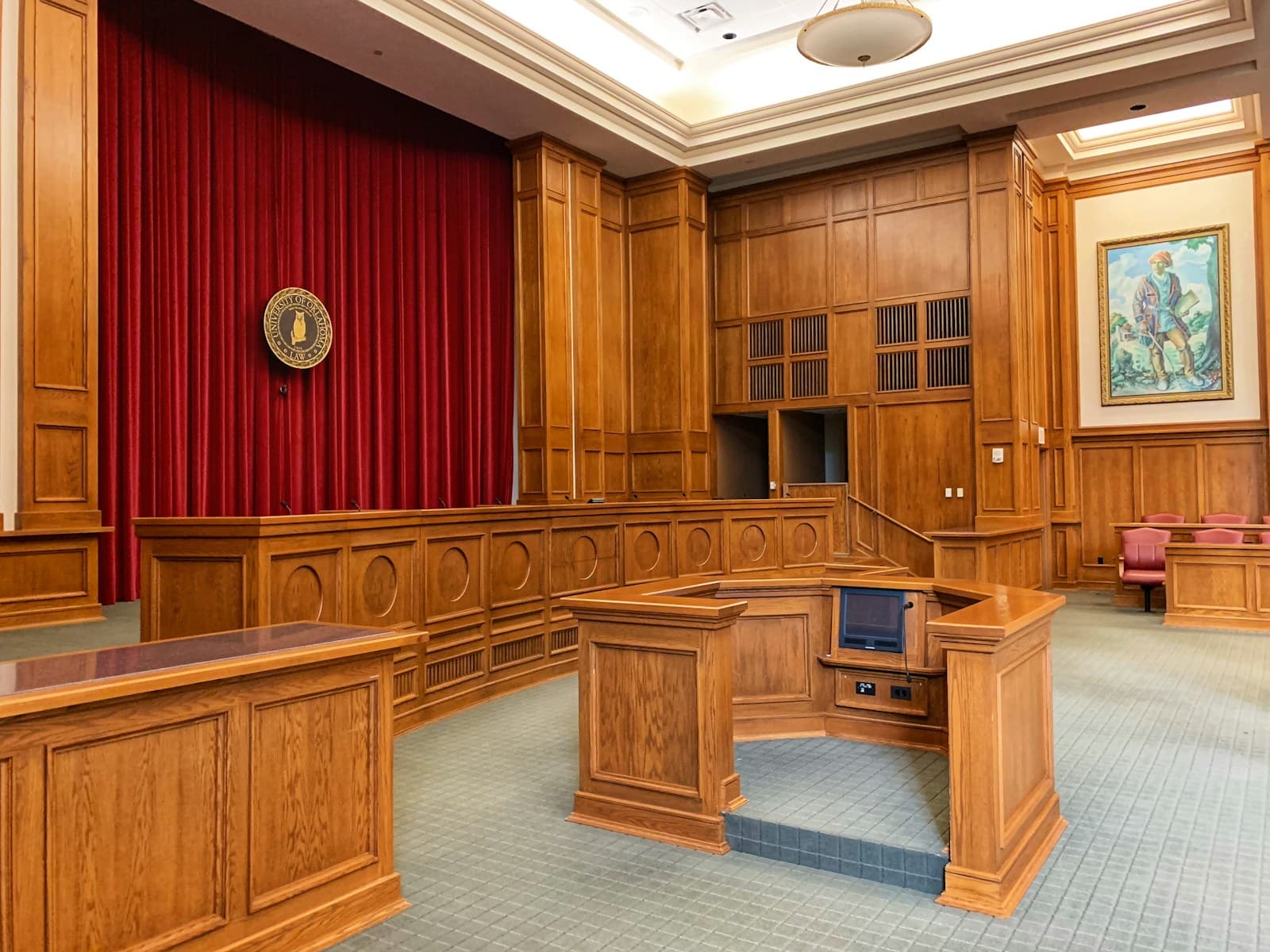
Because Pennsylvania's OLL is a court-issued instrument, your total upfront cost includes both the court petition filing fee and the insurance premium. Court fees vary significantly by county. Philadelphia County's court of common pleas charges approximately $300 for OLL petition filing and processing; Allegheny County charges closer to $200; rural counties like Centre or Lycoming often charge $100–$150. These fees are paid to the court clerk when you file your petition and are non-refundable even if the court denies your petition.
Processing timelines also vary by county court calendar volume. Urban county courts schedule OLL hearings 4–8 weeks after petition filing; rural counties often schedule within 2–4 weeks. You cannot drive under OLL authority until the court grants your petition and issues the order—insurance coverage must be bound before the hearing, but the policy does not authorize driving until the court order is signed. Budget 6–10 weeks from petition filing to court-authorized driving in most Pennsylvania counties.
Compare Pennsylvania OLL Carriers Now
The county you file in, the DUI tier on your record, and whether your court order requires ignition interlock determine which carrier offers the lowest total cost for your Pennsylvania Occupational Limited License insurance. Non-owner SR-22 policies cost less than owner policies; policies without IID requirements cost less than IID-layered coverage. Start by confirming your OLL or IILL eligibility through your county court or PennDOT, then request quotes from Dairyland, Geico, Progressive, and Bristol West specifying your court-restricted license status and IID requirement. Binding coverage before your court hearing ensures you can drive immediately once the judge signs your OLL order—delaying the insurance step adds weeks to your timeline and increases the risk of missing the court-imposed coverage deadline.