West Virginia's restricted license program requires pre-approved routes and mandatory ignition interlock—but most applicants miss that the court or DMV defines permissible destinations in the order, not just general categories. Route violations trigger immediate revocation.
What the Restricted License Order Actually Authorizes
West Virginia's restricted license order specifies exact addresses and permissible destinations—not general permission to drive anywhere within a category like "work" or "medical appointments." The Division of Motor Vehicles or the issuing court lists approved routes between your home address and specific named locations: your employer's physical address, your child's school address, or your physician's office address. Driving to a different grocery store, stopping at a pharmacy on the way home from work, or detouring to pick up a family member without prior approval violates the restriction even if the purpose seems reasonable.
Most restricted license revocations in West Virginia stem from drivers treating category labels as blanket permission. The order says "employment," so drivers assume any work-related errand qualifies. It does not. If your employer asks you to pick up supplies at a different location, that stop requires a formal amendment to your restricted license order before you drive there. Law enforcement stops result in immediate suspension when your GPS location does not match an approved route, even if you are mid-commute to an approved destination.
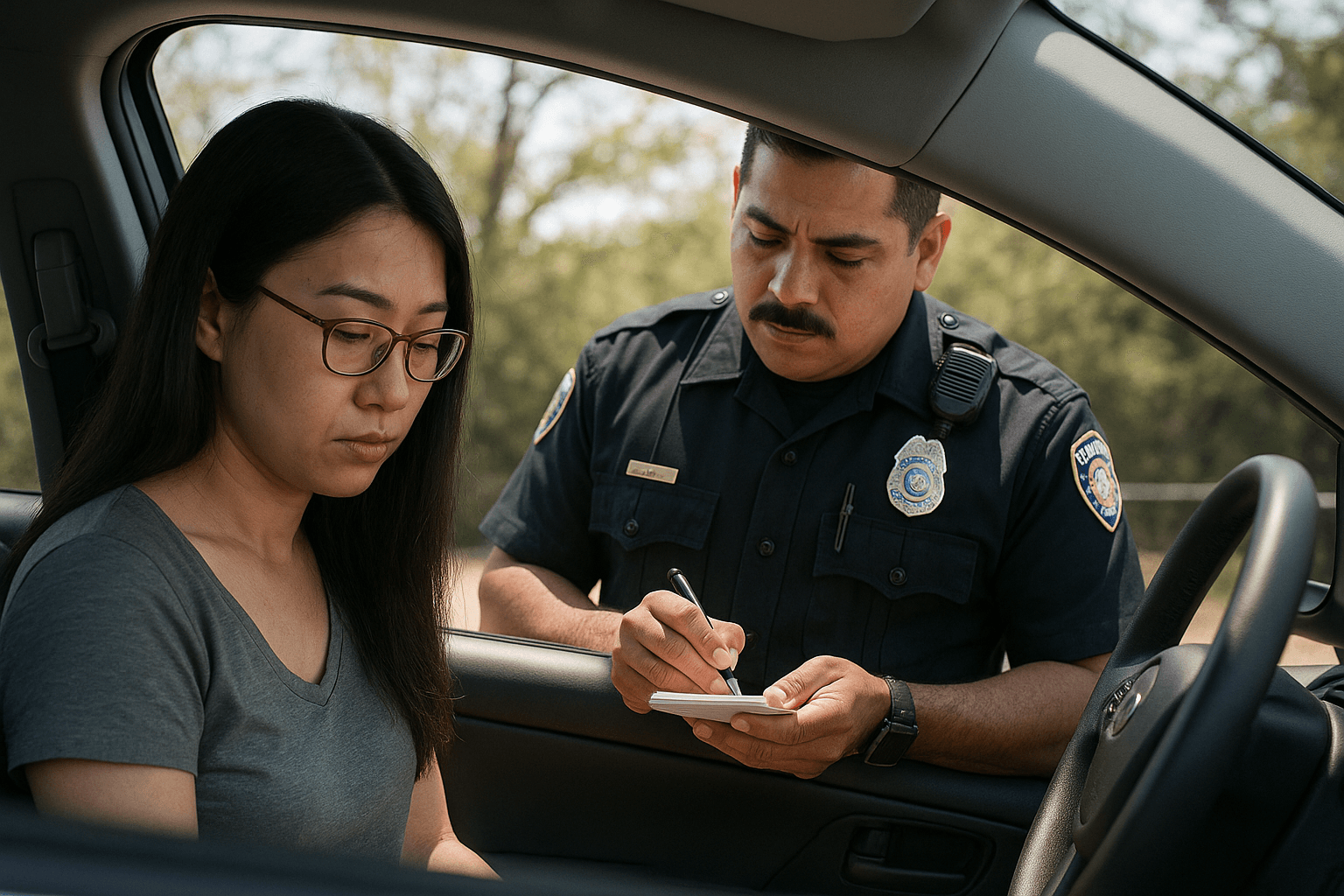
West Virginia Code §17B-3-6 grants the DMV and circuit courts authority to impose "such restrictions and conditions as deemed necessary," and both agencies interpret this strictly. Your restricted license documentation includes a schedule of approved times and routes. Carry this documentation every time you drive. Officers verify compliance by comparing your current location, time of day, and stated destination against the written order during traffic stops.
Ignition Interlock Requirement for DUI-Related Restricted Licenses
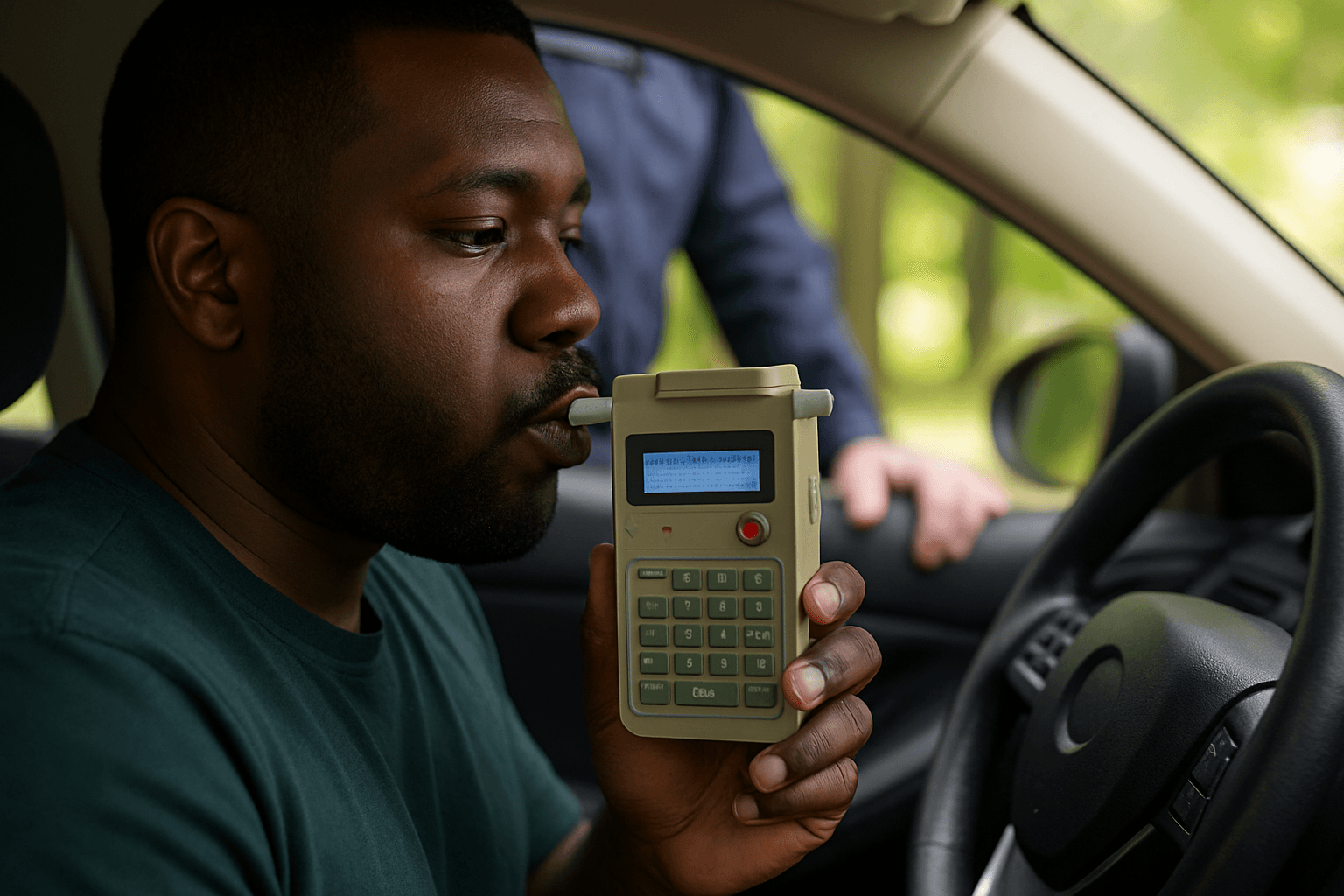
West Virginia law requires ignition interlock installation as a condition of any DUI-related restricted license through the state's Alcohol Test and Lock Program (ATLP). First-offense DUI offenders must serve approximately 15 days of hard suspension before becoming eligible to apply for a restricted license with interlock. The ATLP device logs every start attempt, every failed breath test, and every missed rolling retest. Monthly monitoring reports go directly to the DMV and the court that issued your restricted license.
Device violations trigger automatic restricted license revocation without a hearing. Common violation triggers: two failed start attempts within a 30-day period, one missed rolling retest while the vehicle is in motion, tampering with the device wiring, or allowing another person to provide a breath sample. The ATLP provider reports violations to the DMV within 48 hours. The DMV issues a suspension notice immediately. Most drivers discover their restricted license has been revoked when they attempt to start their vehicle and the interlock displays a lockout message.
Installation costs in West Virginia typically run $75–$150, with monthly monitoring fees of $60–$90. The total cost over a one-year restricted license period approaches $900–$1,200 for interlock alone, separate from the restricted license application fee, SR-22 filing costs, and increased insurance premiums. Budget for the full stack before applying—incomplete interlock payments result in service disconnection, which the DMV treats as a device tampering violation.
Compare car insurance rates in your state
Get quotes from licensed carriers — no obligation, no spam, results in minutes.
Get Your Free Quote✓ No Obligation Required✓ Licensed Carriers Only✓ Available Nationwide✓ Free to Compare
Required Documentation for West Virginia Restricted License Application
West Virginia restricted license applications require proof of the specific need—not self-certification, but third-party documentation. Employment verification must come from your employer on company letterhead, signed by a supervisor or HR representative, listing your job title, work address, scheduled days and hours, and a statement that alternative transportation is unavailable or impractical. A letter from a family member saying "they need to drive to work" does not meet the standard. The DMV rejects applications with insufficient employer documentation without refund of the application fee.
Medical necessity requires a physician's letter on medical practice letterhead, describing the specific condition requiring regular treatment, the treatment facility's address, and the frequency of required appointments. The physician must state why public transportation, rideshare services, or family assistance cannot meet the medical need. Generic letters referencing "ongoing care" without appointment frequency or facility address result in application denial.
SR-22 insurance certification must be on file with the West Virginia DMV before the restricted license application is processed. Most DUI suspensions and uninsured motorist suspensions trigger SR-22 requirements. The insurance carrier files the SR-22 electronically, but processing takes 3–7 business days to appear in the DMV system. Applicants who submit restricted license paperwork before SR-22 confirmation appears in the system receive rejection notices. Verify SR-22 filing status by calling the DMV directly at 304-558-3900 before mailing your application packet.
Application Path: DMV Administrative vs. Circuit Court Petition
West Virginia restricted license applications follow one of two paths depending on suspension type and offense history. Administrative suspensions for first-offense DUI, insurance lapses, and points accumulation route through the DMV's administrative process. You submit Form DMV-46-AR (Application for Restricted License), employer or medical documentation, proof of SR-22 filing, payment of the $50 reinstatement fee, and the restricted license application fee directly to the West Virginia Division of Motor Vehicles at 1800 Kanawha Boulevard East, Building 3, Charleston, WV 25317. Processing takes 10–21 business days if all documentation is complete.
Multi-offense DUI suspensions, habitual offender revocations under WV Code §17B-3-6, and fraud-related license actions require a circuit court petition. You file a petition for restricted driving privileges with the circuit court in the county where you reside, not the county where the offense occurred. The court schedules a hearing. You must appear in person. The judge evaluates your documentation, your suspension history, and any objections from the prosecuting attorney. Approval is discretionary. Judges frequently deny restricted license petitions when the applicant has prior restricted license violations, unpaid court fines, or a suspension period shorter than six months remaining.
Court petition filing fees vary by county but typically range $50–$150, separate from attorney fees if you hire representation. Most restricted license hearings last 10–15 minutes. Bring originals of all documentation: employer letters, medical records, SR-22 proof, proof of interlock installation (if applicable), and a proposed route schedule listing specific addresses and times. Judges issue orders at the hearing or within 5–10 business days by mail.
Route and Time Restrictions: What the Order Actually Permits
West Virginia restricted license orders specify approved routes by listing origin and destination addresses, permissible travel days, and permissible travel hours. A typical order reads: "Permissible routes: Monday through Friday, 7:00 AM to 8:00 AM and 4:30 PM to 5:30 PM, between 1425 Maple Street, Charleston, WV 25301 (residence) and 500 Virginia Street East, Charleston, WV 25301 (employer address). Saturday 9:00 AM to 11:00 AM, between 1425 Maple Street and 200 Capitol Street, Charleston, WV 25301 (medical provider)." Driving outside these windows, to unlisted addresses, or on unauthorized days violates the restriction even if the purpose aligns with an approved category.
Amending a restricted license order requires filing a formal request with the issuing authority—the DMV for administrative suspensions, the circuit court for judicially issued restricted licenses. Most drivers discover they need an amendment when their employer changes shifts, their medical provider relocates, or a family emergency requires temporary address additions. DMV amendments take 7–14 business days and require updated documentation from the employer or medical provider. Court amendments require a new hearing, which may take 30–60 days to schedule depending on the court's docket.
Law enforcement officers in West Virginia have access to restricted license records through the state's electronic verification system. During a traffic stop, the officer pulls your driving record and sees your approved route schedule. If your current location does not match an approved route at an approved time, the officer issues a citation for driving on a suspended license under WV Code §17B-2-9. That charge carries a mandatory $100–$500 fine and potential jail time up to six months. Your restricted license is revoked immediately, and you return to full suspension status with no credit for time already served on the restriction.
SR-22 Filing and Insurance Requirements During Restriction
West Virginia requires SR-22 filing for most restricted license applicants, particularly DUI suspensions and uninsured motorist suspensions. The SR-22 certificate is not insurance—it is a financial responsibility filing that your insurance carrier submits to the DMV confirming you carry at least the state minimum liability coverage: $25,000 bodily injury per person, $50,000 bodily injury per accident, and $25,000 property damage. The carrier charges an SR-22 filing fee, typically $15–$50, and monitors your policy continuously. If you miss a payment or cancel coverage, the carrier files an SR-26 cancellation notice with the DMV within 10 days. The DMV suspends your restricted license immediately upon receiving the SR-26.
Non-owner SR-22 policies cover drivers who do not own a vehicle but need to meet SR-22 requirements during a restricted license period. This applies when you sold your vehicle after suspension, when you drive a family member's car under your restricted license, or when your employer provides a company vehicle. Non-owner policies in West Virginia typically cost $30–$60 per month for minimum liability limits. Standard owner SR-22 policies for restricted license holders with DUI suspensions average $140–$210 per month, roughly double the cost of clean-record liability coverage.
SR-22 filing duration in West Virginia is three years for DUI suspensions, measured from the date the SR-22 is filed, not from the date of conviction or the date your full license is reinstated. Drivers often assume SR-22 filing ends when the restricted license converts to a full license, but the three-year clock continues. Canceling SR-22 coverage before the full duration triggers a new suspension and restarts the reinstatement process. Verify your SR-22 end date with your carrier before making coverage changes.
What Happens When You Violate Restricted License Terms
Restricted license violations in West Virginia result in immediate revocation and return to full suspension status. The DMV does not issue warnings or grace periods. Common violation triggers: driving outside approved routes, driving outside approved time windows, failed interlock tests, missed interlock calibration appointments, allowing another person to drive your interlock-equipped vehicle, and any new traffic citation during the restricted license period. Each violation type restarts the suspension clock. Time already served on the restricted license does not count toward your original suspension period.
Drivers cited for driving on a suspended license during a restricted license period face criminal charges under WV Code §17B-2-9. First-offense convictions carry fines of $100–$500 and potential jail time up to six months. Second and subsequent offenses within a ten-year period are classified as misdemeanors with mandatory minimum jail sentences of one day and maximum sentences of six months. The conviction also adds points to your driving record, which may trigger additional DMV action independent of the restricted license revocation.
Reinstating a restricted license after revocation requires a new application, new documentation, and payment of a new reinstatement fee. The DMV treats the second application with heightened scrutiny. Judges reviewing second petitions frequently deny restricted privileges entirely, particularly when the violation involved route non-compliance or interlock failure. Habitual offender status under WV Code §17B-3-6 applies when you accumulate three or more serious traffic offenses within a five-year period. Habitual offender revocation lasts ten years and is not eligible for restricted driving privileges except in extraordinary circumstances.