West Virginia's restricted license requires court approval for most suspensions, but the Alcohol Test and Lock Program bypasses the hearing for DUI cases. Knowing which path your suspension takes determines whether you apply through DMV or circuit court.
Does West Virginia Offer a Hardship License Program?
West Virginia calls it a Restricted License, and eligibility depends entirely on what triggered your suspension. If you were suspended for DUI, you apply through the Alcohol Test and Lock Program (ATLP), which is an administrative pathway managed by the DMV—no court hearing required after you serve the initial hard suspension period. For non-DUI suspensions like points accumulation or unpaid fines, you must petition circuit court for restricted driving privileges, and the judge decides whether your circumstances justify the exception.
The ATLP is West Virginia's primary mechanism for restoring limited driving privileges after DUI administrative license revocation under WV Code §17C-5A-3. First-offense DUI offenders typically serve approximately 15 days of hard suspension before becoming eligible for ATLP enrollment, though the exact duration should be confirmed against current statutory rules. Once enrolled, you receive a restricted license that requires ignition interlock installation on any vehicle you operate.
For non-DUI suspensions—uninsured driving, points accumulation from traffic violations, or failure to pay fines—WV Code §17B-3-6 governs restricted license issuance. These cases require a formal petition to circuit court in the county where you reside. The judge evaluates whether you have a legitimate hardship (employment, medical care, education) and whether granting restricted privileges serves public safety. Not every petition is approved, and the judge sets the specific routes and time windows you're allowed to drive.
What Documentation Does the DMV or Court Require for Application?
For ATLP enrollment after DUI suspension, the DMV requires proof of enrollment in an Alcohol Test and Lock Program provider, proof of ignition interlock installation from a state-certified vendor, and an SR-22 certificate of financial responsibility from your insurer. You also pay the reinstatement fee ($50 base fee plus a separate DUI-specific reinstatement fee) and any outstanding fines or court costs tied to the DUI conviction.
For court-petitioned restricted licenses (non-DUI cases), you submit a petition to circuit court that includes proof of hardship—typically a letter from your employer on company letterhead stating your work address, schedule, and confirmation that public transit is unavailable or impractical. If your restricted license is for medical appointments, you include a letter from your physician or treatment provider detailing appointment frequency and location. You also file proof of insurance (SR-22 if required for your suspension type), proof that you've completed any court-ordered programs (traffic school, community service), and receipts showing you've paid outstanding fines.
The court petition must specify the exact routes you need—home address to work address, home to medical facility, home to childcare provider. Judges deny petitions when the route documentation is vague or incomplete. You cannot request blanket driving privileges for errands, grocery shopping, or personal business—West Virginia restricted licenses are limited to named destinations tied to your documented hardship. If your circumstances change (new job, different work address, additional medical provider), you must file an amended petition with the court before driving the new route.
Compare car insurance rates in your state
Get quotes from licensed carriers — no obligation, no spam, results in minutes.
Get Your Free Quote✓ No Obligation Required✓ Licensed Carriers Only✓ Available Nationwide✓ Free to Compare
How Much Does the West Virginia Restricted License Cost?
The base reinstatement fee is $50, but DUI-related suspensions carry an additional DUI reinstatement fee on top of the base amount. As of current WV DMV fee schedules, total reinstatement costs for DUI cases can exceed $200 when you include administrative fees, ignition interlock service fees, and SR-22 filing fees. For non-DUI court-petitioned restricted licenses, you pay the $50 reinstatement fee plus circuit court filing fees (typically $150–$250 depending on county) and attorney fees if you hire counsel to draft and argue your petition.
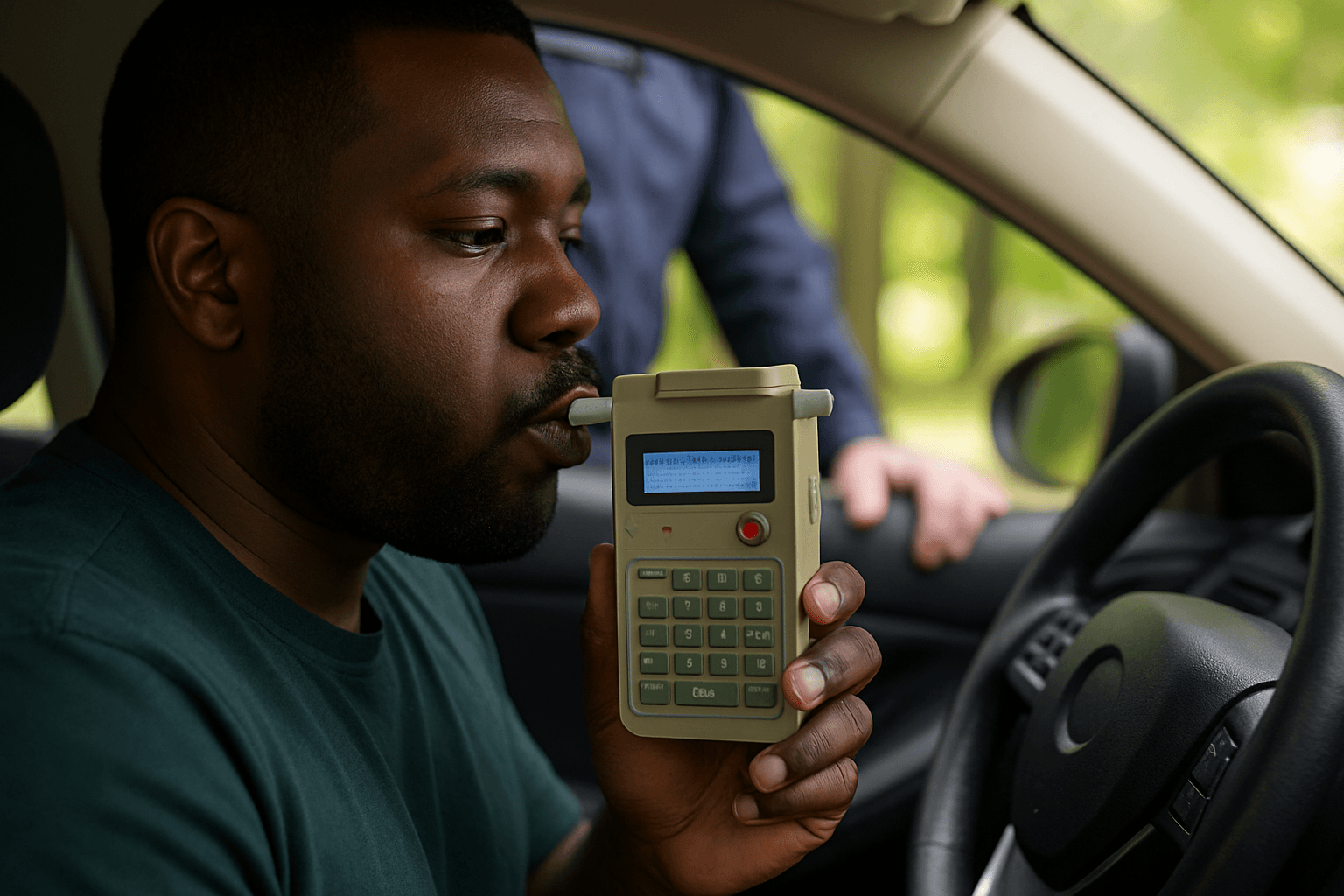
Ignition interlock installation costs approximately $100–$150, and monthly lease and calibration fees run $70–$90. If you're required to maintain the device for the full three-year DUI SR-22 filing period, total ignition interlock costs exceed $2,500. SR-22 filing itself costs $15–$50 as a one-time fee (varies by carrier), but the larger cost is the premium increase for carrying SR-22-required liability insurance. Drivers with DUI suspensions typically see monthly premium increases of $80–$140 compared to standard rates, resulting in an additional $3,000–$5,000 over the three-year filing period.
For points-based or uninsured-driving suspensions, SR-22 may still be required depending on the specific violation. Uninsured motorist suspensions typically require SR-22 for one to three years, while points accumulation suspensions sometimes do and sometimes don't—check your suspension notice for the SR-22 requirement line. If SR-22 is not required, you avoid the filing fee and premium surcharge, but you still need continuous liability coverage at West Virginia's minimum limits: $25,000 per person / $50,000 per accident for bodily injury, and $25,000 for property damage.
What Routes and Time Windows Are Allowed on a Restricted License?
West Virginia restricted licenses specify defined routes between your home and approved destinations: work, medical appointments, court-ordered programs, and school. The DMV or court order lists your home address, your work address, and any intermediate stops (childcare drop-off, for example). You are permitted to drive only between these named locations during the hours required for the activity. If you work Monday through Friday 7 a.m. to 4 p.m., your restricted license allows travel to work during that window—not weekend trips, not evening errands, not visits to friends or family.
For medical appointments, you must carry documentation of the appointment (a printed appointment card or confirmation letter) while driving. If you're pulled over en route to a medical appointment that isn't listed on your restricted license paperwork, the stop counts as a violation even if the appointment is legitimate. Update your court order or DMV record before driving to any new provider or location.
ATLP restricted licenses for DUI cases allow the same limited routes, but because ignition interlock is installed on your vehicle, every trip is logged. The interlock device records every ignition attempt, every failed breath test, and every rolling retest. If you drive outside your permitted hours or to destinations not listed on your restricted license, the violation is recorded in the device log. The DMV reviews ignition interlock data periodically, and violations can result in extension of your interlock requirement or revocation of your restricted license.
How Long Does Ignition Interlock Stay on Your Vehicle?
West Virginia Code §17C-5A requires ignition interlock as a condition of any post-DUI restricted or reinstated license, and the duration depends on your offense count. First-offense DUI typically requires ignition interlock for the full period of your license revocation—often one year—but the device must remain installed until you complete the SR-22 filing period and receive written confirmation from the DMV that you're eligible for full unrestricted reinstatement. For second and subsequent DUI offenses, the interlock requirement extends to three years or longer.
The interlock requirement is separate from your restricted license period. You may serve six months on a restricted license but still be required to keep the interlock device installed after your full driving privileges are restored. Until the DMV sends you a formal release letter, the interlock must stay on your vehicle. Removing the device early is a separate violation that triggers a new suspension.
If you violate interlock program rules—failed rolling retest, tamper alert, circumvention attempt, or skipped calibration appointment—the DMV extends your interlock requirement by additional months or revokes your restricted license entirely. Each program violation adds time. If your employer allows you to drive a company vehicle for work purposes, that vehicle must also have ignition interlock installed unless your employer applies for and receives a specific exemption through the DMV. Most employers do not pursue exemptions, which means ATLP-enrolled drivers either install interlock on the company vehicle or lose their restricted work-driving privilege.
What Happens If You Violate Restricted License Terms?
Driving outside your permitted routes, driving during unauthorized hours, or driving without required SR-22 coverage results in immediate revocation of your restricted license. You do not receive a warning. You return to full suspension status, and you must wait until your original suspension period expires before reapplying for any restricted privileges. In many cases, the court or DMV will deny a second restricted license application after a violation, meaning you serve the remainder of your suspension without any driving privileges.
For ATLP-enrolled drivers, ignition interlock violations are treated as program violations. Failed breath tests, missed calibration appointments, or tamper alerts reported by the device trigger administrative action by the DMV. Depending on the severity and frequency of violations, the DMV may extend your interlock requirement, suspend your restricted license, or require you to restart the ATLP enrollment process. Accumulating multiple violations within a short period signals non-compliance and often results in loss of restricted privileges for the remainder of your suspension term.
If you're stopped by law enforcement while driving on a restricted license, you must produce your restricted license paperwork, proof of SR-22 insurance, and ignition interlock compliance documentation (for ATLP cases). If you cannot produce these documents, the officer may issue a citation for driving on a suspended or revoked license, which is a criminal offense in West Virginia. That charge carries its own penalties—fines, possible jail time, and extension of your suspension period—in addition to the loss of your restricted license.
How Do You Get SR-22 Insurance for a Restricted License?
SR-22 is not a separate insurance policy. It's a certificate your insurer files electronically with the West Virginia DMV to confirm you're carrying at least the state's minimum liability limits. If your suspension notice states SR-22 is required, contact a licensed auto insurer that writes high-risk policies in West Virginia and ask for SR-22 filing. The insurer adds the SR-22 endorsement to your liability policy and files the certificate with the DMV, typically within 24 to 48 hours.
If you don't own a vehicle but need a restricted license to drive an employer's vehicle or a family member's car, you purchase a non-owner SR-22 policy. Non-owner policies provide liability coverage when you drive vehicles you don't own, and the SR-22 filing satisfies the DMV's financial responsibility requirement. Monthly premiums for non-owner SR-22 typically run $40–$70, significantly lower than standard owner policies because the insurer assumes less risk.
SR-22 must remain active and on file with the DMV for the entire filing period—one year for most uninsured-driving suspensions, three years for DUI cases. If your policy lapses or is canceled for non-payment, your insurer notifies the DMV electronically within 24 hours, and the DMV suspends your license again immediately. You do not receive a grace period. Reinstating after an SR-22 lapse requires paying a new reinstatement fee, re-filing SR-22, and in some cases serving an additional suspension period.