Washington eliminated traditional hardship licenses and replaced them with the Ignition Interlock License—a DUI-only pathway that leaves points-based, uninsured, and unpaid-fine suspensions with no restricted driving option.
Why Washington's Ignition Interlock License Exists Only for DUI Suspensions
Washington replaced traditional occupational licenses with the Ignition Interlock License (IIL) under RCW 46.20.385. The IIL is structured as a DUI-specific pathway: it allows unrestricted driving anywhere at any time, but only in vehicles equipped with a DOL-approved ignition interlock device. The state legislature designed this system to eliminate route and time restrictions while imposing technology-based accountability.
Points-based suspensions, unpaid-fine suspensions, and uninsured-driving suspensions have no hardship license pathway in Washington. Drivers suspended for these causes must serve the full suspension period. No alternative restricted license exists. The DOL does not process hardship applications for non-DUI causes—submitting one wastes time and the $100 application fee.
This binary eligibility structure means Washington's hardship system is narrower than most states. Florida, Texas, and Georgia allow hardship licenses for employment purposes across all suspension causes. Washington does not. If your suspension stems from a cause other than DUI or physical control, your only legal option is to wait out the suspension period or pursue reinstatement if eligible.
How the Ignition Interlock License Application Works for DUI Cases
The IIL application is processed through the Washington Department of Licensing, not the courts. You submit a completed application, proof of ignition interlock device installation from a DOL-approved provider, SR-22 insurance filing, and a $100 application fee. The DOL verifies that you have no other outstanding suspensions that would disqualify you.
First-offense DUI administrative suspensions triggered by BAC test failure may allow immediate IIL eligibility—day one of the suspension in some cases. Refusal cases face longer administrative suspension periods before IIL eligibility opens. RCW 46.20.3101 governs implied consent suspensions: 90 days for test failure, one year for refusal. The hard suspension period before IIL eligibility varies by offense type and prior history, not by a universal calendar window.
Once approved, the IIL functions as a full license with one restriction: you must drive a vehicle equipped with a DOL-approved ignition interlock device. No route limits. No time-of-day restrictions. No employer verification forms. The device itself is the enforcement mechanism. Violating this condition—driving a non-IID vehicle or tampering with the device—triggers automatic revocation without warning.
Compare car insurance rates in your state
Get quotes from licensed carriers — no obligation, no spam, results in minutes.
Get Your Free Quote✓ No Obligation Required✓ Licensed Carriers Only✓ Available Nationwide✓ Free to Compare
What Happens When You're Suspended for Points, Unpaid Fines, or No Insurance
Washington does not offer hardship licenses for points-based, unpaid-fine, or uninsured-driving suspensions. The DOL will not accept your application. These suspension types require full compliance before reinstatement: pay the outstanding fines, satisfy the judgment, or provide proof of insurance and pay the reinstatement fee.
The reinstatement base fee is $75, though additional cause-specific fees stack on top of this. Uninsured-driving suspensions require SR-22 filing for typically three years after reinstatement. Points-based suspensions do not require SR-22 unless another violation triggered that requirement separately. Child support arrears and failure-to-appear suspensions also have no hardship pathway—you must resolve the underlying compliance issue.
Drivers suspended for these causes often discover the IIL restriction only after paying attorneys to file hardship petitions. Washington's DOL does not process those petitions. No hearing is scheduled. The application fee is not refunded. Verify your suspension cause through your DOL suspension notice before spending money on a pathway that does not exist.
SR-22 Insurance Filing Requirements for Ignition Interlock Licenses
All IIL applicants must file SR-22 insurance with the Washington DOL before the license is issued. The SR-22 is a certificate your insurer submits directly to the state, verifying you carry at least Washington's minimum liability coverage: $25,000 per person, $50,000 per accident, $10,000 property damage. The filing itself costs $25 to $50 depending on the carrier. The premium increase varies widely by carrier, driving history, and county.
Typical SR-22 premium increases for DUI suspensions range from $40 to $120 per month above standard rates. Some carriers refuse to write SR-22 policies for DUI filers. Others specialize in high-risk filings and price competitively. Comparing quotes from multiple carriers before committing to an IIL installation plan is financially prudent—the SR-22 filing duration for DUI-related reinstatements in Washington is typically three years.
If you do not own a vehicle, non-owner SR-22 insurance satisfies the filing requirement. Non-owner policies provide liability coverage when you drive a vehicle you do not own. Premiums are lower than standard SR-22 policies because no physical vehicle is insured. You still need an ignition interlock device installed in any vehicle you drive—the non-owner policy does not exempt you from the IID requirement.
Ignition Interlock Device Costs and Installation Requirements
The ignition interlock device must be installed by a DOL-approved provider. Installation costs range from $70 to $150. Monthly lease fees for the device run $60 to $90. Calibration appointments occur every 30 to 60 days and cost $20 to $40 per visit. Over a typical three-year IIL period, total IID costs range from $2,500 to $4,000.
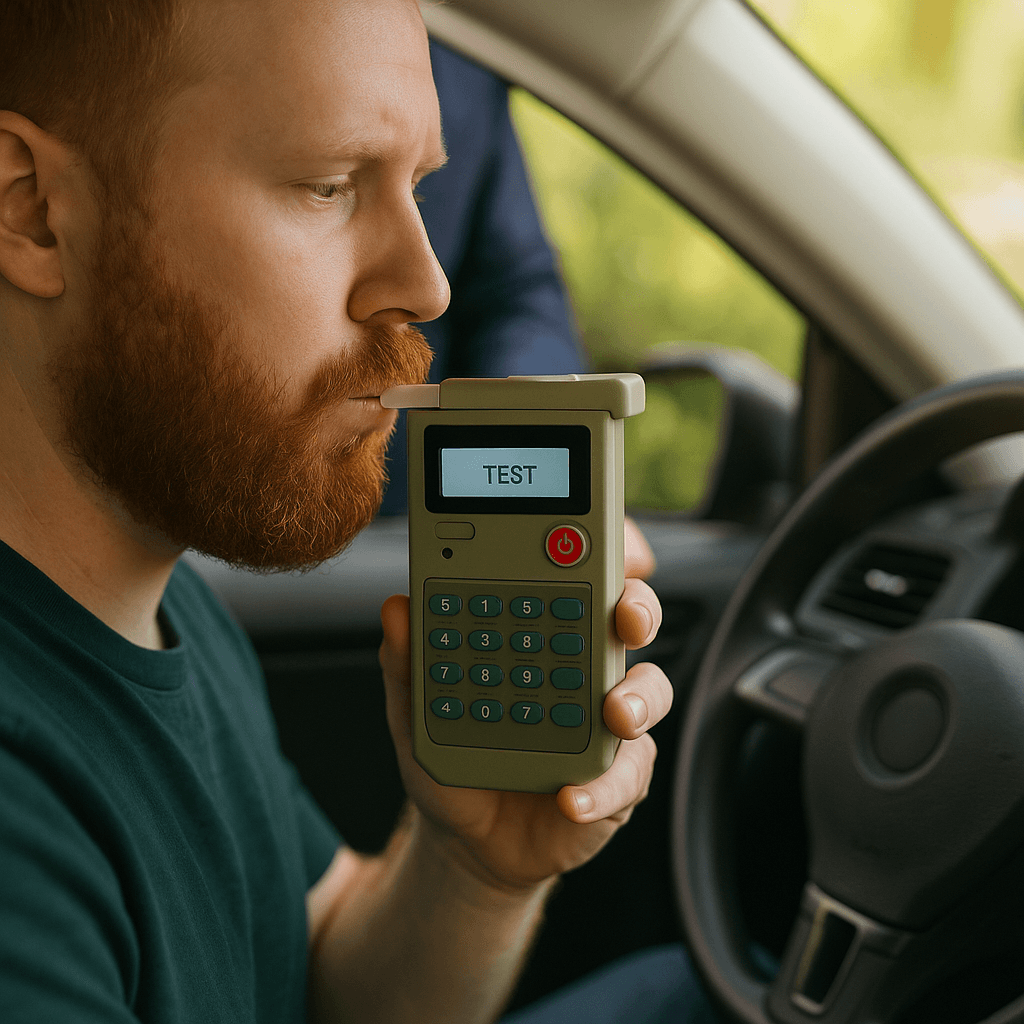
The device logs every breath test: passed, failed, and skipped. The data downloads at calibration appointments and is reported to the DOL. Repeated failed tests or missed calibration appointments trigger compliance violations. The DOL can extend your IID requirement or revoke your IIL if violations accumulate. Most providers offer financial assistance programs for low-income drivers—ask the installer before signing the lease agreement.
You cannot drive any vehicle without an approved IID installed. Borrowing a friend's car, driving a rental, or operating a company vehicle without an IID violates your license terms. Violation penalties include immediate license revocation and potential criminal charges for driving while suspended. The IID is not optional and cannot be temporarily removed for specific trips.
Why Washington Closed Hardship Access for Non-DUI Suspensions
Washington's legislature structured the IIL system to focus enforcement resources on alcohol-related driving violations. The ignition interlock device addresses impaired driving specifically—it cannot enforce compliance for points-based suspensions, unpaid fines, or uninsured driving. The state chose to eliminate hardship pathways for non-DUI causes rather than maintain separate occupational license systems.
This policy choice leaves drivers suspended for financial or administrative violations with no restricted driving option. Pennsylvania and New Jersey also close hardship access for uninsured-driving suspensions, but they maintain occupational licenses for points-based suspensions. Washington does not. The result is a narrower hardship system that serves fewer suspended drivers than comparable states.
If you are suspended for a non-DUI cause and need to drive for work, your only legal option is to resolve the underlying suspension cause and pursue full reinstatement. This may mean paying outstanding fines, satisfying judgments, or providing proof of insurance and paying reinstatement fees. No shortcut exists. Driving on a suspended license in Washington is a misdemeanor with mandatory penalties.