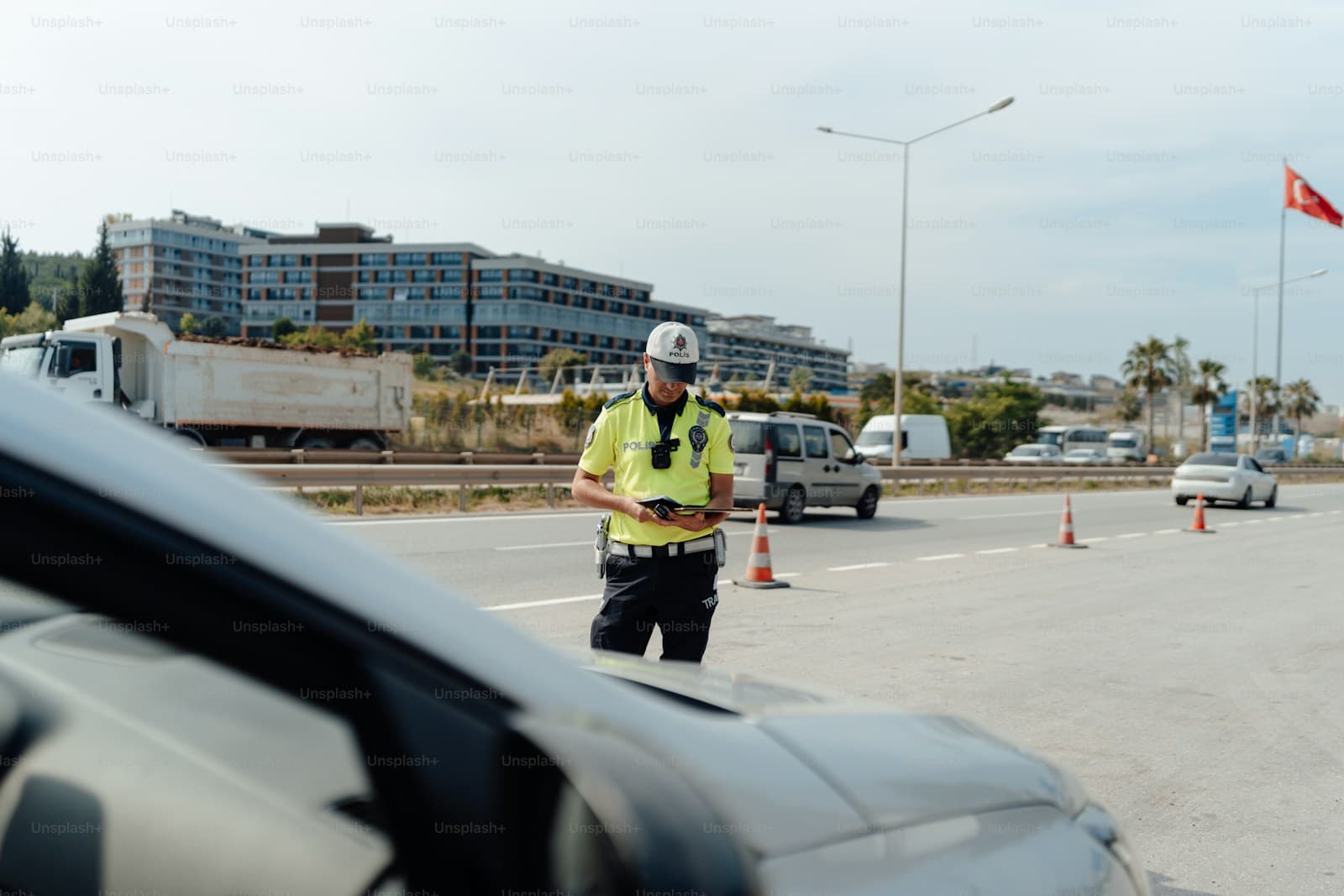
Most states deny hardship driving when tickets or court fines remain unpaid. Six states explicitly grant hardship eligibility even with outstanding fines. Six states explicitly bar it. The other 38 fall into a gray zone where clerks and judges decide case by case.
Which States Explicitly Allow Hardship Licenses Despite Unpaid Fines
Six states permit hardship license applications even when fines remain unpaid: Michigan, Minnesota, Oklahoma, Texas, Virginia, and Wisconsin. These states structure their hardship programs to accept payment plan enrollment as proof of good-faith compliance rather than requiring full payment before application.
Texas frames this most clearly. The state's Occupational Driver License statute allows issuance when the applicant demonstrates essential need and enrolls in a payment agreement with the court or collections agency. Judges evaluate whether the applicant made reasonable efforts to resolve the debt, not whether the debt is fully satisfied. Minnesota's rules similarly permit hardship approval when the driver provides documentation of an active payment arrangement with the court, even if only one payment has been made.
Michigan, Oklahoma, Virginia, and Wisconsin follow the same framework. The key differentiator: these states treat payment plan enrollment as meeting the "compliance" threshold, which removes the unpaid-fine suspension as a procedural bar to hardship eligibility. In practice, this means a driver suspended for $1,200 in unpaid tickets can apply for hardship driving the same week they enroll in a $50/month payment plan. The suspension remains active, but the hardship application moves forward.
Which States Explicitly Bar Hardship Licenses Until Fines Are Paid
Six states block hardship applications when any court debt remains outstanding: Georgia, Illinois, Indiana, Kentucky, North Carolina, and Pennsylvania. These states classify unpaid-fine suspensions as administrative holds that must be cleared before restricted driving programs become accessible.
Georgia's Limited Driving Permit statute contains explicit language barring issuance when the suspension trigger is failure to pay fines or fees. The statute does not provide a payment-plan exception. Illinois follows the same structure: the state's Judicial Driving Permit program excludes drivers whose suspensions stem from unpaid traffic citations or court costs. Indiana's Specialized Driving Privileges rules bar eligibility when the suspension is tied to unpaid infractions, misdemeanor fines, or traffic penalties.
Pennsylvania's Occupational Limited License statute prohibits issuance when the suspension reason code reflects unpaid court debt. Kentucky and North Carolina apply similar procedural blocks. The shared framework: these states require full payment or formal debt satisfaction before hardship applications are accepted. Payment plans do not satisfy the clearance requirement. A driver in Georgia suspended for $800 in unpaid tickets cannot access a Limited Driving Permit until the full $800 is paid and the suspension is lifted through the court clerk's office.
Compare car insurance rates in your state
Get quotes from licensed carriers — no obligation, no spam, results in minutes.
Get Your Free Quote✓ No Obligation Required✓ Licensed Carriers Only✓ Available Nationwide✓ Free to Compare
The 38-State Gray Zone: How Courts Decide Without Explicit Rules
The remaining 38 states do not explicitly bar or permit hardship driving when fines remain unpaid. Instead, eligibility is determined case-by-case by judges, hearing officers, or DMV administrative reviewers. This creates unpredictability for applicants, but also flexibility for drivers who can document genuine need and good-faith effort.
Most gray-zone states allow judges to weigh payment history, financial hardship, and whether the driver has made partial payments or enrolled in a plan. Arizona, Colorado, Florida, Iowa, Missouri, and Ohio fall into this category. Florida's Business Purpose Only License program does not exclude unpaid-fine suspensions by statute, but judges routinely deny applications when no payment effort has been made. Conversely, Florida judges approve BPO licenses when the driver provides proof of a payment agreement, even if the total balance remains high.
The procedural reality in gray-zone states: outcomes depend on the judge or hearing officer assigned to the case, the county's local practice, and the driver's ability to document compliance efforts. Drivers suspended for unpaid tickets in Iowa or Missouri who present employer affidavits, proof of enrollment in a payment plan, and evidence of financial hardship often receive approval. Drivers who file applications without addressing the underlying debt typically face denial. The absence of explicit statutory language means the burden falls on the applicant to demonstrate why restricted driving should be granted despite the unpaid balance.
What Counts as a Payment Plan in Explicit-Yes States
Explicit-yes states require formal documentation of a payment arrangement, not just verbal intent to pay. Acceptable documentation includes a signed payment agreement from the court clerk's office, a collections agency payment schedule, or a court order approving installment payments. Informal promises or handwritten payment schedules do not satisfy the requirement.
Texas courts require the payment plan to be filed with the same court that issued the original citation. The driver must provide a copy of the signed agreement at the hardship hearing, along with proof of at least one completed payment. Minnesota requires a court-stamped payment agreement and a receipt showing the first payment has been made. Oklahoma and Wisconsin follow similar protocols.
Michigan allows payment plans administered by collections agencies to satisfy the documentation requirement, provided the agreement is in writing and includes the original citation numbers. Virginia requires the payment plan to be approved by the court before the hardship application is filed. The shared rule: verbal agreements or self-drafted payment schedules are rejected. The payment plan must be a formal court or agency document, and the driver must demonstrate enrollment occurred before the hardship hearing.
How Unpaid-Fine Suspensions Affect SR-22 Filing Requirements
Unpaid-fine suspensions typically do not trigger SR-22 filing requirements in most states. SR-22 is required for suspensions tied to DUI convictions, uninsured driving violations, or at-fault accidents without insurance. Suspensions for failure to pay tickets or court costs are administrative holds, not insurance-compliance violations.
That said, drivers in explicit-yes states who receive hardship licenses must still carry liability insurance at state-minimum limits or higher. Texas, Michigan, and Wisconsin require proof of active insurance coverage at the hardship hearing, even though SR-22 filing is not mandated. Oklahoma and Virginia follow the same protocol. The insurance policy must list the driver as a named insured or listed driver.
Drivers without vehicles can satisfy this requirement through non-owner SR-22 policies, which provide liability coverage when driving borrowed or rented vehicles. Non-owner policies cost approximately $30–$60 per month in most states. The insurance must be active before the hardship hearing — expired or lapsed policies disqualify the application. In explicit-no states where hardship is not available, drivers must maintain insurance during the suspension period to avoid additional penalties when the suspension is eventually lifted.
Common Denial Reasons in Gray-Zone States
Judges in gray-zone states deny hardship applications for unpaid-fine suspensions when the driver cannot demonstrate recent payment effort. A signed payment plan dated one week before the hearing carries more weight than no documentation. Drivers who filed the hardship application without first contacting the court clerk to arrange payment terms face higher denial rates.
Another frequent denial trigger: incomplete employer documentation. Judges require detailed employer affidavits listing job title, work address, shift schedule, and a statement that termination will occur if driving privileges are not restored. Generic letters stating the driver "needs to drive for work" are insufficient. Florida, Arizona, and Colorado judges routinely deny applications when employer affidavits lack specificity.
Financial hardship claims without supporting evidence also lead to denials. Drivers who state they cannot afford to pay fines but arrive at the hearing in a late-model vehicle or without bank statements face skepticism. Judges weigh whether the driver prioritized debt resolution or avoided it. Payment history matters more than total balance. A driver who paid $200 toward a $1,500 balance demonstrates better faith than a driver who paid nothing toward a $300 balance.
State-Specific Application Pathways for Unpaid-Fine Hardship
Texas drivers file Occupational Driver License petitions in the justice or municipal court that issued the original citation. The petition requires an employer affidavit, proof of insurance, a certified driving record, and documentation of the payment plan. Filing fee is $10. Hearing dates are typically scheduled 14–21 days after filing. Texas judges grant ODLs for work, school, medical appointments, and household duties if essential need is demonstrated.
Minnesota drivers apply for B-Cards through the District Court in the county where they reside. The application fee is $50. Required documents include an employer letter, proof of enrollment in a payment plan with the court, proof of insurance, and a completed financial affidavit. Processing time is 30–45 days. Minnesota B-Cards allow driving for work and medical purposes only.
Michigan drivers petition for Restricted Licenses through the circuit court in their county of residence. The filing fee is $150. The petition must include an employer affidavit, proof of insurance, a payment agreement with the court or collections agency, and a personal statement explaining why driving is essential. Hearings are scheduled within 21 days. Michigan restricted licenses permit driving for work, medical care, court-ordered obligations, and grocery shopping within approved routes and times.