Texas grants Occupational Driver Licenses for all four major suspension causes, but DUI cases face a mandatory 90-day hard suspension before petition. Unpaid-fines and points-accumulation cases can apply immediately, yet most drivers don't know which county courts move fastest or that 12-hour daily driving caps apply regardless of how many essential needs you list.
Which Suspension Causes Qualify for an Occupational Driver License in Texas
Texas grants Occupational Driver Licenses for DUI/DWI suspensions, uninsured driving suspensions, points accumulation, and unpaid fines or court-ordered suspensions. All four causes are eligible under Texas Transportation Code §521.241. The state does not categorically exclude any major suspension trigger from ODL relief.
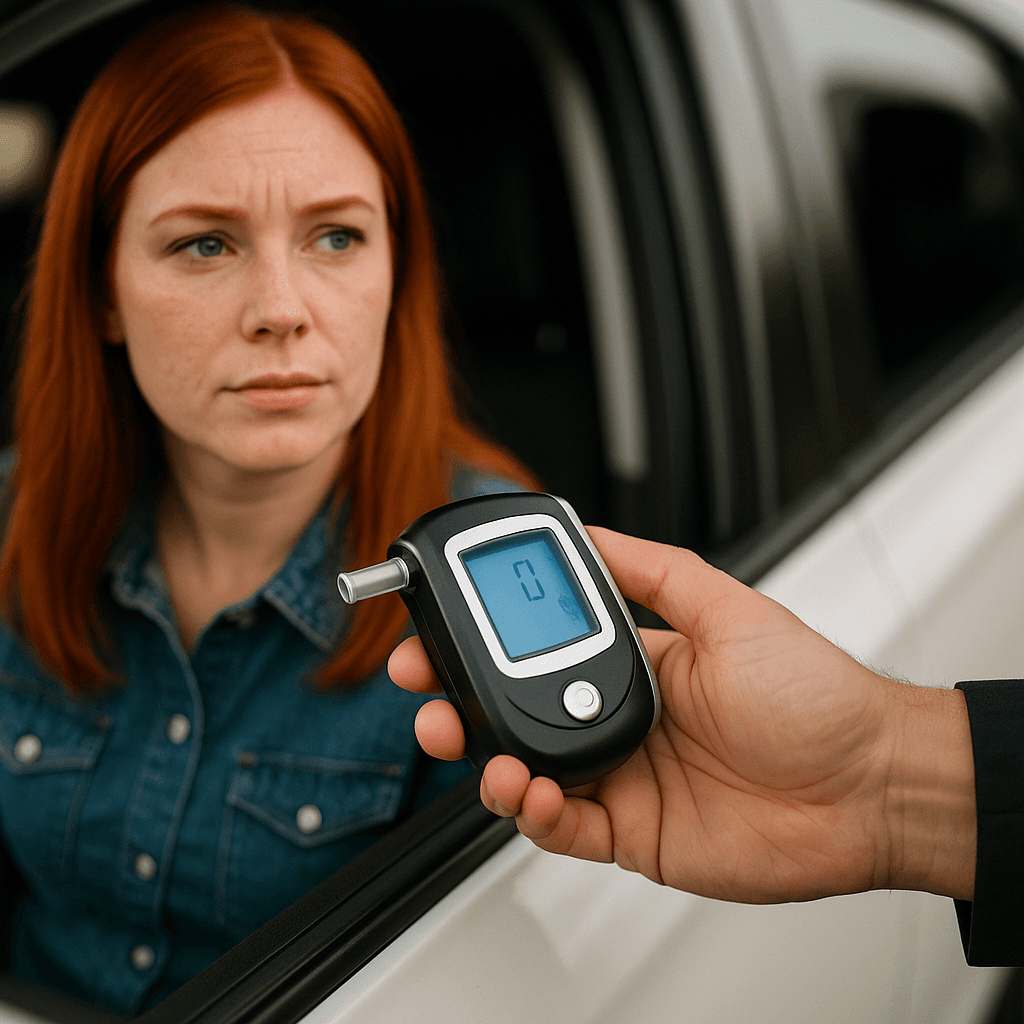
The eligibility difference lies in timing, not in whether your cause qualifies. DWI-related Administrative License Revocation suspensions under Transportation Code Chapter 724 carry a mandatory hard suspension period before you can petition for an ODL. First-offense DWI suspensions typically require a 90-day waiting period from the arrest date before a court will accept an ODL petition. Repeat DWI offenses and breath-test-refusal cases face longer hard periods.
Uninsured driving, points accumulation, and unpaid-fines suspensions carry no mandatory hard period. You can petition for an ODL the day your suspension notice arrives. Most drivers miss this: the state's willingness to grant ODL relief does not mean immediate access. Court processing timelines and SR-22 filing delays create a multi-week gap even when no hard period applies.
The 90-Day Hard Suspension for DWI Cases and How It Counts
The 90-day hard suspension for first-offense DWI begins on the arrest date, not the conviction date and not the ALR hearing date. Texas DPS calculates the waiting period from the date shown on the DWI arrest report. If you were arrested on March 1, your 90 days expire on May 30, regardless of whether your criminal case has gone to trial.
The hard period applies to Administrative License Revocation suspensions specifically. Criminal court-ordered suspensions upon DWI conviction are separate and may carry additional restrictions. A driver facing both ALR and criminal-court suspensions must satisfy both timelines independently before full reinstatement. The ODL petition, once granted, applies to both tracks simultaneously.
Most drivers discover the 90-day rule only after filing an ODL petition prematurely. County courts routinely deny petitions filed before the hard period expires. The denial does not bar refiling, but it wastes the filing fee and delays your court date by weeks. Verify your arrest date on your DWI citation before scheduling your petition hearing.
Compare car insurance rates in your state
Get quotes from licensed carriers — no obligation, no spam, results in minutes.
Get Your Free Quote✓ No Obligation Required✓ Licensed Carriers Only✓ Available Nationwide✓ Free to Compare
County Court Application Path and Why Filing Location Matters
Texas requires ODL applicants to petition a district or county court, not the Department of Public Safety directly. The court issues an order authorizing the ODL, which you then present to DPS to obtain the physical license card. Filing fees vary by county because each county clerk sets administrative charges independently. Travis County charges approximately $280 in combined filing and court costs. Harris County fees exceed $300. Rural counties often charge less than $200.
Court processing speed varies more than filing fees. Urban county courts in Dallas, Houston, Austin, and San Antonio hear ODL petitions on fixed hearing schedules, typically once or twice per month. Rural county courts may schedule ODL hearings only once per quarter. A driver in Travis County can often secure a hearing date within three weeks of filing. A driver in a rural West Texas county may wait eight weeks for the next available hearing slot.
You must file in the county where you reside, not where the violation occurred. A driver arrested in Harris County who lives in Montgomery County files the ODL petition in Montgomery County district court. Verify your county's hearing schedule before filing. Most county clerk websites list civil hearing calendars. If no schedule is posted, call the district clerk directly and ask when the next ODL hearing docket is set.
SR-22 Filing Requirement for All ODL Holders Regardless of Cause
Texas requires SR-22 financial responsibility filing for every Occupational Driver License holder, regardless of what triggered the suspension. DWI suspensions require SR-22. Uninsured driving suspensions require SR-22. Points accumulation and unpaid-fines suspensions also require SR-22 when an ODL is granted. There are no exceptions to this rule under Texas Transportation Code §601.153.
The SR-22 filing must be active before the court will sign your ODL order. Most county judges require proof of SR-22 filing at the hearing. You cannot obtain the filing the day of your hearing. SR-22 certificates take 24 to 72 hours to process after the carrier files electronically with DPS. Secure your SR-22 at least one week before your scheduled court date to ensure the filing appears in the DPS system when the judge's staff verifies it.
SR-22 filing adds $25 to $50 annually to your insurance premium as a processing fee, separate from any rate increase due to the violation itself. The filing must remain active for two years from your reinstatement date under most DWI and uninsured-driving suspensions. Points-accumulation and unpaid-fines cases sometimes carry shorter SR-22 duration requirements, but the court order will specify the exact filing period required for your case.
The 12-Hour Daily Driving Cap and Court-Defined Routes
Texas law caps Occupational Driver License driving at no more than 12 hours in any 24-hour period, regardless of how many essential needs you list in your petition. The 12-hour cap is statutory under Transportation Code §521.246 and applies universally. Courts cannot waive this limit even when your job, school schedule, and medical appointments combined exceed 12 hours per day.
The court order must enumerate specific routes and locations for work, school, and essential household duties. Generic language like "driving for employment purposes" does not satisfy Texas requirements. The order must state your employer's street address, your work hours, and the specific route from your residence to your workplace. School routes require the campus address and class schedule. Medical appointments require the clinic address and appointment frequency.
Violating the route or time restrictions written into your ODL order triggers immediate revocation and possible criminal charges for driving on a suspended license. A traffic stop outside your authorized hours or outside your enumerated routes gives the officer grounds to arrest you and impound your vehicle. Most drivers underestimate how strictly Texas courts and law enforcement interpret ODL restrictions. The restriction is not a suggestion. It is a court order with criminal penalties for non-compliance.
Ignition Interlock Requirements for Alcohol-Related Suspensions
Ignition interlock devices are mandatory for alcohol-related suspensions when an ODL is granted. First-offense DWI cases typically require ignition interlock installation for the entire ODL period, often one to two years. Second and subsequent DWI offenses carry longer interlock requirements. The court order will specify the exact interlock duration based on your violation history and blood alcohol concentration at arrest.
Ignition interlock is not required for non-alcohol-related suspensions. Uninsured driving, points accumulation, and unpaid-fines cases do not trigger interlock mandates unless the underlying violation involved alcohol. A driver suspended for accumulating too many speeding tickets does not face interlock requirements even when granted an ODL.
Interlock installation costs $70 to $150, with monthly monitoring fees of $60 to $90. You pay installation and monthly fees separately from your SR-22 insurance premium. Most interlock providers require a two-month advance deposit at installation. Budget $300 to $400 upfront for interlock setup, then $60 to $90 per month for the duration specified in your court order. Interlock providers report violations and missed calibration appointments directly to the court, which can revoke your ODL without a hearing.
What Happens When Your Full License Suspension Period Ends
The Occupational Driver License does not shorten your underlying suspension period. If you received a one-year suspension for DWI, the ODL allows restricted driving during that year, but you must still complete the full 12-month suspension term before petitioning for full reinstatement. The ODL is relief, not reinstatement.
Full reinstatement requires paying the $125 DPS reinstatement fee, completing any court-ordered DWI education or substance abuse programs, and maintaining your SR-22 filing for the required duration. DWI cases often require completion of a 12-hour or 32-hour DWI education course before DPS will process reinstatement. Verify your specific program requirements on your suspension notice or through the DPS Driver License Division.
SR-22 insurance continues after full reinstatement. Most DWI cases require two years of SR-22 filing measured from the reinstatement date, not the suspension start date. If your suspension lasted one year and your SR-22 requirement is two years, you will carry SR-22 for three years total: one year during ODL-restricted driving, then two additional years after full reinstatement. Confirm your SR-22 duration with DPS before canceling coverage.