Texas ODL applications involve two separate fees most petitioners discover too late: the DPS hardship license fee itself, and the county court filing fee which varies by jurisdiction and can add $100–$350 to the total cost before you ever present your court order.
Texas ODL Filing Involves Two Separate Fees Most Petitioners Miss
Texas Occupational Driver License (ODL) applications require payment to two separate entities: the county or district court where you petition, and the Texas Department of Public Safety (DPS) once the court approves your order. The court filing fee varies by county — no statewide standardized rate exists — and typically ranges from $100 to $350 depending on jurisdiction and case complexity. DPS charges a $125 reinstatement fee after the court order is issued and before the physical ODL is produced.
Most petitioners budget only for the DPS portion because that number appears on official state websites. The court filing fee remains invisible until you contact the county clerk to file your petition. In Harris County, for example, the civil filing fee for an ODL petition is $272. In Tarrant County it sits closer to $245. Rural counties may charge less, but budget at least $100 even in the smallest jurisdictions.
This two-agency structure stems from Texas's unique hardship license pathway: you petition a district or county court for the ODL, not DPS directly. The court evaluates your essential need claim, sets route and time restrictions, and issues an order. That order is then presented to DPS along with your SR-22 certificate and reinstatement fee. DPS issues the physical license only after the court order is in hand and all DPS-level requirements are satisfied.
Court Filing Fees Are Non-Refundable Even When Petitions Are Denied
The county court filing fee is due when you submit the ODL petition, not after approval. If the judge denies your petition — typically because your essential need documentation is insufficient or your suspension type carries a mandatory hard period you have not yet served — the filing fee is not refunded. This creates meaningful financial risk for petitioners who file prematurely or without the required supporting documentation.
Courts deny ODL petitions most often for three reasons: failure to document essential need with employer letters or school enrollment verification, filing during a mandatory hard-suspension period (for DWI-related ALR suspensions, Texas law imposes a 90-day hard period before ODL eligibility begins), or missing SR-22 certificate submission at the time of petition. Each denial requires a new petition and a new filing fee if you reapply.
Budget the court filing fee as a sunk cost. Call the county clerk in the jurisdiction where you intend to file — typically the county where you reside — and ask for the current civil filing fee for an occupational license petition. Confirm what payment methods the court accepts. Some counties require cashier's check or money order; personal checks and credit cards are not universally accepted.
Compare car insurance rates in your state
Get quotes from licensed carriers — no obligation, no spam, results in minutes.
Get Your Free Quote✓ No Obligation Required✓ Licensed Carriers Only✓ Available Nationwide✓ Free to Compare
DPS Reinstatement Fee Hits After Court Approval but Before License Issuance
The $125 DPS reinstatement fee is due after the court issues your ODL order but before DPS will produce the physical license. This fee is separate from the court filing fee and separate from any SR-22 filing costs your insurance carrier charges. It clears your suspension record administratively and allows DPS to issue the restricted ODL.
DPS does not accept the reinstatement fee at the time of your court petition. The payment window opens only after you receive the signed court order. Most petitioners present the court order, SR-22 certificate, and reinstatement payment together at a DPS Driver License office. Processing time after all documents and fees are submitted typically ranges from one to three weeks, though rural offices sometimes produce the license same-day if capacity allows.
Budget an additional $10–$15 for certified copies of the court order if the court does not automatically provide them. DPS requires the original or a certified copy; a standard photocopy will be rejected. Some counties charge per-page certification fees.
SR-22 Filing and Insurance Premium Increases Add Ongoing Monthly Costs
Every ODL holder in Texas must maintain SR-22 financial responsibility filing for the duration of the ODL period and typically for an additional period after full license reinstatement. SR-22 is not optional for any ODL case regardless of suspension cause. Carriers charge a one-time filing fee — typically $15 to $50 — to submit the SR-22 form to DPS on your behalf.
The larger cost is the insurance premium increase. SR-22 insurance rates in Texas for drivers with suspended licenses typically run $140–$220 per month for minimum liability coverage, compared to $85–$130 per month for clean-record drivers. The premium delta reflects elevated risk classification, not the SR-22 form itself. If you do not own a vehicle, non-owner SR-22 policies cost $30–$60 per month and satisfy the filing requirement.
SR-22 duration varies by suspension cause. DWI-related suspensions typically require two years of continuous SR-22 filing from the reinstatement date under Texas Transportation Code §601.153. Uninsured-driving suspensions may require one to three years depending on prior violations. The ODL court order does not control SR-22 duration; that timeline is set separately by DPS based on the underlying violation.
Ignition Interlock Installation and Monthly Monitoring Add DWI-Specific Costs
Texas courts may order ignition interlock device (IID) installation as a condition of granting an ODL, particularly for alcohol-related suspensions. IID installation costs $70–$150, and monthly monitoring and calibration fees run $60–$90. If the court order mandates IID, you cannot legally operate any vehicle without it for the duration specified in the order.
IID is not a blanket requirement for all ODL types. Courts impose it most often for DWI-related ALR suspensions and repeat alcohol offenses. If your suspension stems from unpaid tickets, points accumulation, or non-alcohol violations, IID is unlikely to appear in the court order unless the judge finds specific cause to require it.
Budget IID costs separately from the court filing fee, DPS reinstatement fee, and SR-22 insurance. Most providers require a deposit at installation and then bill monthly. The monitoring fee covers biometric recalibration every 30–60 days to ensure the device remains accurate. Missing a scheduled calibration appointment typically triggers a violation notice to the court, which can result in ODL revocation.
Attorney Fees Are Optional but Increase Approval Odds for Complex Cases
You are not required to hire an attorney to petition for a Texas ODL. Many petitioners file pro se, particularly for straightforward cases with clear essential need documentation and no complicating factors. However, attorneys who specialize in driver license reinstatement typically charge $500–$1,500 for ODL representation, and that investment increases approval odds when documentation requirements are unclear or when the suspension involves multiple overlapping administrative actions.
Attorneys add value in three scenarios: when you are filing during a gray-area eligibility window and need to argue for early ODL consideration, when your suspension involves both an ALR administrative action and a separate criminal-court suspension that must be coordinated, or when prior petitions were denied and you need to identify what documentation gaps caused the denial. Pro se filings work well when your essential need is employment-based, your employer provides a clear written affidavit, and your suspension type does not carry a mandatory hard period.
If you hire an attorney, the legal fee is in addition to all other costs: court filing fee, DPS reinstatement fee, SR-22 filing and premiums, and IID installation if required. Budget the full stack before committing to representation.
Total Cost Stack for Texas ODL: What to Budget Before Filing
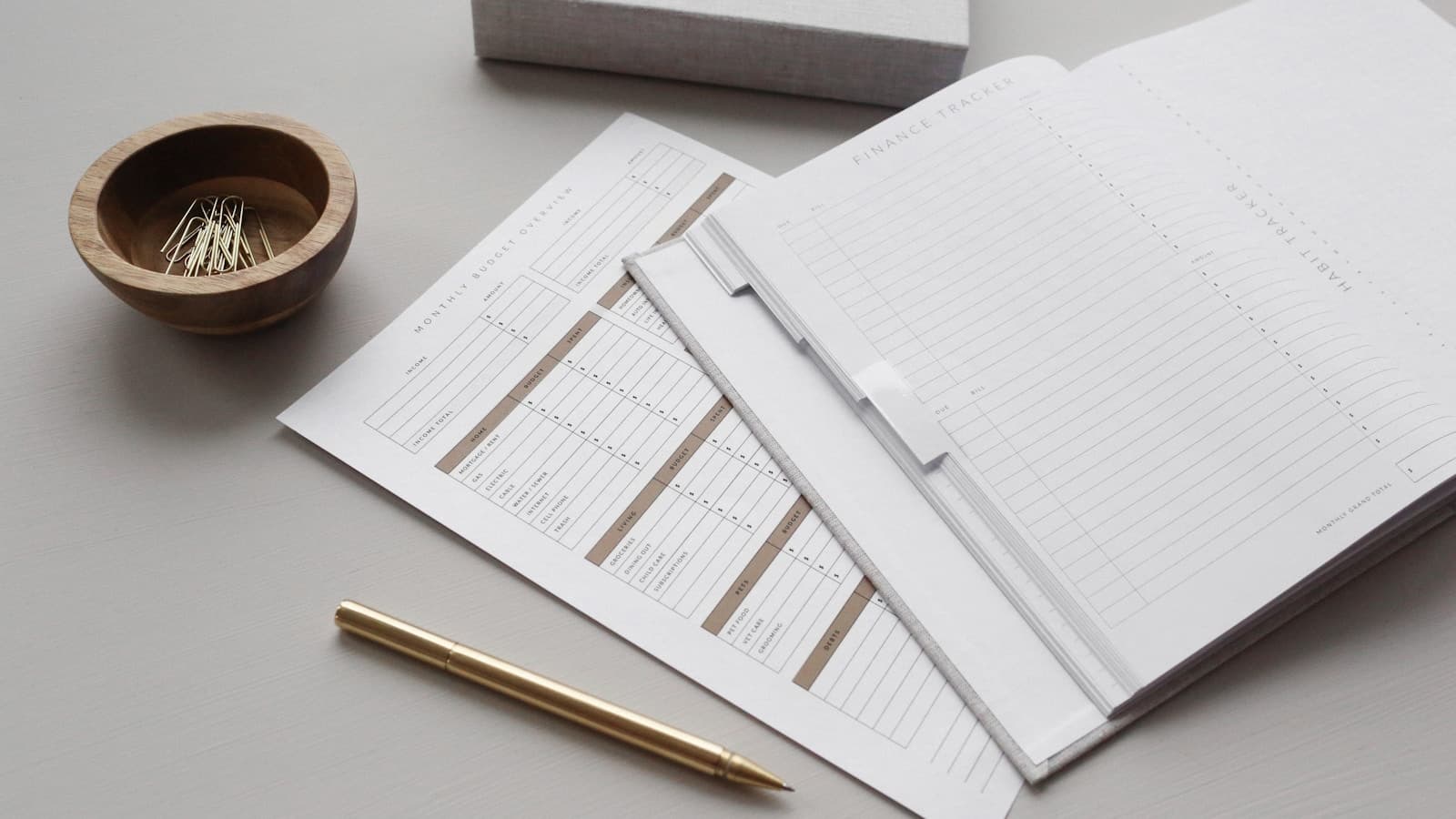
A complete Texas ODL cost estimate for a first-time petitioner with no IID requirement typically runs $700–$1,200 in upfront and first-month costs: $100–$350 court filing fee, $125 DPS reinstatement fee, $15–$50 SR-22 filing fee, $140–$220 first-month SR-22 insurance premium, and $10–$15 for certified court order copies. If the court orders IID, add $70–$150 installation and $60–$90 monthly monitoring.
Ongoing monthly costs after the ODL is issued include SR-22 insurance premiums and IID monitoring if applicable. Over a typical two-year SR-22 filing period without IID, total insurance cost runs approximately $3,400–$5,300 depending on driving history and coverage selections. With IID, add $1,440–$2,160 over 24 months.
Petitioners who hire attorneys should budget an additional $500–$1,500 for legal representation. Pro se filings eliminate this cost but require careful attention to essential need documentation standards and court procedural rules. The county clerk's office can provide blank petition forms and filing instructions but cannot give legal advice on documentation sufficiency.