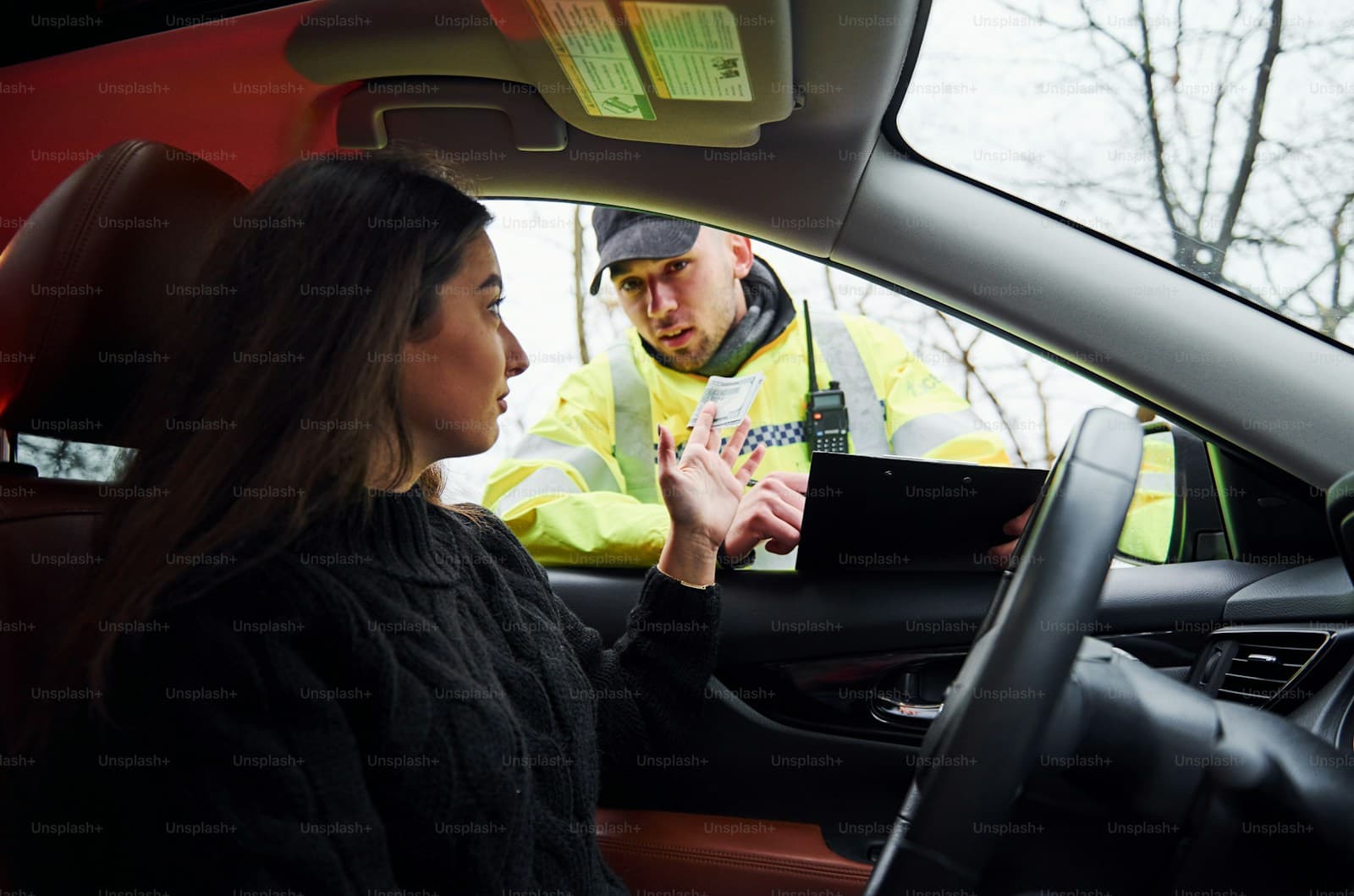
Three states block hardship driving privileges entirely when the suspension stems from uninsured driving or lapsed coverage—even when work, medical care, or family obligations would otherwise qualify.
Which States Close Hardship Driving for Uninsured-Cause Suspensions
New Jersey, Pennsylvania, and Washington completely bar hardship license applications when the suspension trigger was uninsured driving or insurance lapse. No employment verification letter, no dependent-care documentation, and no medical need can override this statutory gate.
In Pennsylvania, the program is called an Occupational Limited License. The statute explicitly lists qualifying suspension types. Uninsured driving does not appear. Drivers suspended for DUI, drug offenses, habitual offenses, or medical conditions can apply through the county court. Drivers suspended for uninsured operation cannot.
New Jersey's program is called a Conditional License. The state grants these only for DUI convictions meeting specific criteria—first-time offenders who install an ignition interlock device and complete alcohol education. Uninsured suspensions fall outside this narrow eligibility window entirely. Washington's Ignition Interlock License similarly restricts eligibility to alcohol and drug-related suspensions. Uninsured driving suspensions do not qualify.
This eligibility gap matters because uninsured-cause suspensions are common and often result from insurance lapse rather than intentional non-compliance. A driver who lets coverage expire during a move, a carrier cancellation, or a payment processing error faces the same suspension as someone who never carried insurance—but neither can access hardship driving in these three states.
Why These States Close the Hardship Pathway for Uninsured Violations
The policy logic differs by state but shares a consistent theme: insurance compliance is the baseline obligation, not a violation that hardship privileges can mitigate.
Pennsylvania frames Occupational Limited Licenses as a rehabilitative tool for drivers whose violations involved impairment or behavioral risk—not administrative non-compliance. The statute reserves the pathway for offenses requiring education, treatment, or interlock supervision. Uninsured driving does not fit that model. Washington's program is even narrower. The state's ignition interlock license exists exclusively for alcohol and drug suspensions. No other violation type qualifies. The statute does not offer an alternative hardship pathway.
New Jersey's approach is different but equally restrictive. The state offers Conditional Licenses only to first-time DUI offenders meeting strict program requirements. Uninsured suspensions land outside this framework entirely, and the state does not provide a separate hardship structure for non-DUI violations. The result: drivers suspended for uninsured operation in New Jersey face full-duration suspension with no reduced-privilege alternative.
This creates a procedural bind. A driver suspended for DUI in Pennsylvania can petition for occupational driving after 60 days. A driver suspended for the same duration due to uninsured operation has no petition path at all—even if employment loss, dependent care, or medical appointments are at risk.
Compare car insurance rates in your state
Get quotes from licensed carriers — no obligation, no spam, results in minutes.
Get Your Free Quote✓ No Obligation Required✓ Licensed Carriers Only✓ Available Nationwide✓ Free to Compare
What Happens When You Apply for Hardship After Uninsured Suspension in These States
The application will be rejected at the administrative level before any hearing occurs. Pennsylvania county courts screen petitions for statutory eligibility before scheduling hearings. When the suspension reason is uninsured operation, the petition is returned unprocessed. No fee refund. No alternative pathway offered.
New Jersey does not process Conditional License applications for uninsured suspensions at all. The MVC website's eligibility screener blocks these applications at submission. Drivers who attempt to file in person receive the same result: administrative denial with instructions to wait out the full suspension period.
Washington's process is identical. The Department of Licensing will not accept ignition interlock license applications tied to uninsured suspensions. The eligibility determination happens before any documentation review. The suspension reason alone disqualifies the application.
This differs from hardship denials in other states, where applications are processed and denied for failure to meet criteria—inadequate documentation, insufficient work need, or unapproved routes. In NJ, PA, and WA, uninsured-cause suspensions prevent the application from being filed at all. The pathway does not exist for this violation category.
Your Reinstatement Path in NJ, PA, and WA After Uninsured Suspension
The only route forward is full compliance and full-duration suspension. Pennsylvania requires proof of insurance, payment of restoration fees, and completion of the suspension period. The restoration fee is $25 for most uninsured violations, plus a $35 administrative restoration fee. SR-22 filing is required for uninsured driving suspensions in Pennsylvania, typically for 3 years from the reinstatement date. The filing fee is approximately $25, and the premium impact typically adds $40–$80 per month to standard liability rates.
New Jersey requires proof of insurance, payment of a $100 restoration fee, and clearance of any outstanding surcharges through the MVC. SR-22 is not required in New Jersey—the state does not use this filing mechanism. Washington requires proof of insurance, payment of a $75 reissue fee, and SR-22 filing for 3 years from the reinstatement date. The SR-22 filing fee is approximately $25, and the premium impact is similar to Pennsylvania.
All three states require continuous insurance coverage during the suspension period. If coverage lapses again before reinstatement, the suspension extends and additional fees apply. This creates a cost pressure: drivers must pay for insurance they cannot use while suspended, or risk extending the suspension further.
No hardship privileges mean no legal driving during this period. Public transit, rideshare, carpooling, or relocation closer to work are the only compliant options. Employers cannot grant exceptions. Medical providers cannot issue driving exemptions. The suspension is absolute.
How Other States Handle Uninsured-Cause Hardship Applications
Most states that offer hardship licenses allow uninsured-cause suspensions to qualify, but application timing and restrictions vary. Texas allows Occupational Driver's License applications for uninsured suspensions immediately after the effective date. The county court evaluates work need, dependent care, and medical necessity the same way it does for DUI or points suspensions. Approval rates are similar across violation types.
California's Restricted License is available after 30 days for most uninsured suspensions. The DMV processes these administratively—no court hearing required. Approved routes include work, school, medical care, and court-ordered obligations. Ignition interlock is not required for uninsured violations. Florida offers Business Purpose Only Licenses for uninsured suspensions after 30 days. The application is administrative through the county tax collector's office. Approval is nearly automatic if employment documentation is provided and the driver has no other disqualifying suspensions.
These states treat hardship eligibility as violation-neutral. The suspension reason matters for filing requirements and interlock conditions, but not for access to the hardship pathway itself. Pennsylvania, New Jersey, and Washington are the statutory outliers. Their programs close hardship eligibility entirely when the violation involves insurance compliance rather than impairment or behavioral risk.
Insurance Filing Requirements Once You Reinstate in NJ, PA, and WA
Pennsylvania and Washington both require SR-22 filing for uninsured driving suspensions. The filing obligation begins on the reinstatement date and runs for 3 years. The SR-22 is a certificate your insurer submits to the state proving you carry liability coverage at or above state minimums. If coverage lapses during the 3-year period, the insurer notifies the state and your license suspends again automatically.
Pennsylvania's minimum liability limits are 15/30/5: $15,000 bodily injury per person, $30,000 per accident, $5,000 property damage. Washington's minimums are 25/50/10. Your SR-22 policy must meet or exceed these limits for the entire 3-year period. Most carriers increase premiums for SR-22 policies by 30–60% compared to standard rates, regardless of claims history. This premium increase reflects underwriting risk classification, not individual driving behavior.
New Jersey does not require SR-22 filing. The state verifies insurance compliance through direct electronic reporting from insurers to the MVC. Premium increases after uninsured suspension are similar to SR-22 states—drivers typically see 25–50% rate increases compared to pre-suspension rates. These increases last 3–5 years depending on the carrier's rating structure.
If you do not own a vehicle, non-owner SR-22 policies are available in Pennsylvania and Washington. These provide liability-only coverage for vehicles you drive but do not own. The filing obligation is identical to standard SR-22 policies, and rates are typically lower because no comprehensive or collision coverage is required.