West Virginia SR-22 filing must be active before your restricted license application is processed, and most DUI applicants miss the interlock-enrollment timing window that determines whether the hard suspension clock stops or restarts.
When SR-22 Filing Must Be Active for West Virginia Restricted License Applications
West Virginia requires SR-22 insurance on file with the DMV before your restricted license application is processed. The restricted license application form explicitly asks for the SR-22 certificate number, and DMV staff verify active coverage in the state's electronic insurance verification system before approving the restricted privilege. This means you cannot apply for the restricted license first and secure SR-22 later—the sequence is reversed.
Most carriers issue SR-22 certificates electronically to the WV DMV within 24 to 48 hours of binding the policy, though some require 72 hours for mailed paper filings. If you submit your restricted license application before the SR-22 appears in the DMV system, the application sits in pending status until coverage is verified, adding processing delay. Approximately 15 days of hard suspension must be served before restricted license eligibility opens for first-offense DUI cases under WV Code §17C-5A-3, measured from the revocation effective date, not the filing date.
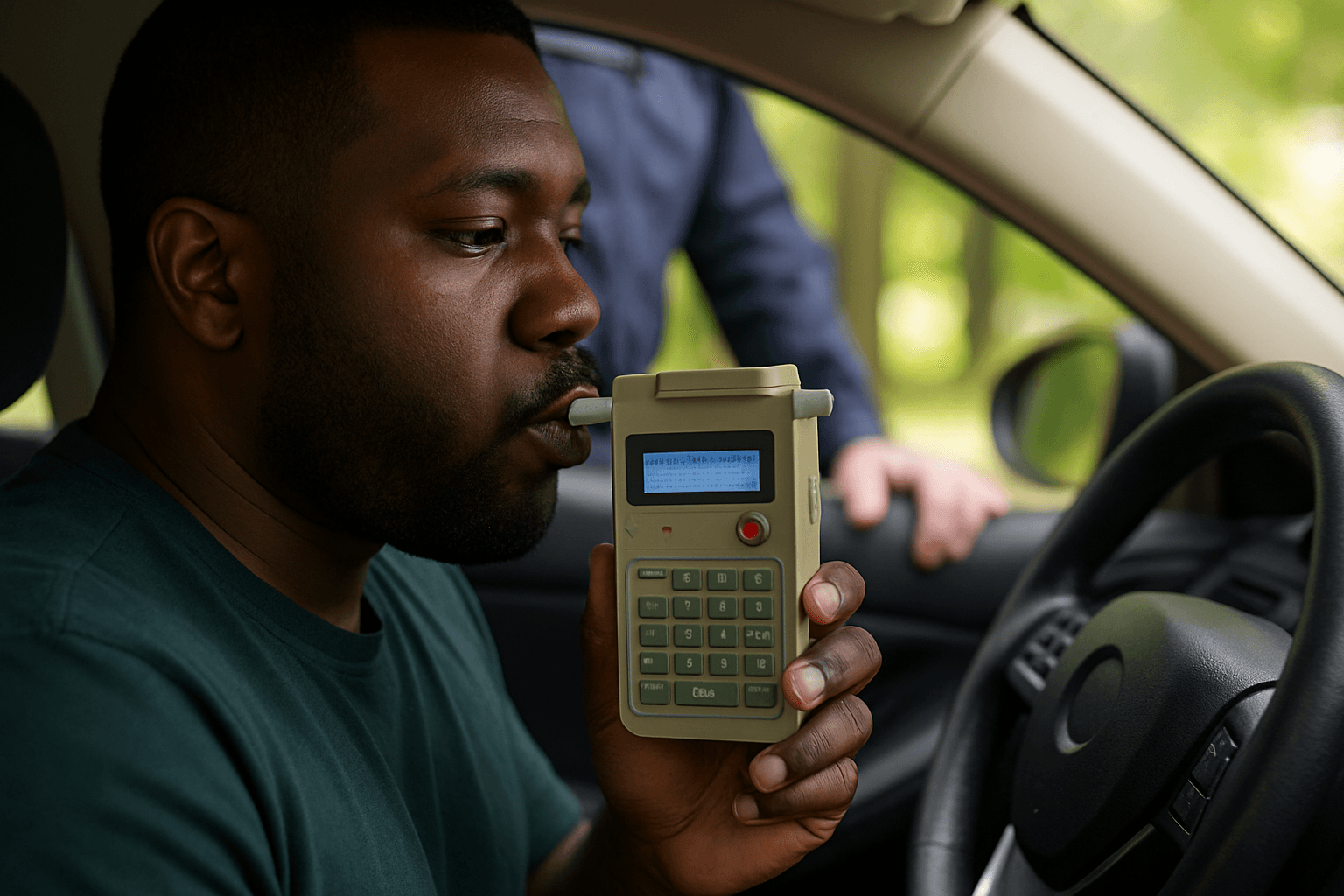
For DUI-triggered suspensions, the restricted license path operates through the Alcohol Test and Lock Program (ATLP), which mandates ignition interlock installation before any restricted driving privilege is granted. The SR-22 filing and interlock enrollment must both be complete before the DMV issues the restricted license, creating a three-component setup: SR-22 active, interlock installed, restricted license application submitted. Missing the interlock enrollment timing window can restart the hard suspension period entirely in some counties where circuit courts oversee the ATLP rather than DMV administrative staff.
How Long SR-22 Filing Lasts After West Virginia Restricted License Approval
West Virginia requires SR-22 filing for 3 years from the date of DUI conviction, not from the date the restricted license is granted. This means the SR-22 clock runs concurrently with your restricted license period and continues after full license reinstatement if the 3-year window has not yet closed. For uninsured motorist suspensions, the SR-22 requirement typically lasts 1 year from the reinstatement date, but the exact duration depends on the suspension trigger and whether prior violations exist.
If your SR-22 policy lapses or cancels during the required filing period, the carrier notifies the WV DMV electronically within 10 days. The DMV immediately suspends your restricted license and your underlying registration, and a new hard suspension period begins. Reinstatement after an SR-22 lapse requires payment of a $50 base reinstatement fee, plus a separate DUI-specific reinstatement fee if your original suspension was DUI-triggered. The exact DUI reinstatement fee amount should be verified directly with the WV DMV fee schedule, as it is distinct from the base administrative fee.
The 3-year SR-22 filing period for DUI cases is statutory under WV Code §17C-5A and cannot be shortened by early completion of interlock requirements or restricted license compliance. Once the 3-year period expires, you must request a formal release letter from your insurance carrier and file it with the WV DMV to remove the SR-22 requirement from your driving record. The restricted license itself does not automatically convert to a full unrestricted license when the SR-22 period ends—you must separately apply for full reinstatement and pay applicable fees.
Compare car insurance rates in your state
Get quotes from licensed carriers — no obligation, no spam, results in minutes.
Get Your Free Quote✓ No Obligation Required✓ Licensed Carriers Only✓ Available Nationwide✓ Free to Compare
What Happens to Filing Duration If Your Restricted License Application Is Denied
If your restricted license application is denied—most commonly due to unpaid fines, incomplete interlock enrollment documentation, or failure to complete required DUI education classes—the SR-22 filing requirement remains active throughout the denial and reapplication period. The 3-year SR-22 clock does not pause or restart based on restricted license application outcomes; it runs from the DUI conviction date regardless of your driving privilege status.
Common denial triggers include submitting employer affidavits that do not specify exact work addresses or shift schedules, incomplete proof of employment or medical necessity, or unpaid court costs and DMV fees that block electronic application processing. Some applicants discover at the DMV counter that their interlock installation receipt is missing required certification from a state-approved vendor, which requires scheduling a second installation appointment and resubmitting the entire restricted license application packet.
During the denial and reapplication period, you remain under full suspension with no legal driving privilege. The SR-22 policy must stay active even though you cannot legally drive under the restricted license, and letting it lapse triggers the cascading suspension and reinstatement fee consequences described earlier. Most denied applicants reapply within 30 to 60 days after correcting documentation issues, but the SR-22 filing period continues uninterrupted throughout that window.
How Ignition Interlock Program Duration Interacts with SR-22 Filing Length
West Virginia's ATLP mandates ignition interlock installation for the full duration of your restricted license period, which varies by offense number but typically runs 6 months to 1 year for first-offense DUI cases and 18 months to 3 years for repeat offenses. The interlock requirement is a condition of the restricted license itself, not a separate statutory filing like SR-22, so the two obligations run concurrently but are governed by different compliance rules.
Interlock violation events—such as failed breath tests, missed calibration appointments, or tampering alerts—extend the interlock requirement period and can trigger restricted license revocation in severe cases. However, interlock violations do not extend the 3-year SR-22 filing period unless the violation results in a new DUI conviction or a separate administrative suspension that carries its own SR-22 requirement. Most interlock violations result in mandatory device extensions of 30 to 90 days per violation, added to the original interlock term, while the SR-22 filing period remains anchored to the original conviction date.
Once the interlock requirement period ends, you must request an interlock compliance letter from your device vendor and submit it to the WV DMV alongside your full license reinstatement application. The SR-22 filing must remain active throughout this reinstatement process and continue until the full 3-year statutory period expires, even after the interlock device is removed and full driving privileges are restored. Typical total cost for the overlapping interlock and SR-22 period ranges from $2,500 to $4,000 over 3 years, including device lease, calibration appointments, SR-22 premium surcharges, and reinstatement fees.
What to Do About SR-22 Insurance Before Applying for a Restricted License
Start the SR-22 filing process at least 5 business days before you plan to submit your restricted license application. This allows time for carrier electronic filing, DMV system verification, and any documentation corrections if the initial filing is rejected. Most SR-22-filing carriers in West Virginia offer same-day policy binding with electronic SR-22 filing initiated within 24 hours, but paper-filing carriers can take up to 7 business days for the certificate to reach the DMV.
If you do not own a vehicle but need SR-22 to satisfy the restricted license requirement, non-owner SR-22 policies provide the required liability coverage and filing without insuring a specific car. Non-owner SR-22 premiums in West Virginia typically range from $40 to $85 per month for drivers with DUI suspensions, compared to $110 to $190 per month for standard SR-22 policies on owned vehicles. Non-owner policies cover you when driving borrowed or rented vehicles within the restricted license route and time limitations, and they satisfy the DMV SR-22 filing requirement identically to standard policies.
Once your SR-22 is active in the DMV system, gather your employer affidavit, proof of employment or medical necessity, completed restricted license application form (available from the WV DMV), interlock installation receipt from a state-approved vendor, and payment for the restricted license application fee. The application fee and processing time should be verified directly with the WV DMV, as these vary by county and application path—some counties process restricted license applications through circuit court hearings, while others use DMV administrative processing. Allow 10 to 20 business days for application processing after submission, during which your SR-22 policy must remain active and your interlock device must remain compliant to avoid automatic application denial.