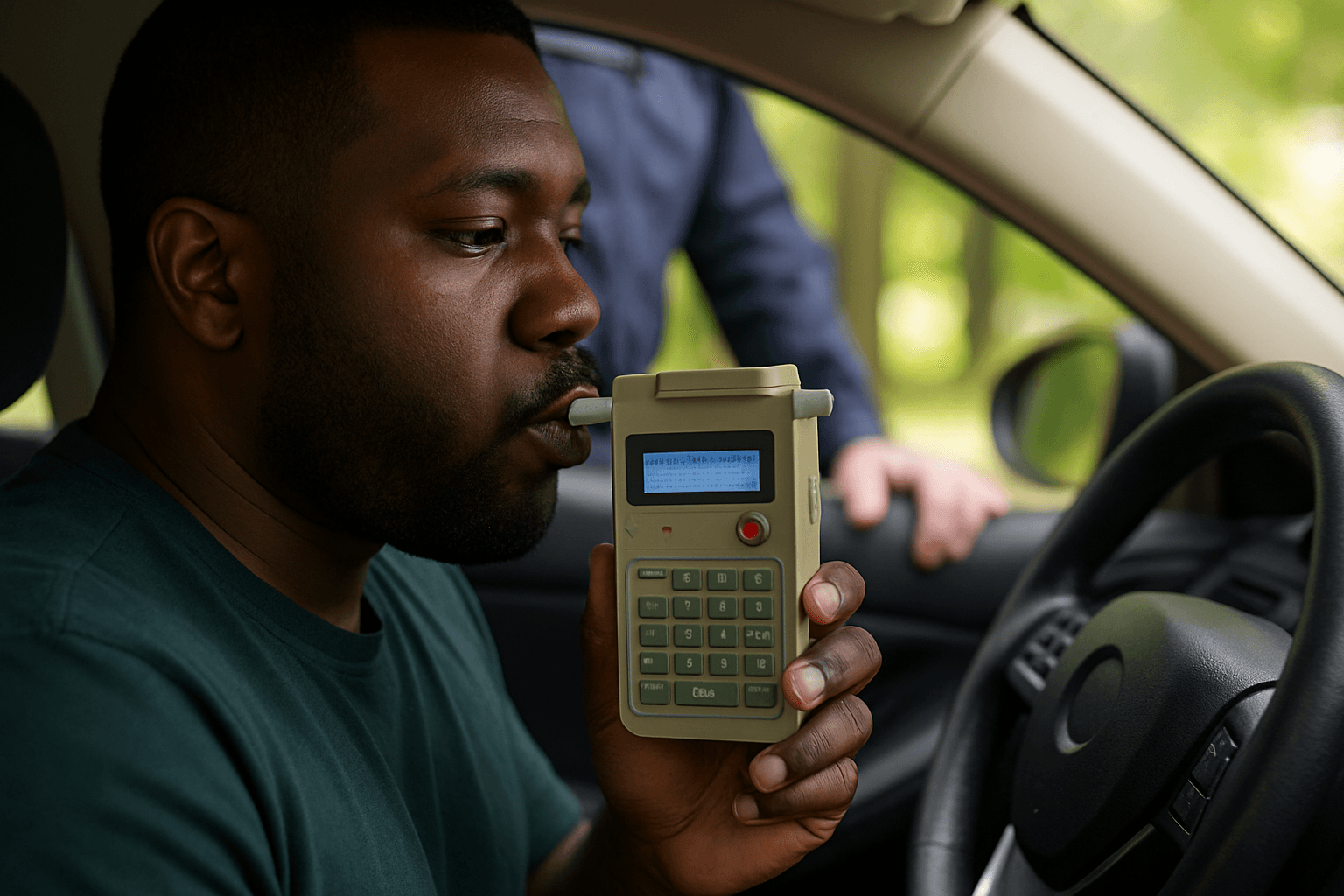
New Mexico requires court-approved restricted licenses even for first-offense DWI, and your SR-22 certificate must be active before the hearing. The filing duration outlasts your restriction period by years.
Why New Mexico Restricted Licenses Require SR-22 Before Your Court Hearing
New Mexico restricted license petitions flow through district court, not the Motor Vehicle Division. The judge reviewing your petition needs proof you can meet insurance filing requirements before granting driving privileges. This means your SR-22 certificate must be active and on file with MVD before your hearing date.
Most restricted license denials happen because applicants assume they can secure SR-22 after approval. New Mexico courts operate under NMSA 1978 § 66-5-33, which requires proof of financial responsibility as a condition of the restriction grant. Your petition documents must include the SR-22 certificate number and carrier name, and MVD records must show active filing status when the judge pulls your driving record.
Carriers process SR-22 filings in 1-3 business days once you purchase a policy. The MVD receives electronic notification within 24 hours. Budget 5-7 days between policy purchase and confirmed MVD filing status to account for processing delays. File your SR-22 at least one week before your scheduled hearing to ensure the certificate appears in court records.
How Long New Mexico SR-22 Filing Lasts After Restricted License Ends
New Mexico restricted licenses typically last 6-12 months depending on offense severity and court order terms. Your SR-22 filing requirement extends 3 years from the conviction date for first-offense DWI, measured from the date of judgment, not the date you received restricted privileges.
This creates a gap most drivers miss. Your restricted license expires when the court-ordered period ends or when your full license is reinstated. Your SR-22 requirement continues for the full 3-year statutory period regardless of license status. Canceling SR-22 coverage before the 3-year mark triggers automatic license re-suspension under NMSA 1978 § 66-5-205.
Track your conviction date, not your restricted license grant date. If you were convicted January 15, 2024, your SR-22 requirement ends January 15, 2027. Your restricted license might end August 2024 after 6 months of compliance. The 2.4-year SR-22 tail remains mandatory. Carriers notify MVD electronically when policies cancel; MVD issues suspension notices within 10 days of receiving cancellation alerts.
Compare car insurance rates in your state
Get quotes from licensed carriers — no obligation, no spam, results in minutes.
Get Your Free Quote✓ No Obligation Required✓ Licensed Carriers Only✓ Available Nationwide✓ Free to Compare
What Restricted License Applicants Must Bring to Court Hearings
New Mexico district courts require a complete evidence packet when you petition for restricted driving privileges. Your SR-22 certificate is one of six required documents: proof of employment or qualifying need, the SR-22 insurance certificate, a completed petition form, ignition interlock installation documentation if required for DWI cases, proof of enrollment in DWI school if applicable, and any court-ordered rehabilitation completion certificates.
Proof of employment means a notarized letter from your employer on company letterhead stating your job title, work address, work hours, and a statement that driving is essential to your employment. Self-employed applicants need business registration documents, tax returns, and client contracts showing income dependency on driving. Court-approved qualifying needs beyond employment include medical appointments for chronic conditions, dependent care responsibilities, and educational enrollment.
Ignition interlock documentation requirements apply to all DWI restricted license petitions under New Mexico's Ignition Interlock Licensing Act (NMSA 1978 §§ 66-5-503 to 66-5-523). You must show proof of device installation from a state-approved vendor before the hearing. The court will not grant restricted privileges without interlock compliance for alcohol-related offenses. Non-DWI restricted license petitions for points accumulation or other suspensions do not trigger interlock requirements.
How Court-Defined Route and Time Restrictions Work in Practice
New Mexico judges impose specific geographic boundaries and time windows when they grant restricted licenses. Your court order will list approved destinations by street address: home, workplace, DWI school location, medical provider addresses, and childcare facilities. Driving outside these approved routes violates your restriction terms and triggers immediate revocation.
Time restrictions limit when you can drive to approved destinations. A typical order allows driving 30 minutes before and 30 minutes after scheduled work shifts, medical appointments, or classes. Some judges impose 24-hour weekly driving hour caps. Your ignition interlock device logs every trip with GPS coordinates and timestamps; MVD reviews device data monthly and flags violations.
Violation consequences are immediate and permanent. One trip to a grocery store not listed in your court order ends your restricted license eligibility for the remainder of your suspension period. You cannot petition again after revocation. New Mexico law does not allow second restricted license applications within the same suspension period. Judges take route compliance seriously because restricted privileges are discretionary, not statutory rights.
Non-Owner SR-22 Options When You No Longer Have a Vehicle
New Mexico accepts non-owner SR-22 policies for restricted license compliance when you don't own a registered vehicle. Non-owner policies provide liability coverage when you drive borrowed or rental vehicles, satisfying the state's financial responsibility requirement without insuring a specific car.
Non-owner SR-22 costs $25-$45 per month in New Mexico for clean-record drivers. DWI convictions push monthly premiums to $60-$110 depending on carrier underwriting. Non-owner SR-22 policies include New Mexico's mandatory liability minimums: $25,000 bodily injury per person, $50,000 bodily injury per accident, and $10,000 property damage.
Carriers writing non-owner SR-22 in New Mexico include Geico, Progressive, Dairyland, The General, and GAINSCO. Not all carriers offer non-owner policies; State Farm and Bristol West restrict non-owner coverage to existing customers. When you shop quotes, specify you need non-owner SR-22 upfront. Standard policy applications won't surface non-owner options automatically.
What Happens to Your SR-22 When You Reinstate Your Full License
New Mexico restricted license holders eventually reinstate full driving privileges through one of two pathways: completing the suspension period without violations, or meeting early reinstatement conditions set by the court. Full license reinstatement does not end your SR-22 filing obligation.
The $25 base reinstatement fee applies when you restore your unrestricted license through MVD. DWI revocations carry additional fees and require proof of DWI school completion and ignition interlock compliance for the full court-ordered period. Your SR-22 filing requirement continues independently; the 3-year clock started at conviction, not at reinstatement.
Your carrier will maintain the SR-22 filing automatically as long as your policy remains active. You don't file a new SR-22 certificate when you reinstate. The original filing continues until the 3-year statutory period ends. Canceling your policy or allowing it to lapse during the remaining SR-22 period triggers re-suspension regardless of your current license status.