Minnesota requires SR-22 proof of insurance before your Limited License petition is heard, not after it's granted. Filing timing determines whether your court date moves forward or gets delayed for weeks.
SR-22 Filing Comes Before Your Limited License Petition in Minnesota
Minnesota courts require proof of SR-22 insurance as part of your Limited License petition packet under Minn. Stat. § 171.30. You cannot petition the court without it. This is the reverse of how many drivers expect the process to work.
Most applicants assume they apply for the Limited License first, get approval, then file SR-22 to activate driving privileges. Minnesota does not work that way. The court petition requires documented proof of financial responsibility before your hearing date. If your SR-22 isn't on file with Driver and Vehicle Services when you submit your petition, the court clerk will reject your filing or your hearing will be continued until you provide it.
This sequencing matters because SR-22 policies require three business days minimum to process and transmit to DVS. If you wait until the day before your scheduled hearing to shop for coverage, you will miss your court date. The petition, the court appearance, and the SR-22 filing are not three separate processes — they are one interconnected sequence with hard dependencies.
Minnesota's Limited License Is Court-Administered, Not DMV-Processed
Unlike most states where hardship licenses are processed through the Department of Motor Vehicles, Minnesota Limited Licenses are granted by district court judges under Minn. Stat. § 171.30. You file a petition with the district court in the county where you reside, attend a hearing, and the judge decides whether to grant restricted driving privileges.
This court-based system means outcomes vary by county and judge. There is no statewide administrative checklist that guarantees approval if you meet certain criteria. The judge evaluates your hardship claim, your driving record, the nature of your suspension, and whether granting a Limited License would be "inimical to public safety" under Minnesota law. SR-22 proof of insurance is a statutory prerequisite, not a discretionary item — no judge can waive it.
The court system also means processing times are longer than DMV administrative reviews. Petition-to-hearing timelines vary by county workload, typically 2–4 weeks. Your SR-22 must be active and on file with DVS before you submit the petition to start that clock.
Compare car insurance rates in your state
Get quotes from licensed carriers — no obligation, no spam, results in minutes.
Get Your Free Quote✓ No Obligation Required✓ Licensed Carriers Only✓ Available Nationwide✓ Free to Compare
When DWI Suspensions Require SR-22 and Ignition Interlock Together
DWI-related Limited Licenses in Minnesota require both SR-22 insurance and ignition interlock device installation under Minn. Stat. § 171.306. The SR-22 proves financial responsibility; the interlock proves sobriety before every ignition cycle. Both are non-negotiable for DWI cases.
You must install the interlock device before your court hearing and bring proof of installation to the petition. The SR-22 filing must reflect that the policy covers a vehicle equipped with an interlock device — some carriers exclude interlock-equipped vehicles from standard policies, requiring a non-standard or assigned-risk policy instead. Verify interlock acceptance before purchasing the policy.
Ignition interlock providers in Minnesota charge $75–$125 for installation and $65–$100 monthly monitoring fees. These costs stack on top of SR-22 insurance premiums, which typically run $140–$190/month for DWI offenders with interlock requirements. The SR-22 filing fee itself is $25–$50 depending on the carrier. Total monthly cost for DWI-related Limited License insurance and interlock combined: approximately $230–$315/month.
How Long SR-22 Filing Lasts After Your Revocation Ends
Minnesota requires SR-22 continuous coverage for three years following DWI reinstatement under Minn. Stat. § 171.29. The three-year period starts when your full license is reinstated, not when the Limited License is granted. If you hold a Limited License for 12 months, then reinstate your unrestricted license, the SR-22 clock starts at reinstatement and runs for 36 months from that date.
Any lapse in SR-22 coverage during the three-year period triggers automatic license suspension. Minnesota uses an electronic insurance verification system that reports policy cancellations to DVS within 24 hours. If your carrier cancels your policy for non-payment or you switch carriers without maintaining continuous SR-22 filing, DVS suspends your license the same day the lapse is reported.
Reinstatement after an SR-22 lapse requires paying a $30 reinstatement fee to DVS, obtaining new SR-22 proof of insurance, and restarting the three-year filing period from the beginning. A two-month lapse in month 20 of your original filing period does not leave you with 16 months remaining — it resets the clock to 36 months.
Non-Owner SR-22 for Limited License Without a Vehicle
Non-owner SR-22 policies cover Minnesota drivers who need proof of financial responsibility but do not own a vehicle. If you plan to use a family member's vehicle or an employer's vehicle under Limited License restrictions, a non-owner policy meets the Minn. Stat. § 171.30 SR-22 filing requirement.
Non-owner policies cost less than standard owner SR-22 policies because they exclude collision and comprehensive coverage and carry lower liability limits. Monthly premiums for non-owner SR-22 in Minnesota typically range $60–$95/month for clean-record suspended drivers and $110–$160/month for DWI offenders. These policies do not cover vehicles you own, lease, or have regular access to — if you later purchase a vehicle, you must switch to an owner policy and refile SR-22.
Non-owner SR-22 is not valid for interlock-required Limited Licenses. Ignition interlock devices must be installed in a specific vehicle, which requires an owner or co-owner policy naming that vehicle. If your DWI suspension requires interlock, you must either own a vehicle or have your name added as a co-owner or listed driver on a policy covering the vehicle you will drive.
What Happens If You Miss Your SR-22 Filing Deadline
If you submit your Limited License petition without SR-22 proof of insurance on file with DVS, the court will continue your hearing and instruct you to obtain the filing before rescheduling. Continuances typically push your hearing date 3–6 weeks depending on court availability. This delay extends your period without driving privileges.
If you let your SR-22 lapse while holding an active Limited License, DVS suspends your full driving privileges immediately. The Limited License itself remains technically valid — it is a court order, not a DVS-issued license — but Minnesota law prohibits driving without active proof of financial responsibility, which overrides the Limited License authority. You cannot legally drive under the Limited License until you refile SR-22 and DVS removes the suspension.
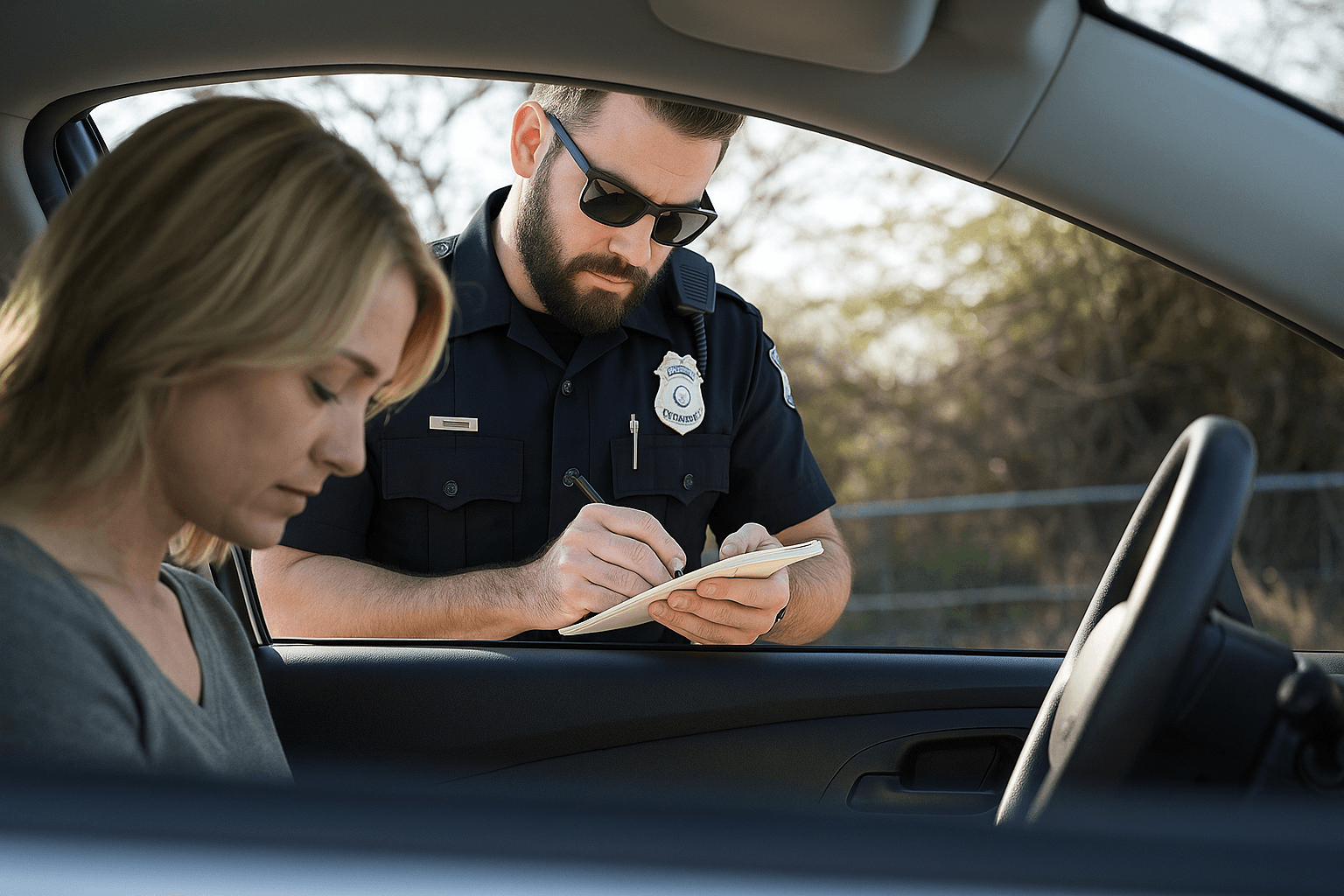
If you are pulled over during an SR-22 lapse period, the officer will cite you for driving without proof of insurance and driving while suspended. Both are misdemeanor offenses in Minnesota. The second charge carries potential jail time and mandatory extended revocation, which disqualifies you from reapplying for a Limited License for the duration of the new revocation period.
Finding Coverage That Accepts Minnesota Limited License SR-22 Filers
Not all carriers write SR-22 policies for Minnesota drivers with active suspensions. State Farm, GEICO, Progressive, and Dairyland write Limited License SR-22 policies in Minnesota. Bristol West and The General specialize in non-standard and post-suspension SR-22 filings. National General writes DWI-related SR-22 policies with interlock acceptance.
Carriers price Limited License SR-22 policies based on suspension cause, length of suspension, prior violations, age, and county. DWI suspensions carry the highest premiums. Points-accumulation and unpaid-fines suspensions carry mid-tier pricing. Uninsured-driving suspensions carry the lowest premiums among SR-22 filers because they indicate process failure, not high-risk driving behavior.
When comparing quotes, confirm the carrier will file SR-22 electronically with Minnesota DVS and provide a filing confirmation receipt within three business days. Request the receipt before submitting your Limited License petition. The court requires proof the SR-22 is on file with DVS, not just proof you purchased a policy — the carrier's transmission to DVS is what satisfies Minn. Stat. § 171.30, not the policy documents alone.