Maryland's restricted license requires SR-22 or FR-44 filing before your MVA hearing or DMV application—most drivers miss the enrollment window and lose hearing dates. Filing duration runs 3 years from conviction, not approval date.
When Maryland Requires SR-22 or FR-44 Filing for Restricted Licenses
Maryland requires SR-22 filing for DUI/DWI suspensions and FR-44 filing for drivers with BAC ≥ 0.15 or repeat DUI offenses before your restricted license hearing or application is processed. The Maryland Motor Vehicle Administration (MVA) will not schedule your Office of Administrative Hearings (OAH) contested case hearing until proof of enrollment appears in their electronic insurance verification system.
Drivers who wait until after their restricted license is granted lose critical weeks. The OAH hearing officer cannot approve restricted driving privileges without confirmation that SR-22 or FR-44 coverage is active. If your carrier has not yet transmitted the filing to MVA's system by your scheduled hearing date, the hearing officer will postpone your case or deny the petition outright.
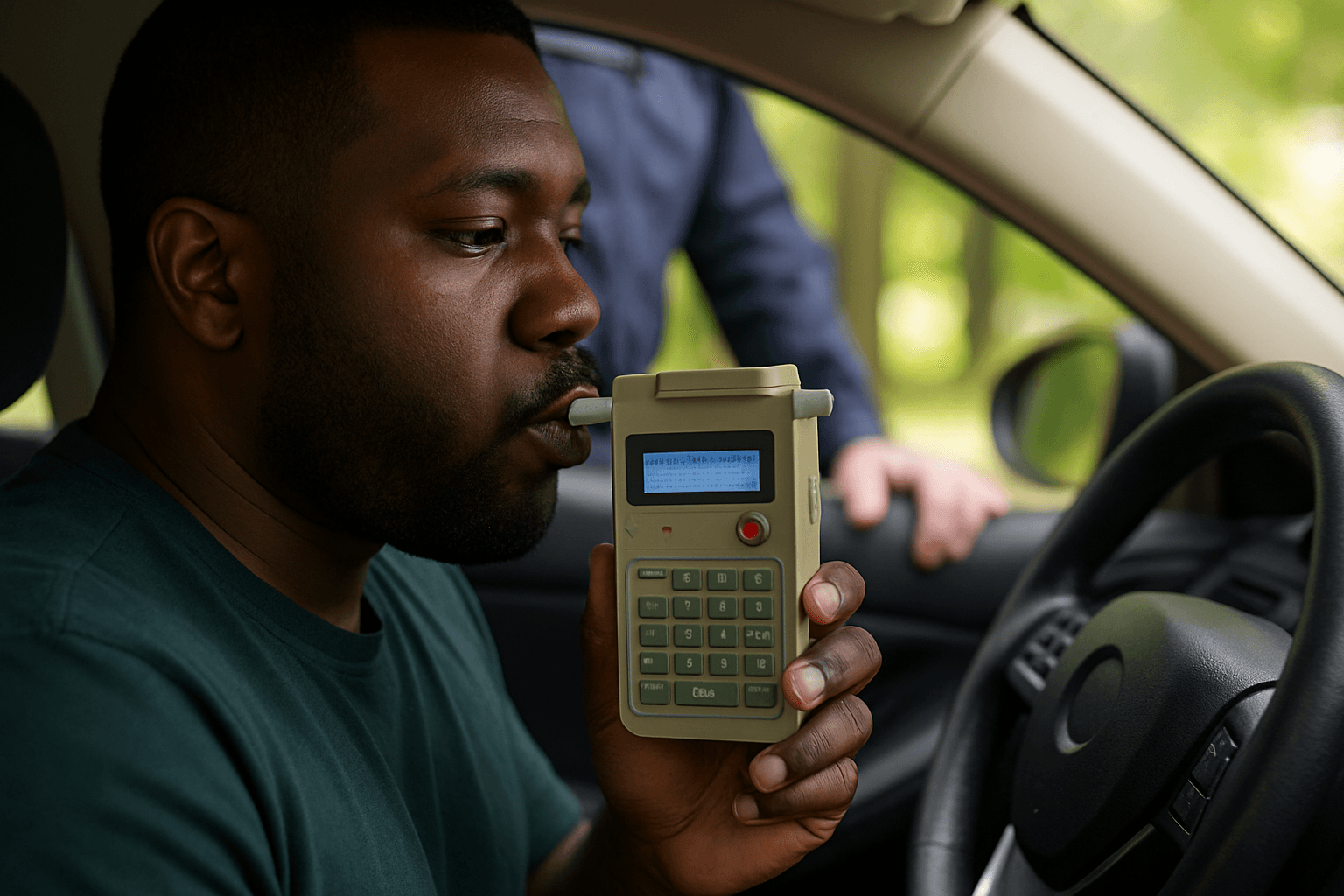
For DUI-related suspensions, Maryland Transportation Article §16-404.1 mandates enrollment in the Ignition Interlock System Program (IISP) as an alternative to serving the full administrative suspension. The IISP functions as Maryland's restricted license pathway for alcohol violations. SR-22 or FR-44 filing must be active before IISP enrollment is approved, and both must remain active for the entire interlock period—typically 1 year for first offenses, longer for BAC ≥ 0.15 or repeat offenses.
How Long SR-22 or FR-44 Filing Lasts After Restricted License Approval
Maryland requires 3-year SR-22 or FR-44 filing duration for DUI/DWI and most serious violations, measured from the conviction date, not the restricted license approval date or the date you complete your suspension. This means your filing obligation often extends well beyond the period you hold the restricted license itself.
If your DUI conviction occurred on March 1, 2024, your SR-22 filing must remain active until March 1, 2027, regardless of when your restricted license was granted or when your full license was reinstated. Drivers who cancel their SR-22 policy early trigger an automatic MVA notification, which can result in re-suspension of driving privileges even after full reinstatement.
FR-44 filing—required for drivers with BAC ≥ 0.15 at the time of arrest or second DUI offenses—carries the same 3-year duration but mandates higher liability coverage minimums: $60,000 per person, $120,000 per accident, and $30,000 property damage. This is double Maryland's standard $30,000/$60,000/$15,000 minimums. Premiums for FR-44 policies run 40-70% higher than SR-22 equivalents because of the elevated coverage requirement.
Compare car insurance rates in your state
Get quotes from licensed carriers — no obligation, no spam, results in minutes.
Get Your Free Quote✓ No Obligation Required✓ Licensed Carriers Only✓ Available Nationwide✓ Free to Compare
What Maryland MVA Requires Before Your Restricted License Hearing
Maryland's OAH restricted license hearing process requires proof of employment or documented need, SR-22 or FR-44 insurance certificate, completed MVA application, ignition interlock enrollment documentation for DUI cases, and court order or hearing documentation. The hearing officer will not proceed without confirmation that all five elements are complete and verifiable in MVA's system.
Most drivers miss the 10-day request window to challenge the administrative suspension. Maryland Transportation Article §16-205.1 allows drivers to request an OAH hearing within 10 days of receiving the Order of Suspension. Missing this window waives your right to contest the suspension administratively, leaving only the restricted license pathway available after the hard suspension period expires.
The OAH hearing officer has broad discretion to define route and time restrictions. Unlike some states where restricted licenses automatically cover work, school, and medical appointments, Maryland's system is case-specific. The hearing officer may limit your driving to specific hours, specific routes, or specific purposes based on the documentation you provide. If your employer does not submit a detailed letter stating your work schedule, job location, and why you cannot use alternative transportation, the hearing officer may deny the petition or impose narrower restrictions than you need.
Ignition interlock enrollment must be completed before the hearing for DUI-related suspensions. Maryland contracts with multiple IID vendors, and proof of installation must appear in MVA's system before the OAH hearing date. Drivers who schedule installation after their hearing receive automatic postponements, which can delay restricted driving privileges by 4-6 weeks.
How Maryland's Ignition Interlock System Program Changes SR-22 Timing
Maryland's IISP allows eligible DUI/DWI drivers to avoid the full administrative suspension by enrolling in the interlock program before the suspension takes effect. Drivers who choose this pathway never serve a hard suspension period but must maintain SR-22 or FR-44 filing for the entire interlock duration plus the remaining balance of the 3-year filing requirement.
Drivers with BAC between 0.08-0.14 face a 1-year mandatory interlock period under IISP. Drivers with BAC ≥ 0.15 face longer periods, often 18-24 months depending on prior violations. The SR-22 filing must remain active for the full 3 years from conviction, meaning most drivers maintain SR-22 coverage for 2+ years after their interlock device is removed.
Violating interlock program rules triggers automatic re-suspension and extends the filing requirement. Maryland Transportation Article §16-404.1 defines program violations as skipped calibration appointments, failed breath tests, tampering with the device, or driving a non-interlock vehicle. A single violation restarts the interlock clock and adds 3-6 months to your filing duration. Two violations in a 12-month period result in full license revocation and require restarting the entire IISP process from scratch.
What SR-22 and FR-44 Policies Cost During Maryland Restricted License Period
Maryland SR-22 policies for drivers with restricted licenses typically cost $140-$240/month depending on age, county, and violation history. FR-44 policies run $190-$320/month because of the doubled liability coverage minimums. These estimates are based on available industry data; individual rates vary by driving history, vehicle type, and coverage selections.
The total cost stack for Maryland restricted license holders includes the $45 MVA reinstatement fee, $70-$100 IID installation fee, $80-$110/month IID lease and calibration fees, SR-22 or FR-44 filing fee ($25-$50 one-time), and the premium itself. Over a 1-year interlock period with SR-22 filing, total costs typically reach $3,200-$4,800. FR-44 filers pay $1,000-$1,500 more over the same period.
Non-owner SR-22 or FR-44 policies are available for drivers without vehicles during their restricted license period. Non-owner policies provide liability coverage when you drive borrowed or rented vehicles and satisfy Maryland's SR-22 filing requirement, but they do not cover a vehicle you own or regularly use. Monthly premiums run $80-$160 for non-owner SR-22, $110-$210 for non-owner FR-44. If you purchase a vehicle later, you must convert to a standard policy before the first drive.
How to Maintain SR-22 Filing After Maryland Reinstates Your Full License
Maryland drivers regain full driving privileges after completing their restricted license period, ignition interlock program, and any court-ordered requirements, but the SR-22 or FR-44 filing obligation continues until the full 3-year period from conviction expires. Most drivers are unaware their filing requirement outlasts their license restrictions by 1-2 years.
Canceling your SR-22 policy early triggers an automatic MVA notification within 48 hours. Maryland uses the Maryland Insurance Verification Exchange (MIVE) system to monitor all policy cancellations, lapses, and coverage changes in near-real-time. If your carrier reports cancellation before the 3-year filing period ends, MVA issues a new suspension notice within 10-15 days. Reinstatement after a filing-lapse suspension requires paying the $45 reinstatement fee again and re-filing SR-22 or FR-44, which restarts the 3-year clock from the new filing date.
Switching carriers during your filing period is permitted but requires coordination. Your new carrier must file SR-22 or FR-44 before your old policy cancels. A gap of even one day between policies triggers the automatic MVA suspension process. Contact your new carrier 7-10 days before your renewal date to confirm they have transmitted the SR-22 filing to MVA before you cancel your old policy.