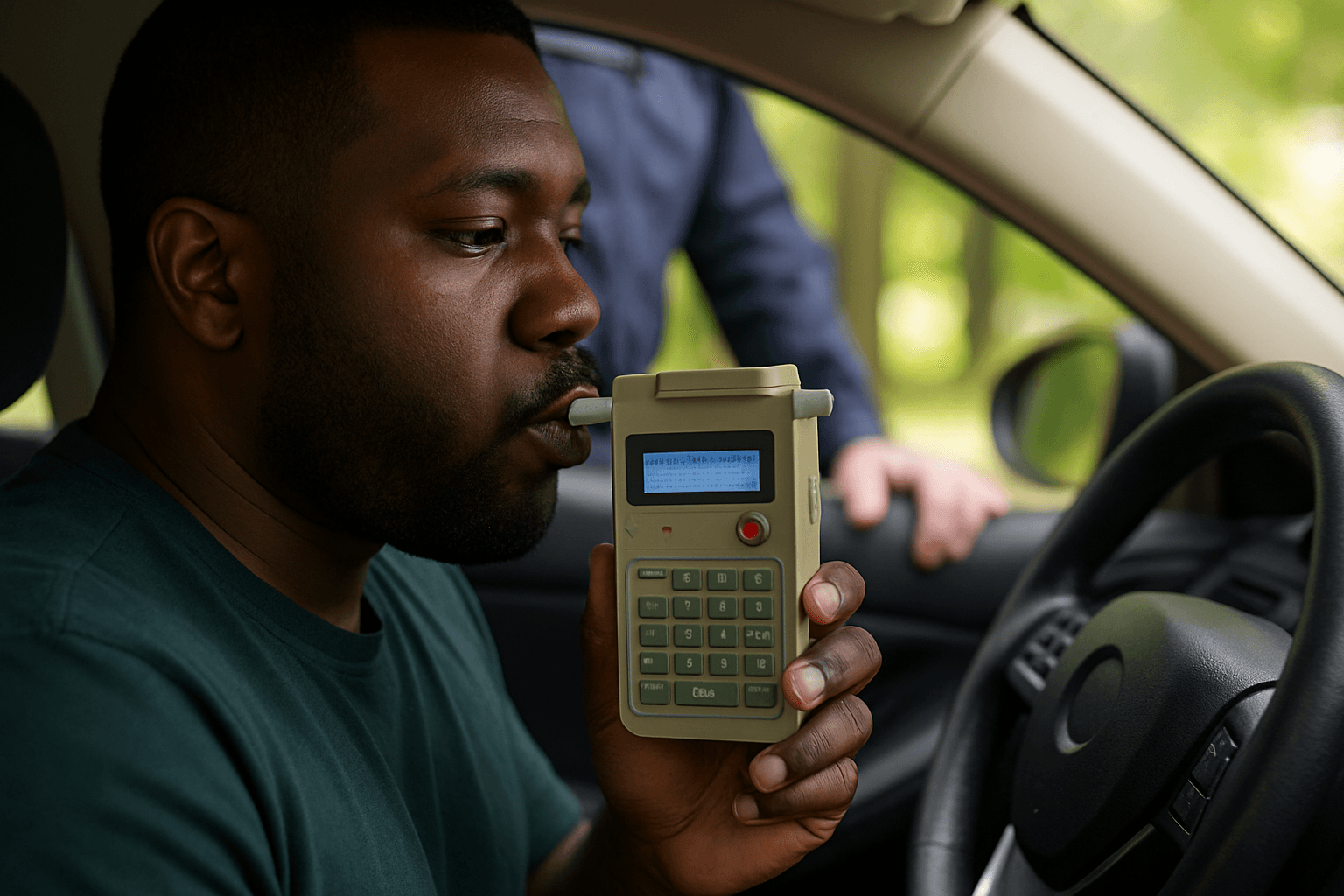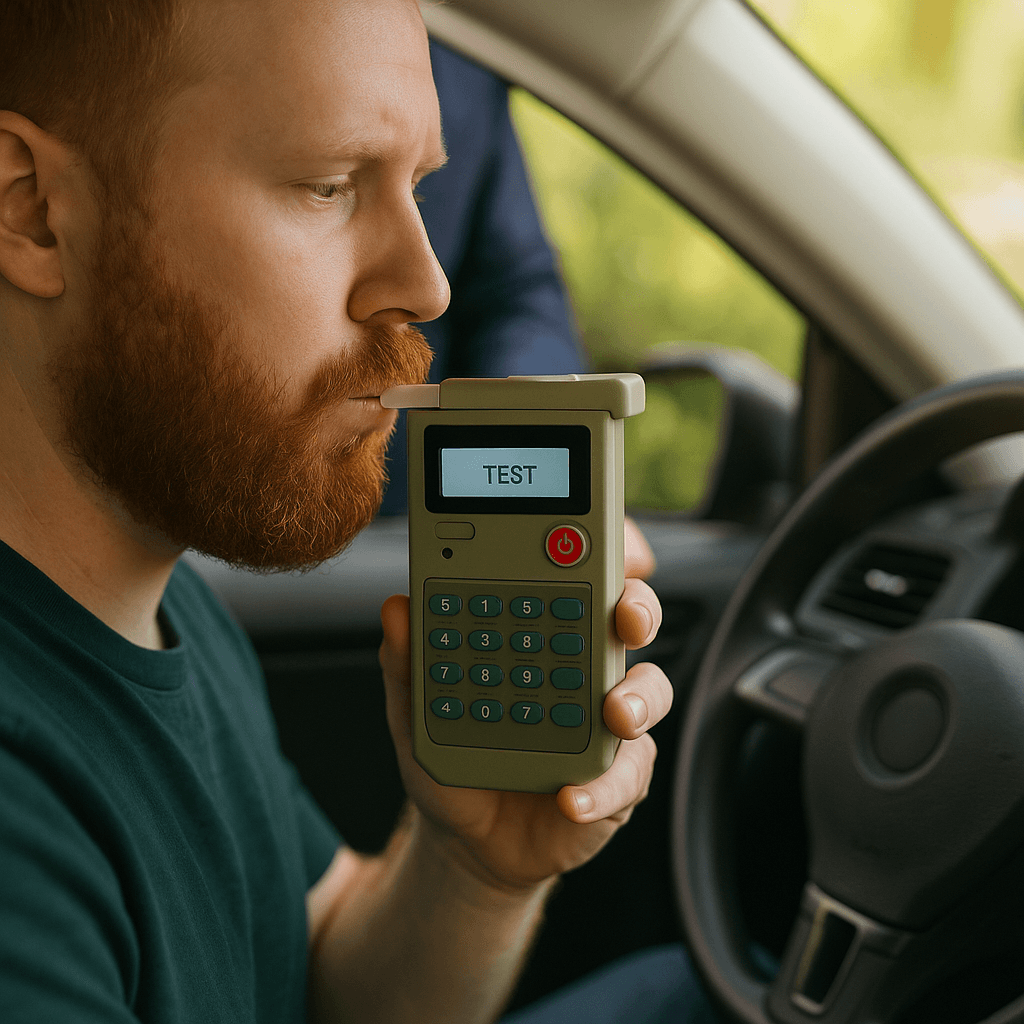
Connecticut requires ignition interlock installation before Special Operation Permit approval. Drivers who file SR-22 first and install the device second face application rejection and restart the 45-day hard suspension clock.
Why Connecticut Requires Ignition Interlock Before Special Operation Permit Approval
Connecticut General Statute § 14-37a mandates ignition interlock device installation as a prerequisite for Special Operation Permit eligibility after DUI-related suspensions. The DMV will not process your SOP application until you submit proof of IID installation from a state-approved vendor.
This creates a specific filing sequence problem. Most drivers assume they need SR-22 insurance first, then the device, then the permit. That sequence fails in Connecticut. The state requires device installation proof at the time of SOP application, which means the IID must be installed and operational before you can submit your permit paperwork.
The 45-day hard suspension period for first-offense OUI must be fully served before either SOP or interlock license eligibility begins. No driving is permitted during this window, even with insurance and device installation complete. Day 46 is when your eligibility clock starts, and the device must already be installed by that date to avoid processing delays.
The Correct Filing Sequence: Device, Then Insurance, Then Permit Application
Schedule IID installation during your hard suspension period, ideally around day 30 to 40. Connecticut-approved vendors include LifeSafer, Intoxalock, Smart Start, and Guardian Interlock. Installation costs typically run $75 to $150, with monthly lease fees of $60 to $90.
Once the device is installed, the vendor provides a Connecticut DMV-recognized installation certificate. This certificate is a required document for your SOP application. File for SR-22 insurance immediately after device installation—your carrier needs to confirm coverage on a vehicle equipped with an interlock device, and some carriers require vehicle inspection before issuing the certificate.
Submit your Special Operation Permit application to the Connecticut DMV with three documents: the IID installation certificate, the SR-22 certificate from your insurer, and proof of your essential need (employment verification, medical appointment documentation, or educational enrollment proof). The DMV processes SOP applications within 10 to 15 business days when all documents are submitted together. Missing the IID certificate triggers automatic rejection and restarts your processing timeline.
Compare car insurance rates in your state
Get quotes from licensed carriers — no obligation, no spam, results in minutes.
Get Your Free Quote✓ No Obligation Required✓ Licensed Carriers Only✓ Available Nationwide✓ Free to Compare
What Happens If You File SR-22 Before Device Installation
Connecticut DMV treats incomplete SOP applications as non-filed. If you submit SR-22 proof without the IID installation certificate, your application sits in pending status until the missing document arrives. The DMV does not begin processing until all three required documents are on file.
This creates a practical problem: your SR-22 filing date starts your three-year continuous coverage requirement with the state, but your permit approval is delayed by however long it takes to install the device and resubmit documentation. You are paying for SR-22 coverage during a period when you still cannot legally drive.
Some drivers discover this sequence error only after their SOP application is rejected. Connecticut DMV rejection notices cite missing documentation but do not always specify the IID certificate by name. Drivers assume their employment proof was insufficient and resubmit that document, wasting another two weeks before discovering the actual problem.
How Long Connecticut SR-22 Filing Lasts After Special Operation Permit Approval
Connecticut requires three years of continuous SR-22 filing for DUI-related suspensions. The three-year clock starts the day your insurer files the SR-22 certificate with the Connecticut DMV, not the day your Special Operation Permit is approved.
If you file SR-22 on day 45 (immediately after your hard suspension ends) but don't receive SOP approval until day 60 due to IID installation delays, your SR-22 requirement still runs from day 45. You are paying for coverage you cannot use during that 15-day gap.
The SR-22 filing must remain active and continuous for the full three years. Any lapse in coverage—even one day—triggers automatic suspension of your SOP and requires reinstatement fees of $175 plus a new SR-22 filing to restart the three-year clock. Connecticut uses an electronic insurance compliance system that reports carrier cancellations to the DMV within 24 hours.
Special Operation Permit Route and Time Restrictions With Interlock Devices
Connecticut SOPs restrict driving to essential purposes: employment, medical treatment, educational activities, and court-ordered programs. The permit specifies approved routes and time windows based on your documented need. If your employer schedules you Monday through Friday 7 AM to 4 PM at a specific address, your SOP authorizes only that route during those hours.
The ignition interlock device records every trip: start time, end time, route duration, and failed breath test attempts. Connecticut DMV reviews IID data logs every 30 days. Driving outside your approved SOP routes or hours triggers a violation notice even if you passed all breath tests during that trip.
SOP violations result in immediate permit revocation. Connecticut does not issue warnings for route or time breaches. The DMV sends a revocation notice by mail, and your SOP is void the day the notice is dated. Reinstatement after SOP revocation requires serving the remainder of your original suspension period with no restricted driving allowed, plus new application fees and device reinstallation costs.
Cost Breakdown: Device, Filing, and Permit Fees Combined
Ignition interlock installation: $75 to $150 upfront, $60 to $90 per month lease. For a typical 12-month SOP period, total device cost runs $795 to $1,230.
SR-22 filing fee: $15 to $50 depending on carrier. This is separate from your premium increase. Connecticut drivers with DUI suspensions typically see monthly premiums rise from $85 to $190 per month for liability coverage to $140 to $280 per month with SR-22 filing attached. Estimates based on available industry data; individual rates vary by driving history, vehicle, coverage selections, and location.
Special Operation Permit application fee: Connecticut does not charge a separate SOP application fee at the DMV level, but some drivers pay administrative processing fees to vendor services that file paperwork on their behalf. Verify current requirements with your state DMV, as processing policies change periodically.
Reinstatement fee after full suspension ends: $175, paid to Connecticut DMV before your unrestricted license is returned. This fee is required even if you successfully completed the SOP period and maintained SR-22 coverage throughout.
Finding SR-22 Coverage That Works With Connecticut IID Requirements
Not all carriers write SR-22 policies for vehicles equipped with ignition interlock devices in Connecticut. Geico, Progressive, and Bristol West confirm IID-compatible SR-22 filing in the state, but each requires vehicle inspection documentation before issuing the certificate.
If you do not own a vehicle, non-owner SR-22 policies do not satisfy Connecticut SOP requirements. The state requires the SR-22 to be filed on the specific vehicle equipped with the IID. Drivers without vehicle ownership must purchase or lease a vehicle, install the interlock device on that vehicle, and then file SR-22 on that VIN before SOP eligibility.
Carriers calculate SR-22 premiums based on the underlying violation, your age, and your county. Hartford County and Fairfield County drivers typically see higher premiums than New Haven or Windham County residents due to population density and claim frequency. Request quotes from at least three carriers after device installation is complete—premium variation for the same coverage profile can exceed 40 percent between the lowest and highest bid.