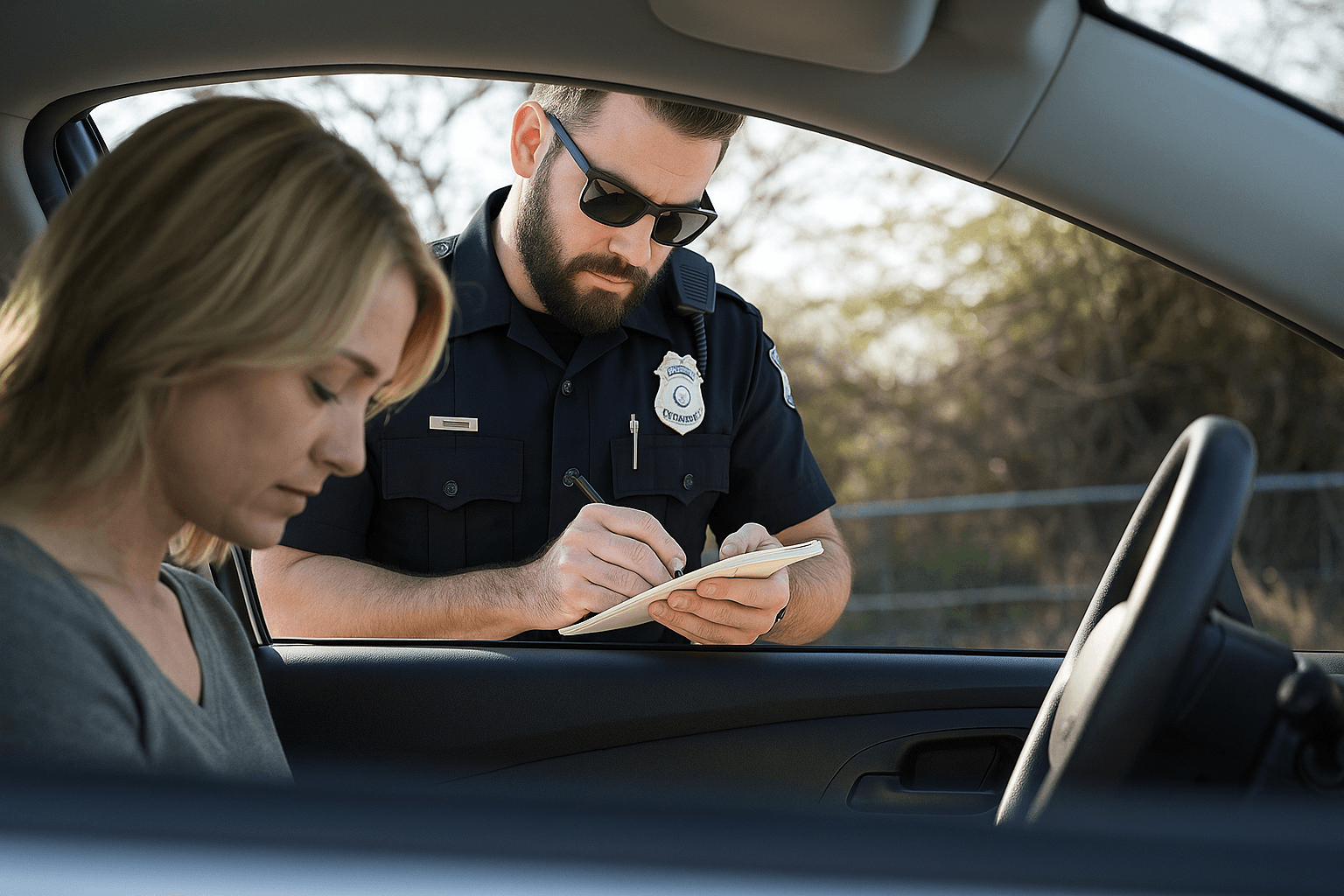
Colorado allows early reinstatement with ignition interlock immediately after suspension — but SR-22 filing must be active before the DMV issues your probationary license, and most carriers need 3-5 business days to process the filing after you apply.
When SR-22 Filing Must Be Active Before Colorado Issues Your Probationary License
Colorado requires proof of SR-22 insurance on file with the DMV before issuing an Early Reinstatement or Probationary License. The SR-22 filing itself — not just the policy application — must show as active in the state's electronic verification system when the DMV processes your hardship application. Most carriers submit the SR-22 electronically within 3-5 business days after you purchase the policy, but processing lag varies by carrier and by whether you already held a policy with that carrier before suspension.
The timing gap creates a predictable failure mode: drivers purchase SR-22 coverage on Monday, submit hardship paperwork to the DMV on Tuesday, and receive a denial notice on Wednesday because the carrier's filing had not yet posted to the state database. Colorado's system checks real-time — the DMV employee processing your application sees either an active SR-22 or nothing. Paper filings can take 7-10 business days; electronic filings average 3-5 days but are not instant.
Verify filing status directly with your carrier before submitting hardship application documents. Ask for confirmation that the SR-22 has been transmitted to the Colorado DMV and appears active in the state system. Do not rely on policy effective dates — the policy can be active before the SR-22 filing posts.
How Colorado's Ignition Interlock Early Reinstatement Program Eliminates the Hard Suspension Period
Colorado allows DUI-related suspensions to bypass the traditional hard suspension period entirely if the driver enrolls in the ignition interlock restricted license program immediately. Under C.R.S. § 42-2-132.5, drivers can apply for early reinstatement with an ignition interlock device essentially from the start of the revocation period — Colorado does not impose a mandatory waiting period before IID-based restricted driving becomes available for first-offense cases.
This structure creates a narrow procedural window: the faster you complete SR-22 filing, IID installation, and hardship application submission, the fewer total days you spend unable to drive legally. Drivers who act within the first week after suspension often restore limited driving privileges within 10-14 days. Drivers who delay SR-22 filing or IID enrollment by two weeks lose those two weeks permanently — Colorado's early reinstatement clock does not backdate.
Second and subsequent DUI offenses carry stricter timelines. Drivers designated as persistent drunk drivers (two or more DUI/DWAI offenses) face a mandatory two-year IID requirement regardless of when they apply. The early reinstatement pathway remains open, but the IID term lengthens and the state's revocation period extends. The SR-22 filing requirement remains consistent across first and subsequent offenses: 3 years from the date the filing becomes active.
Compare car insurance rates in your state
Get quotes from licensed carriers — no obligation, no spam, results in minutes.
Get Your Free Quote✓ No Obligation Required✓ Licensed Carriers Only✓ Available Nationwide✓ Free to Compare
SR-22 Filing Duration Runs Concurrently With Your IID Requirement and License Restrictions
Colorado requires SR-22 filing for 3 years after a DUI-related suspension, measured from the date the filing becomes active — not the date of conviction, not the date of arrest, not the date of suspension notice. The 3-year clock starts when your carrier's SR-22 posts to the state system. If your carrier submits the filing on March 10, your 3-year term ends March 9 three years later.
The SR-22 period runs concurrently with your ignition interlock requirement and any probationary license restrictions. Most first-offense DUI drivers in Colorado complete their IID term (typically 8-24 months depending on BAC level and compliance) before the SR-22 term expires. You must maintain continuous SR-22 coverage through the full 3-year period even after the IID is removed and full driving privileges are restored. Lapse in SR-22 during the required period triggers a new suspension under Colorado's electronic insurance verification system.
The state does not send reminders when your SR-22 term is approaching expiration. Verify your SR-22 end date with your carrier in writing when the filing is first submitted, and set a calendar reminder six months before expiration to confirm whether the state has released the requirement early. Some counties release SR-22 obligations after reinstatement hearings; most enforce the full 3-year term.
What Happens If Your SR-22 Lapses Before the Hardship Application Is Approved
Colorado's electronic insurance verification system flags SR-22 lapses within 24-48 hours of carrier notification. If your SR-22 lapses after you submit hardship application documents but before the DMV processes your approval, the DMV denies the application automatically — even if all other requirements were satisfied. The denial notice typically states "proof of financial responsibility not on file" or similar language.
Restarting after a lapse requires purchasing new SR-22 coverage and resubmitting the entire hardship application packet. The DMV does not hold your application open while you resolve the lapse. Processing timelines reset to day one. Drivers who experience lapse-related denials typically lose 2-4 additional weeks of restricted driving eligibility.
Non-owner SR-22 policies carry higher lapse risk than standard policies because drivers often cancel them once they regain access to a household vehicle or believe the hardship period has ended. Non-owner SR-22 serves as proof of financial responsibility when you do not own a vehicle but need to meet state filing requirements. If you purchase non-owner SR-22 to meet hardship application requirements, maintain the policy continuously through the full 3-year term even if you later purchase a vehicle and add standard coverage. Transfer the SR-22 endorsement to the new policy rather than canceling the non-owner policy outright.
Cost Structure for SR-22 Filing, IID Installation, and Colorado Hardship Application Fees
Colorado charges a $95 base reinstatement fee for standard uninsured motorist suspensions. DUI-related early reinstatement fees vary by county and by whether the suspension stems from an administrative Express Consent revocation or a court-ordered conviction. Expect total DMV and court fees between $150-$400 depending on jurisdiction. The hardship application itself does not carry a separate filing fee in most Colorado counties, but associated costs (certified copies of court orders, notarized affidavits, etc.) add $20-$60.
Ignition interlock device installation costs $75-$150 upfront, plus monthly monitoring fees of $60-$90. Over a 12-month IID term, total device costs range $800-$1,200. SR-22 filing fees are typically $25-$50 one-time, paid to your carrier at policy inception. The SR-22 endorsement itself does not increase your premium — your suspension and violation history increase your premium, and the SR-22 filing documents that higher-risk status to the state.
Premium increases for DUI-related SR-22 policies in Colorado typically range $140-$280/month depending on age, county, and prior insurance history. Drivers under 25 or drivers with multiple violations see higher increases. Non-owner SR-22 policies cost $40-$80/month and meet Colorado's filing requirement when you do not own a vehicle. Estimates based on available industry data; individual rates vary by driving history, vehicle, coverage selections, and location.
Why Most Colorado Drivers Choose Standard SR-22 Over Non-Owner SR-22 Even Without a Vehicle
Non-owner SR-22 policies provide liability coverage when you drive a vehicle you do not own — a friend's car, a rental, a household vehicle titled to someone else. Colorado accepts non-owner SR-22 as proof of financial responsibility for hardship license purposes. The policy costs less than standard SR-22 coverage because it excludes collision and comprehensive coverage and does not attach to a specific vehicle.
Drivers who anticipate purchasing a vehicle within 6-12 months often choose standard SR-22 attached to a vehicle they plan to buy or a household vehicle they will later title in their name. Switching from non-owner SR-22 to standard SR-22 mid-term requires canceling the non-owner policy, purchasing standard coverage, and ensuring the SR-22 endorsement transfers without lapse. Most carriers handle the transition smoothly, but processing gaps of 2-5 days are common and any gap triggers suspension.
If you do not own a vehicle and do not anticipate owning one during your hardship period, non-owner SR-22 is the correct choice. If you own a vehicle or share title with a household member, standard SR-22 attached to that vehicle avoids the mid-term transfer risk entirely. Verify which policy type your situation requires before purchasing — switching after the fact introduces lapse risk and delays your hardship application timeline.