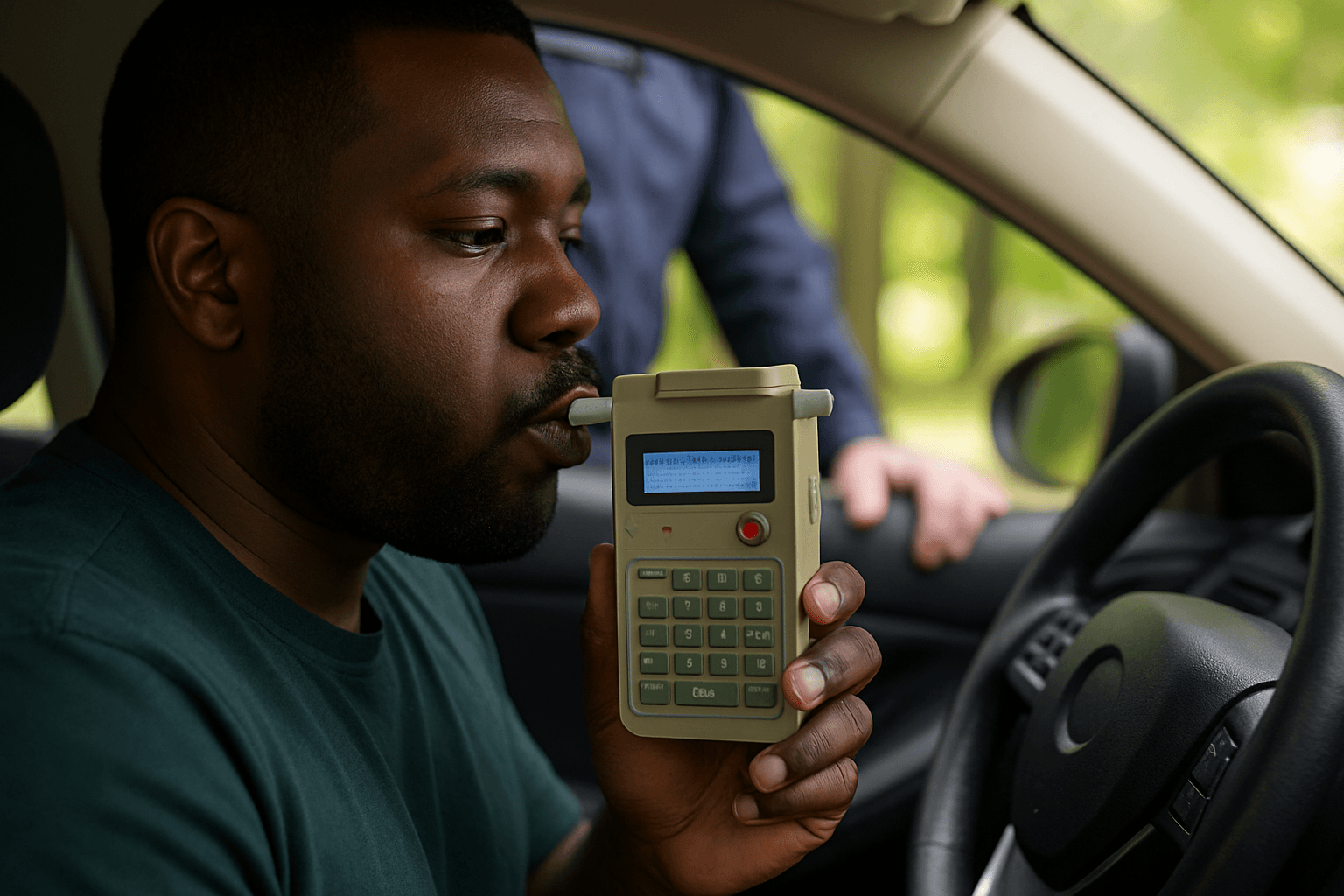
North Carolina judges approve your LDP petition, but your SR-22 filing isn't active yet. That gap costs drivers their privilege before they ever turn a key.
The Judge Grants Your Limited Driving Privilege — But You Cannot Drive Yet
North Carolina district and superior court judges issue Limited Driving Privilege orders immediately upon approval — the signed order is your proof of privilege. The confusion starts when drivers assume the signed order is enough to drive legally. It is not.
North Carolina requires an SR-22 financial responsibility certificate filed with NCDMV before you can operate a vehicle under your LDP. The judge's approval opens the pathway, but the SR-22 activation closes the insurance compliance loop. Most carriers take 24 to 72 hours to file SR-22 electronically with NCDMV after you purchase coverage. Until NCDMV receives and processes that SR-22 filing, your privilege is not enforceable.
Drivers who operate a vehicle during this gap — even with the signed court order in hand — are legally driving on a suspended license. NCDMV's electronic verification system does not show your privilege as active until the SR-22 appears in their database. If stopped by law enforcement during that window, the officer's system shows suspended status, and the stop typically results in immediate arrest for driving while license revoked.
How SR-22 Filing Timing Works in North Carolina
When you purchase an SR-22 auto insurance policy in North Carolina, the carrier electronically transmits your SR-22 certificate to NCDMV through the state's eDMV system. Filing is not instant. Carriers batch-transmit SR-22 certificates throughout the business day, and NCDMV processes incoming filings in sequence.
Typically, SR-22 certificates appear in NCDMV's system within 24 hours of policy purchase. Some carriers file same-day if you purchase coverage before their transmission cutoff time — usually mid-afternoon. Weekend and holiday purchases delay filing until the next business day. NCDMV does not process SR-22 filings outside normal business hours.
Your privilege becomes enforceable the moment NCDMV processes your SR-22 filing and links it to your license record. Not when the judge signs the order. Not when you purchase the policy. When NCDMV's system shows the SR-22 as active. You can verify SR-22 filing status by calling NCDMV's License and Theft Bureau at 919-715-7000 or by checking your online myNCDMV account if your license record is accessible there.
Compare car insurance rates in your state
Get quotes from licensed carriers — no obligation, no spam, results in minutes.
Get Your Free Quote✓ No Obligation Required✓ Licensed Carriers Only✓ Available Nationwide✓ Free to Compare
What Happens If You Drive Before SR-22 Activation
Driving on a signed LDP order before your SR-22 certificate is active in NCDMV's system is treated as driving while license revoked under North Carolina General Statutes § 20-28. This is a Class 1 misdemeanor. Officers do not have discretion to accept your court order as proof of privilege when their system shows suspended or revoked status.
A conviction for driving while license revoked (DWLR) during your LDP period typically results in immediate revocation of your Limited Driving Privilege. The court will not reinstate the privilege while a new DWLR charge is pending. You will serve the remainder of your original suspension period without any driving privileges, and you will face additional criminal penalties: up to 120 days in jail, fines up to $1,000, and an extended revocation period of one year minimum after disposition of the DWLR charge.
Judges who issue LDPs do not track SR-22 filing separately. The court assumes you understand the SR-22 requirement stated in your court order and that you will not operate a vehicle until your insurance filing is active. That assumption is why the gap catches so many drivers.
How to Sequence Court Approval and SR-22 Filing Correctly
The safest sequence is to purchase SR-22 coverage before your court hearing. Many drivers assume they should wait until the judge approves their LDP petition to avoid wasting money on coverage they might not need. That logic creates the dangerous gap.
Purchase your SR-22 policy two to three business days before your scheduled court date. The carrier files your SR-22 certificate with NCDMV immediately upon policy activation. By the time the judge signs your LDP order, your SR-22 is already on file and active in NCDMV's system. You can drive legally as soon as the judge grants your privilege — no waiting period, no verification delay, no gap exposure.
If you already have your signed LDP order but have not yet purchased SR-22 coverage, purchase it immediately and wait 48 hours minimum before operating any vehicle. Call NCDMV on the third day to confirm your SR-22 filing is active before you drive. This waiting period feels frustrating when you have court permission to drive, but it is the only way to avoid a DWLR charge that will cost you the privilege entirely.
What SR-22 Coverage Looks Like for North Carolina LDP Holders
North Carolina requires minimum liability coverage of $50,000 per person for bodily injury, $100,000 per accident for bodily injury, and $50,000 for property damage. SR-22 certificates filed with NCDMV must meet or exceed these minimums. Most carriers writing SR-22 policies in North Carolina default to 50/100/50 limits unless you request higher coverage.
If you do not own a vehicle, you can purchase a non-owner SR-22 policy. Non-owner policies provide liability coverage when you drive vehicles you do not own — borrowed cars, rental cars, or vehicles owned by household members. Non-owner SR-22 premiums in North Carolina typically range from $40 to $90 per month depending on your violation history and age. Standard SR-22 policies for owned vehicles typically cost $140 to $220 per month for drivers with DWI revocations or uninsured motorist violations.
SR-22 filing itself carries no separate fee in North Carolina — carriers include the cost of filing in your premium. Some carriers charge a one-time policy setup fee of $15 to $25 when you purchase SR-22 coverage, but this is not a state-mandated SR-22 filing fee. Estimates based on available industry data; individual rates vary by driving history, vehicle, coverage selections, and location.
How Long You Must Maintain SR-22 Filing in North Carolina
The duration of your SR-22 filing requirement depends on the violation that triggered your suspension. DWI convictions typically require three years of continuous SR-22 filing measured from your conviction date or your license reinstatement date, whichever North Carolina statute governs your case. Uninsured motorist violations typically require three years of SR-22 filing from the date your license is reinstated.
Your SR-22 filing period runs continuously. If your policy lapses or cancels for any reason during the required filing period, your carrier is required to notify NCDMV electronically within 10 days. NCDMV will immediately suspend or revoke your license and your Limited Driving Privilege. There is no grace period. The lapse triggers automatic suspension even if you purchase new coverage the same day.
To reinstate your license after an SR-22 lapse, you must pay a $50 civil penalty plus the standard $65 license restoration fee, file a new SR-22 certificate, and restart your entire SR-22 filing period from the beginning. A lapse six months into a three-year SR-22 requirement resets the clock to zero — you will serve three full years from the date of reinstatement, not the remaining two and a half years.