Most states require separate SR-22 certificates for each vehicle on a hardship license—even if you only drive one. The filing structure determines your premium, your coverage gaps, and whether your restricted privilege survives a policy lapse.
Why Multi-Vehicle Hardship Setups Require Multiple SR-22 Certificates
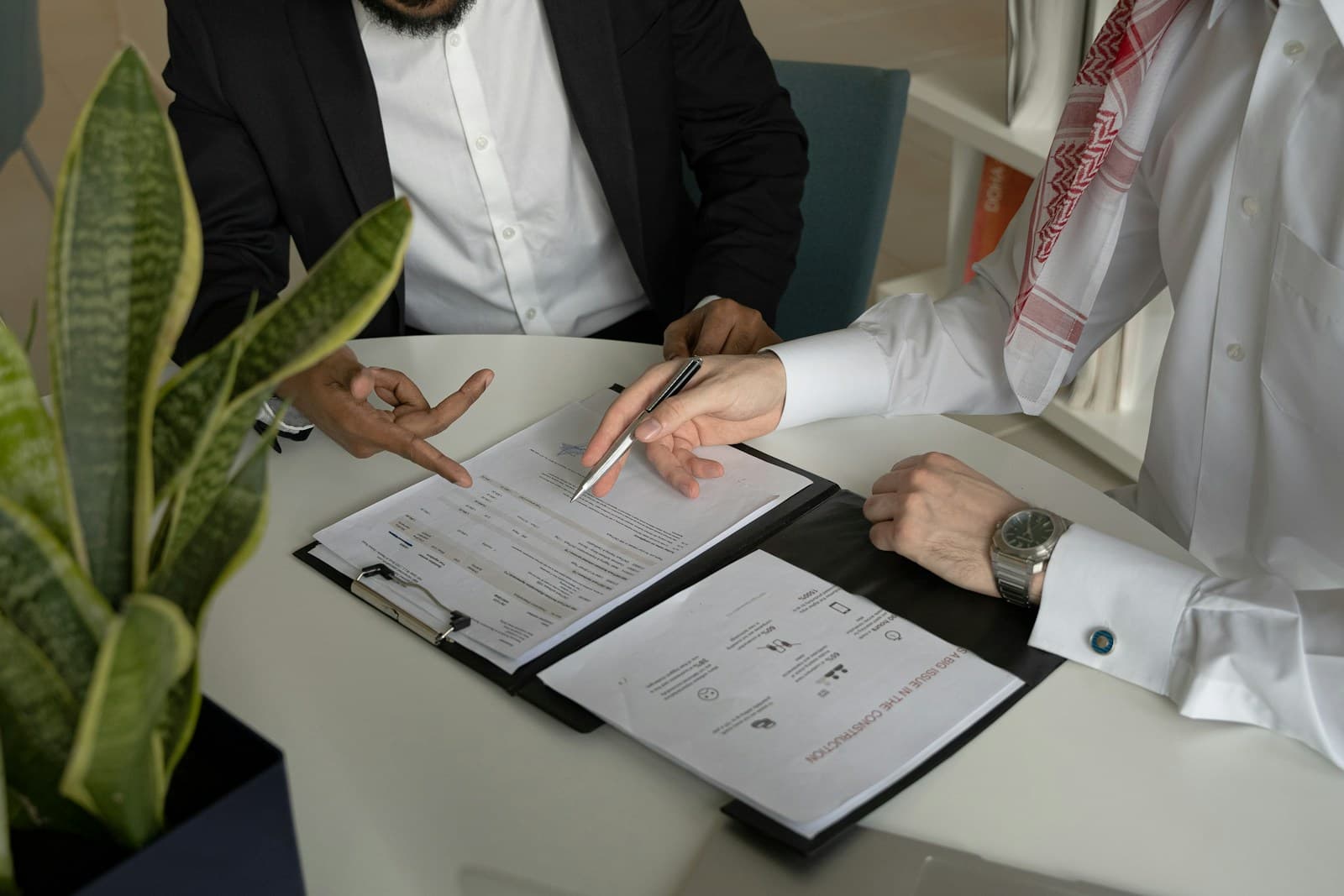
When you list two or more vehicles on a hardship license application, most state DMVs require individual SR-22 certificates for each vehicle named. The SR-22 filing is not a blanket certification that you carry insurance. It is a vehicle-specific proof-of-coverage certificate tied to a particular VIN and policy number.
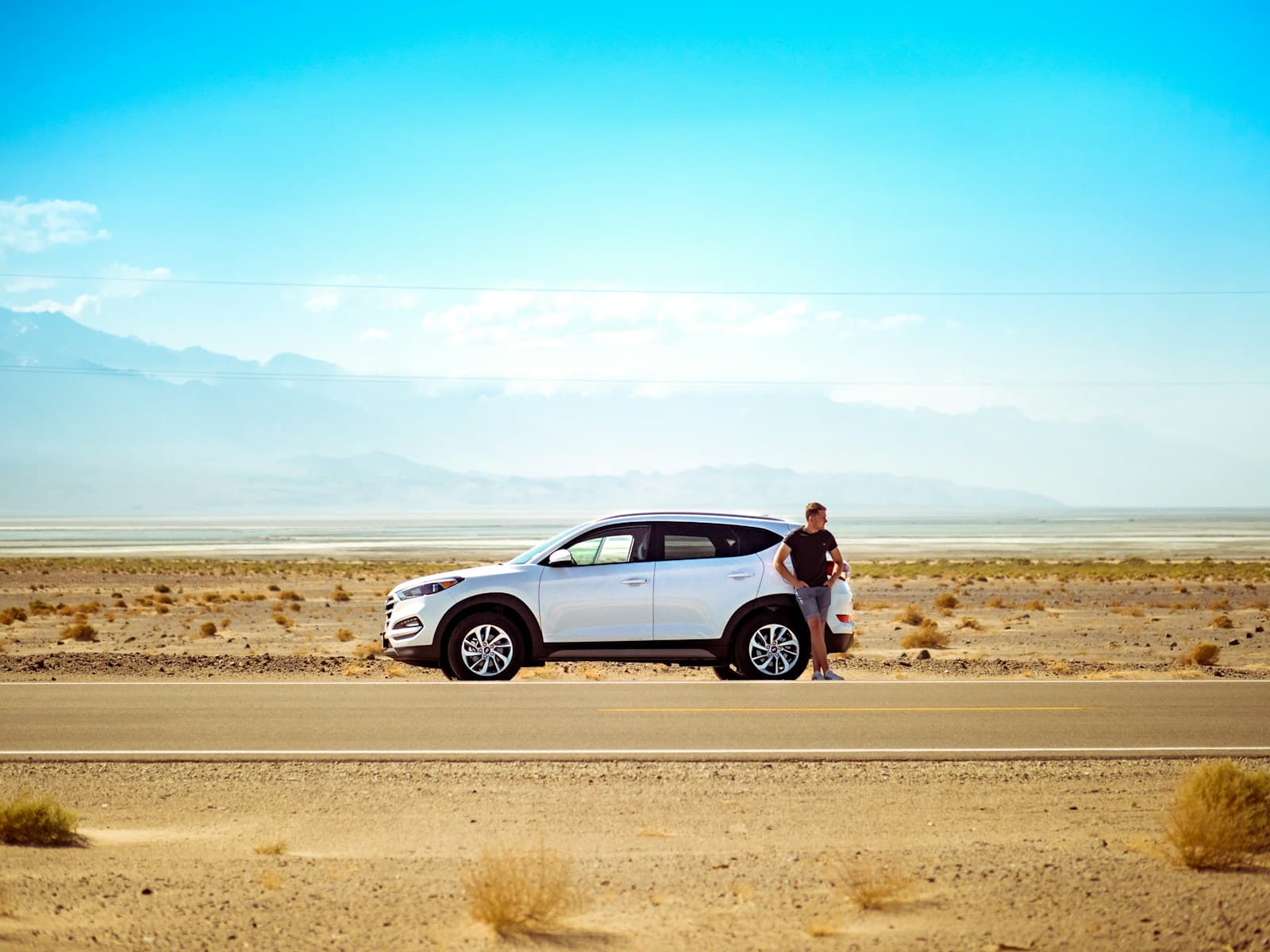
If you list a 2018 Toyota Camry and a 2020 Ford F-150 on your hardship petition, you need two separate SR-22 forms filed with the state—one for the Camry, one for the F-150. If only one vehicle carries an active SR-22 and the other does not, the DMV treats the uncertified vehicle as uninsured under your restricted license terms. That gap triggers automatic revocation in most jurisdictions, even if you never drive the second vehicle.
The multi-vehicle SR-22 requirement exists because hardship licenses restrict where and when you can drive, not which vehicle you can drive. If your hardship order permits work commutes and medical appointments, the state assumes you may use any vehicle listed on the application for those purposes. The DMV wants proof that every vehicle you access during your restricted period meets state liability minimums and that your carrier will notify the state immediately if coverage lapses on any of them.
How to Structure Coverage for Two Vehicles Under One Hardship License
You have three filing structure options when a hardship license covers multiple vehicles.
Option one: maintain full liability coverage on both vehicles under a single multi-vehicle policy and request two SR-22 certificates from the same carrier, one per VIN. Most standard and non-standard carriers will file multiple SR-22 forms under one policy number at no additional charge beyond the initial SR-22 fee, which typically ranges from $25 to $50 per filing. This is the cleanest option if you own both vehicles and drive both regularly.
Option two: insure the primary vehicle with full liability coverage plus SR-22 filing, and insure the secondary vehicle with liability-only coverage plus SR-22 filing under the same carrier. This reduces premium cost on the vehicle you drive less frequently while maintaining the required certification for both. The carrier files two separate SR-22 forms with the DMV, each tied to its respective VIN and coverage line.
Option three: park the second vehicle and remove it from your hardship application entirely, then purchase a single-vehicle policy with one SR-22 filing. If the second vehicle sits unused in a garage or driveway, removing it from your restricted license petition eliminates the second SR-22 requirement and cuts your premium significantly. You cannot legally drive the parked vehicle during your hardship period, but you eliminate the compliance risk of maintaining dual certifications.
Compare car insurance rates in your state
Get quotes from licensed carriers — no obligation, no spam, results in minutes.
Get Your Free Quote✓ No Obligation Required✓ Licensed Carriers Only✓ Available Nationwide✓ Free to Compare
What Happens When One SR-22 Certificate Lapses on a Multi-Vehicle Setup
If one of your two vehicles loses SR-22 certification—because you canceled coverage, missed a payment, or switched carriers without coordinating the SR-22 transfer—the DMV receives an SR-26 lapse notice for that vehicle within 10 days. That single lapse notice triggers full hardship license revocation in most states, even if the other vehicle's SR-22 remains active.
The DMV does not distinguish between intentional non-renewal and administrative error when processing lapse notices. If Vehicle A's SR-22 expires because you switched to a cheaper carrier but forgot to request a new filing before canceling the old policy, your hardship privilege ends the day the DMV processes the lapse notice. Your second vehicle's active SR-22 does not protect you. Both vehicles become illegal to drive until you reinstate full driving privileges or reapply for a new hardship license.
Reinstatement after a lapse-triggered revocation typically requires paying a reinstatement fee (often $50 to $150), filing new SR-22 certificates for all vehicles, and in some jurisdictions, restarting the hardship license application process from the beginning—including a new court hearing or DMV administrative review. The cost and delay of recovering from a lapse far exceed the cost of maintaining continuous dual SR-22 filing throughout your restricted period.
Non-Owner SR-22 as an Alternative to Multi-Vehicle Filing
If you do not own either vehicle listed on your hardship application—for example, if you drive a spouse's car and an employer's vehicle—a non-owner SR-22 policy may eliminate the multi-vehicle filing burden entirely. Non-owner SR-22 provides state-minimum liability coverage when you drive vehicles you do not own, and the SR-22 certificate filed with the DMV covers you as a driver rather than certifying specific vehicles.
Most states accept non-owner SR-22 for hardship license compliance as long as the vehicles you drive carry their own insurance policies. The vehicle owner's policy covers the vehicle itself; your non-owner policy covers your liability as the driver; the SR-22 filing proves to the DMV that you maintain continuous financial responsibility. This structure works cleanly when neither vehicle title is in your name.
Non-owner SR-22 does not work if you own one or more of the vehicles you intend to drive during your hardship period. If your name appears on the title or registration for any vehicle listed on your hardship application, you must insure that vehicle under a standard owner policy with SR-22 filing. Non-owner policies exclude coverage for vehicles the policyholder owns, and the DMV will reject a non-owner SR-22 certificate if vehicle ownership records show you as the registered owner.
State-Specific Multi-Vehicle SR-22 Rules and Filing Coordination
State DMVs vary in how strictly they enforce multi-vehicle SR-22 coordination. In Texas, the DMV requires separate SR-22 certificates for each vehicle listed on an occupational license application, and the filing must occur before the court issues the occupational order. If you list two vehicles on your petition but only file one SR-22, the court clerk will not release your restricted license until the second filing appears in the state database.
In California, the DMV accepts a single SR-22 filing under a multi-vehicle policy as long as the policy declarations page lists all vehicles covered and the carrier confirms that any lapse will trigger an SR-26 notice for all listed vehicles. California law requires carriers to notify the DMV within 10 days of any coverage change affecting financial responsibility, and multi-vehicle policies must explicitly include this notification obligation for each VIN covered.
Florida's Business Purpose Only license program does not require multi-vehicle SR-22 filing unless the suspension cause was DUI-related. For most other suspension causes in Florida, one SR-22 certificate covering the primary vehicle satisfies DMV requirements even if the BPO application lists multiple vehicles. This creates a coordination problem if your suspension cause differs between a previous state and Florida after you relocate mid-suspension.
When coordinating multi-vehicle SR-22 filings, request written confirmation from your carrier that all required SR-22 certificates have been filed with the DMV before submitting your hardship application. Most carriers provide a filing confirmation letter or email within 48 hours showing each vehicle's VIN, the filing date, and the state confirmation number. Attach this confirmation to your hardship petition to avoid delays during the DMV or court review.
Cost Comparison: Multi-Vehicle SR-22 vs Single-Vehicle Plus Non-Owner
A dual-vehicle SR-22 setup under one policy typically costs $140 to $240 per month for state-minimum liability coverage on both vehicles, plus the initial SR-22 filing fee of $25 to $50 per certificate. That premium reflects the elevated risk profile that triggered your hardship license requirement, plus the multi-vehicle exposure the carrier assumes by insuring two VINs under one suspended-driver policy.
A single-vehicle policy with SR-22 filing costs approximately $90 to $160 per month for state-minimum liability coverage on the primary vehicle, plus the SR-22 fee. If you add a non-owner SR-22 policy to cover occasional driving of a second vehicle you do not own, the non-owner policy adds $40 to $70 per month. The combined cost runs $130 to $230 per month—comparable to the dual-vehicle policy, but with greater flexibility if you stop driving one of the vehicles mid-hardship period.
If you own both vehicles but rarely drive the second one, the lowest-cost structure is often a single-vehicle policy with SR-22 on the primary vehicle, combined with comprehensive-only coverage on the parked vehicle to protect it from theft or weather damage. Comprehensive-only coverage does not require SR-22 filing because the vehicle is not being driven, and it costs $15 to $40 per month depending on the vehicle's value. This structure assumes you remove the second vehicle from your hardship application and commit not to drive it during your restricted period.