South Carolina makes you wait 30 days after a DUI suspension before hardship eligibility opens. The application goes to SCDMV directly for most suspensions, but court clearance matters for DUI cases.
Does South Carolina Offer Hardship Licenses After Suspension?
South Carolina calls its hardship program a Route Restricted License. The program exists for DUI, points accumulation, uninsured motorist suspensions, and several other suspension triggers.
The application goes through SCDMV, not a court hearing, for most suspension types. DUI cases require an additional layer: you need court clearance confirming enrollment in ADSAP (Alcohol and Drug Safety Action Program) before SCDMV will consider your Route Restricted License application.
The application fee is $100. That fee is separate from the eventual reinstatement fee when your full suspension period ends.
The 30-Day Hard Period for DUI Suspensions
South Carolina imposes a mandatory 30-day hard suspension for first-offense DUI convictions. No driving privilege exists during that period, including no hardship license and no IID-restricted provisional license.
The 30-day clock starts from your conviction date, not your arrest date or suspension notice date. After 30 days, you become eligible to apply for a Route Restricted License with an ignition interlock device installed.
Most DUI-suspended drivers in South Carolina assume the IID allows immediate restricted driving. It does not. The 30-day blackout applies regardless of IID installation timing. If you install the IID on day 15 of your suspension, you still cannot drive until day 31.
Compare car insurance rates in your state
Get quotes from licensed carriers — no obligation, no spam, results in minutes.
Get Your Free Quote✓ No Obligation Required✓ Licensed Carriers Only✓ Available Nationwide✓ Free to Compare
Ignition Interlock Device Requirements Under Emma's Law
South Carolina's Emma's Law mandates ignition interlock devices for all DUI offenders as a condition of any restricted driving privilege, including first offenses. This is a broader IID mandate than most states impose.
The IID requirement applies for the full restricted license period. For a first-offense DUI, that typically means 6 months of IID-monitored driving on the Route Restricted License, followed by IID removal after reinstatement if no violations occurred.
You must obtain IID installation confirmation from a state-approved vendor before SCDMV will issue the Route Restricted License. The installation cost typically ranges $75–$150, with monthly lease and calibration fees around $70–$100.
Route and Time Restrictions on the License
The Route Restricted License limits you to court-defined or SCDMV-defined routes. The most common approved purposes are work, school, medical appointments, ADSAP classes, and court-ordered obligations.
The license specifies which hours you may drive. These hours typically align with your work schedule or class schedule as documented in your application. Driving outside those hours, even on an approved route, violates the restriction and triggers automatic revocation.
SCDMV does not issue blanket "daylight hours" or "business hours" permissions. Your approved window is as narrow as your documented need. If your employer shifts your schedule after the license is issued, you must file for a route and time modification before driving the new hours.
Application Documentation and SR-22 Filing
The Route Restricted License application requires proof of your qualifying need, SR-22 insurance certification, IID installation confirmation for DUI cases, and court clearance showing ADSAP enrollment for DUI cases.
SR-22 filing is required for DUI and uninsured motorist suspensions. Your insurer files the SR-22 certificate directly with SCDMV electronically. The SR-22 must remain on file for 3 years from your conviction date for DUI cases.
Carriers writing SR-22 in South Carolina include Geico, Progressive, State Farm, Dairyland, Bristol West, The General, Direct Auto, GAINSCO, National General, and USAA. Non-owner SR-22 policies are available if you do not own a vehicle but need to meet the filing requirement.
Implied Consent Suspensions Run Separately
South Carolina treats administrative suspensions for breathalyzer refusal separately from criminal DUI convictions. Both suspensions can run concurrently, and both require independent resolution.
An implied consent suspension for refusing the breathalyzer triggers a 6-month administrative license suspension. A first-offense DUI conviction triggers a separate 6-month criminal suspension. If both apply to you, your total suspension period is not 12 months, but the two 6-month periods overlap.
The Route Restricted License resolves only one suspension track. If you have both an implied consent suspension and a DUI conviction suspension active, you need clearance from both the administrative hearing officer and the criminal court before SCDMV will issue restricted driving privileges.
What Happens If You Violate Route Restrictions
Driving outside your approved routes or hours triggers automatic Route Restricted License revocation. SCDMV does not issue warnings or allow one-time violations. The revocation is immediate once reported.
A violation also extends your original suspension period. The court or SCDMV may add additional months to your full suspension, meaning your eventual reinstatement date moves further out.
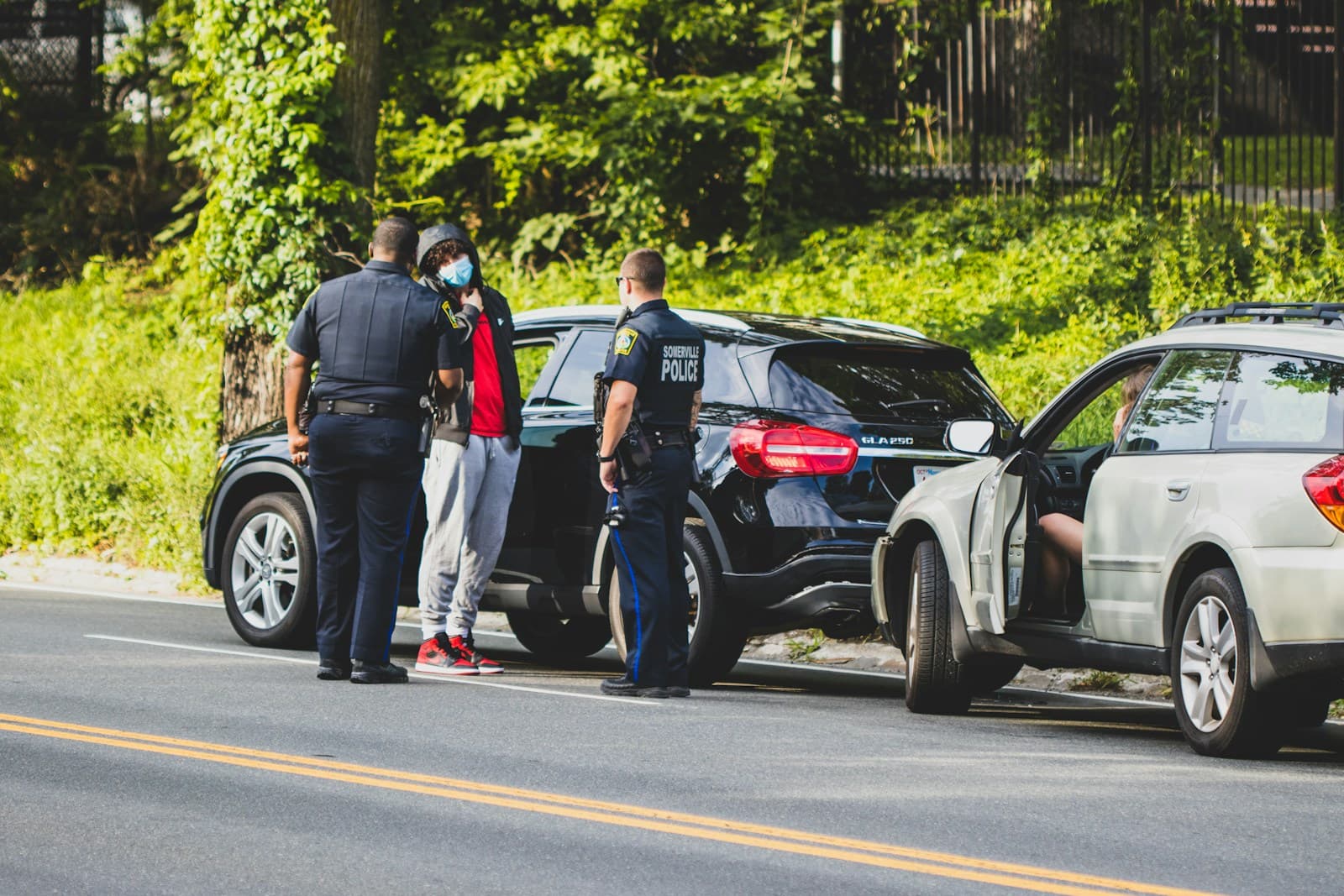
If law enforcement stops you outside your approved window, the stop generates a new charge: driving under suspension. That charge carries separate criminal penalties, including potential jail time, and resets your SR-22 filing clock.