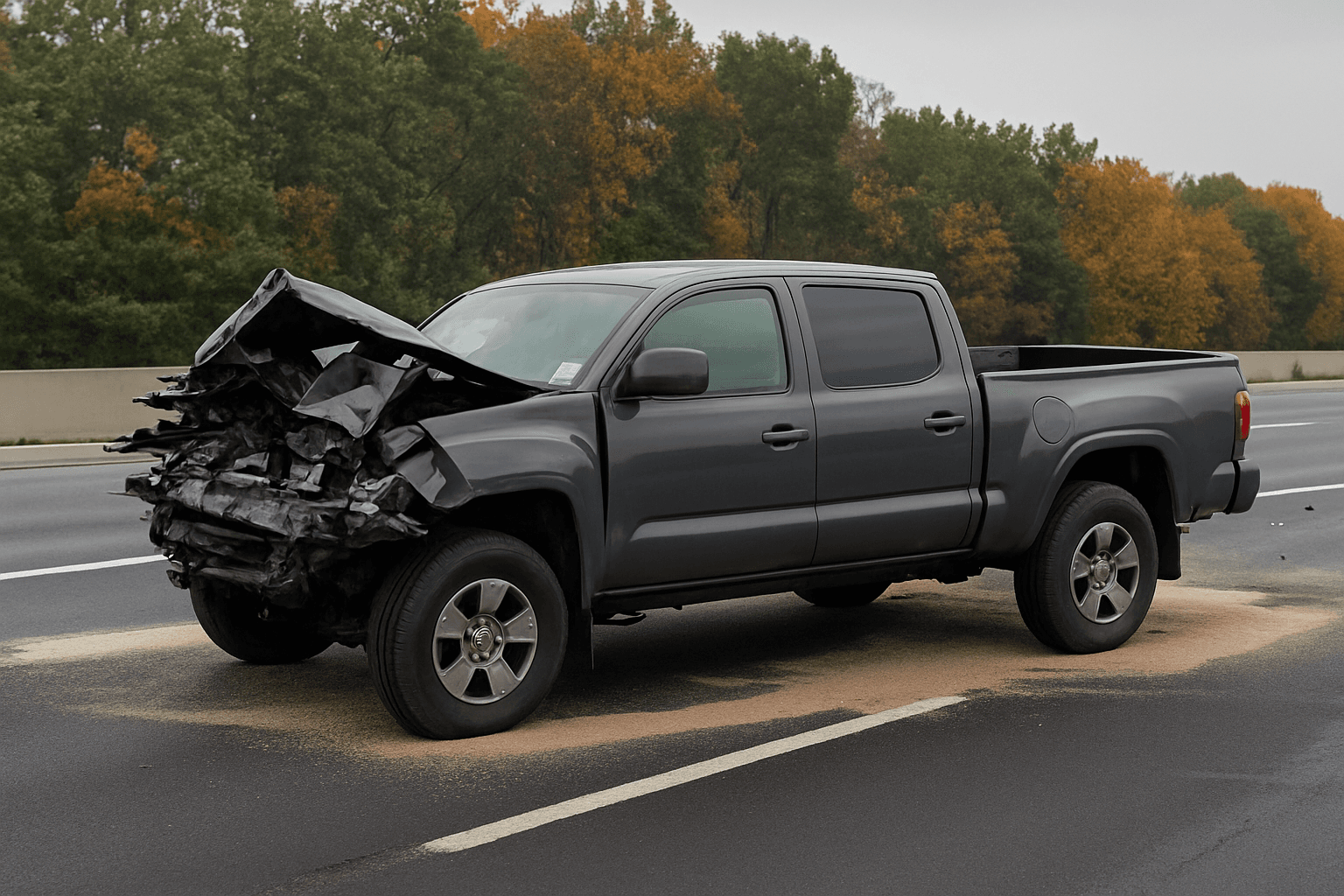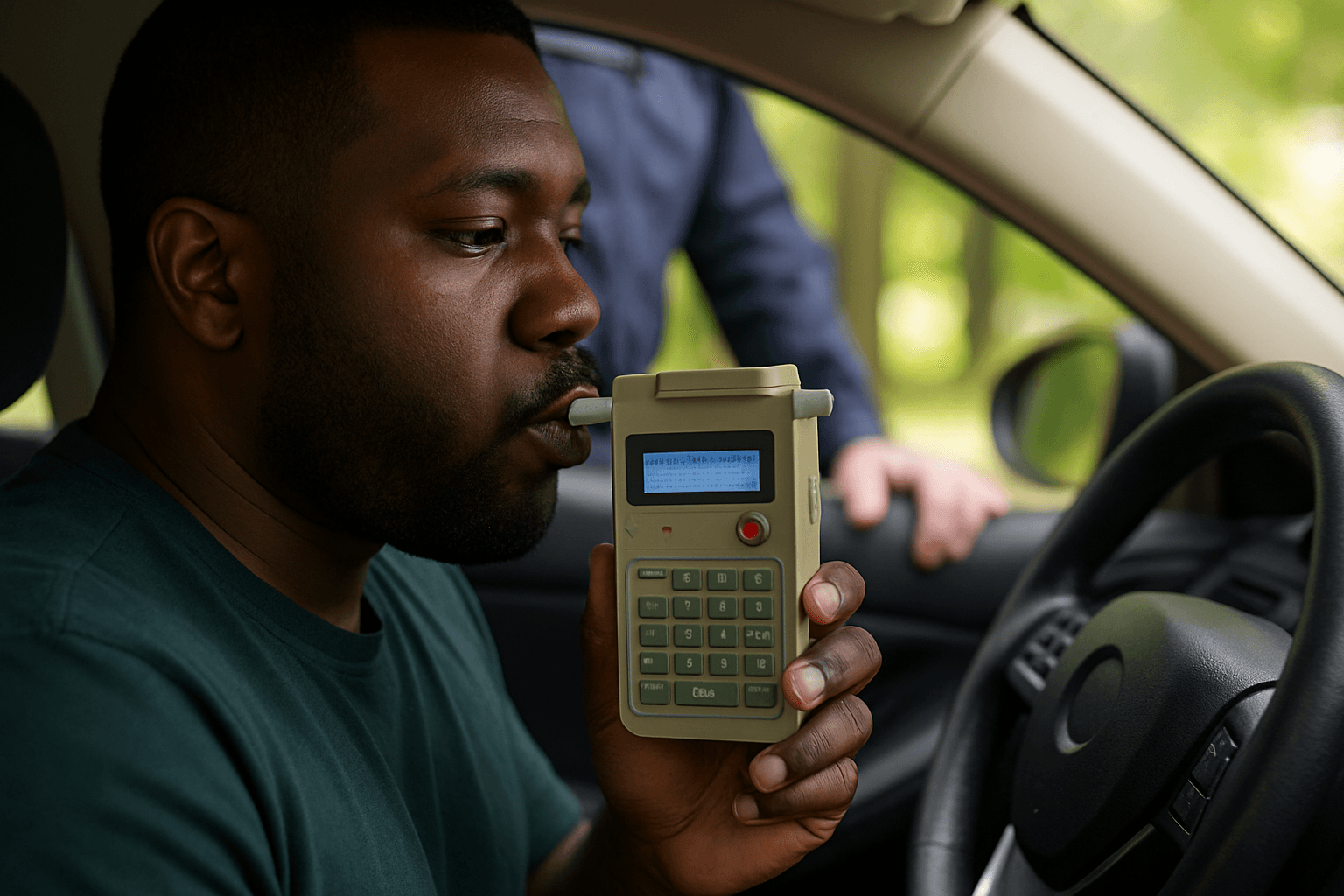
Oklahoma uses two separate application tracks for modified licenses depending on your suspension type. Choosing the wrong one delays eligibility by weeks and can trigger automatic denial.
Why Oklahoma Has Two Application Systems for the Same License
Oklahoma splits modified driver license applications into two separate administrative tracks: district court petitions for conviction-based suspensions and DPS administrative review for license revocations triggered by law enforcement reports. The track you must use depends on whether a judge or DPS issued your suspension notice, not the underlying violation.
Most drivers discover this structure only after filing through the wrong system. A DUI arrest generates both tracks simultaneously under Oklahoma's dual-enforcement framework. DPS issues an administrative license revocation within days of the arrest under implied consent rules (47 O.S. § 6-205.1). The court issues a separate judicial suspension upon conviction. Each suspension requires its own modified license petition through its originating authority.
This dual structure creates a common failure mode: drivers who receive a DPS revocation notice file a modified license petition with the district court where their criminal case is pending. The court lacks jurisdiction over administrative revocations and denies the petition. By the time the driver realizes the error and refiles through DPS, the 30-day hard suspension period for first-offense DUI has passed, but the administrative processing delay adds another 15-30 days before approval.
How to Identify Which Track Your Suspension Follows
The suspension notice header identifies the issuing authority. DPS-issued notices reference the Driver License Compact, implied consent statutes (47 O.S. § 6-205.1 or § 754), or administrative hearing rights. Court-issued suspensions reference the criminal case number, sentencing order, or conviction statute. If your notice came in the mail from Oklahoma City with a DPS letterhead, you're in the administrative track. If it came from the county courthouse where your case was prosecuted, you're in the judicial track.
DUI cases typically generate both notice types. The administrative notice arrives first, usually within 15 days of arrest. The judicial suspension notice follows conviction, which may occur months later. Each notice creates independent modified license eligibility with separate hard suspension periods and separate application requirements.
For non-DUI suspensions, the pattern is simpler. Point accumulation suspensions, uninsured motorist violations under Oklahoma's Security Verification System (47 O.S. § 7-606), and insurance lapse enforcement actions are DPS-administered. Traffic convictions resulting in court-ordered suspension (reckless driving, excessive speed convictions with suspension terms) follow the judicial track.
Compare car insurance rates in your state
Get quotes from licensed carriers — no obligation, no spam, results in minutes.
Get Your Free Quote✓ No Obligation Required✓ Licensed Carriers Only✓ Available Nationwide✓ Free to Compare
What Indigent Path Means in Oklahoma Modified License Context
Oklahoma statutes reference indigent status as a qualification path for modified license approval when financial inability to pay reinstatement fees or fines would otherwise block eligibility. This is not a separate license type. It's an evidentiary standard courts and DPS apply when evaluating modified license petitions from applicants who cannot meet standard reinstatement prerequisites due to documented poverty.
Indigent path applicants must provide proof of income below 125% of federal poverty guidelines, documentation of public assistance enrollment (SNAP, TANF, Medicaid), or a sworn affidavit of financial hardship accompanied by employment verification. Courts are more receptive to indigent status arguments than DPS administrative reviewers, who apply stricter documentation standards.
The practical distinction matters for drivers suspended due to unpaid fines or failure to pay surcharges. A court can grant a modified license to an indigent petitioner while suspending collection enforcement during the restricted driving period. DPS administrative reviewers lack authority to waive outstanding fees and will deny modified license applications until all reinstatement fees are paid in full, regardless of indigent status.
Hardship Path Documentation Requirements by Application Track
DPS administrative modified license applications require: verified proof of employment on employer letterhead with supervisor contact information and work schedule; proof of SR-22 insurance filing (where applicable under the violation type); ignition interlock device installation certificate from a DPS-certified provider; and $125 reinstatement fee payment confirmation. Applications submitted without complete documentation are returned unprocessed, not placed in pending status.
District court petitions follow a different evidence standard. Courts require a sworn petition stating the specific hardship (employment, medical care, child care, education), employer affidavit or acceptance letter, proof of insurance (SR-22 if required by statute for the underlying violation), and a proposed restricted driving schedule. Courts may waive the ignition interlock requirement in non-DUI cases or reduce the required installation period based on demonstrated financial hardship.
Both tracks require proof of essential travel need. "Essential" is defined narrowly. Employment, medical appointments for the applicant or dependent family members, court-ordered obligations (probation meetings, child support hearings), and direct-path school attendance qualify. Social visits, recreational activities, and errands do not. Courts allow broader definitions of essential travel than DPS reviewers, who apply the statutory list strictly.
How Egan's Law Changes DUI Modified License Timing
Oklahoma's Egan's Law (47 O.S. § 6-205.1) imposes mandatory hard suspension periods before any modified license becomes available for DUI and actual physical control violations. First-offense DUI with BAC below 0.15% carries a 30-day hard suspension. First-offense DUI with BAC at or above 0.15% extends the hard period to 60 days. Refusal cases carry 180-day hard suspensions with no modified license eligibility during that period.
The hard suspension period begins the date DPS issues the administrative revocation notice, not the date of arrest or conviction. Drivers who file modified license applications during the hard period receive automatic denials with no appeal rights. The application fee is not refunded. The earliest date to file is the calendar day after the hard suspension period expires.
Second and subsequent DUI offenses carry longer hard periods and more restrictive modified license terms. Second-offense DUI requires one year of ignition interlock device use even after full license reinstatement. Modified license approval during the revocation period is possible after the hard suspension expires, but the IID requirement remains for the entire restricted driving period and continues post-reinstatement.
SR-22 Filing Duration and Insurance Cost Stack
DPS requires SR-22 certificate filing for three years following most DUI-related suspensions, measured from the reinstatement date, not the violation date. Uninsured motorist suspensions under 47 O.S. § 7-606 trigger shorter SR-22 filing periods, typically one to two years depending on prior violation history. Point accumulation suspensions do not automatically require SR-22 unless the underlying violation that caused the points was itself an SR-22-triggering offense.
SR-22 filing adds $15-$35 to your policy cost every six months as a certificate fee. The larger cost impact comes from being moved into non-standard underwriting. Oklahoma drivers with clean records pay approximately $85-$125/month for state minimum liability coverage. Adding SR-22 filing and a DUI violation to the underwriting profile increases premiums to $140-$220/month for the same coverage. Non-owner SR-22 policies for drivers without vehicles cost $30-$60/month.
Ignition interlock device installation costs $75-$150 upfront, with monthly monitoring fees of $60-$90. Over a one-year IID requirement, total device costs range from $800-$1,200. These costs stack on top of insurance premiums and the $125 DPS reinstatement fee, bringing total first-year compliance costs to approximately $2,500-$4,000 for DUI-related modified license cases.
What Happens When Your Modified License Application Is Denied
DPS administrative denials include a brief reason code: incomplete documentation, outstanding fees, hard suspension period not yet satisfied, or ineligibility due to violation type. You may refile immediately after correcting the deficiency. No waiting period applies between DPS application attempts, but each filing requires a new $50 processing fee.
Court petition denials are more difficult to remedy. District courts issue written orders explaining the denial basis. Common reasons include insufficient proof of hardship, proposed driving schedule too broad for stated need, or failure to demonstrate financial responsibility. Oklahoma court rules allow one modification or rehearing request within 20 days of the denial order. If the judge denies the rehearing request, you must wait 90 days before filing a new petition.
Violating modified license restrictions during the restricted driving period triggers immediate revocation with no administrative appeal rights. DPS treats modified license violations as driving under suspension, which is a misdemeanor criminal offense under Oklahoma law. A conviction for driving under suspension while on a modified license extends your total suspension period and disqualifies you from obtaining another modified license for at least one year.