Oklahoma's Modified Driver License allows specific routes and hours during your revocation period. Understanding what routes qualify, how to document them, and what triggers automatic revocation protects your restricted driving privilege.
Which Application Track Your Oklahoma Suspension Requires
Oklahoma processes Modified Driver License applications through two separate systems. Criminal and traffic conviction-based suspensions require a district court petition filed in the county where your case was adjudicated. Administrative license revocations from DPS—including implied consent failures, refusal cases, and uninsured motorist suspensions—require a DPS administrative application filed directly with Driver Safety Programs.
Filing through the wrong track results in automatic denial with no processing of your application materials. The denial itself does not preclude refiling through the correct track, but lost processing time extends your hard suspension period. Most applicants learn which track applies when they receive their suspension notice: court-ordered suspensions reference a case number and sentencing judge, while DPS administrative suspensions reference an ALR (Administrative License Revocation) or point accumulation action.
DUI arrests trigger both tracks simultaneously under Oklahoma's Implied Consent law (47 O.S. § 6-205.1). DPS issues an administrative revocation within days of arrest based on the officer's sworn report. The criminal court issues a separate judicial suspension upon conviction. Each revocation has its own Modified License application process. Applying for the administrative track Modified License does not satisfy the conviction-track requirement once your court case concludes.
Routes Oklahoma Will Approve on Your Modified License
Oklahoma restricts Modified Driver Licenses to specific essential purposes defined either by court order or DPS determination. Approved purposes typically include: employment travel from home to work and return, travel to educational institutions for enrolled courses, medical appointments for yourself or dependent family members, and essential household errands such as grocery shopping or pharmacy visits.
Route restrictions are geographically bounded to the shortest practical path between your home address and each approved destination. Oklahoma DPS and district courts require detailed address documentation for every location you petition to drive to. Employment travel must include your employer's physical address, shift start and end times, and any required job-site travel between locations during your shift. Educational travel requires your school's address and your enrolled class schedule.
Most denials stem from vague route descriptions. Petitions listing "work" without a specific employer address, or "medical appointments" without provider names and locations, are rejected without processing. Oklahoma evaluates each route independently: approval for work travel does not automatically grant approval for school travel or medical appointments. Your Modified License order specifies every approved route by origin and destination address.
Compare car insurance rates in your state
Get quotes from licensed carriers — no obligation, no spam, results in minutes.
Get Your Free Quote✓ No Obligation Required✓ Licensed Carriers Only✓ Available Nationwide✓ Free to Compare
Time Restrictions and What Triggers Them
Time restrictions on Oklahoma Modified Licenses vary by the authority issuing the order. District court orders typically specify exact driving windows tied to your employment schedule: for example, "6:00 AM to 7:00 PM Monday through Friday" for a day-shift worker, or "10:00 PM to 8:00 AM Sunday through Thursday" for overnight shifts. DPS administrative determinations may specify broader windows when multiple essential purposes overlap.
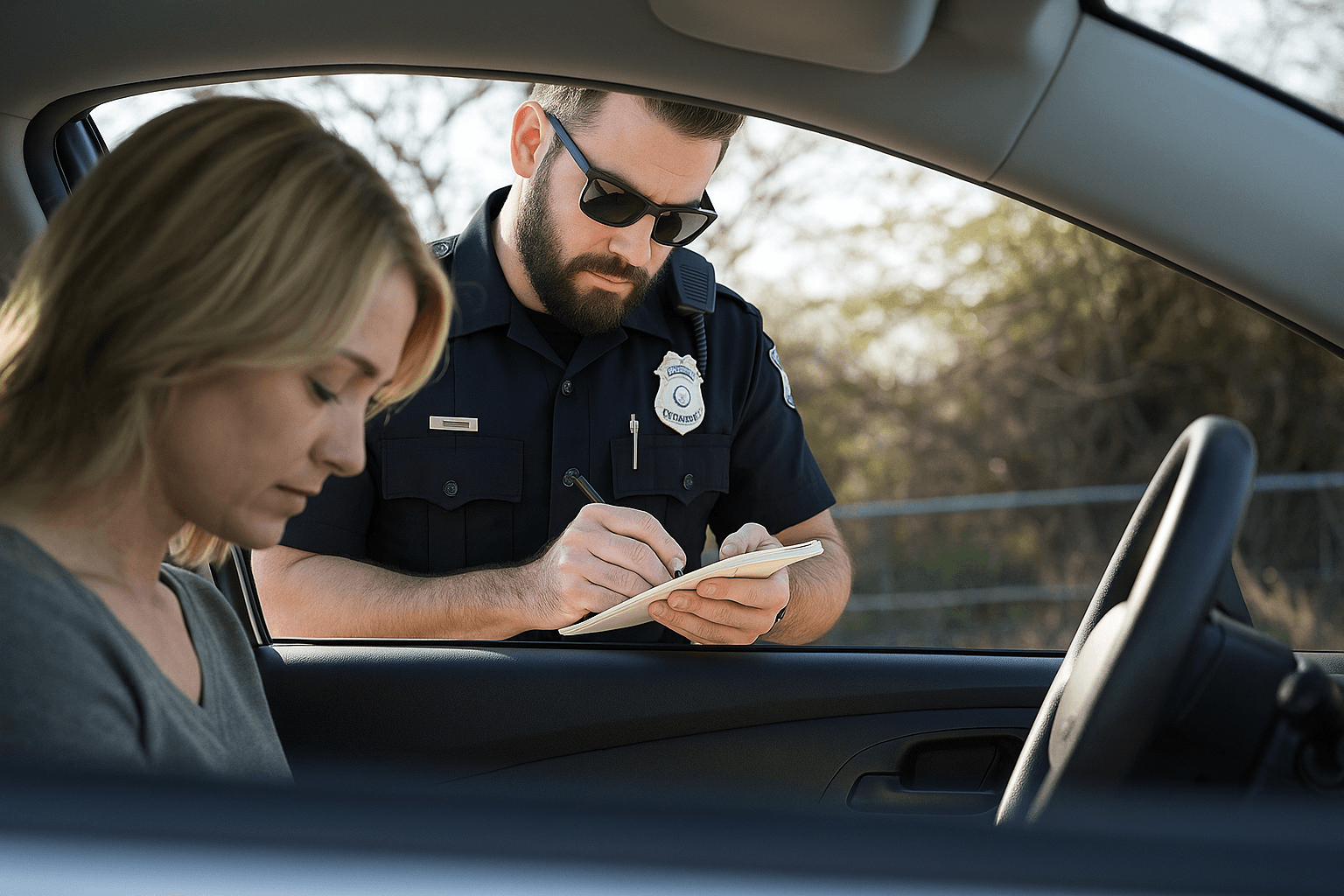
Driving outside your approved time window—even on an approved route—constitutes a violation that triggers automatic revocation. Oklahoma law enforcement officers can verify Modified License restrictions in real time through the DPS database during traffic stops. A stop at 9:00 PM on your approved work route when your time window ends at 7:00 PM results in immediate citation and Modified License suspension.
Egan's Law (47 O.S. § 6-205.1) imposes mandatory hard suspension periods before any Modified License becomes available for DUI and actual physical control offenses. First-offense cases require a 30-day hard suspension before you can petition for restricted driving. Higher BAC readings at arrest or refusal cases extend the hard period. During the hard suspension, no driving is permitted for any purpose. The Modified License application timeline begins only after the hard period concludes.
Documentation Oklahoma Requires at Application
Oklahoma Modified License applications require layered documentation proving both eligibility and essential travel need. Every application must include proof of SR-22 insurance filing where your suspension trigger legally requires it. DUI revocations, uninsured motorist suspensions under 47 O.S. § 7-606, and most administrative suspensions require SR-22 on file before DPS or the court will process your petition.
Employment documentation must include a signed employer affidavit on company letterhead stating your job title, work address, shift schedule, and confirmation that your employment requires personal vehicle use. Self-employed applicants must provide business registration documents, client contracts, or tax records demonstrating active income-generating work. Educational documentation requires a current enrollment letter from your institution listing your registered courses and class meeting times.
Court-based petitions require the district court's order or DPS approval letter authorizing the Modified License. DPS administrative petitions require your DPS suspension notice with the ALR case number. Medical travel documentation requires appointment schedules or treatment plans from licensed providers, including provider names, addresses, and appointment frequency. Applications missing any required document are returned unprocessed, adding weeks to your timeline.
Ignition Interlock Device Installation and Provider Certification
Oklahoma requires ignition interlock device installation on any vehicle you operate under a Modified Driver License issued after a DUI or actual physical control suspension. The IID requirement applies for the full duration of your Modified License period and continues through your full reinstatement in most DUI cases.
Devices must be installed by an Oklahoma DPS-certified provider. Using a non-certified installer voids your Modified License authorization. The DPS Driver Safety Programs division maintains the current certified provider list on their website. Installation typically costs $70 to $150, with monthly monitoring fees of $60 to $90. You are responsible for all device costs; Oklahoma does not subsidize IID expenses even under indigent hardship petitions.
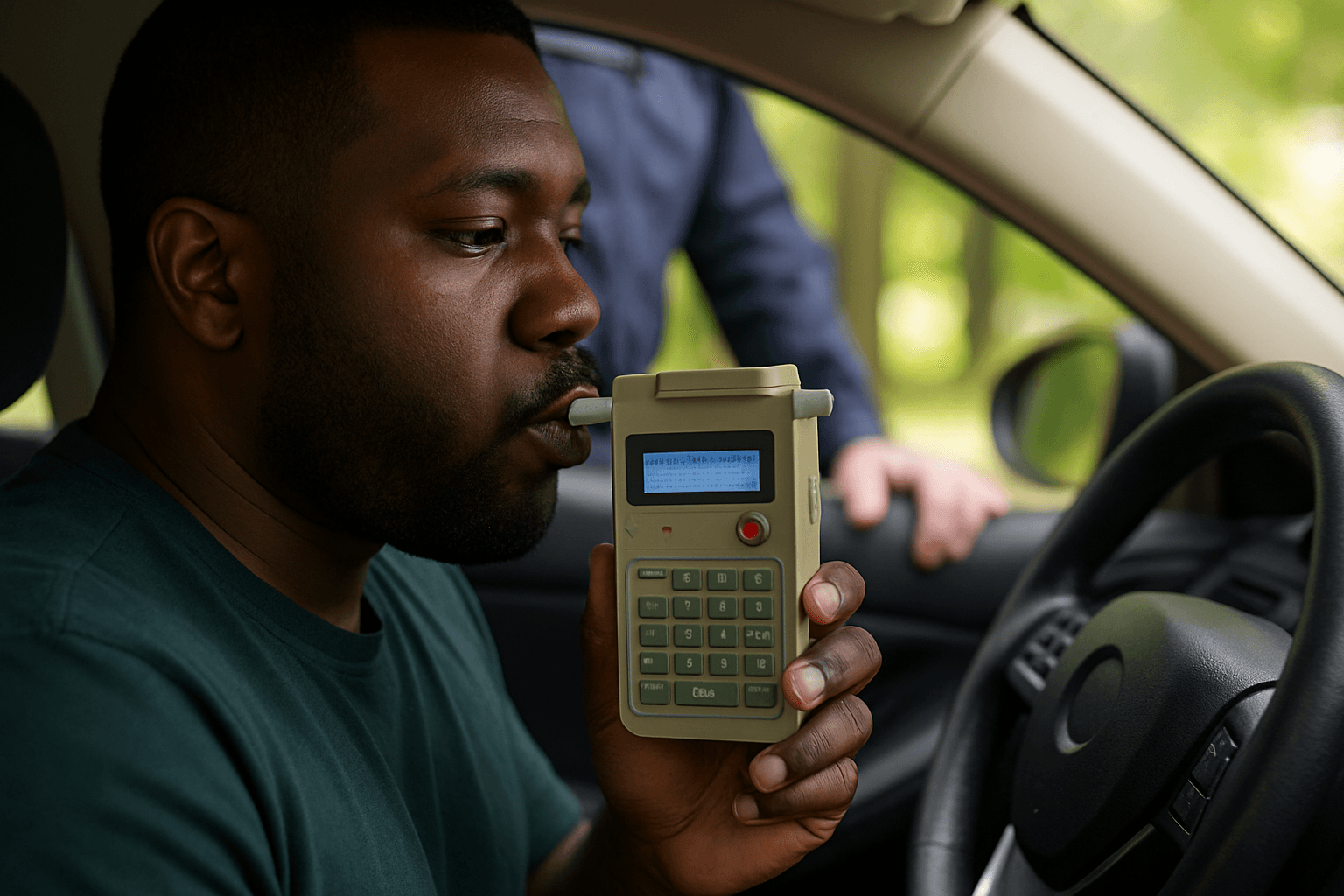
IID violations—including failed startup tests, missed rolling retests, or tampering alerts—are reported directly to DPS by the monitoring provider. A single confirmed violation triggers automatic Modified License revocation in most cases. Reinstatement after an IID violation requires a new petition, additional fees, and in some cases extension of your overall revocation period. The Oklahoma statute governing IID requirements references specific BAC thresholds and violation histories; consult 47 O.S. § 6-205.1 for your case-specific mandate.
What Happens If Your Modified License Is Revoked
Modified License violations carry immediate consequences. Law enforcement officers cite violations as a separate offense under Oklahoma law, adding points to your driving record and typically resulting in a misdemeanor charge. The Modified License itself is revoked administratively by DPS within 48 hours of the citation.
Revocation for cause restarts your eligibility timeline. Most Oklahoma district courts and DPS administrative hearings impose a new waiting period—often 60 to 90 days—before you can petition for another Modified License. Repeat violations during a single revocation period typically disqualify you from any further restricted driving privileges until your full suspension term expires.
SR-22 lapses trigger separate consequences. Oklahoma requires continuous SR-22 coverage for three years after DUI-related suspensions and for varying periods after other suspension types. A lapse of even one day restarts the three-year SR-22 clock from the date you refile. DPS suspends both your Modified License and any progress toward full reinstatement until you file a new SR-22 certificate and pay reinstatement fees again.
Getting SR-22 Coverage for Your Modified License Period
SR-22 insurance is required before Oklahoma will process most Modified License applications. The SR-22 certificate proves you carry at least Oklahoma's minimum liability coverage: $25,000 per person for bodily injury, $50,000 per accident for bodily injury, and $25,000 for property damage.
Carriers writing SR-22 policies in Oklahoma include State Farm, GEICO, Progressive, Bristol West, The General, and National General. Filing fees range from $15 to $50 depending on the carrier. Premium increases for SR-22-required drivers typically add $40 to $80 per month to standard liability rates, though your specific increase depends on your violation history and the suspension trigger.
Drivers without a vehicle can fulfill the SR-22 requirement through non-owner SR-22 policies. Non-owner policies provide liability coverage when you drive vehicles you do not own—rental cars, borrowed vehicles, or employer-provided vehicles during your Modified License period. GEICO, Progressive, USAA, and The General all write non-owner SR-22 policies in Oklahoma. Monthly premiums for non-owner SR-22 coverage typically run $30 to $60 for drivers with DUI-related suspensions.