Oklahoma's Modified Driver License uses a dual-track system most applicants miss—DUI suspensions go through district court under Egan's Law, administrative revocations go through DPS, and choosing the wrong path delays approval by weeks.
Which Application Track Your Suspension Type Requires
Oklahoma operates two separate hardship license pathways, and your suspension cause determines which one you must use. DUI convictions and criminal traffic violations require district court petition under 47 O.S. § 6-205.1. Administrative license revocations—issued by DPS for implied consent violations, insurance lapses, or point accumulation—require the DPS administrative process under 47 O.S. § 6-212.
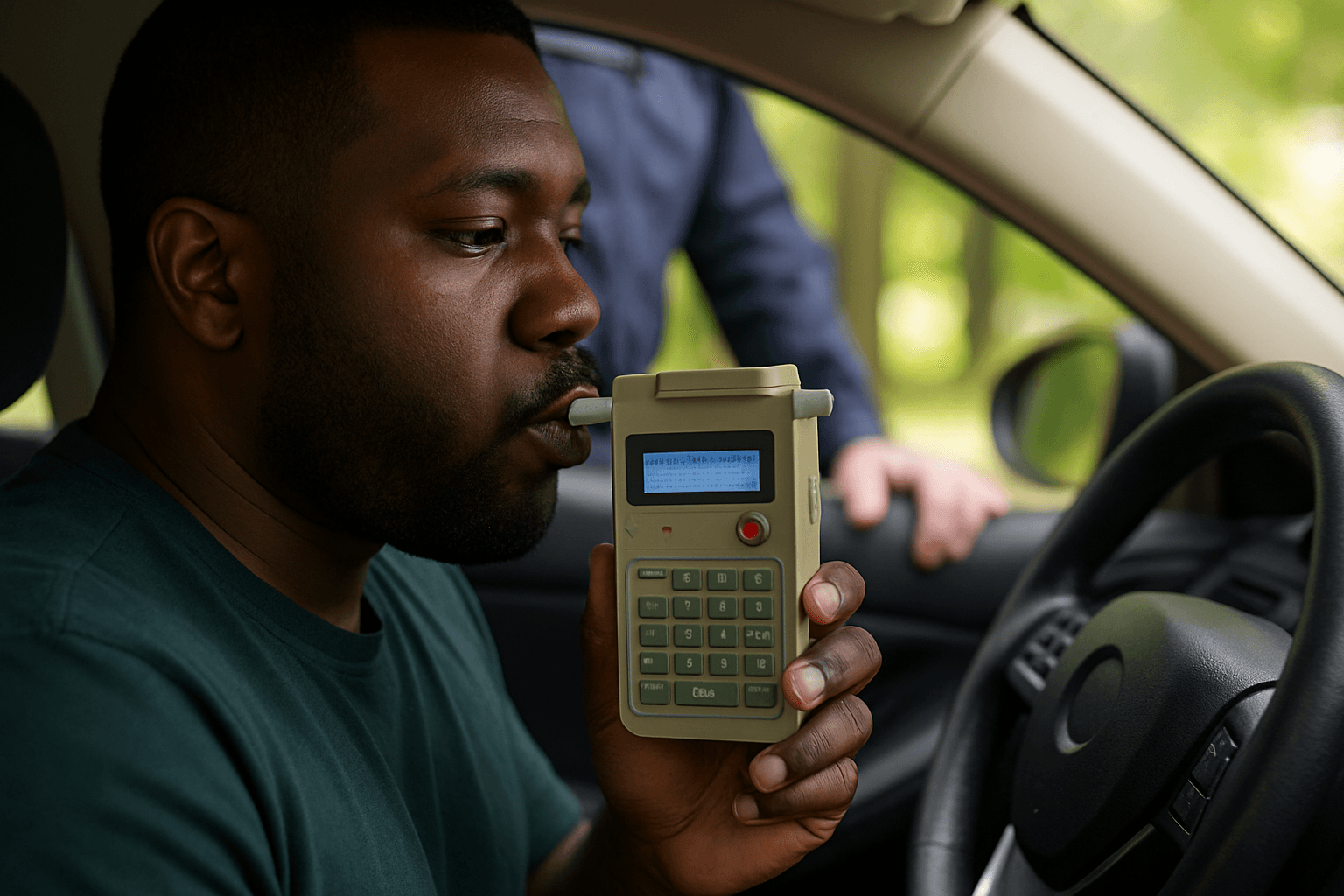
Most applicants file with the wrong authority because a DUI arrest triggers both tracks simultaneously. The implied consent revocation arrives from DPS within days of arrest. The criminal suspension arrives from the court upon conviction, weeks or months later. Each requires a separate Modified Driver License application through its originating authority.
Filing a DPS application for a court-imposed conviction gets rejected without review. Filing a court petition for an administrative revocation gets dismissed. Check your suspension notice carefully: if it references an Oklahoma Department of Public Safety case number and mentions implied consent or administrative license revocation, you file with DPS. If it references a district court case number and conviction language, you petition the sentencing court.
Egan's Law Hard Suspension Before Modified License Eligibility
Oklahoma's Egan's Law imposes mandatory hard suspension periods before any Modified Driver License becomes available for DUI-related offenses. First-offense DUI suspensions require 30 days of absolute prohibition before you can apply for modified driving privileges. Higher BAC readings at arrest extend this period. Refusal cases carry longer hard suspension windows than breath test failures.
The 30-day clock starts from the effective date of the suspension, not from your arrest date or conviction date. If you requested an administrative hearing within 15 days of your implied consent notice, the hearing delay does not count toward your hard suspension period—the clock starts only after the revocation becomes effective.
Applying for a Modified Driver License before your hard suspension ends wastes filing fees and court time. District courts and DPS both reject early applications without prejudice, meaning you can reapply once eligible, but you lose the application fee. Count carefully from the effective suspension date on your notice.
Compare car insurance rates in your state
Get quotes from licensed carriers — no obligation, no spam, results in minutes.
Get Your Free Quote✓ No Obligation Required✓ Licensed Carriers Only✓ Available Nationwide✓ Free to Compare
Ignition Interlock Device Installation Timeline and Provider Requirements
Oklahoma requires ignition interlock device installation for all DUI-triggered Modified Driver Licenses. Installation must occur before your modified driving privileges begin, not after approval. You cannot drive to the installer's shop on a pending modified license—arrange transportation or have the installer come to your vehicle's location.
The device must be installed by a DPS-certified provider. Oklahoma maintains a list of approved installers at dps.ok.gov. Third-party mechanics and generic interlock companies not on the DPS certification roster will install devices that DPS does not recognize, voiding your modified license immediately. Verify certification status before scheduling installation.
Installation costs typically run $75–$125, with monthly monitoring fees between $60 and $90. Oklahoma does not mandate an indigent waiver for interlock costs, even for hardship applicants qualifying under financial need criteria. Budget for the full device period when calculating modified license feasibility—most DUI first offenses require 18 months of interlock, and the monthly fees compound quickly.
Required Documentation for Court Petitions vs DPS Applications
Court petitions for Modified Driver Licenses require more documentation than DPS administrative applications. District courts need proof of employment or essential travel need—an employer affidavit on company letterhead stating your work schedule, job location, and confirmation that no alternative transportation exists. Self-employed applicants must provide business registration documents and client contracts or invoices showing active work.
DPS administrative applications require proof of SR-22 insurance filing before approval. Most DUI administrative revocations and all uninsured motorist suspensions trigger SR-22 requirements under 47 O.S. § 7-606. Your carrier must file the SR-22 certificate directly with DPS before your modified license application moves forward. Paper SR-22 certificates you mail yourself do not satisfy this requirement—the filing must come electronically from the carrier.
Both tracks require proof of ignition interlock installation for DUI-related suspensions. The installer provides a verification form after device activation. This form includes the device serial number, installation date, and your vehicle's VIN. Submit the original installer verification form with your application—photocopies get rejected in most Oklahoma district courts.
Route and Time Restrictions on Modified Driving Privileges
Oklahoma Modified Driver Licenses restrict both where you can drive and when you can drive. Court orders and DPS determinations typically limit routes to work, school, medical appointments, and essential household errands. Recreational driving, social visits, and non-emergency shopping fall outside approved purposes in most Oklahoma modified license grants.
Time restrictions usually tie to your documented work schedule. If your employer affidavit states you work Monday through Friday, 8 a.m. to 5 p.m., your modified license restricts driving to those hours plus reasonable commute buffer time—typically one hour before and after shift times. Weekend driving requires separate documentation of weekend work shifts or recurring medical appointments.
Violating route or time restrictions revokes your Modified Driver License immediately and adds new charges. Oklahoma law enforcement can pull modified license records during traffic stops. Driving outside your approved hours or routes, even without other violations, triggers revocation and potential criminal charges for driving under suspension. One violation typically closes the door to future modified license petitions during the remainder of your suspension period.
Application Fees and Processing Timeline Expectations
District court Modified Driver License petitions in Oklahoma cost $125 in most counties, though some districts add local administrative fees pushing total cost to $150–$175. This fee covers the court's review and hearing scheduling but does not include your attorney fees if you hire representation. Pro se applicants pay the same filing fee.
DPS administrative applications cost less—typically $50 to $75 depending on suspension type—but processing time varies unpredictably. DPS advertises 10-business-day processing for complete applications, but incomplete submissions reset the clock. Missing SR-22 proof, missing interlock verification, or incomplete employer affidavits all trigger rejection letters that add 2–3 weeks to the approval timeline.
Court petitions require scheduled hearings, which can extend 4–6 weeks from petition filing in busy districts. Oklahoma district courts do not offer emergency hardship hearings except in rare medical necessity cases. If you need modified driving privileges immediately, filing early—ideally during your hard suspension period so the hearing date falls shortly after your eligibility date—compresses the gap between eligibility and approval.
SR-22 Insurance Filing After Modified License Approval
Most Modified Driver License approvals in Oklahoma trigger SR-22 insurance filing requirements. DUI suspensions require 3 years of continuous SR-22 coverage under Oklahoma law. Uninsured motorist suspensions require SR-22 for the duration of your suspension plus reinstatement proof. Points-accumulation suspensions sometimes require SR-22 and sometimes do not, depending on whether your underlying violations included uninsured operation.
SR-22 filings must remain active and continuous throughout the required period. A single day of lapse triggers automatic re-suspension, even if your modified license is otherwise in good standing. Your carrier notifies DPS electronically within 24 hours of policy cancellation or non-renewal. DPS issues a suspension notice immediately, with no grace period for reinstatement.
Non-owner SR-22 policies cover drivers who do not own a vehicle but need to meet filing requirements. These policies cost less than standard SR-22 coverage—typically $25–$50 per month in Oklahoma—because they provide liability coverage only when you drive someone else's vehicle. If you sold your car after suspension or rely on borrowed vehicles during your modified license period, non-owner SR-22 coverage satisfies Oklahoma's filing requirement at lower cost than maintaining a full policy on a vehicle you cannot legally drive outside restricted hours.