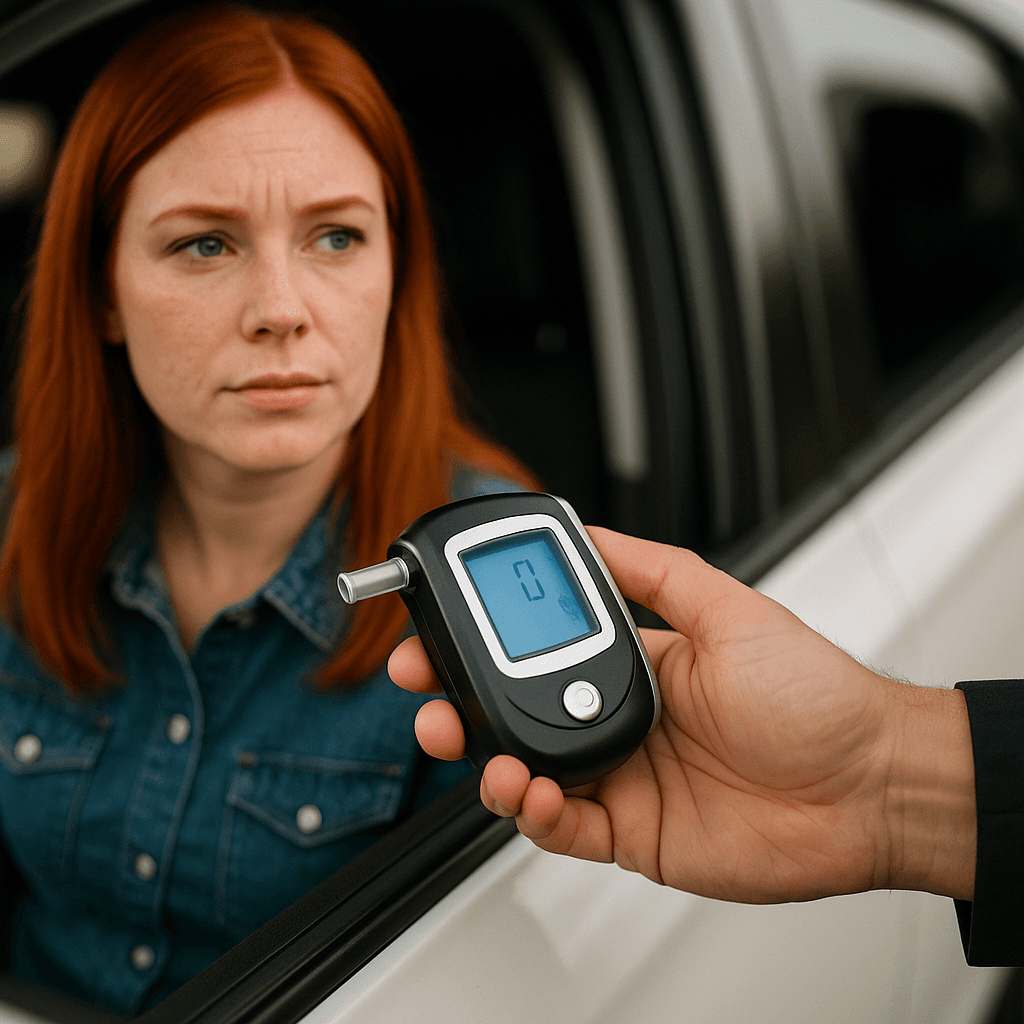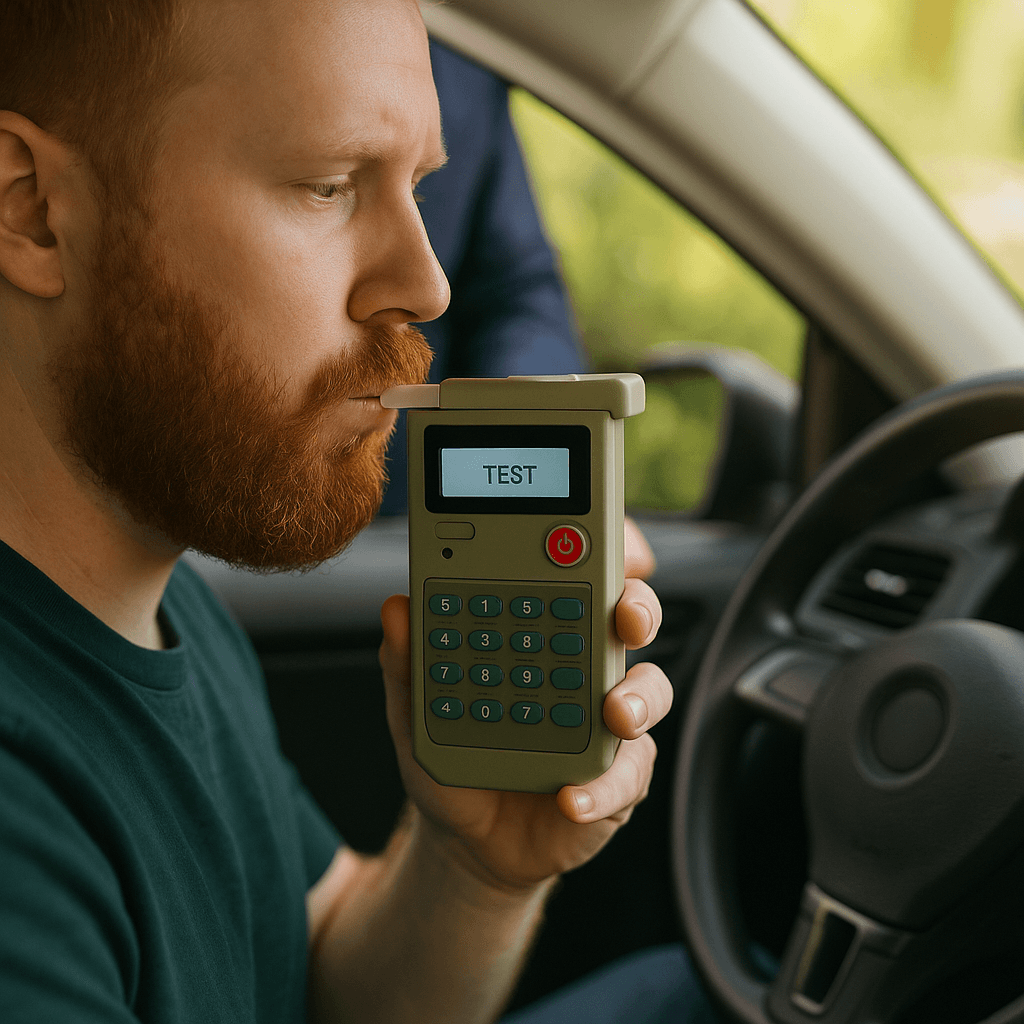
Ohio's ignition interlock requirement for Limited Driving Privileges starts before your court hearing. Most petitioners don't realize the installation must be complete and certified before the judge rules on your application.
Why Ohio's Interlock Installation Timing Determines LDP Approval
Ohio courts require proof of ignition interlock installation before granting Limited Driving Privileges for OVI-related suspensions. Most petitioners assume they can install after approval. That assumption costs them the petition.
ORC 4510.022 mandates interlock as a condition of LDP for all OVI suspensions. The granting court verifies installation status at the hearing. Without a certified interlock vendor report showing the device is already installed and functioning, judges deny the petition outright or continue the hearing until installation is verified. The sequence matters: install first, petition second, hearing third.
The vendor must be approved by the Ohio Department of Public Safety. Non-approved vendors produce documentation judges won't accept. Verify approval status before paying the installation fee.
What the Installation and Monitoring Period Costs in Ohio
Ignition interlock installation in Ohio typically costs $75–$125 as a one-time fee. Monthly monitoring and calibration fees run $60–$90. For a minimum 6-month interlock period — the baseline for first-offense OVI LDP — total cost is approximately $435–$665 before any violation resets or extensions.
The monitoring period begins the day the device is installed, not the day the court grants LDP. If you install 30 days before your hearing and the court grants a 6-month interlock requirement, you've already completed one month. If the court continues your hearing or denies the petition, those monitoring fees still accrue without counting toward your requirement.
Calibration appointments are mandatory every 30 days. Miss one appointment and the device locks your vehicle until recalibration. Miss two and the vendor reports the violation to the court and the BMV. Most LDP revocations tied to interlock stem from missed calibration windows, not failed breath tests.
Compare car insurance rates in your state
Get quotes from licensed carriers — no obligation, no spam, results in minutes.
Get Your Free Quote✓ No Obligation Required✓ Licensed Carriers Only✓ Available Nationwide✓ Free to Compare
How Ohio's Court-Defined LDP Routes and Hours Interact with Interlock Monitoring
Ohio courts define your permitted driving purposes and hours at the LDP hearing. Typical grants allow driving for work, school, medical appointments, court-ordered treatment, and grocery shopping within specified time windows. The interlock device does not enforce route restrictions. It logs every ignition event by GPS and timestamp.
Your vendor uploads that log to the court and BMV monthly. If the log shows ignition events outside your granted hours or at locations inconsistent with your approved purposes, the court can revoke LDP without a separate hearing. One petitioner's LDP was revoked when interlock logs showed trips to a bar at 11 p.m. on a Friday when his court order permitted work travel Monday through Friday 6 a.m. to 6 p.m. only.
The interlock does not prevent violations. It records them. The enforcement comes later when the monitoring report reaches the court.
What Happens When Interlock Violations Reset Your Monitoring Period
A failed breath test — any BAC reading at or above the device threshold, typically 0.02% — triggers a violation event logged by the vendor. One violation within the first 90 days of the monitoring period typically resets the clock to day one. The entire monitoring period starts over.
Ohio courts impose minimum interlock periods at the LDP hearing. A first-offense OVI LDP usually requires 6 months interlock minimum. A second offense within 10 years requires 1 year minimum. A third offense requires 2 years minimum. Those minimums reset with each qualifying violation. A driver 5 months into a 6-month requirement who fails one breath test faces another 6 months starting from that violation date.
Violation events also include: missed calibration appointments, tampering alerts, attempts to start the vehicle with BAC above the threshold, and disconnection events. Any of these can reset the clock depending on the severity and frequency.
How ALS and Court-Ordered Suspensions Stack in Ohio's Dual-Track System
Ohio imposes two separate OVI-related suspensions: the Administrative License Suspension (ALS) triggered at arrest by the arresting officer, and the court-ordered suspension following conviction. Each has its own hard suspension period and separate LDP petition process.
For a first-offense OVI with BAC at or above 0.08%, the ALS carries a 15-day hard suspension before LDP eligibility. The court-ordered suspension following conviction carries its own hard period — typically 6 months to 3 years depending on conviction details. Many drivers petition for LDP on the ALS suspension to cover the period between arrest and trial, then petition again on the court suspension after conviction.
Each petition requires separate court fees (varies by county, typically $50–$150 per petition), separate interlock vendor documentation, and separate SR-22 filings. The interlock monitoring period for the court-ordered suspension does not credit time served under the ALS suspension unless the court explicitly orders it. Most courts do not.
What SR-22 Filing Adds to Your Total Cost Stack
Ohio requires SR-22 proof of financial responsibility for all OVI-related LDP cases. The SR-22 filing fee is typically $25–$50 as a one-time charge. The premium impact is larger. Ohio drivers with OVI convictions and SR-22 filings pay approximately $140–$240 per month for liability-only coverage — roughly double the clean-record rate.
The SR-22 filing period runs 3 years from the conviction date for a first OVI, 5 years for a second. The filing period runs concurrently with the interlock requirement, but outlasts it. A driver with a 6-month interlock requirement and 3-year SR-22 filing continues paying elevated premiums for 2.5 years after the interlock is removed.
SR-22 insurance must remain active without lapse for the entire filing period. A single day of lapse triggers automatic BMV notification and LDP revocation if still active. Reinstatement after a filing-lapse suspension requires a new SR-22, a new reinstatement fee (approximately $40 base, more for additional suspensions), and potentially a new LDP petition if the lapse occurred during the LDP period.
Where to Find an Approved Interlock Vendor Before You Petition
The Ohio Department of Public Safety maintains the approved vendor list on its website. As of current state requirements, approved vendors include Smart Start, Intoxalock, LifeSafer, and Guardian Interlock. Non-approved vendors cannot certify installations for Ohio LDP petitions.
Schedule installation at least 2 weeks before your LDP hearing date. Installation appointments fill quickly in urban counties. The vendor provides a certificate of installation on company letterhead showing the device serial number, installation date, vehicle VIN, and monitoring period start date. Bring that certificate to the hearing. Judges will not grant LDP without it.
Some vendors offer payment plans for the installation fee and first month's monitoring. Monthly monitoring fees are due regardless of whether the court has granted LDP. If the court denies your petition or continues the hearing, you still owe the vendor for the period the device was installed.