Ohio courts charge filing fees ranging from $50 to $150 per petition, but the court fee is only the first line item. Ignition interlock installation, SR-22 filing, and employer documentation all add to the actual cost of securing Limited Driving Privileges in Ohio.
What does Limited Driving Privileges actually cost in Ohio?
Court filing fees for Limited Driving Privileges petitions in Ohio range from $50 to $150 depending on the court with jurisdiction over your case. The court of common pleas in your county of residence handles petitions for BMV-imposed suspensions. The sentencing court handles OVI-related petitions. Each court sets its own fee schedule, and there is no uniform statewide rate.
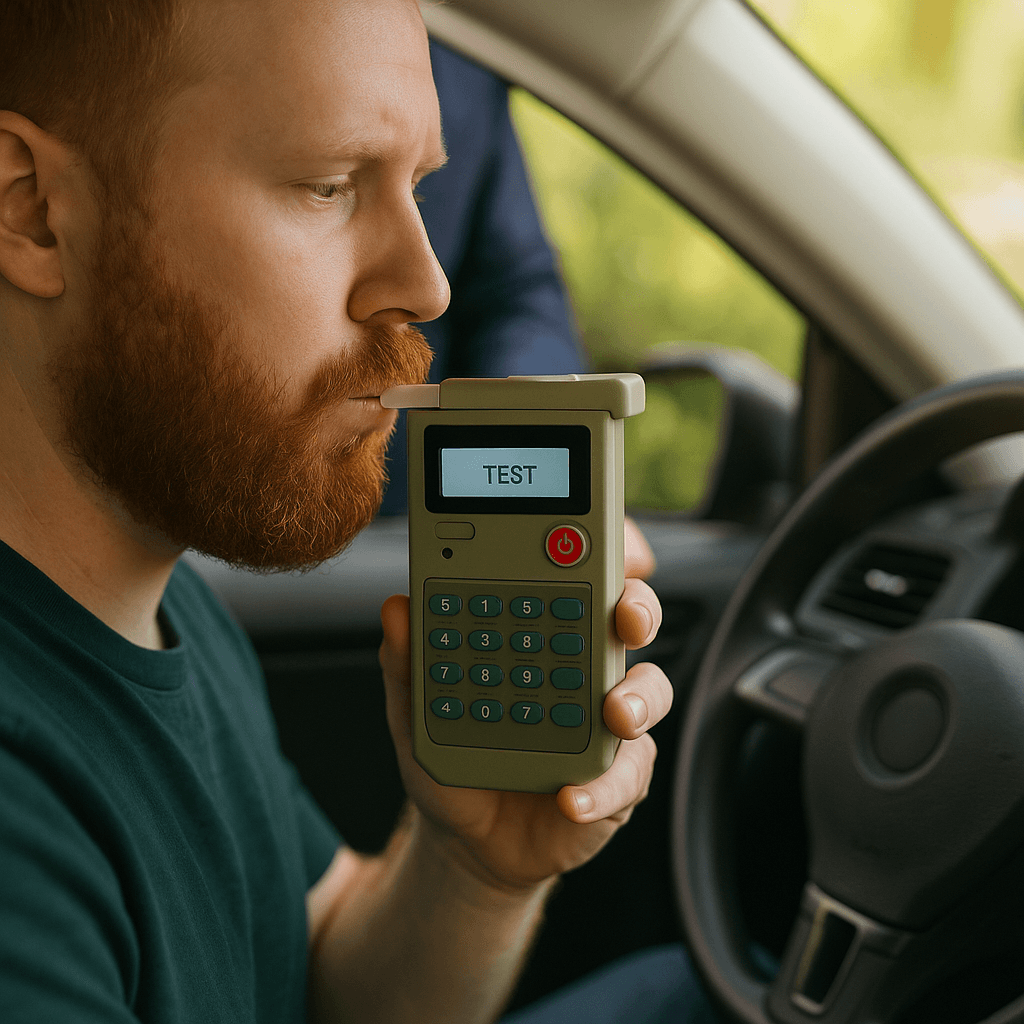
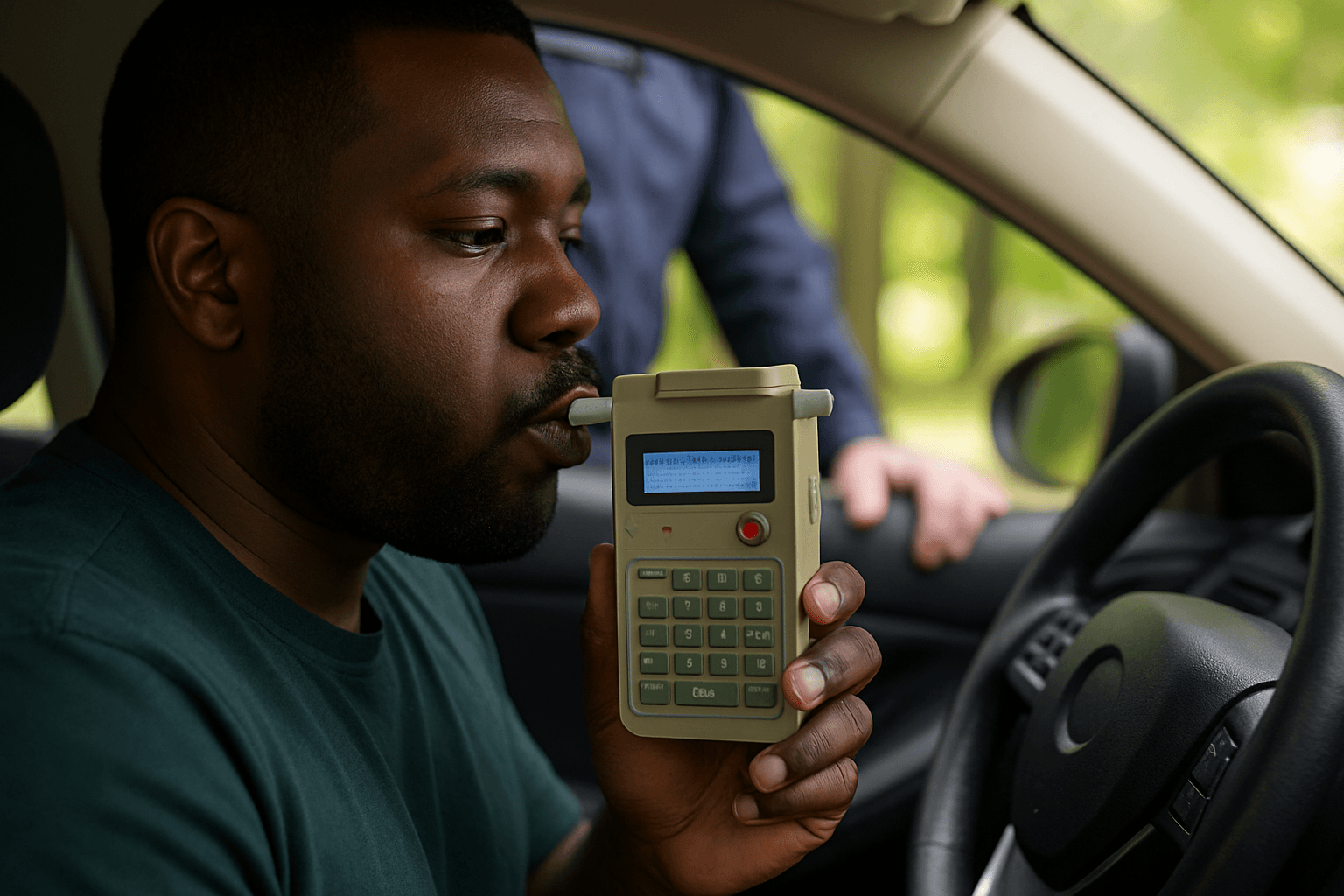
The filing fee is the smallest line item. Ohio requires ignition interlock installation for all OVI-related Limited Driving Privileges under ORC 4510.022. Installation costs run $70–$150. Monthly monitoring fees add $60–$90 per month for the duration of your privileges. If your suspension is OVI-related or triggered by uninsured driving, you must file SR-22 insurance before the court will grant your petition. SR-22 filing fees range from $15 to $50, and high-risk insurance premiums run $140–$220 per month in Ohio.
Budget for the full stack before filing. Most petitioners pay $1,400–$2,100 in court fees, interlock costs, filing fees, and insurance premiums in the first 90 days after securing Limited Driving Privileges. Courts do not provide itemized cost estimates when you file. You discover the requirements as the petition moves forward.
How long does Ohio take to process a Limited Driving Privileges petition?
Processing time depends on court docket load and whether your petition requires a hearing. Courts of common pleas in high-population counties — Cuyahoga, Franklin, Hamilton — schedule hearings 30–60 days after petition filing. Rural counties sometimes schedule within 14–21 days. OVI cases always require a hearing. Administrative suspension petitions may be decided on the written record in some counties, cutting processing time to 7–14 days.
The court will not process your petition until all required documentation is on file. Proof of SR-22 insurance, proof of employment or school enrollment, and proof of ignition interlock installation (if required) must be submitted with the petition or the court clerk will reject the filing. Each missing document restarts the clock. Petitioners who submit incomplete documentation wait an additional 14–30 days while they gather missing proof and refile.
After the hearing, most courts issue the order granting Limited Driving Privileges within 3–7 business days. The order is sent to the Ohio BMV electronically, and the BMV updates your record within 24–48 hours. You cannot legally drive under Limited Driving Privileges until the BMV record reflects the court order, even if you hold the signed court document.
Compare car insurance rates in your state
Get quotes from licensed carriers — no obligation, no spam, results in minutes.
Get Your Free Quote✓ No Obligation Required✓ Licensed Carriers Only✓ Available Nationwide✓ Free to Compare
Which court has jurisdiction over your Limited Driving Privileges petition in Ohio?
The Ohio BMV does not grant Limited Driving Privileges. Courts have exclusive jurisdiction. If your suspension arose from an OVI conviction, the sentencing court retains jurisdiction over your Limited Driving Privileges petition. If your suspension was imposed administratively by the BMV — for insurance lapses, points accumulation, or refusal to submit to a chemical test — the court of common pleas in your county of residence has jurisdiction.
Filing in the wrong court triggers automatic dismissal without refund of the filing fee. OVI offenders who file in the court of common pleas instead of the sentencing court lose the filing fee and must refile in the correct court. Administrative suspension cases filed in municipal court are dismissed and must be refiled in common pleas court. Ohio's Administrative License Suspension (ALS) for test refusal or BAC above 0.08% is handled separately from the court-ordered suspension following conviction. Some drivers face two concurrent suspensions and must petition each separately.
If you are unsure which court has jurisdiction, contact the Ohio BMV at 844-644-6268 or check your suspension notice. The notice identifies the suspension type and the issuing authority. Sentencing courts are listed on the conviction judgment entry. BMV administrative suspensions direct you to the court of common pleas in your county.
What documentation does the court require before approving Limited Driving Privileges?
Every Ohio Limited Driving Privileges petition requires proof of employment or proof of necessity. Employment proof includes a signed letter from your employer on company letterhead stating your job title, work address, work hours, and a statement that driving is essential to your employment. School enrollment requires a registrar's letter confirming your enrollment status, class schedule, and campus location. Medical necessity requires a physician's letter documenting the condition, treatment schedule, and transportation need.
OVI-related petitions require proof of ignition interlock installation before the court will schedule a hearing. The interlock vendor provides a dated installation certificate that must be filed with the petition. Ohio-approved vendors include LifeSafer, Intoxalock, and Smart Start. Installation by a non-approved vendor will not satisfy the court's requirement. Courts also require proof of completion of the Driver Intervention Program (DIP) for OVI offenders before granting privileges.
All petitions require proof of SR-22 insurance if the suspension was OVI-related or triggered by uninsured driving. Your insurance carrier files the SR-22 electronically with the Ohio BMV, and the BMV provides a confirmation letter you must attach to your petition. Courts reject petitions filed without SR-22 confirmation even if the carrier has submitted the filing. Request a confirmation letter from your carrier before filing your petition.
Does Ohio allow Limited Driving Privileges for all suspension types?
Ohio allows Limited Driving Privileges for OVI suspensions, points accumulation suspensions, uninsured driving suspensions, and Administrative License Suspensions for test refusal or BAC violations. Drivers with four or more OVI offenses within 10 years face a mandatory 3-year hard suspension before Limited Driving Privileges eligibility. Some felony OVI convictions carry ineligibility periods that extend beyond the 3-year minimum.
Unpaid traffic tickets, child support arrears, and failure-to-appear suspensions are eligible for Limited Driving Privileges in Ohio, but the underlying obligation must be resolved before the court will grant the petition. Courts require proof of payment or a payment plan agreement filed with the originating court before scheduling a hearing. Suspensions for habitual offenders under ORC 4507.16 are ineligible for Limited Driving Privileges until the underlying suspension period expires.
Administrative License Suspensions for test refusal carry a 15-day hard suspension period for first offenses and a 30-day hard period for repeat offenses. You cannot petition for Limited Driving Privileges until the hard period expires. Courts calculate hard suspension periods from the date the arresting officer issued the ALS notice, not from the date of conviction or the date of petition filing.
What does ignition interlock installation and monitoring cost in Ohio?
Ignition interlock installation in Ohio costs $70–$150 depending on the vendor and vehicle type. Monthly monitoring fees range from $60 to $90. The interlock device requires calibration every 30–60 days, and calibration appointments cost $10–$20 per visit. Courts require interlock installation for the full duration of your Limited Driving Privileges, which typically runs 6 months to 3 years depending on your offense and suspension length.
Ohio law requires the interlock vendor to report all violations to the court and the BMV. A violation is any failed breath test, any missed calibration appointment, or any attempt to tamper with or bypass the device. Courts revoke Limited Driving Privileges immediately upon receiving a violation report. Most drivers do not receive advance warning before revocation. The revocation appears on your BMV record within 24–48 hours, and driving after revocation triggers additional criminal charges.
If you cannot afford interlock costs, some Ohio counties offer indigency waivers that reduce or eliminate monthly monitoring fees. You must file a separate motion for indigency relief with the court that granted your Limited Driving Privileges. The motion requires proof of income, household size, and monthly expenses. Courts approve indigency waivers in approximately 30–40% of cases where the petitioner demonstrates genuine financial hardship.
How does SR-22 filing duration affect your total cost in Ohio?
Ohio requires SR-22 filing for 3 years after an OVI conviction, measured from the conviction date. Uninsured driving suspensions carry 1- to 2-year SR-22 filing requirements depending on whether the suspension was a first or repeat offense. The SR-22 filing period runs concurrently with your Limited Driving Privileges period, not consecutively. You must maintain continuous SR-22 coverage for the full filing period even after your full driving privileges are reinstated.
SR-22 insurance premiums in Ohio run $140–$220 per month for liability-only coverage. Full coverage with collision and comprehensive adds $80–$140 per month. Over a 3-year filing period, total SR-22 premium costs range from $5,040 to $7,920 for liability coverage and $7,920 to $12,960 for full coverage. Estimates are based on available industry data; individual rates vary by driving history, vehicle, coverage selections, and location.
If your SR-22 filing lapses for any reason — non-payment, policy cancellation, or switching carriers without filing a new SR-22 — the Ohio BMV suspends your license again within 7–10 days of receiving the lapse notice from your carrier. Courts do not reinstate Limited Driving Privileges after an SR-22 lapse. You must file a new petition, pay a new filing fee, and restart the hearing process.