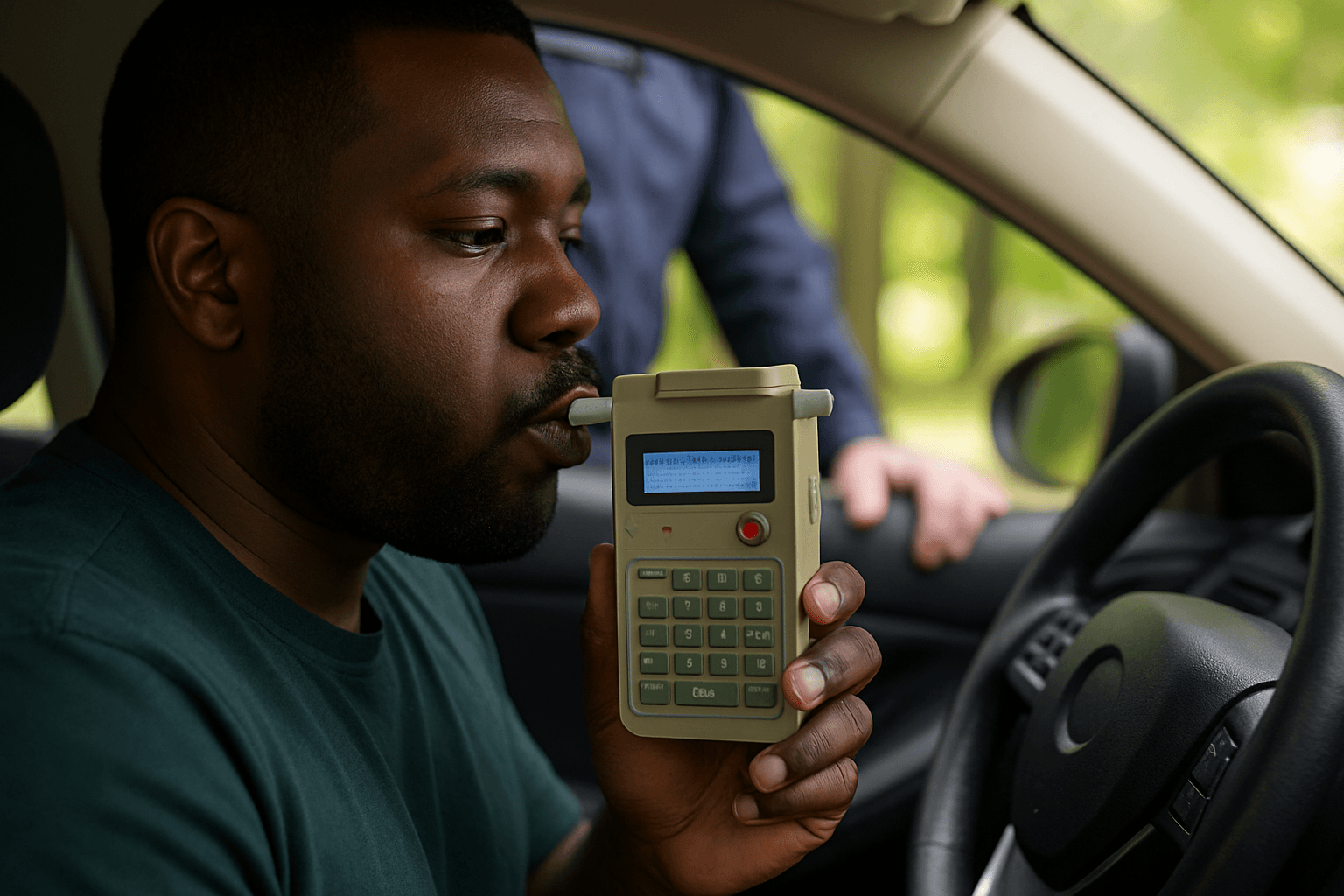
North Carolina judges deny most Limited Driving Privilege petitions when the ADET substance abuse assessment is missing or incomplete. You need the assessment report before you file the petition, not during the hearing.
Why the Substance Assessment Comes Before the Petition
You must complete the North Carolina Alcohol and Drug Education Traffic School (ADET) substance abuse assessment before you file your Limited Driving Privilege petition. The assessment report is required documentation for any DWI-based LDP request, and judges routinely deny petitions when the report is missing from the court record.
The ADET assessment is not a class you attend. It is a clinical evaluation conducted by a state-approved provider who determines whether you need treatment, education, or both. The provider submits a written report to the court outlining their recommendations. That report must be attached to your LDP petition or filed separately with the clerk before your hearing date.
North Carolina General Statutes § 20-17.6 requires completion of the assessment as a condition of LDP eligibility for all DWI revocations. Most first-time filers assume the assessment happens after the judge grants the LDP—it does not. You schedule the assessment independently through an approved provider, pay the assessment fee separately from court costs, and obtain the written report before you appear in court. If you show up to your hearing without the completed assessment on file, the judge cannot grant the LDP that day.
What the ADET Assessment Actually Evaluates
The ADET provider uses a structured interview and standardized screening tool to evaluate your substance use history, the circumstances of your DWI arrest, prior offenses, and current risk factors. The assessment typically lasts 60 to 90 minutes and costs between $100 and $150, paid directly to the provider at the time of service.
The provider's written report categorizes you into one of several treatment tracks: no treatment required, education classes only, outpatient treatment, or intensive outpatient treatment. The judge reviews this recommendation when deciding whether to grant your LDP and what conditions to impose. If the report recommends outpatient treatment, you must enroll in the recommended program before the judge will issue the privilege.
If your BAC was 0.15 or higher at the time of arrest, or if you have a prior DWI conviction, the assessment report will also trigger mandatory ignition interlock installation as a condition of the LDP. The interlock requirement is not optional once the BAC threshold is met—North Carolina law mandates it under N.C.G.S. § 20-17.8, and the judge has no discretion to waive it.
Compare car insurance rates in your state
Get quotes from licensed carriers — no obligation, no spam, results in minutes.
Get Your Free Quote✓ No Obligation Required✓ Licensed Carriers Only✓ Available Nationwide✓ Free to Compare
How to Schedule and Complete the Assessment
North Carolina maintains a directory of approved ADET providers on the NCDMV website. You can schedule directly with any approved provider in your county. The assessment must be completed in person; phone or video assessments are not accepted for LDP purposes.
Bring a copy of your DWI arrest report, your court date paperwork, and any prior substance abuse treatment records if applicable. The provider will ask detailed questions about your drinking patterns, drug use history, prior arrests, and current living situation. Answer honestly—providers submit their reports to the court, and inaccurate statements during the assessment can result in the judge denying your petition even if the assessment is completed.
Once the assessment is finished, ask the provider how long it will take to submit the written report to the court. Most providers file electronically within 5 to 7 business days. Confirm that the report has been filed with the clerk's office before your hearing date. If the report is missing from the court file on the day of your hearing, your petition will be continued or denied, and you will lose the filing fee.
Proof of Enrollment vs. Proof of Completion
If the ADET report recommends education or treatment, you must provide proof of enrollment in the recommended program at your LDP hearing. Proof of enrollment means a dated letter from the treatment provider confirming your registration, payment of any enrollment fee, and scheduled start date.
You do not need to complete the full treatment program before the judge grants the LDP. Enrollment alone satisfies the initial requirement. However, if you fail to attend scheduled classes or treatment sessions after the LDP is granted, the judge can revoke the privilege immediately. Most North Carolina treatment providers report attendance to the court electronically, and missed sessions trigger automatic compliance reviews.
If the assessment report concludes that no treatment is required, you still must complete a 16-hour Alcohol and Drug Education Traffic School course within 60 days of receiving your LDP. The education course is separate from the assessment and costs an additional $150 to $200. Failure to complete the course within the court-ordered timeframe results in automatic LDP revocation without a hearing.
SR-22 Insurance Filing After the Assessment
Once your ADET assessment is complete and your LDP petition is granted, you must file an SR-22 certificate of financial responsibility with the NCDMV before you can legally drive. The SR-22 filing is proof that you carry at least North Carolina's minimum liability coverage: $50,000 per person for bodily injury, $100,000 per accident for bodily injury, and $50,000 for property damage.
Your insurance carrier files the SR-22 electronically. The filing fee ranges from $25 to $50 depending on the carrier, and premium increases typically add $40 to $100 per month to your base rate. North Carolina requires continuous SR-22 coverage for three years after a DWI conviction. If your policy lapses for any reason during the filing period, the NCDMV automatically revokes your LDP and you must restart the entire application process.
If you do not own a vehicle, you can meet the SR-22 requirement with a non-owner SR-22 policy. Non-owner policies provide liability coverage when you drive borrowed or rented vehicles and cost $30 to $60 per month. The SR-22 filing obligation is the same whether you own a vehicle or not—North Carolina tracks the SR-22 by driver, not by vehicle.
What Happens If You Skip the Assessment
If you file an LDP petition without completing the ADET assessment, the court clerk will reject the petition at the filing window or the judge will deny it at the hearing. There is no procedural workaround. The assessment is a statutory prerequisite under N.C.G.S. § 20-17.6, and no North Carolina judge has authority to waive it.
If your petition is denied for a missing assessment, you can refile once the assessment is complete, but you will pay the $100 court filing fee again. Most counties schedule LDP hearings 30 to 45 days after the petition is filed, so a denial for missing documentation adds at least two months to your total wait time before you can drive under the privilege.
If you are currently serving the mandatory 45-day hard suspension period after a DWI conviction, use that time to schedule and complete the ADET assessment. The 45-day period begins at the date of conviction and runs concurrently with the assessment timeline. You cannot apply for the LDP until the 45 days have passed, but you can complete the assessment during that window so the report is ready when you file.