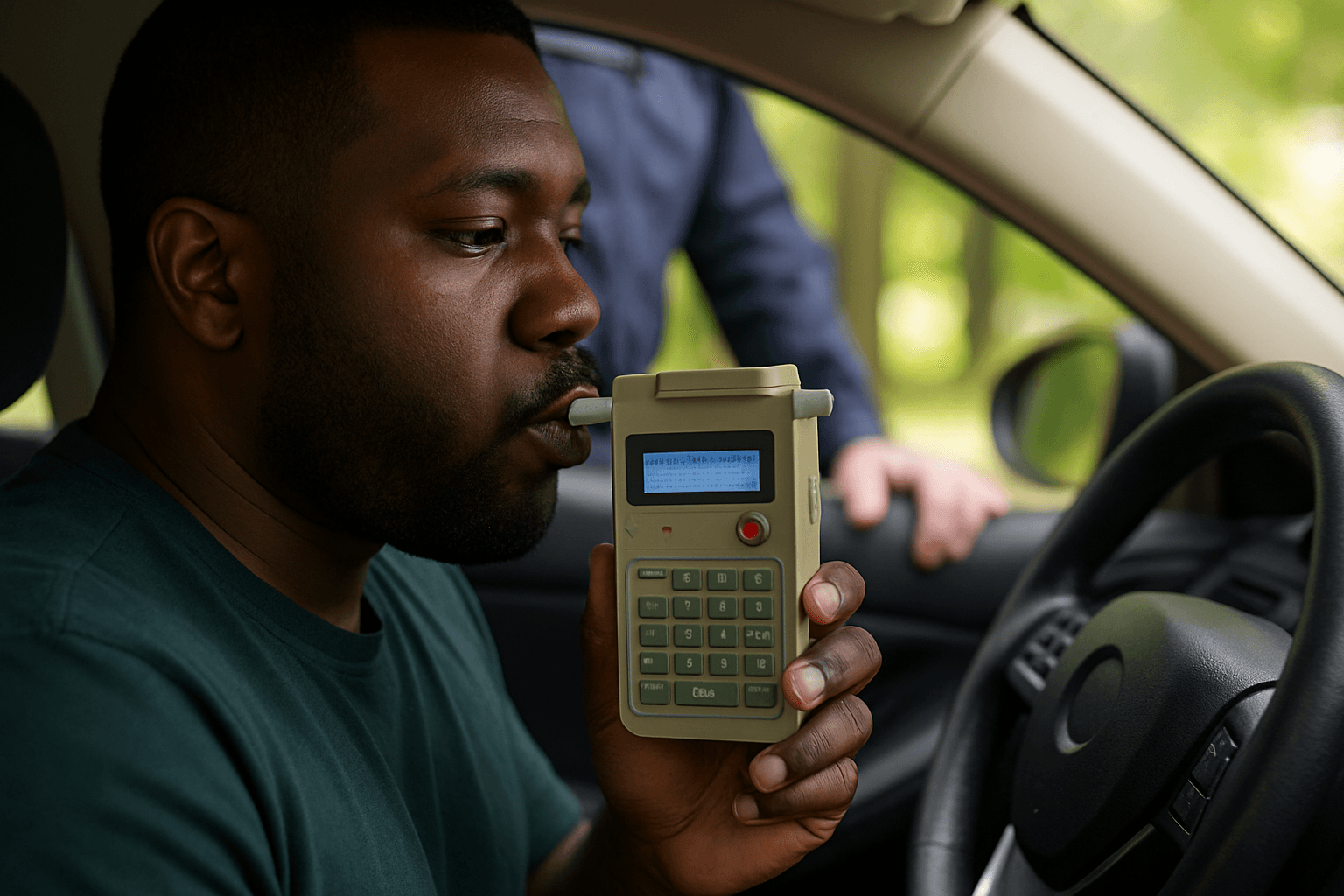
North Carolina judges reject LDP petitions more often for missing proof of insurance or treatment enrollment than for the underlying DWI offense. The documentation stack matters more than the conviction narrative.
Why Documentation Sequence Matters More Than Conviction Severity
North Carolina's Limited Driving Privilege petition requires four core documents: the petition itself, proof of valid liability insurance or SR-22 filing, proof of enrollment in DWI Assessment or substance abuse treatment, and proof of ignition interlock installation when required. Superior or district court judges issue LDPs, not NCDMV. Most denials stem from incomplete documentation stacks, not conviction severity.
The treatment enrollment date matters. Judges in Wake, Mecklenburg, and Guilford counties routinely deny petitions when treatment enrollment occurred after the petition filing date. The expectation: you enroll in treatment immediately after conviction, then file the petition with proof already in hand. Filing the petition first and scrambling for treatment afterward signals non-compliance.
SR-22 filing must be active at the time of petition filing. A carrier confirmation letter showing future effective dates will not satisfy the requirement. The judge needs proof that the SR-22 is on file with NCDMV before the hearing. Most carriers file electronically within 24-48 hours, but paper filings can take 5-7 business days to appear in NCDMV records.
The Four-Document Core and Where Petitions Fail
The petition to the court is a formal legal document, typically drafted by an attorney or obtained from the county clerk's office. It must specify the routes you need (home to work, home to treatment, home to school, home to medical appointments) with exact addresses. Generic route requests without street-level specificity are a common denial trigger.
Proof of insurance means an active policy meeting North Carolina's $50,000/$100,000/$50,000 minimum liability limits plus uninsured motorist coverage. If your conviction was DWI, reckless driving, or driving while license revoked, NCDMV requires SR-22 filing. The SR-22 is not a separate insurance policy — it is a form your carrier files with NCDMV certifying continuous coverage. Non-owner SR-22 policies cover drivers who do not own a vehicle but need to meet the filing requirement.
Proof of DWI Assessment enrollment must come from an NCDMV-approved provider. The assessment determines whether you need Alcohol and Drug Education Traffic School (ADET), outpatient treatment, or inpatient treatment. Judges want the assessment completion certificate and proof of enrollment in the recommended program. If the assessment recommends 20 hours of outpatient counseling, the petition must include proof you have enrolled and attended at least the first session.
Ignition interlock installation proof is required if your BAC was 0.15 or higher or if you have a prior DWI conviction. The court order will specify the interlock requirement. You must install the device before the LDP is granted, obtain a calibration certificate from the installer, and submit that certificate with the petition. The device must remain installed for the duration of the LDP and typically for one year beyond full license reinstatement.
Compare car insurance rates in your state
Get quotes from licensed carriers — no obligation, no spam, results in minutes.
Get Your Free Quote✓ No Obligation Required✓ Licensed Carriers Only✓ Available Nationwide✓ Free to Compare
The 45-Day Mandatory Hard Suspension and Petition Timing
North Carolina General Statutes § 20-179.3 imposes a 45-day hard suspension after a DWI conviction before any Limited Driving Privilege can be granted. You cannot petition for an LDP during those first 45 days. The clock starts on the conviction date, not the arrest date or the sentencing date. Most counties will not even schedule an LDP hearing until day 46.
The hard suspension period is when you complete the DWI assessment, enroll in required treatment, install the ignition interlock device, and secure SR-22 insurance. Judges expect all four documentation components to be complete before the hearing. Filing the petition on day 46 with incomplete documentation wastes the court's time and delays your LDP by weeks or months depending on the county's docket backlog.
Court fees vary by county but typically range from $100 to $200 for the LDP petition filing. This is separate from the $65 NCDMV reinstatement fee you will pay later when the full suspension period ends. Some counties require fees paid before the hearing; others collect after the judge grants the LDP. Verify the local procedure with the clerk of superior court in your county.
Route Restrictions and What the Approval Order Actually Permits
The LDP approval order specifies exactly where you can drive, when you can drive, and for what purposes. Most orders limit driving to home-to-work, home-to-treatment, home-to-school, home-to-religious activities, and home-to-medical appointments. The order will list specific addresses for each approved location. Driving to a grocery store, a friend's house, or a gas station not on the direct route between approved locations violates the LDP and triggers immediate revocation.
Time restrictions are at the judge's discretion. Common orders limit driving to 6am-8pm Monday through Friday for work purposes, with additional hours for treatment or religious activities on weekends. Some judges issue 24/7 LDPs when job responsibilities require overnight or weekend shifts. You must present documentation from your employer specifying work hours to justify expanded time windows.
Violating route or time restrictions results in automatic LDP revocation and extension of the underlying suspension period. NCDMV receives electronic notice from law enforcement within 24 hours of a violation stop. There is no grace period and no administrative review. The LDP is revoked, you return to hard suspension status, and you must wait an additional period before petitioning again.
SR-22 Filing Duration and Cost Impact in North Carolina
North Carolina requires SR-22 filing for three years after a DWI conviction, measured from the date the SR-22 is filed, not the conviction date. If you allow the SR-22 to lapse at any point during those three years, NCDMV suspends your license immediately and the three-year clock resets from the date you file a new SR-22. The electronic insurance verification system tracks lapses in real time.
SR-22 filing itself costs $25-$50 depending on the carrier. The premium impact is larger. North Carolina uses a Rate Bureau system for rate filings, but SR-22-required drivers still see significant surcharges. Estimates suggest monthly premiums increase by $60-$140 after a DWI-triggered SR-22 filing compared to pre-conviction rates. Drivers with prior violations or accidents see higher increases. Non-owner SR-22 policies typically cost $40-$80 per month for minimum liability limits.
You cannot cancel the SR-22 until NCDMV confirms the three-year filing period is complete. Most carriers will not remind you when the filing obligation ends. You must contact NCDMV directly, verify the end date in their system, then request the carrier cancel the SR-22 filing. Premiums typically drop 10-20% within the next billing cycle after the SR-22 is removed.
What Happens When Documentation Is Rejected
Judges deny LDP petitions for incomplete documentation, not necessarily for the severity of the underlying conviction. The most common rejection reasons: treatment enrollment dated after petition filing, SR-22 not yet on file in NCDMV records at hearing time, route addresses missing or vague, ignition interlock calibration certificate expired or missing, or employer affidavit not notarized.
A denied petition means you remain under hard suspension until you correct the documentation deficiencies and file a new petition. Most counties require a new filing fee for the second petition. Court dockets in urban counties run 4-8 weeks out, so a documentation error can cost you two months of additional hard suspension.
Some judges issue conditional approval orders requiring you to submit missing documentation within 10 days. The LDP takes effect only after the clerk confirms receipt of the missing documents. Missing the 10-day window converts the conditional approval to a denial, and you must start the petition process over.
Finding SR-22 Coverage That Meets North Carolina's Requirements
Not all carriers write SR-22 policies in North Carolina. Standard carriers like State Farm and Geico file SR-22 forms for existing customers but may non-renew after a DWI conviction. Non-standard carriers like Dairyland, Direct Auto, The General, National General, and Progressive specialize in high-risk filings and typically offer faster SR-22 processing.
Non-owner SR-22 policies make sense if you do not own a vehicle but need to meet the filing requirement to petition for an LDP. These policies provide liability coverage when you drive a borrowed or rental vehicle. They cost less than standard policies because they exclude collision and comprehensive coverage. Most non-owner policies meet North Carolina's minimum liability and uninsured motorist requirements.
Compare quotes from at least three carriers before filing the SR-22. Premium differences for the same coverage can range 30-50% between carriers. Some carriers file the SR-22 electronically the same day you bind coverage; others require 3-5 business days. Confirm the filing timeline before you commit — you cannot petition for an LDP until the SR-22 appears in NCDMV records.