North Carolina's LDP program treats DWI, uninsured driving, and points suspensions differently. The judge's discretion varies by trigger, and the court's eligibility checklist shifts with your violation type.
Why North Carolina's Limited Driving Privilege Hinges on Your Suspension Cause
The North Carolina court system issues Limited Driving Privileges through district or superior court judges, not through NCDMV. Eligibility, waiting periods, and required documentation all shift depending on what triggered your suspension. A DWI revocation carries a mandatory 45-day hard suspension before you can petition for an LDP under N.C.G.S. § 20-179.3. A points-based suspension has no hard period at all. An uninsured-driving suspension requires proof of current liability coverage plus SR-22 filing, but skips the ignition interlock device requirement that DWI cases face when your BAC was 0.15 or higher.
Judges evaluate each petition under different statutory frameworks. DWI petitions fall under N.C.G.S. § 20-179.3, which mandates the 45-day waiting period, requires proof of DWI Assessment enrollment or completion, and imposes ignition interlock for high-BAC offenses and repeat offenders. Points-based petitions fall under N.C.G.S. § 20-16.1, which allows immediate application after suspension but requires proof of no prior LDP revocations in the past three years. Uninsured-driving petitions require proof of continuous insurance for 30 days prior to application and an SR-22 filing for the duration of the suspension.
This guide walks through the cause-specific eligibility rules, documentation requirements, and procedural differences for each major suspension trigger in North Carolina. The court's checklist changes with your violation type, and missing a cause-specific requirement produces denial without appeal.
How DWI Suspensions Change the LDP Timeline and Documentation
North Carolina imposes a mandatory 45-day hard suspension before any Limited Driving Privilege can be granted for DWI cases. This waiting period runs from the effective date of the revocation, not from the date you file your petition. If your revocation began on March 1, the earliest possible LDP grant date is April 15. Filing your petition during the hard suspension does not accelerate the timeline.
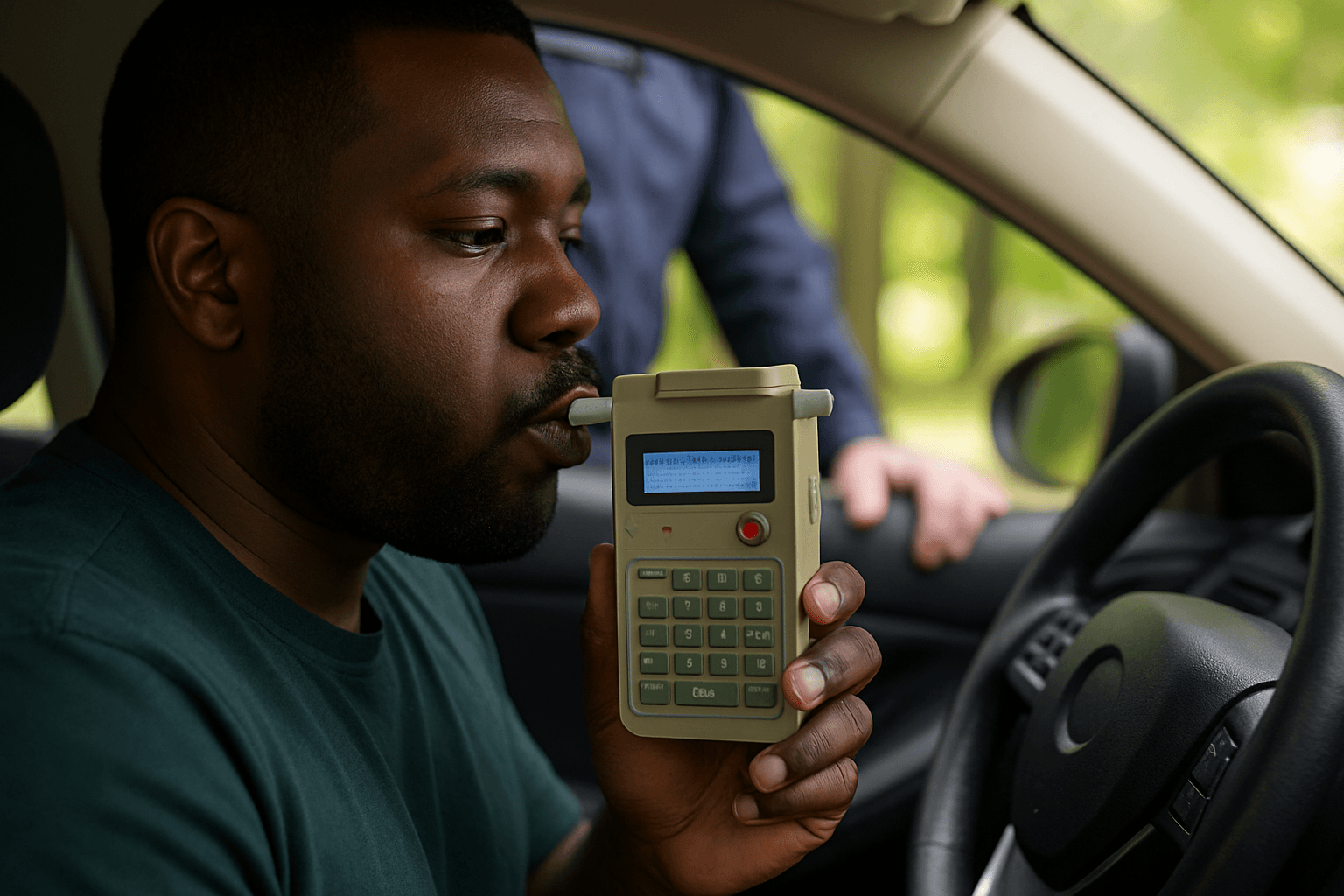
Once the 45 days pass, you must provide proof of enrollment in an NC ADET (Alcohol and Drug Education Traffic School) substance abuse assessment and comply with any recommended treatment. The court will not grant an LDP without documented assessment enrollment. If your BAC at the time of the offense was 0.15 or higher, or if you have a prior DWI conviction within seven years, the court will require ignition interlock installation as a condition of the LDP. You must provide proof of installation and a monthly monitoring agreement before the judge signs the privilege.
The court also requires proof of valid liability insurance or SR-22 filing for the duration of the suspension. SR-22 filing typically lasts three years for a first DWI offense in North Carolina. The court filing fee is approximately $100, though this varies by county. Missing any of these documents at your hearing produces immediate denial, and you must restart the petition process from the beginning.
Compare car insurance rates in your state
Get quotes from licensed carriers — no obligation, no spam, results in minutes.
Get Your Free Quote✓ No Obligation Required✓ Licensed Carriers Only✓ Available Nationwide✓ Free to Compare
Why Points-Based Suspensions Skip the Hard Period Entirely
Points-based suspensions under N.C.G.S. § 20-16.1 allow immediate petition for a Limited Driving Privilege. There is no mandatory waiting period. If your license was suspended on February 1 for accumulating 12 points within three years, you can file your petition the same day. The judge's decision timeline varies by court docket load, but the statutory framework does not impose a hard suspension before eligibility.
The court requires proof of no prior LDP revocations in the past three years. If you received an LDP for a prior suspension and violated its terms, you are ineligible for another LDP until three years pass from the date of the revocation. The court also requires proof of valid liability insurance and payment of the $65 NCDMV reinstatement fee plus the court filing fee. No SR-22 filing is required for points-based suspensions unless your points were accumulated through uninsured-driving violations or other insurance-related offenses.
Judges may impose route and time restrictions at their discretion, but the statute allows travel for work, school, religious activities, medical appointments, and court-ordered treatment. The privilege is not a general license. Violating the route or time restrictions produces immediate revocation and reinstatement of the full suspension period.
What Uninsured-Driving Suspensions Require for LDP Approval
Uninsured-driving suspensions under N.C.G.S. § 20-309 and § 20-311 require proof of continuous liability insurance for 30 days prior to your LDP petition. The court will not accept proof of insurance purchased the day before your hearing. You must document 30 consecutive days of active coverage with no lapses. Most judges require policy declarations pages showing the effective date and 30-day history.
You must also provide proof of SR-22 filing. North Carolina uses an electronic insurance verification system (eDMV) through which insurers report policy cancellations and new policies to NCDMV in near-real-time. The court verifies your SR-22 filing status through this system before granting the LDP. SR-22 filing duration for uninsured-driving suspensions typically lasts one year from the date of reinstatement, though repeat offenses within three years extend the filing period to three years.
The reinstatement process after an uninsured-driving lapse includes a $50 civil penalty for a first offense and up to $150 for subsequent offenses within three years, plus a $50 plate fee under N.C.G.S. § 20-311. These fees are separate from the court filing fee for the LDP petition. Ignition interlock is not required for uninsured-driving suspensions unless the underlying violation also involved a DWI charge.
Why Habitual Offender Revocations Bar LDP Eligibility Completely
Drivers revoked as habitual offenders under N.C.G.S. § 20-138.5 are not eligible for a Limited Driving Privilege during the revocation period. Habitual offender status is triggered by accumulating three major moving violations within five years, or by receiving a second DWI conviction within a shorter window. The revocation period is typically five years, and no judicial relief is available during that time.
The statute does not allow judges to grant LDPs to habitual offenders. Filing a petition will produce denial, and you will lose your filing fee with no procedural recourse. If you believe your habitual offender designation was issued in error, you must petition NCDMV for administrative review under N.C.G.S. § 20-25, not the court system.
Once the five-year revocation period ends, you may apply for full license reinstatement through NCDMV. The reinstatement process requires proof of no further violations during the revocation period, payment of the $65 reinstatement fee, and completion of a driver improvement clinic. SR-22 filing is typically required for three years after reinstatement.
How Commercial Drivers Face CDL-Specific LDP Restrictions
CDL holders cannot obtain a Limited Driving Privilege for operation of commercial motor vehicles. The LDP applies only to non-commercial vehicle operation under Class C or Class D licensing. If your suspension affects your CDL, the LDP allows you to drive a personal vehicle to and from work, but you cannot operate a commercial vehicle for any purpose during the suspension.
This restriction applies even if your suspension was triggered by a personal-vehicle offense unrelated to your commercial driving. A DWI in your personal car suspends your CDL under federal regulations, and the LDP does not restore commercial driving privileges. Your employer must reassign you to non-driving duties, or you must find alternative employment until full reinstatement.
Federal Motor Carrier Safety Administration (FMCSA) regulations prohibit state-level hardship licenses from covering commercial operation. North Carolina complies with this federal framework. If your livelihood depends on CDL operation, an LDP does not solve your employment problem. You must pursue full reinstatement through NCDMV after completing the suspension period and meeting all federal and state requirements.
What Insurance Changes After Your Limited Driving Privilege Is Granted
Once the court grants your LDP, your insurance carrier receives notification through NCDMV's electronic verification system. Your premium will reflect the suspension, the violation type, and the SR-22 filing requirement if applicable. DWI suspensions typically produce premium increases of 70% to 140% for the first policy term. Points-based suspensions produce smaller increases, typically 25% to 60%, depending on the severity of the underlying violations.
If your suspension required SR-22 filing, you must maintain continuous coverage for the entire filing period. Any lapse in coverage triggers automatic revocation of your LDP and reinstatement of the full suspension. North Carolina's eDMV system reports lapses to NCDMV within 10 days, and the revocation is automatic. You will receive no warning, and you must start the petition process again from the beginning.
Non-owner SR-22 policies are available if you do not own a vehicle but need to meet the filing requirement. These policies provide liability coverage when you drive a borrowed or rented vehicle. Monthly premiums for non-owner SR-22 policies in North Carolina typically range from $40 to $80, depending on your violation history and the filing duration.