North Carolina's court-issued Limited Driving Privilege carries two separate fee structures — the $100 court filing fee you pay upfront and the $65 restoration fee you pay after the judge grants your petition. Most drivers budget only for one.
The Two-Fee Structure Most North Carolina Drivers Miss
North Carolina's Limited Driving Privilege (LDP) requires two separate payments to two different agencies. You pay the $100 court filing fee when you submit your petition to Superior or District Court. You pay the $65 DMV restoration fee after the judge grants your petition and you reinstate your license through the NC Division of Motor Vehicles. Most drivers budget only for the court fee because that's the one blocking their application — the DMV restoration fee surfaces later, often weeks after approval, when they attempt to reinstate.
The court filing fee varies slightly by county. Most North Carolina counties charge $100 for the LDP petition filing, though a few rural counties charge $90–$110. Call the clerk of court in the county where your suspension was issued to confirm the exact amount before you file. The $65 DMV restoration fee is statewide and does not vary.
Processing time runs 2–6 weeks from petition filing to court hearing. The timeline depends on the court's docket, the complexity of your case, and whether the DA's office objects to your petition. DWI-based LDP petitions typically take longer because the judge must verify you've completed the mandatory 45-day hard suspension period and enrolled in the required ADET substance abuse assessment.
What the $100 Court Filing Fee Covers
The $100 court filing fee pays for the administrative processing of your LDP petition. This includes docket scheduling, DA review, and the judge's hearing time. The fee is due when you file your petition — you cannot file without paying it. Most counties accept cash, money order, or cashier's check; personal checks are often not accepted for court filings.
The filing fee does not cover your attorney if you hire one. Attorney fees for LDP petitions in North Carolina typically run $500–$1,500 depending on case complexity, county, and whether the DA objects. Uncontested petitions cost less. DWI-based petitions with prior offenses or BAC >= 0.15 cost more because they require additional documentation (ignition interlock proof, ADET enrollment verification) and face higher scrutiny from the court.
You can file an LDP petition pro se (without an attorney) in North Carolina. The court clerk cannot give you legal advice, but clerks can provide the blank petition forms and tell you what documentation the judge will expect. If your petition is straightforward — first offense, clear employer documentation, no unpaid fines — pro se filing is common. If you have multiple prior DWI convictions, unpaid tickets, or a contested suspension, hiring an attorney improves your approval odds.
Compare car insurance rates in your state
Get quotes from licensed carriers — no obligation, no spam, results in minutes.
Get Your Free Quote✓ No Obligation Required✓ Licensed Carriers Only✓ Available Nationwide✓ Free to Compare
The $65 DMV Restoration Fee That Follows Court Approval
After the judge grants your LDP petition, you must pay the $65 restoration fee to the NC Division of Motor Vehicles before your driving privilege becomes active. This fee is separate from the court filing fee and is paid directly to NCDMV, not the court. You can pay online via the myNCDMV portal, in person at a DMV office, or by mail with a money order.
The restoration fee is required even though the LDP is not a full license reinstatement. North Carolina treats the LDP as a conditional restoration of driving privileges, which triggers the same $65 fee that applies to full reinstatements after most suspension types. If you were also revoked for an insurance lapse (FS-1 revocation), you may owe an additional $50 lapse penalty on top of the $65 restoration fee — verify your suspension type with NCDMV before budgeting.
Most drivers pay the restoration fee within 1–3 days of receiving the judge's signed order. You cannot legally drive under your LDP until both the court order is signed and the restoration fee is paid to NCDMV. Driving on a court-approved LDP before paying the restoration fee is treated as driving while license revoked (DWLR), a Class 1 misdemeanor in North Carolina carrying up to 120 days in jail for a first offense.
Ignition Interlock Installation Costs for BAC >= 0.15 Cases
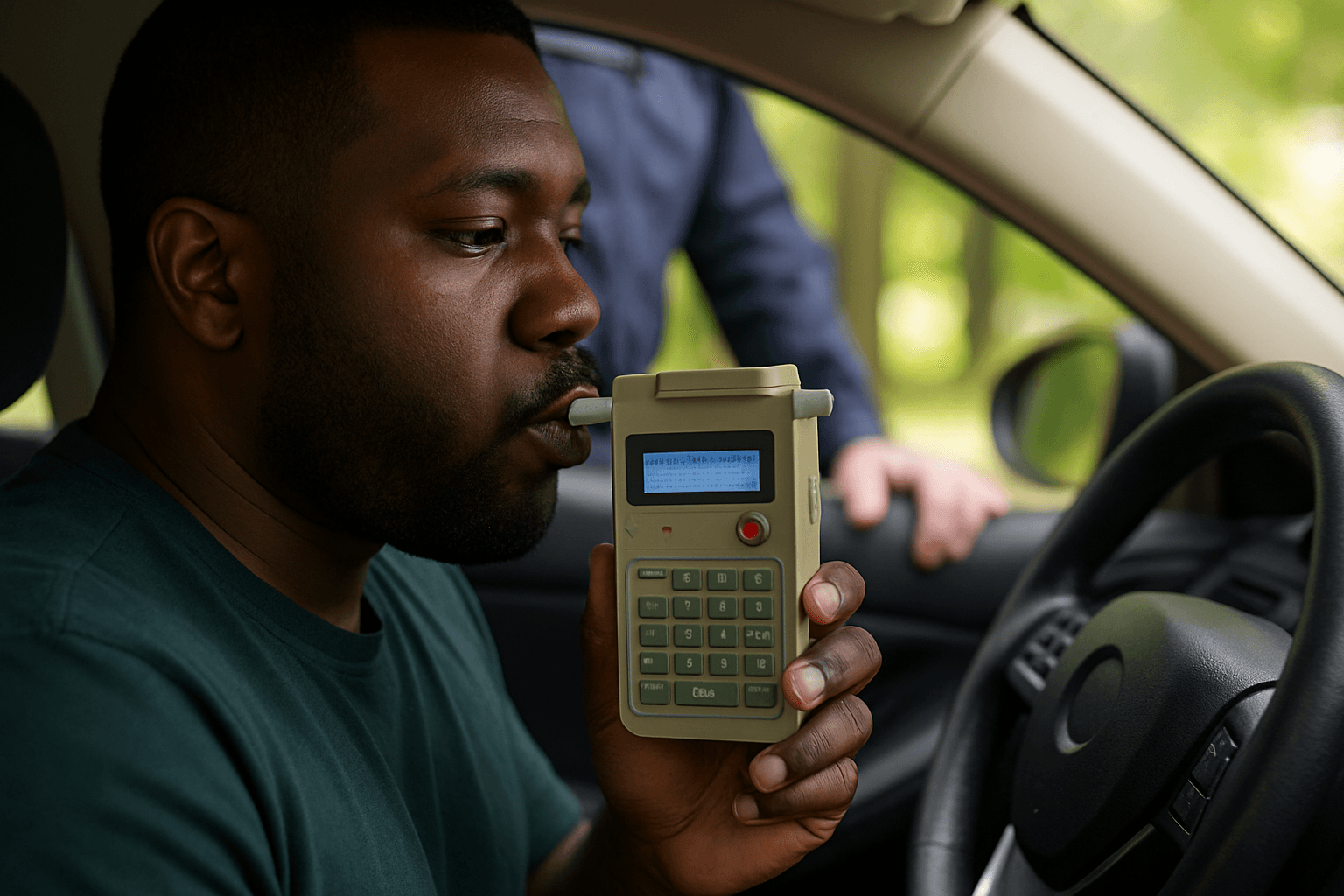
North Carolina requires ignition interlock installation for all LDP holders whose BAC was 0.15 or higher at the time of the DWI offense, as well as those with a prior DWI conviction. Interlock installation costs $75–$150, monthly monitoring fees run $60–$90, and removal costs $50–$75. Total cost over a 1-year LDP period typically runs $900–$1,200.
You must install the interlock device before the court hearing. The judge will ask for proof of installation as part of your LDP petition documentation. If you show up to your hearing without interlock installation proof, the judge will continue your hearing to a later date, adding 2–4 weeks to your timeline and potentially requiring you to pay a second filing fee depending on the county.
Interlock vendors approved by NCDMV include Intoxalock, LifeSafer, Smart Start, and Guardian Interlock. All charge roughly the same fees. Installation happens at the vendor's service center and takes 1–2 hours. The device must be calibrated monthly, which means you return to the service center every 30 days for a monitoring appointment that takes 15–20 minutes and costs $60–$90 depending on the vendor.
SR-22 Filing Fees and Premium Impact
North Carolina requires SR-22 proof of financial responsibility for most DWI-based LDP petitions and some uninsured-driving suspensions. The SR-22 filing fee itself is minor — typically $15–$50 depending on the carrier. The premium impact is not. Drivers approved for an LDP after DWI see average premium increases of 60–120% over their pre-conviction rate, translating to monthly premiums of $140–$250 for minimum liability coverage.
SR-22 is not insurance. It is a certificate your insurer files electronically with NCDMV confirming you carry at least North Carolina's minimum liability limits: $50,000 bodily injury per person, $100,000 bodily injury per accident, and $50,000 property damage. If you let your policy lapse or cancel coverage during the SR-22 filing period, your insurer notifies NCDMV within 10 days and your LDP is automatically revoked.
SR-22 filing duration in North Carolina is typically 3 years for DWI convictions, measured from the date of conviction, not the date you file SR-22. If you were convicted in January 2023 and you don't apply for an LDP until July 2024, your SR-22 filing requirement expires in January 2026 — 18 months after you start filing, not 3 years after. Verify your exact filing end date with NCDMV before budgeting for multi-year premiums.
Total Cost Stack: What to Budget Before You File
Budget $165–$210 in fees alone for a non-interlock LDP petition: $100 court filing fee plus $65 DMV restoration fee. Add $500–$1,500 if you hire an attorney. Add $900–$1,200 for ignition interlock installation and monitoring if your BAC was >= 0.15 or you have a prior DWI. Add $15–$50 for the SR-22 filing fee if required. Add the premium increase for SR-22 coverage — typically $80–$150/month above your prior rate.
For a first-offense DWI with BAC >= 0.15, total first-year cost for an LDP in North Carolina runs approximately $2,500–$4,000: court and DMV fees ($165), attorney ($1,000 average), ignition interlock ($1,000), SR-22 filing ($25), and 12 months of increased premiums ($1,200–$1,800). For a non-DWI suspension (points accumulation, uninsured driving without SR-22 requirement), total cost drops to $665–$1,710: fees ($165), attorney ($500 average if hired), and no interlock or SR-22 surcharge.
Processing time from petition filing to court hearing runs 2–6 weeks. After the judge grants your petition, you can pay the $65 restoration fee and activate your LDP the same day if you submit payment online via myNCDMV. Total timeline from petition filing to legal driving under LDP: 2–7 weeks depending on court docket and whether you've already installed interlock and secured SR-22 coverage before filing.