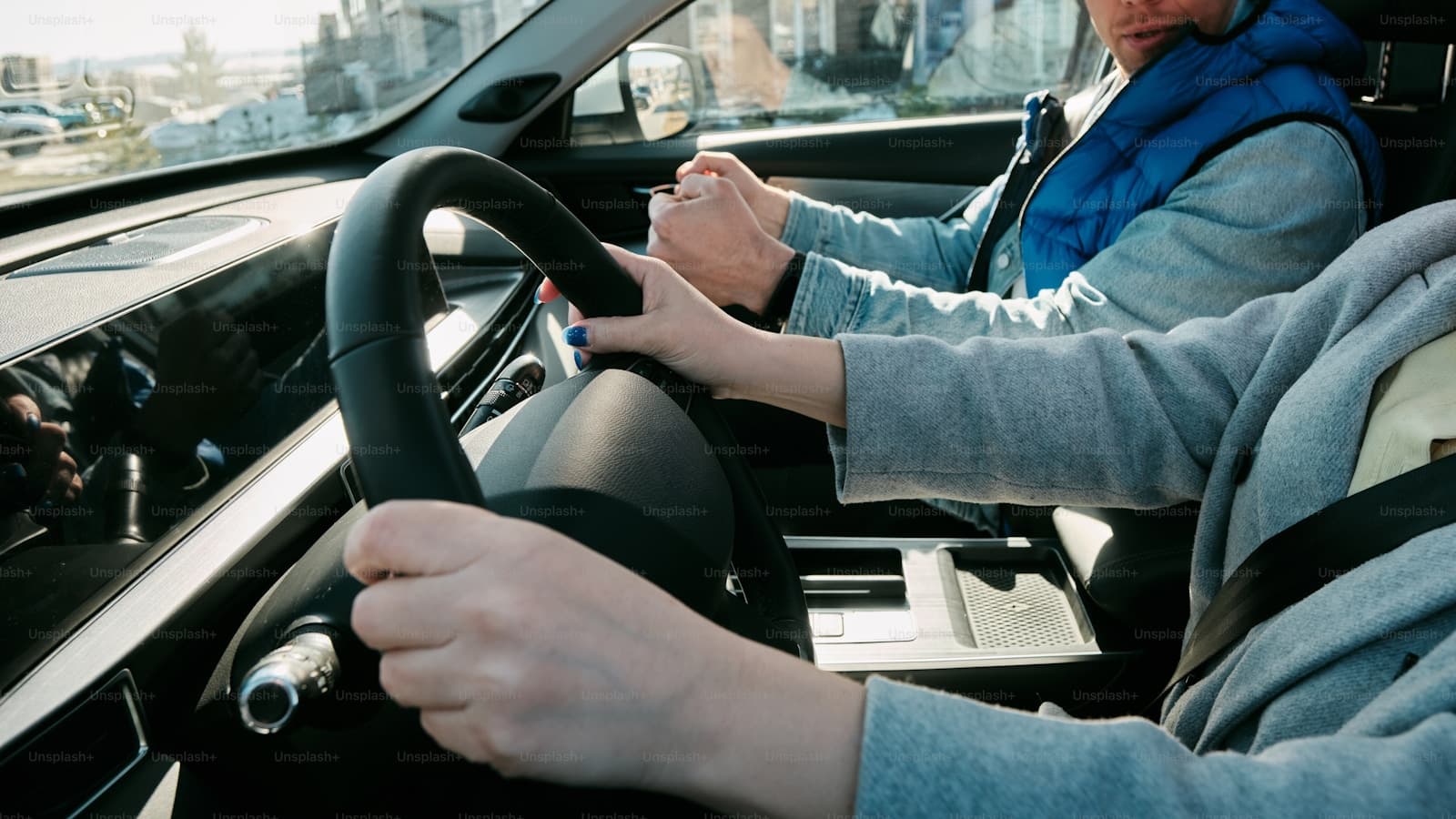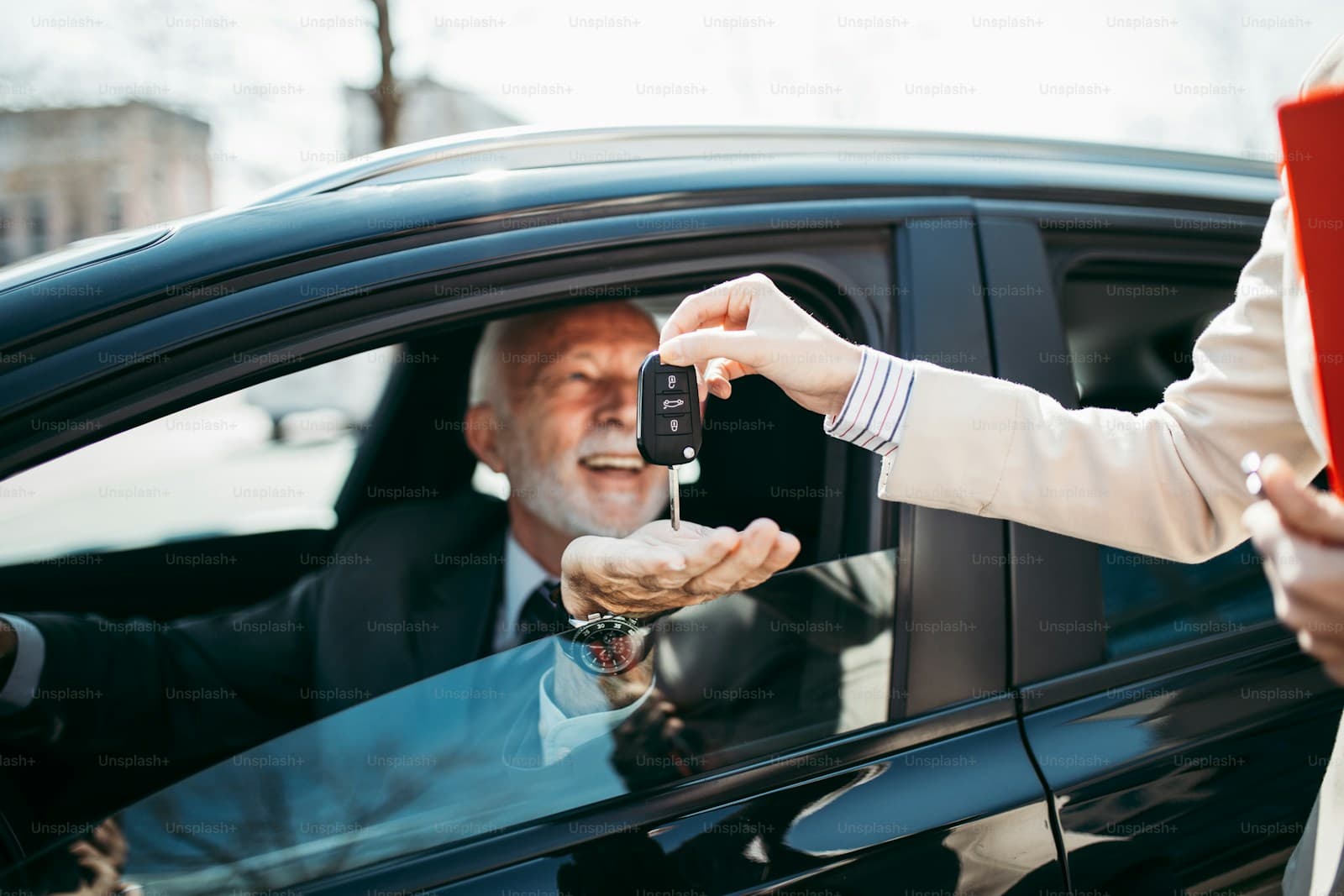
You were approved for hardship driving and don't own a vehicle. Now you need to know whether a non-owner SR-22 covers borrowed cars during your restriction period—and what happens if the vehicle owner's policy conflicts with your filing.
What Non-Owner SR-22 Actually Covers When You Drive Someone Else's Car
A non-owner SR-22 policy provides liability coverage when you drive vehicles you don't own, but it functions as secondary coverage. If you borrow a friend's car and cause an accident, the vehicle owner's policy pays first. Your non-owner policy only pays after the owner's liability limits are exhausted.
This layering structure creates a gap most hardship license holders don't anticipate. If the vehicle owner carries only their state's minimum liability limits and you cause a crash that exceeds those limits, your non-owner policy's liability coverage activates. But if the owner carries no insurance at all, you're driving uninsured even with an active non-owner SR-22 on file.
The SR-22 filing itself is not insurance. It's a certificate your insurer files with the state proving you carry continuous coverage. The non-owner policy bundled with that SR-22 provides the actual liability protection, but it doesn't convert borrowed vehicles into insured vehicles if the owner has let their policy lapse.
How Hardship Route Restrictions Interact with Borrowed Vehicle Use
Most hardship licenses restrict driving to documented routes: home to work, home to medical appointments, home to court-ordered programs. Borrowing a vehicle doesn't change those restrictions. If your hardship order limits you to commuting Monday through Friday 7 a.m. to 6 p.m., driving a borrowed car to the grocery store on Saturday violates your restriction even if you carry valid non-owner SR-22 coverage.
Law enforcement and DMV hearing officers don't distinguish between your own vehicle and a borrowed vehicle when evaluating restriction compliance. A traffic stop outside your approved routes triggers the same revocation process whether you're driving your car, a friend's car, or a rental. The vehicle is irrelevant. The restriction governs your driving activity, not the asset you're operating.
Some states require hardship applicants to list every vehicle they will operate during the restriction period, including borrowed vehicles. Texas occupational license applications ask for the registered owner's name and policy information for any vehicle the petitioner will drive regularly. If you plan to borrow the same vehicle weekly, that vehicle and its insurance status may need court approval before your hardship petition is granted.
Compare car insurance rates in your state
Get quotes from licensed carriers — no obligation, no spam, results in minutes.
Get Your Free Quote✓ No Obligation Required✓ Licensed Carriers Only✓ Available Nationwide✓ Free to Compare
When the Vehicle Owner's Policy Excludes You as a Driver
Named driver exclusions create the most common coverage failure in borrowed-vehicle hardship driving. If the vehicle owner's insurer has excluded you by name from their policy, your non-owner SR-22 does not convert that exclusion into coverage. The exclusion stands. You are driving that specific vehicle uninsured.
Exclusions happen when a household member or frequent borrower has a high-risk profile. Insurers offer premium discounts in exchange for explicitly excluding that person from coverage. If you've been excluded from the vehicle owner's policy and then borrow the car, neither the owner's policy nor your non-owner policy will pay a liability claim. The owner's policy won't pay because you're excluded. Your non-owner policy won't pay because it only activates after the owner's policy limits are exhausted, and an excluded driver triggers zero payout from the primary policy.
Before borrowing any vehicle while on a hardship license, confirm with the vehicle owner that their policy does not exclude you. If you're excluded, borrowing that vehicle violates most states' financial responsibility laws even if you carry an active non-owner SR-22.
Whether Non-Owner SR-22 Satisfies Hardship License Filing Requirements
Non-owner SR-22 satisfies state filing requirements in every state that permits hardship licenses and requires SR-22 proof of financial responsibility. The DMV does not distinguish between SR-22 filed on a standard auto policy and SR-22 filed on a non-owner policy. Both filings certify continuous liability coverage.
Some confusion arises because judges and hearing officers processing hardship petitions occasionally ask whether the applicant owns a vehicle. That question determines route feasibility, not filing type. If you don't own a vehicle, the court or DMV wants to know how you will access transportation for the approved routes. Stating you will borrow a family member's vehicle or use a vehicle provided by your employer usually satisfies that inquiry as long as the vehicle owner's insurance information is documented.
Non-owner policies typically cost $300 to $600 annually before the SR-22 filing fee. The SR-22 filing itself adds $15 to $50 depending on the state and carrier. Total first-year cost for non-owner SR-22 coverage generally ranges from $350 to $700, compared to $1,200 to $3,000 annually for standard SR-22 coverage on an owned vehicle for high-risk drivers.
What Happens If You're in an Accident Driving a Borrowed Car on a Hardship License
If you cause an accident while driving a borrowed vehicle during your hardship restriction period, the vehicle owner's liability policy pays first up to its limits. Your non-owner SR-22 policy pays any liability amount exceeding the owner's policy limits, up to your non-owner policy's limits. Both insurers will verify you were operating within your hardship restrictions at the time of the crash.
An accident outside your approved routes triggers two separate consequences: the at-fault liability claim and a hardship license revocation. Even if both policies pay the claim in full, the DMV will revoke your hardship driving privilege for operating outside documented routes. Most states treat any violation of hardship restrictions as grounds for immediate revocation without a hearing.
If the borrowed vehicle's owner carried no insurance or had excluded you from their policy, your non-owner SR-22 insurer may deny the claim entirely. Non-owner policies include exclusions for vehicles you have regular access to or vehicles titled to household members. If the borrowed vehicle falls under those exclusions, you were driving uninsured regardless of your SR-22 filing status, and the accident becomes an out-of-pocket liability.
How to Structure Borrowed Vehicle Arrangements to Protect Your Hardship License
Obtain written confirmation from the vehicle owner's insurer that you are not excluded from their policy and that permissive use coverage applies when you operate the vehicle. Many insurers provide a permissive use letter on request. Keep that letter in the vehicle during every trip. If stopped, you can prove to law enforcement that the vehicle is insured for your operation.
Document the vehicle owner's policy information and provide it to the court or DMV when filing your hardship petition if your state requires disclosure of vehicles you will operate. Texas, Illinois, and Indiana hardship applications explicitly ask for this information. Failing to disclose a regularly borrowed vehicle can result in petition denial or post-approval revocation if discovered.
If you will borrow the same vehicle more than twice per week, consider asking the vehicle owner to add you as a named insured on their policy rather than relying on permissive use coverage. Named insured status costs more but eliminates the coverage-layering ambiguity that non-owner SR-22 creates. Some judges approve hardship petitions more readily when the applicant is a named insured on the vehicle's policy because it removes uncertainty about coverage adequacy.