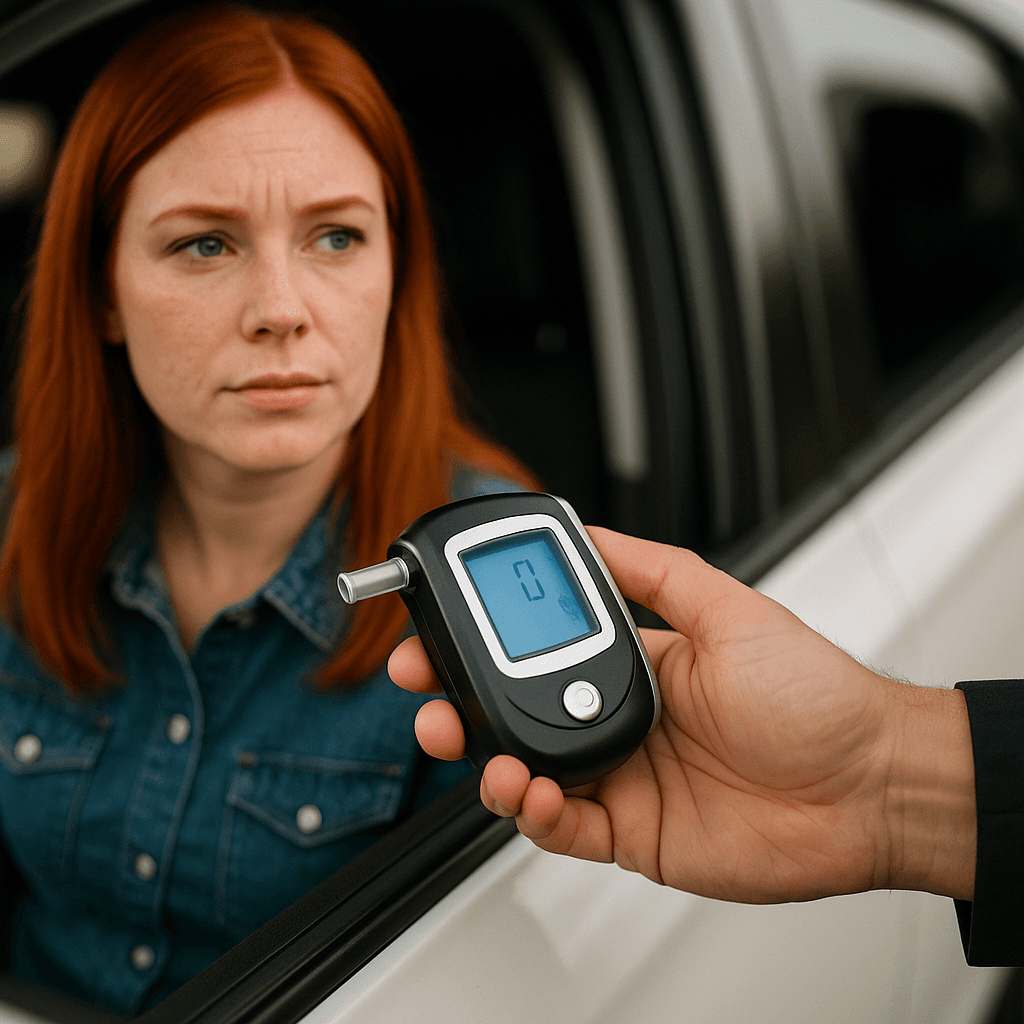
New York mandates ignition interlock for every DWI conviction—including as a condition of any Restricted Use License during the interlock period under Leandra's Law. Here's when the device is required, how long installation lasts, and what happens if you apply for a RUL without completing IID enrollment first.
When Does New York Require Ignition Interlock for a Restricted Use License?
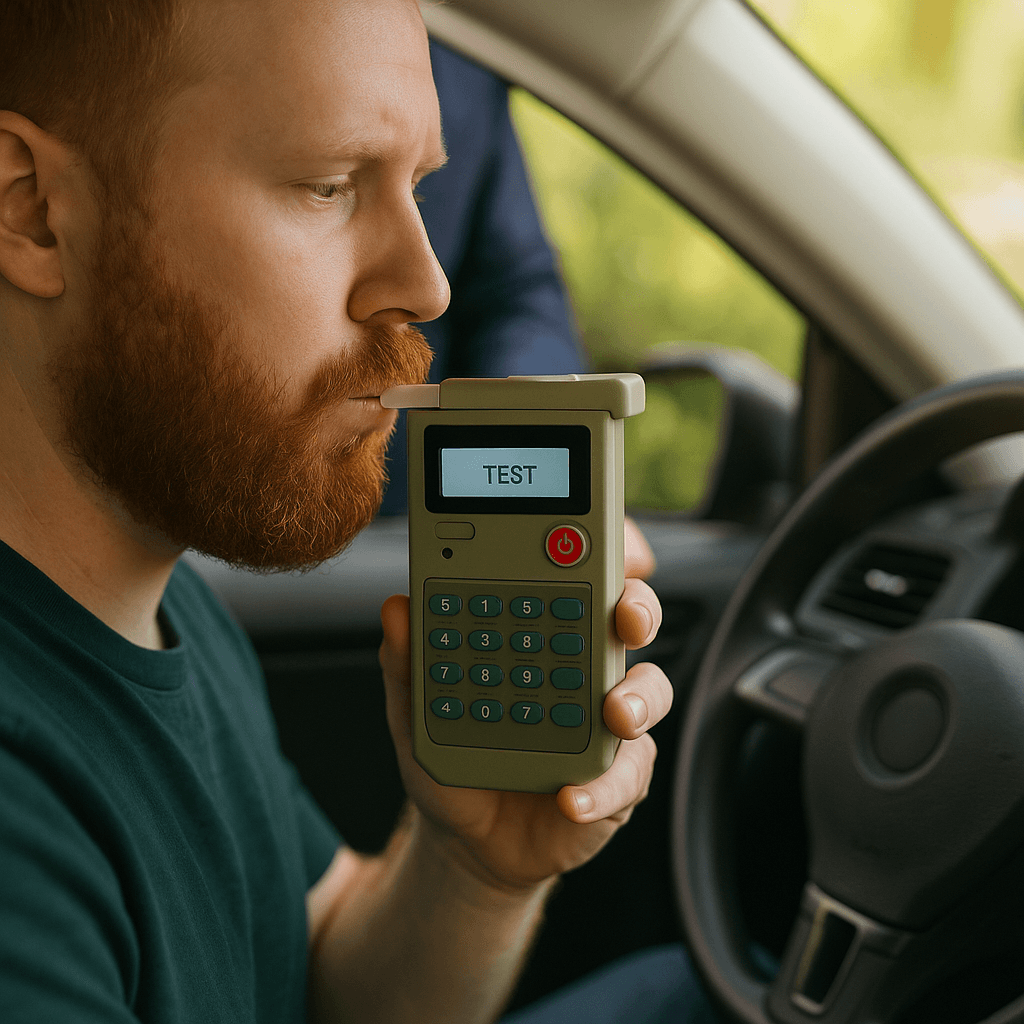
New York requires ignition interlock installation for every DWI or DWAI conviction, including as a condition of any Restricted Use License granted during the interlock period. Vehicle and Traffic Law §1198 (Leandra's Law) mandates IID installation for all impaired-driving offenses—first-time DWI, aggravated DWI, DWAI-drugs, and refusal cases all trigger the requirement. The interlock period runs concurrently with your license revocation, not after it.
If you apply for a Restricted Use License after a DWI conviction, the DMV will approve driving only in a vehicle equipped with an approved ignition interlock device. The RUL does not waive the interlock requirement. You cannot drive any vehicle—yours, a family member's, an employer's—unless that vehicle has your assigned IID installed and monitored by a state-approved vendor.
The interlock mandate applies even if your DWI charge was reduced to DWAI (Driving While Ability Impaired). Any alcohol-related or drug-related impaired driving conviction in New York triggers the IID requirement under §1198, regardless of final plea or sentence.
How Long Must the Ignition Interlock Device Stay Installed?
First-time DWI offenders face a minimum 6-month interlock period from the date of installation. Aggravated DWI (BAC .18 or higher) requires 12 months minimum. Multiple DWI offenses within 25 years extend the interlock period to 12 months for a second offense and escalate sharply for third or subsequent convictions—some drivers face permanent revocation with no RUL eligibility at all.
The interlock period runs from the installation date, not the conviction date or the RUL approval date. If you delay installation after DMV grants your RUL, you extend the total time before full license reinstatement becomes possible. New York does not credit time served on suspension toward the interlock requirement—the clock starts when the device is installed and reporting to the DMV-approved vendor.
Successful completion requires a clean violation-free period at the end of your interlock term. Lockout events, circumvention attempts, or failed rolling retests restart the violation-free countdown. The DMV will not issue a conditional discharge letter until your vendor confirms continuous compliance for the final 6 months of the interlock period.
Compare car insurance rates in your state
Get quotes from licensed carriers — no obligation, no spam, results in minutes.
Get Your Free Quote✓ No Obligation Required✓ Licensed Carriers Only✓ Available Nationwide✓ Free to Compare
What Happens If You Apply for a Restricted Use License Before Installing the IID?
The DMV grants Restricted Use Licenses administratively after you submit application form MV-500 series, proof of employment or necessity, and proof of insurance. Approval does not waive the interlock requirement. If you receive RUL approval but have not yet installed an IID, you cannot legally drive until the device is installed and activated by a state-approved vendor.
Many applicants assume RUL approval means they can drive immediately. It does not. New York law requires the interlock device to be installed and monitored before any driving occurs under a DWI-related Restricted Use License. Driving without the installed device constitutes Aggravated Unlicensed Operation (AUO) in the first degree under VTL §511, a class E felony carrying up to 4 years in prison.
The application fee for a Restricted Use License is $25 (verify current fee at dmv.ny.gov, as this figure is flagged as low-confidence). Installation and monthly monitoring fees for the ignition interlock device are separate and paid to the IID vendor—expect $100–$150 installation plus $75–$100 per month for monitoring and calibration visits. The DMV does not subsidize IID costs for standard DWI offenders.
Can You Get a Restricted Use License If You Don't Own a Vehicle?
Yes, but the interlock requirement still applies. If you do not own a vehicle, you must arrange IID installation on any vehicle you intend to drive—a family member's car, an employer's vehicle, or a rental. New York does not issue non-driving Restricted Use Licenses for DWI offenders. The RUL grants permission to drive specific routes for specific purposes, and all driving must occur in an interlock-equipped vehicle.
Employers are not required to provide an interlock-equipped vehicle or to permit installation on company-owned vehicles. If your employer refuses, you cannot drive company vehicles under your RUL. Some employers accommodate interlock installation; many do not, particularly for commercial fleets or vehicles used by multiple drivers.
If you cannot arrange interlock installation on any vehicle, your RUL approval is functionally unusable until you secure access to an IID-equipped vehicle. The DMV will not modify the interlock requirement to accommodate lack of vehicle access.
Does the Ignition Interlock Requirement Affect Insurance Costs?
The DWI conviction raises your premium sharply—New York drivers with a DWI conviction typically see premiums increase 80–120% compared to clean-record rates. The ignition interlock device itself does not directly increase your premium further, but it signals high-risk status to every carrier.
New York does not use SR-22 certificates. Financial responsibility verification after a DWI conviction is handled through the Insurance Information and Enforcement System (IIES), a direct electronic link between carriers and the DMV. Your carrier reports coverage electronically; no paper filing is required. If your policy lapses during the interlock period, the DMV receives automatic notice and will suspend your Restricted Use License immediately.
Non-owner SR-22 policies do not exist in New York because the state does not use the SR-22 framework. If you do not own a vehicle but need liability coverage to maintain RUL eligibility, you must purchase a standard named non-owner policy from a carrier willing to write coverage for DWI offenders. Not all carriers write non-owner policies for high-risk drivers—expect to contact multiple carriers or work with a non-standard auto broker.
What Violations Restart the Ignition Interlock Requirement?
Any failed startup test, any lockout event, or any circumvention attempt extends your interlock period. New York requires a violation-free period at the end of your term—typically 6 months—before the DMV will issue a conditional discharge letter allowing you to remove the device and apply for full license reinstatement.
Failed rolling retests count as violations even if you safely pulled over and shut off the vehicle. The device logs every event and transmits data to your monitoring vendor, who reports to the DMV monthly. A single violation in the final 6 months resets the violation-free countdown, extending your interlock term by at least 6 months from the date of the violation.
Missing two consecutive calibration appointments also constitutes a violation and can trigger RUL revocation. The DMV does not issue warnings before revocation—vendors report non-compliance directly, and the DMV acts on that data. If your RUL is revoked for interlock non-compliance, you must reapply, pay a new application fee, and restart the interlock period from zero.