New York issues Restricted Use Licenses through DMV administrative process for DUI, uninsured driving, and point accumulation suspensions, but eligibility windows and mandatory ignition interlock requirements vary sharply by cause. Understanding which program path applies to your suspension trigger determines whether you apply now or wait.
Does New York Offer Restricted Use Licenses for All Suspension Causes?
New York issues Restricted Use Licenses for DUI, uninsured driving, and point accumulation suspensions, but the application path and eligibility window differ by cause. DUI suspensions trigger mandatory Ignition Interlock Device installation under Leandra's Law before any restricted driving privilege is considered. Points-based and uninsured suspensions follow a separate administrative track through DMV, typically without a hard waiting period before application.
The state does not call this program a hardship license. The official name is Restricted Use License, abbreviated RUL. DMV has broad administrative discretion in granting or denying applications. Your prior suspension history, number of violations, and compliance with reinstatement conditions all factor into the decision. Eligibility criteria are not purely mechanical.
New York does not use SR-22 certificates. Financial responsibility verification runs through the Insurance Information and Enforcement System, a direct DMV-to-carrier electronic reporting framework. When you apply for a RUL, DMV verifies your coverage electronically with your carrier. No paper filing is required.
What Suspension Causes Qualify for Restricted Use Licenses in New York?
New York DMV issues Restricted Use Licenses for three primary suspension causes: DUI or DWAI convictions, insurance lapse or uninsured driving citations, and point accumulation under the Driver Violation Point System. Each cause follows a different procedural track.
DUI and DWAI suspensions are the most restrictive. Leandra's Law mandates ignition interlock installation for all alcohol-related driving convictions. You cannot apply for a RUL until the interlock device is installed in your vehicle and operational. The interlock requirement applies during the entire RUL period, typically lasting the full suspension or revocation term. Drivers with multiple DWI offenses face extended hard revocation periods and may be categorically ineligible for restricted driving.
Uninsured driving and insurance lapse suspensions allow RUL applications once you provide proof of new coverage and pay the civil penalty. New York imposes a $750 civil penalty for a first insurance lapse up to 90 days, $1,500 for a second lapse within 36 months. The suspension termination fee is $50. You must show continuous coverage from a New York-admitted carrier before DMV will consider your RUL application.
Point accumulation suspensions typically allow RUL applications immediately after the suspension order is issued. DMV evaluates your driving record, the nature of the violations that triggered the point threshold, and your employment or medical necessity for restricted driving. Completion of a defensive driving course may strengthen your application but is not always required.
Compare car insurance rates in your state
Get quotes from licensed carriers — no obligation, no spam, results in minutes.
Get Your Free Quote✓ No Obligation Required✓ Licensed Carriers Only✓ Available Nationwide✓ Free to Compare
How Does the DUI Restricted Use License Application Process Work?
DUI applicants must complete the New York Impaired Driver Program before applying for a RUL. This program, formerly called the Drinking Driver Program, is a prerequisite for most DWI-related license restoration or restricted driving privileges. The program includes education sessions, assessment, and compliance monitoring. Completion does not guarantee RUL approval, but failure to complete it makes you categorically ineligible.
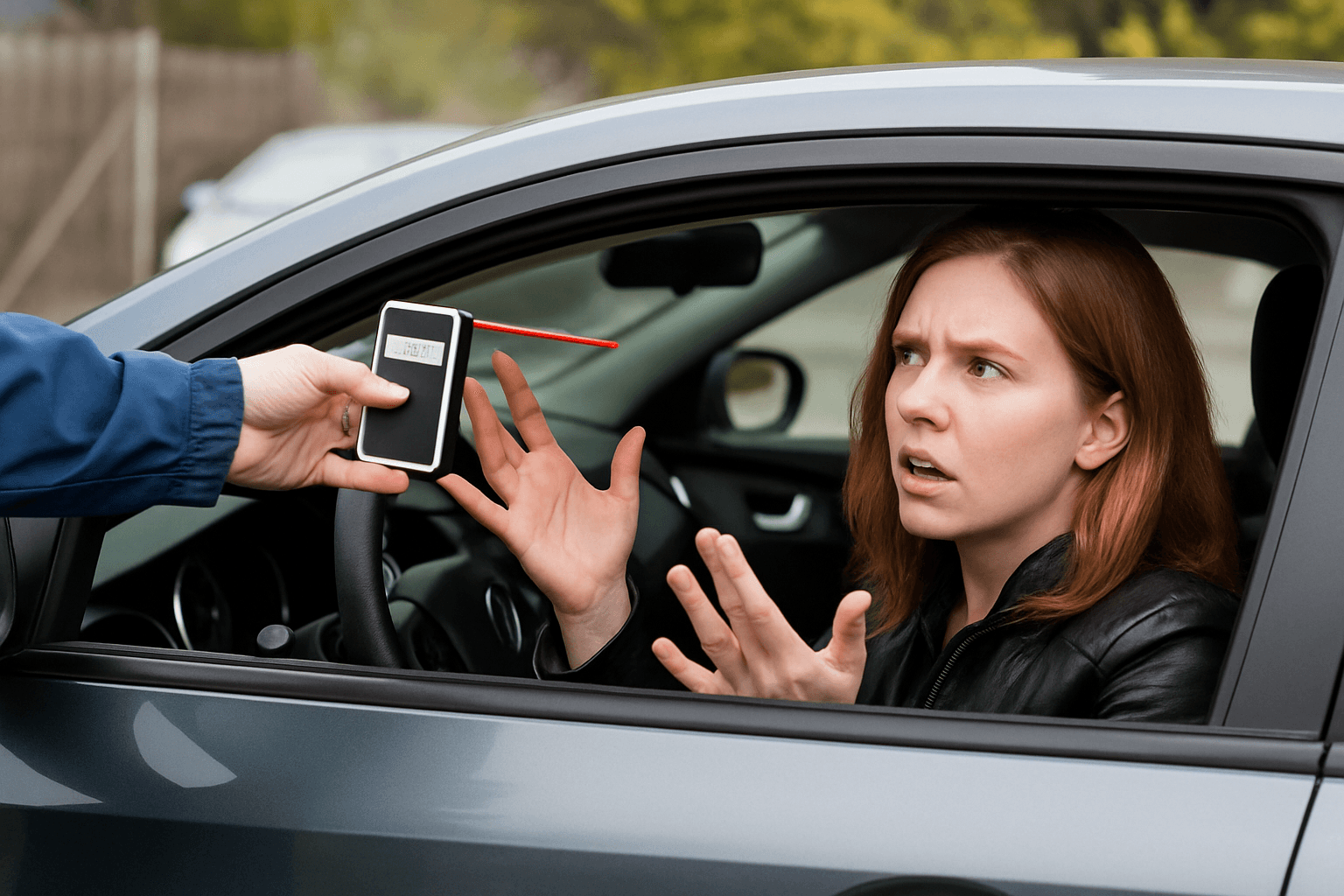
You must install an ignition interlock device in any vehicle you will operate under the RUL. The device prevents the engine from starting if it detects alcohol on your breath. Installation costs vary by county and provider, typically $100 to $150 for installation plus $70 to $100 per month for monitoring and calibration. The IID requirement runs for the duration of your RUL period, which may extend beyond the underlying suspension term depending on your conviction tier.
Once the IID is installed and the Impaired Driver Program is complete, you submit Form MV-500 series application to DMV along with proof of IID installation, proof of insurance verified through IIES, and documentation of employment or medical necessity. The application fee is $25. DMV does not publish a standard processing time. Actual turnaround varies significantly by regional DMV office and case complexity. Multiple DWI offenses, prior revocations, or violations during a prior RUL period all reduce approval likelihood.
Approved RULs restrict driving to specific purposes: travel to and from work, school, medical appointments, and other court- or DMV-approved essential activities. You cannot use a RUL for general-purpose driving. Violating route or time restrictions results in immediate revocation of the RUL and potential criminal charges for aggravated unlicensed operation.
What Is the Uninsured Driving RUL Application Process?
Uninsured driving suspensions in New York trigger both vehicle registration suspension and driver license suspension under Vehicle and Traffic Law Section 319. DMV suspends your plates and license within days of a reported insurance lapse through the IIES electronic verification system. The state does not provide a grace period once the lapse is confirmed by your carrier.
To apply for a RUL after an uninsured suspension, you must first obtain new coverage from a New York-admitted carrier. The carrier reports your policy electronically to DMV through IIES. You cannot use an SR-22 certificate because New York does not recognize that filing system. The coverage must meet state minimum liability limits: $25,000 per person for bodily injury, $50,000 per accident for bodily injury, $10,000 for property damage, plus mandatory Personal Injury Protection and uninsured motorist coverage.
You pay the civil penalty for the lapse period. The penalty is $8 per day for each uninsured day, capped at $900 for a 90-day maximum period. If you failed to surrender your plates when DMV ordered the registration suspended, you also owe a $50 civil penalty. The suspension termination fee is $50. These are statutory civil penalties under Section 319, separate from any administrative reinstatement fees.
Once you provide proof of coverage and pay the penalties, you can submit a RUL application on Form MV-500 series. You must document employment or essential travel necessity. The application fee is $25. Approved RULs allow driving for work, school, medical appointments, and other DMV-approved purposes. Route and time restrictions apply. Violating the restrictions or allowing your insurance to lapse again during the RUL period triggers immediate revocation.
How Do Point Accumulation Suspensions Affect RUL Eligibility?
New York suspends licenses when drivers accumulate 11 points within 18 months under the Driver Violation Point System. The suspension is mandatory once the point threshold is crossed. You receive a suspension notice from DMV specifying the suspension start date and duration, typically 31 days for a first offense.
You can apply for a RUL immediately after receiving the suspension notice. Unlike DUI suspensions, point accumulation suspensions do not require completion of a driver improvement program before applying, though taking a DMV-approved defensive driving course may improve your chances of approval. The course can also reduce your point total by up to 4 points, which may shorten the underlying suspension period.
You submit Form MV-500 series to DMV along with proof of insurance, documentation of employment or medical necessity for restricted driving, and the $25 application fee. DMV evaluates your driving record, the nature of the violations that triggered the point threshold, and whether you have prior suspensions or RUL violations. Speeding, reckless driving, and cell phone violations weigh more heavily against approval than parking or equipment violations.
Approved RULs allow driving for work, school, medical appointments, and other essential purposes approved by DMV. The RUL period runs concurrently with the underlying suspension. You must maintain continuous insurance coverage and comply with all route and time restrictions. Accumulating additional points or committing any moving violation during the RUL period results in immediate revocation and extension of the suspension term.
What Insurance Do You Need for a New York Restricted Use License?
New York requires continuous liability coverage meeting state minimums for any RUL holder: $25,000 per person for bodily injury, $50,000 per accident for bodily injury, $10,000 for property damage. You must also carry mandatory Personal Injury Protection and uninsured motorist coverage. These are the same minimum requirements for standard license holders. The state does not allow lower coverage limits for restricted drivers.
Your carrier reports your policy electronically to DMV through the Insurance Information and Enforcement System. DMV verifies your coverage status in real time when you apply for a RUL and continuously monitors coverage during the RUL period. If your carrier reports a cancellation or lapse, DMV automatically suspends your RUL and issues a new suspension order. There is no grace period.
If you do not own a vehicle, you can meet the insurance requirement with a non-owner liability policy. This policy provides the required liability coverage when you drive a vehicle you do not own. Non-owner policies cost less than standard policies because they exclude collision and comprehensive coverage. Expect to pay $40 to $80 per month for non-owner coverage if you have a clean record, $80 to $150 per month if your suspension was for DUI or uninsured driving.
DUI and DWAI suspensions add ignition interlock coverage requirements. Your policy must cover any vehicle equipped with an IID that you will operate under the RUL. Some carriers exclude IID-equipped vehicles or charge additional premiums. Confirm with your carrier before applying for the RUL that your policy will remain in force after IID installation.
How Much Does a New York Restricted Use License Cost?
The RUL application fee is $25, paid to DMV when you submit Form MV-500 series. This fee is low-confidence and should be verified against the current NY DMV fee schedule at dmv.ny.gov before relying on it. The application fee is separate from any suspension termination fees or civil penalties you owe for the underlying violation.
DUI and DWAI applicants must pay for ignition interlock installation and monitoring. Installation typically costs $100 to $150. Monthly monitoring and calibration fees run $70 to $100 per month. The IID requirement lasts for the duration of your RUL period, which may be 6 months to 3 years depending on your conviction tier and prior history. Total IID costs for a 1-year RUL period typically range from $940 to $1,350.
Insurance costs vary sharply by suspension cause and driving history. DUI applicants typically pay $150 to $300 per month for minimum liability coverage during the RUL period. Uninsured driving applicants typically pay $100 to $200 per month. Point accumulation applicants with no DUI history typically pay $80 to $140 per month. Non-owner policies cost 30 to 50 percent less than standard policies if you do not own a vehicle.
Uninsured driving applicants also owe the statutory civil penalty for the lapse period: $8 per day for each uninsured day, capped at $900 for 90 days. If you failed to surrender your plates, you owe an additional $50 civil penalty. The suspension termination fee is $50. Total upfront costs for an uninsured RUL application, including application fee, civil penalties, and first month of insurance, typically range from $250 to $1,100 depending on lapse duration.