New York's Restricted Use License application costs $25 through DMV, but ignition interlock installation and monthly monitoring fees add $900–$1,800 to the total first-year budget for DWI-related suspensions.
What Does a New York Restricted Use License Application Actually Cost?
The NY DMV charges $25 for a Restricted Use License application (form MV-500 series). That fee covers administrative processing only. It does not cover the ignition interlock device installation, monthly monitoring, or insurance verification costs that accompany most Restricted Use License grants for DWI-related suspensions.
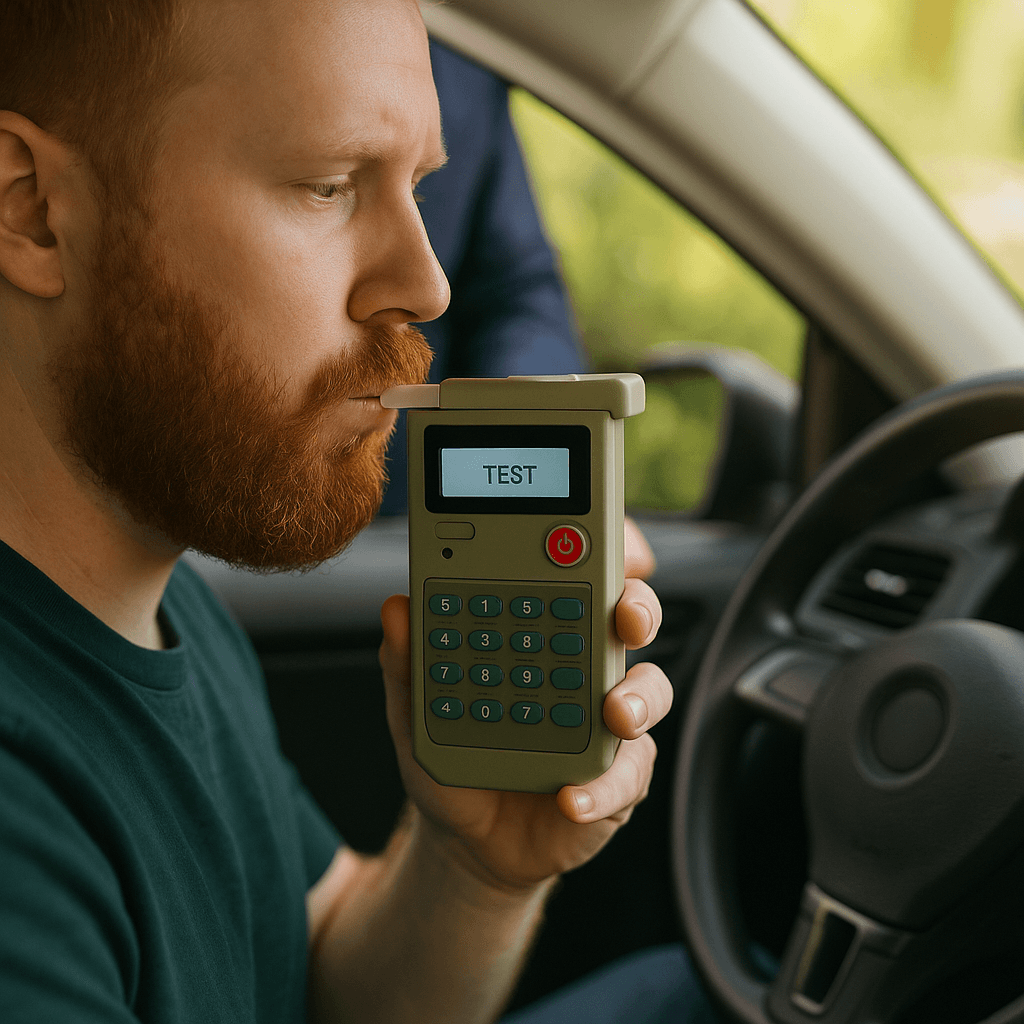
For DWI suspensions, New York's Leandra's Law (VTL §1198) mandates ignition interlock installation for all persons convicted of DWI as a condition of any Restricted Use License. Installation fees typically run $70–$150. Monthly monitoring and calibration fees add $60–$100 per month. Over a 12-month period, total IID costs reach $900–$1,800 before you factor in the application fee or insurance premium increases.
Non-DWI suspensions (insurance lapse, point accumulation, unpaid fines) do not trigger the IID mandate. For these applicants, the $25 application fee represents the primary direct cost, though insurance verification requirements and any unpaid reinstatement fees still apply before DMV will process the application.
How Long Does NY DMV Take to Process a Restricted Use License Application?
New York DMV does not publish a standard processing time for Restricted Use License applications. Actual turnaround varies significantly by regional DMV office workload and individual case complexity. Applicants in high-volume metro offices (New York City boroughs, Albany, Buffalo) report processing windows of 3–6 weeks from submission to decision. Rural offices sometimes process applications in 10–14 days.
Processing time includes DMV's verification of insurance coverage through the state's Insurance Information and Enforcement System (IIES), confirmation of suspension eligibility status, and review of submitted employment or necessity documentation. If any required document is missing or if insurance verification fails, DMV sends a deficiency notice and the clock resets when the applicant resubmits.
Applicants facing immediate work or medical necessity should plan for the longer end of the range. Submitting incomplete applications or applications without confirmed insurance on file with an NY-admitted carrier delays the decision by weeks. DMV cannot approve a Restricted Use License until insurance verification clears electronically through IIES.
Compare car insurance rates in your state
Get quotes from licensed carriers — no obligation, no spam, results in minutes.
Get Your Free Quote✓ No Obligation Required✓ Licensed Carriers Only✓ Available Nationwide✓ Free to Compare
What Documentation Does NY DMV Require for the Application?
New York requires the completed MV-500 series application form, proof of employment or necessity justification, proof of insurance verified through IIES, and suspension clearance or eligibility confirmation from DMV. The employment documentation must specify your work address, shift hours, and employer contact information. Generic letters stating "this person is employed" are insufficient; DMV needs route and schedule details to define the restriction parameters.
Proof of insurance must come from an NY-admitted carrier reporting your active policy through the IIES system. New York does not use SR-22 certificates. Carriers report coverage electronically; DMV verifies directly. If your carrier has not yet reported your policy to IIES or if the policy does not meet New York's minimum liability requirements ($25,000 bodily injury per person, $50,000 per accident, $10,000 property damage, plus PIP and uninsured motorist coverage), DMV cannot process your application.
For DWI-related suspensions, completion of the New York Impaired Driver Program (IDP, formerly DDP) is typically required before DMV will consider a Restricted Use License application. Proof of IDP enrollment or completion must accompany the application. If ignition interlock installation is required under Leandra's Law, proof of IID installation from a state-approved vendor must also be submitted before DMV issues the Restricted Use License.
How Do Ignition Interlock Costs Stack Up Over the Full Restriction Period?
New York's ignition interlock mandate applies for the entire duration of the Restricted Use License period for DWI-related suspensions. For a first DWI offense, that period is typically 6–12 months. For repeat offenses or aggravated DWI, the interlock period can extend to 5 years or more depending on court order and DMV determination.
Budget $70–$150 for installation, then $60–$100 per month for monitoring, calibration, and data downloads. Over a 12-month interlock period, total cost reaches $900–$1,800. Over a 36-month period for a repeat offender, the total exceeds $2,500. These fees are paid directly to the IID vendor and are separate from any DMV fees or insurance premium increases.
New York offers a reduced-cost IID program for low-income applicants through state-approved vendors. Eligibility is based on income verification and requires separate application through the vendor. Even under the reduced-cost program, monthly monitoring fees remain substantial. Failing to pay monthly monitoring fees or missing scheduled calibration appointments triggers IID lockout and DMV notification, which can result in Restricted Use License revocation.
What Insurance Premium Increase Should Drivers Expect After Suspension?
DWI-related suspensions in New York typically double or triple standard auto insurance premiums. A driver paying $140/month before a DWI conviction can expect to pay $300–$450/month after reinstatement or during a Restricted Use License period. This premium increase persists for 3–5 years depending on carrier policy and whether additional violations occur during that time.
Non-DWI suspensions (insurance lapse, points accumulation) produce smaller but still significant premium increases. A driver suspended for an insurance lapse faces a 30–50% premium increase upon reinstatement. A driver suspended for point accumulation (speeding violations, reckless driving) faces a 40–80% increase depending on the underlying violations.
New York does not use SR-22 certificates, but carriers still classify suspended drivers as high-risk for underwriting purposes. Some standard carriers non-renew policies after a DWI conviction or major suspension, forcing the driver into the non-standard market where premiums are higher. Non-owner policies are available for drivers who do not own a vehicle but need to satisfy New York's financial responsibility requirement during a Restricted Use License period. Non-owner premiums for suspended drivers typically run $60–$120/month.
How Does NY DMV Determine Eligibility for a Restricted Use License?
New York DMV has broad administrative discretion in granting or denying Restricted Use License applications. Eligibility criteria are not purely mechanical. Prior record, number of prior suspensions or revocations, and conduct during the suspension period all factor into the decision. A driver with a first-time DWI and clean prior record has a higher approval probability than a driver with multiple DWI offenses or a pattern of license-related violations.
For DWI-related suspensions, completion of the Impaired Driver Program (IDP) and installation of an ignition interlock device are typically required before DMV will consider the application. For multiple DWI offenses, New York imposes extended hard revocation periods during which no Restricted Use License is available. These hard revocation periods can extend to permanent revocation in some cases.
For non-DWI suspensions, DMV evaluates whether the suspension trigger has been resolved. Insurance lapse suspensions require proof of new coverage through IIES. Unpaid fine suspensions require payment of all outstanding fines and a $50 suspension termination fee. Point accumulation suspensions require completion of any mandated driver responsibility assessment payments. If the underlying trigger is not resolved, DMV will not process a Restricted Use License application.
What Happens If You Violate Restricted Use License Terms?
Violating the route or time restrictions defined in your Restricted Use License triggers automatic revocation and extends your suspension period. New York defines restricted driving narrowly: travel to and from work, school, medical appointments, and other DMV- or court-approved essential activities. Driving outside these approved routes or times, even once, constitutes a violation.
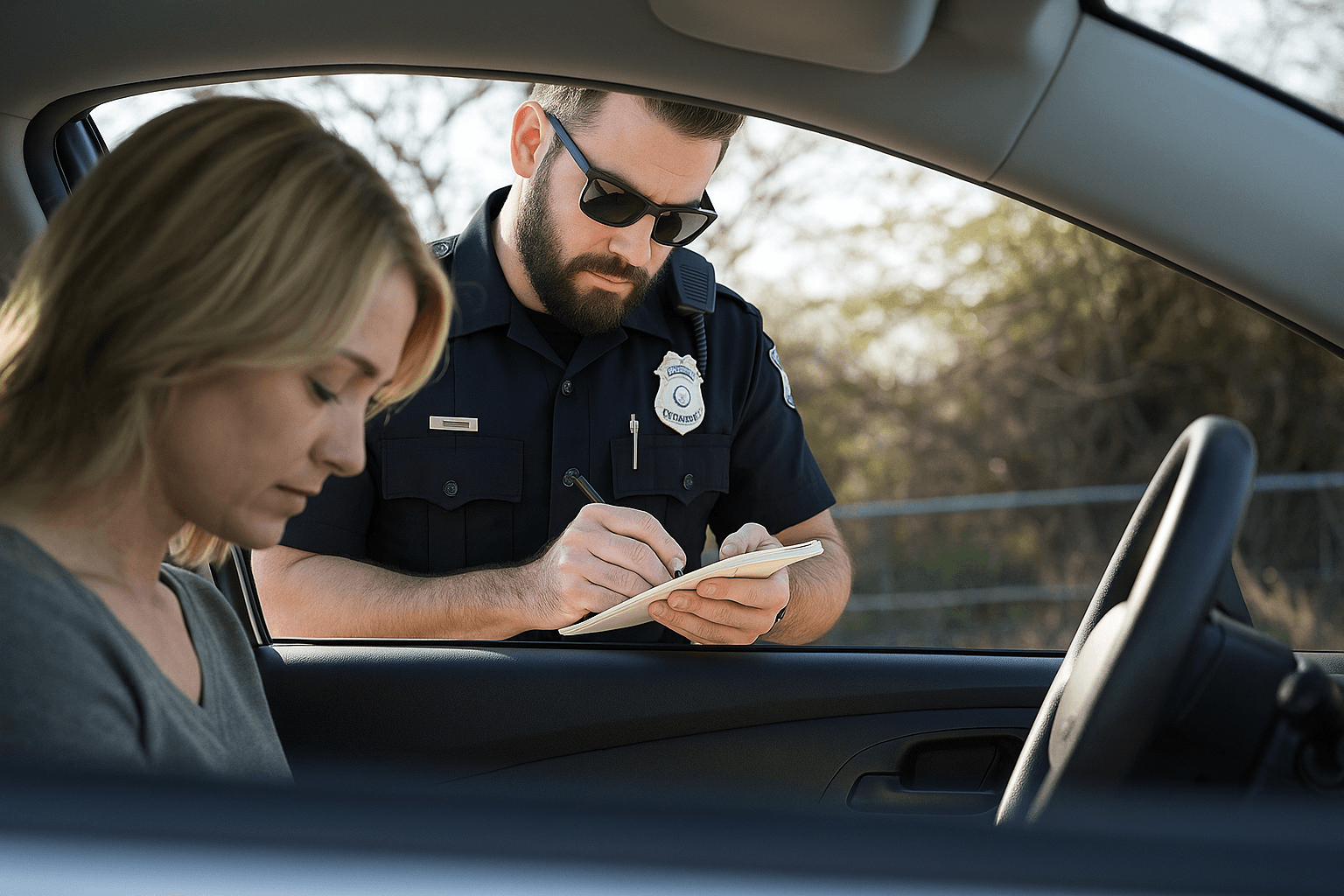
If you are stopped outside your approved restriction parameters, the officer will confiscate the Restricted Use License on the spot. DMV receives notification within 24–48 hours and issues a revocation notice. You revert to fully suspended status and must wait out the remainder of the original suspension period before reapplying for reinstatement. No second Restricted Use License is issued during the same suspension period after a violation.
Ignition interlock violations (failed breath tests, missed calibration appointments, tampering attempts) are reported directly to DMV by the IID vendor. DMV reviews violation reports monthly. A single failed test may trigger a warning; repeated failures or tampering triggers immediate Restricted Use License revocation and possible additional criminal charges under VTL §1198.