New Mexico calls it a restricted license, not a hardship license—and the court decides your route map, not the MVD. Here's what you can and cannot do while your full license is suspended.
What New Mexico Calls Its Hardship License and Who Grants It
New Mexico uses the term restricted license, not hardship license. The Motor Vehicle Division maintains the license record, but the court grants the actual restricted driving privilege during suspension. This dual-agency process means you petition a judge, not an MVD clerk, and the judge decides whether your need qualifies and what routes you can drive.
For DUI cases, New Mexico's Ignition Interlock Licensing Act (NMSA 1978 §§ 66-5-503 to 66-5-523) creates a separate program called an Ignition Interlock License that shortens or eliminates hard suspension periods if you install an ignition interlock device. The court-approved restricted license and the IIL program are separate pathways—DUI offenders typically pursue the IIL route because it allows broader driving privileges earlier in the suspension period.
If your suspension stems from points accumulation, unpaid tickets, or insurance lapse, you petition the court for a standard restricted license under NMSA 1978 § 66-5-33. The MVD does not handle restricted license applications—every petition goes through the court that has jurisdiction over your case or your county district court if no criminal case is pending.
Restricted License Route and Time Limits Compared to Full Driving Privileges
A restricted license in New Mexico limits you to court-approved purposes only: work, school, medical appointments, DUI education or treatment programs, and other needs the judge deems essential. The court defines your route map in the order granting the license. You cannot drive to social events, grocery stores, family visits, or errands unless the court explicitly includes them in the approved purposes.
Time restrictions follow the same pattern. The court typically limits driving to the hours necessary for approved activities—for example, 7 a.m. to 6 p.m. Monday through Friday if your work schedule and treatment program fall within that window. Weekend driving is often excluded unless you work weekends or have documented medical appointments. Violating the time or route restrictions triggers immediate revocation of the restricted license and can add new charges to your record.
A full unrestricted license carries no purpose, route, or time limits. You drive anywhere, anytime, for any reason. The gap between restricted and full privileges is wider in New Mexico than in states where the DMV issues hardship licenses with standard templates—because a New Mexico judge writes your restrictions case by case, enforcement is stricter and exceptions are harder to obtain.
Compare car insurance rates in your state
Get quotes from licensed carriers — no obligation, no spam, results in minutes.
Get Your Free Quote✓ No Obligation Required✓ Licensed Carriers Only✓ Available Nationwide✓ Free to Compare
Documentation Required to Petition the Court for a Restricted License
You must file a petition with the court that handled your case or the district court in your county if no case is pending. The petition must include proof of your qualifying need: an employer affidavit on company letterhead stating your work schedule and address, enrollment verification from your school, or medical appointment documentation showing recurring treatment.
For DUI cases, you must provide proof that you have installed an ignition interlock device on every vehicle you will operate. The court will not grant a restricted license without IID installation documentation from a state-approved provider. You must also file an SR-22 certificate with the MVD before the court hearing—the judge will verify that you carry continuous liability coverage meeting New Mexico's $25,000/$50,000/$10,000 minimum before approving restricted driving.
Unpaid fines or outstanding traffic citations can block your petition. If your suspension stems from multiple violations, the court may require completion of a driver improvement course or defensive driving class before considering your request. Each judge has discretion to add conditions or deny the petition outright if your driving record suggests you pose a risk during the suspension period.
How Ignition Interlock License Duration Differs from Standard Restricted Licenses
New Mexico's Ignition Interlock License program allows DUI offenders to drive during the revocation period rather than waiting for reinstatement. A first-offense DUI typically triggers a one-year IIL requirement, during which you must maintain an ignition interlock device on every vehicle you operate. Repeat offenders face longer IID periods—two years for a second offense, three years for a third, and up to five years for aggravated cases.
The IIL is not a restricted license in the traditional sense. It allows driving for any purpose, not just work or medical needs, as long as the vehicle has a functioning ignition interlock device. This broader privilege comes at a cost: monthly IID rental fees typically run $70 to $100, plus installation ($100 to $150) and calibration visits every 30 to 60 days ($50 to $75 per visit). Over a one-year IIL period, total ignition interlock costs approach $1,200 to $1,500.
A non-DUI restricted license issued by the court does not require an ignition interlock device unless the judge orders one as a condition of the restriction. Points-based suspensions, insurance lapse suspensions, and unpaid-ticket suspensions typically result in court-approved restricted licenses without IID requirements, reducing the cost burden but narrowing the scope of permitted driving.
SR-22 Filing Requirements During Restricted License Period
New Mexico requires SR-22 filing for DUI convictions, uninsured motorist suspensions, and certain repeat offenses. The SR-22 is a certificate your insurer files with the MVD proving you carry continuous liability coverage. If your restricted license stems from a DUI, you must maintain the SR-22 for three years from the conviction date, not the date you file the SR-22. Letting the SR-22 lapse for even one day triggers automatic suspension of your restricted license and a new reinstatement fee when you refile.
Carriers writing SR-22 policies in New Mexico include Geico, Progressive, State Farm, Dairyland, Bristol West, The General, and National General. Monthly premiums for SR-22 coverage after a DUI typically range from $140 to $250, depending on your age, county, and driving history before the offense. Some carriers add a filing fee—$15 to $50—when they submit the SR-22 to the MVD.
If you do not own a vehicle, you can file a non-owner SR-22 policy to satisfy the court and MVD requirements during your restricted license period. Non-owner policies provide liability coverage when you drive a borrowed or rented vehicle and cost $30 to $60 per month in New Mexico. This option works for drivers whose vehicles were impounded, sold, or repossessed after the suspension.
What Happens When You Violate Restricted License Terms
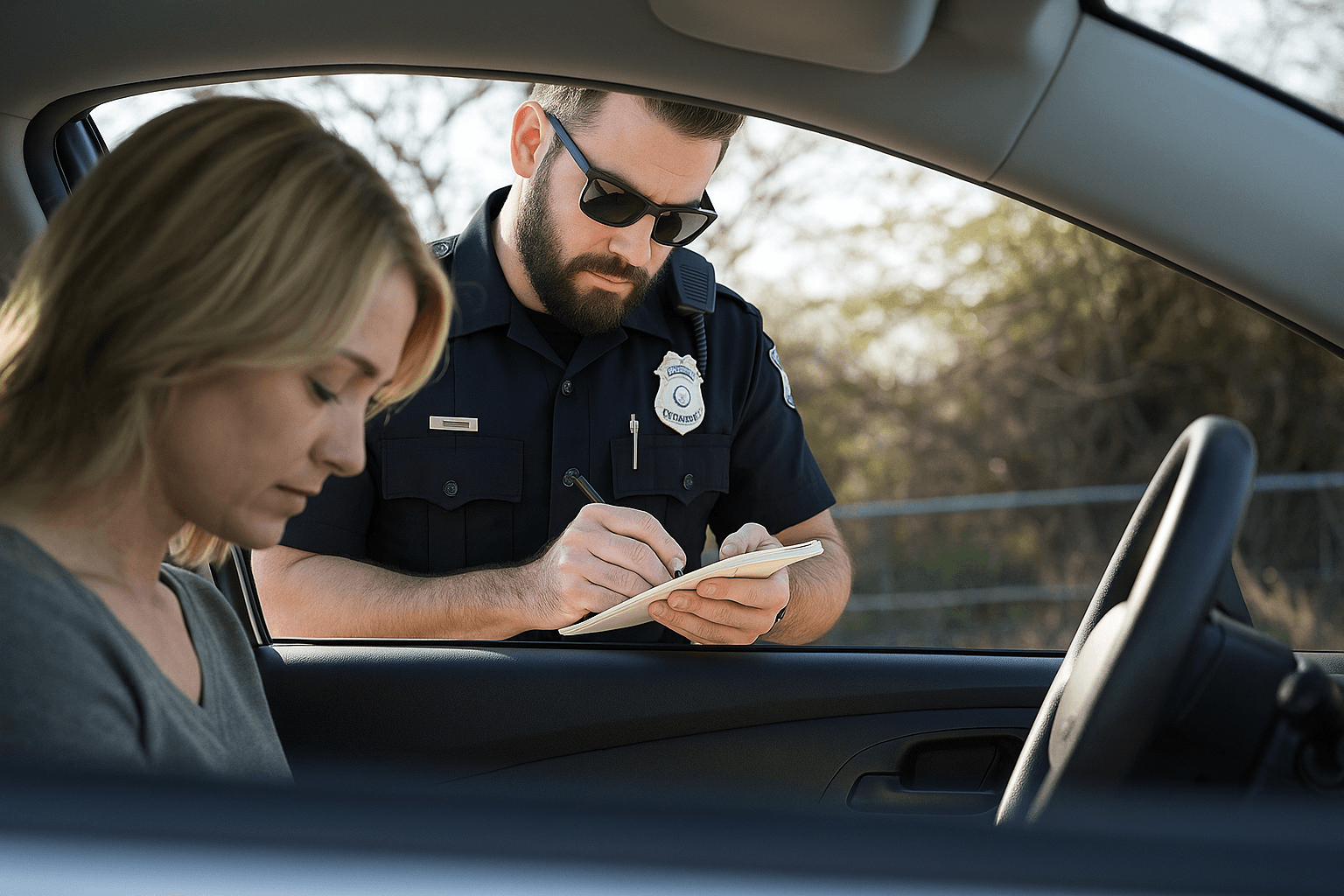
Driving outside your approved routes, times, or purposes while on a restricted license is a separate offense in New Mexico. If a law enforcement officer stops you and your destination does not match the court-approved purpose list, the officer can cite you for driving on a suspended license even though you hold a restricted license. The court revokes the restricted license immediately, and you face additional fines, possible jail time, and an extended suspension period before you can reapply.
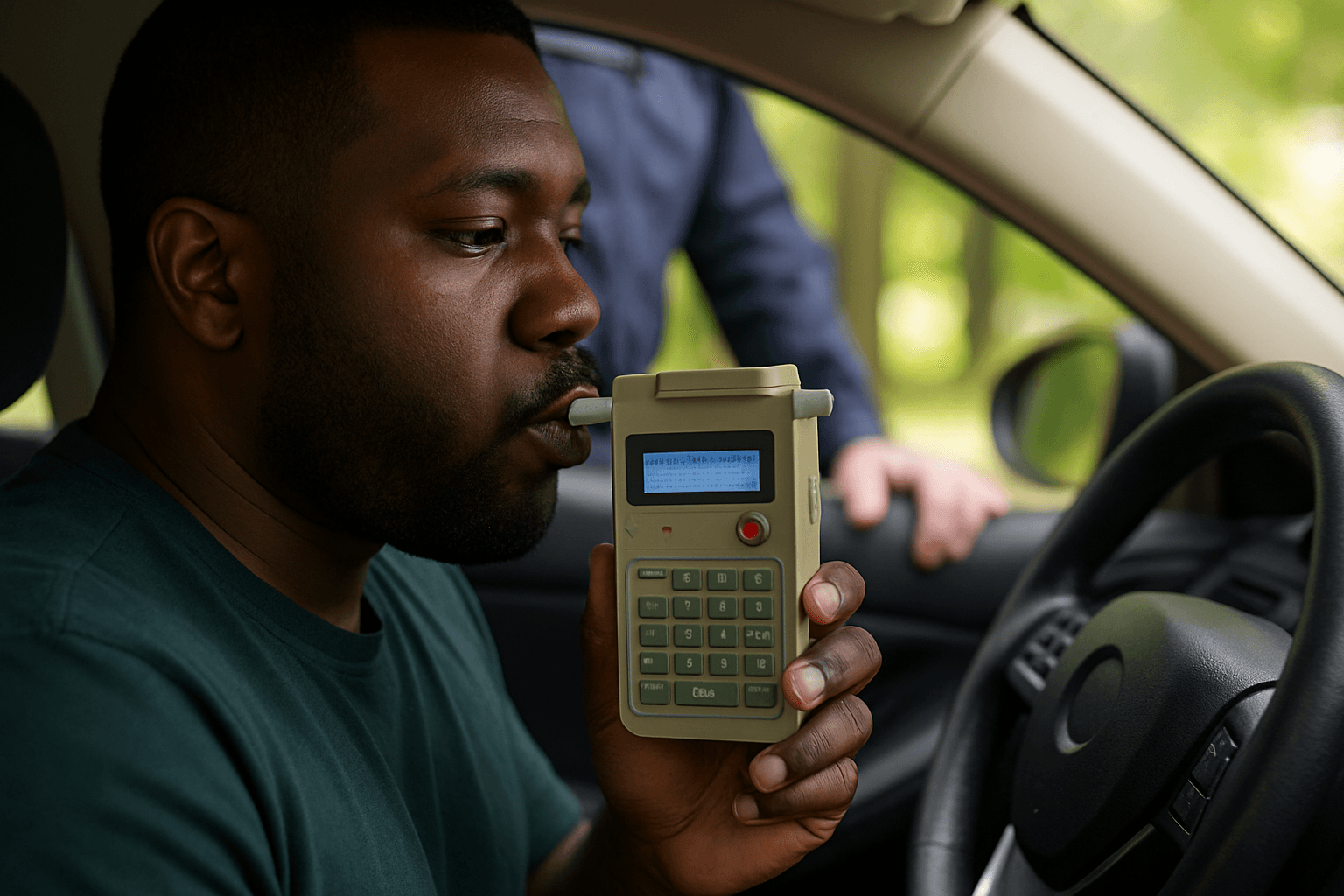
Ignition interlock violations trigger similar consequences. If you attempt to start the vehicle after failing a breath test, if you miss a calibration appointment, or if the device detects tampering, the IID provider reports the violation to the MVD. The MVD can extend your IIL period by months or revoke the license outright, depending on the severity and frequency of violations. A single failed start attempt may add 30 days to your IID requirement; three or more violations within 90 days typically result in revocation and a new petition process.
Insurance lapses are the most common violation. If your SR-22 carrier cancels your policy for non-payment and files a cancellation notice with the MVD, the MVD suspends your restricted license within 10 days. Reinstatement requires paying a $25 reinstatement fee, refiling the SR-22 with proof of new coverage, and in some cases petitioning the court again for restricted license approval. Many drivers do not realize the cancellation notice goes to the MVD automatically—they assume they have time to shop for a new policy, but the suspension clock starts the day the carrier files the cancellation.
Reinstatement Pathway from Restricted License to Full Unrestricted License
When your suspension period ends, you must complete reinstatement before your full unrestricted license is valid again. New Mexico charges a $25 base reinstatement fee, but DUI cases add DWI school fees, ignition interlock removal costs, and in some cases a separate revocation reinstatement fee on top of the base amount. The total cost for DUI reinstatement typically approaches $200 to $400.
You must maintain your SR-22 filing through the entire required period, not just the suspension period. If your three-year SR-22 obligation started at conviction and your suspension lasted two years, you still owe one more year of SR-22 coverage after reinstatement. Canceling the SR-22 early triggers a new suspension and another reinstatement cycle.
The MVD does not automatically restore your full license when the suspension ends. You must visit an MVD office with proof of completed DWI school (if required), proof of ignition interlock removal (if applicable), proof of paid fines, and your current SR-22 certificate. The clerk verifies your file, processes the reinstatement fee, and issues a new license. If you skip this step and continue driving on the expired restricted license, you are driving on a suspended license again.