New Mexico courts grant restricted licenses through individual petitions—not standard MVD forms—and most drivers lose their first application because they misunderstand the court-defined restriction structure and ignition interlock timeline.
New Mexico's Court-Petition System Instead of Standard MVD Application
New Mexico does not issue restricted licenses through a standard Motor Vehicle Division application process. The court that handled your underlying case—DUI, reckless driving, accumulation of points—holds the authority to grant a restricted license under NMSA 1978 § 66-5-33. You file a petition with that court, not a form with MVD. The court hearing determines whether you qualify, what routes you may drive, what hours you may operate, and whether ignition interlock installation is required as a condition.
Most drivers assume MVD handles restricted license applications the way it handles reinstatements. That assumption costs time and money. MVD administers the ignition interlock program and maintains license records, but it cannot grant you driving privileges during a suspension period. The court petition requirement creates a two-agency process: you petition the court for the restricted license, then MVD issues the physical credential and tracks interlock compliance once the court approves.
New Mexico statutes call this a "restricted license" in NMSA 1978 § 66-5-33, though drivers searching online often use "hardship license" interchangeably. If you search MVD materials for "hardship license," you may find nothing—the agency uses "restricted license" or "interlock license" exclusively. Knowing the correct terminology prevents confusion when reading court orders and MVD correspondence.
Ignition Interlock Requirement Under the Ignition Interlock Licensing Act
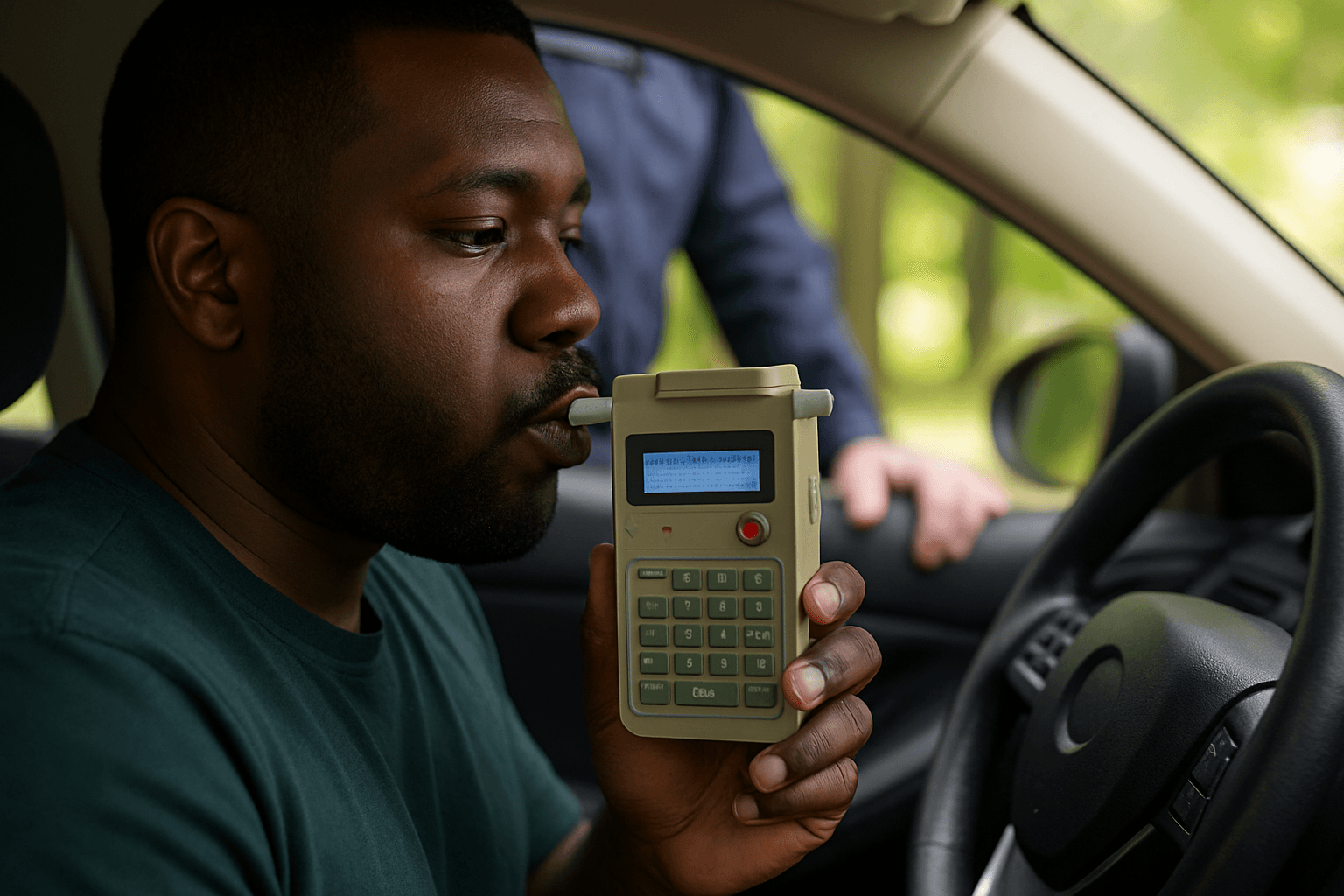
New Mexico operates one of the country's most aggressive ignition interlock mandates. Under the Ignition Interlock Licensing Act (NMSA 1978 §§ 66-5-503 to 66-5-523), even first-offense DUI convictions require ignition interlock installation as a condition of receiving a restricted license. If your petition relates to a DUI charge, expect the court to order interlock regardless of whether this is your first or subsequent offense.
The interlock requirement applies during the restricted license period and often extends through full reinstatement. Installation costs approximately $75–$150, with monthly monitoring fees of $60–$90. These costs are separate from the court petition filing fee (varies by county, typically $50–$150) and the eventual MVD reinstatement fee of $25. Budget for total interlock costs of $1,000–$1,500 over a standard one-year restricted license period.
Courts will not waive interlock for financial hardship in DUI cases—New Mexico's statute mandates it. If you cannot afford installation, some providers offer payment plans, but the court will not grant the restricted license until proof of installation appears in MVD records. Delayed installation extends your zero-driving period.
Compare car insurance rates in your state
Get quotes from licensed carriers — no obligation, no spam, results in minutes.
Get Your Free Quote✓ No Obligation Required✓ Licensed Carriers Only✓ Available Nationwide✓ Free to Compare
Court-Defined Route and Hour Restrictions Instead of Statutory Lists
New Mexico courts define route and time restrictions individually for each restricted license petition. There is no statewide list of approved purposes or standard hour windows printed in statute. The court order will specify exactly where you may drive and when.
Typically, courts approve driving for work, school, medical appointments, court-ordered obligations (such as DUI education classes or ignition interlock service appointments), and grocery shopping. Recreational driving, social visits, and non-essential errands are excluded. If your employer requires job-site travel to multiple locations daily, document that requirement in your petition—courts need proof that fixed-route restrictions would eliminate your ability to work.
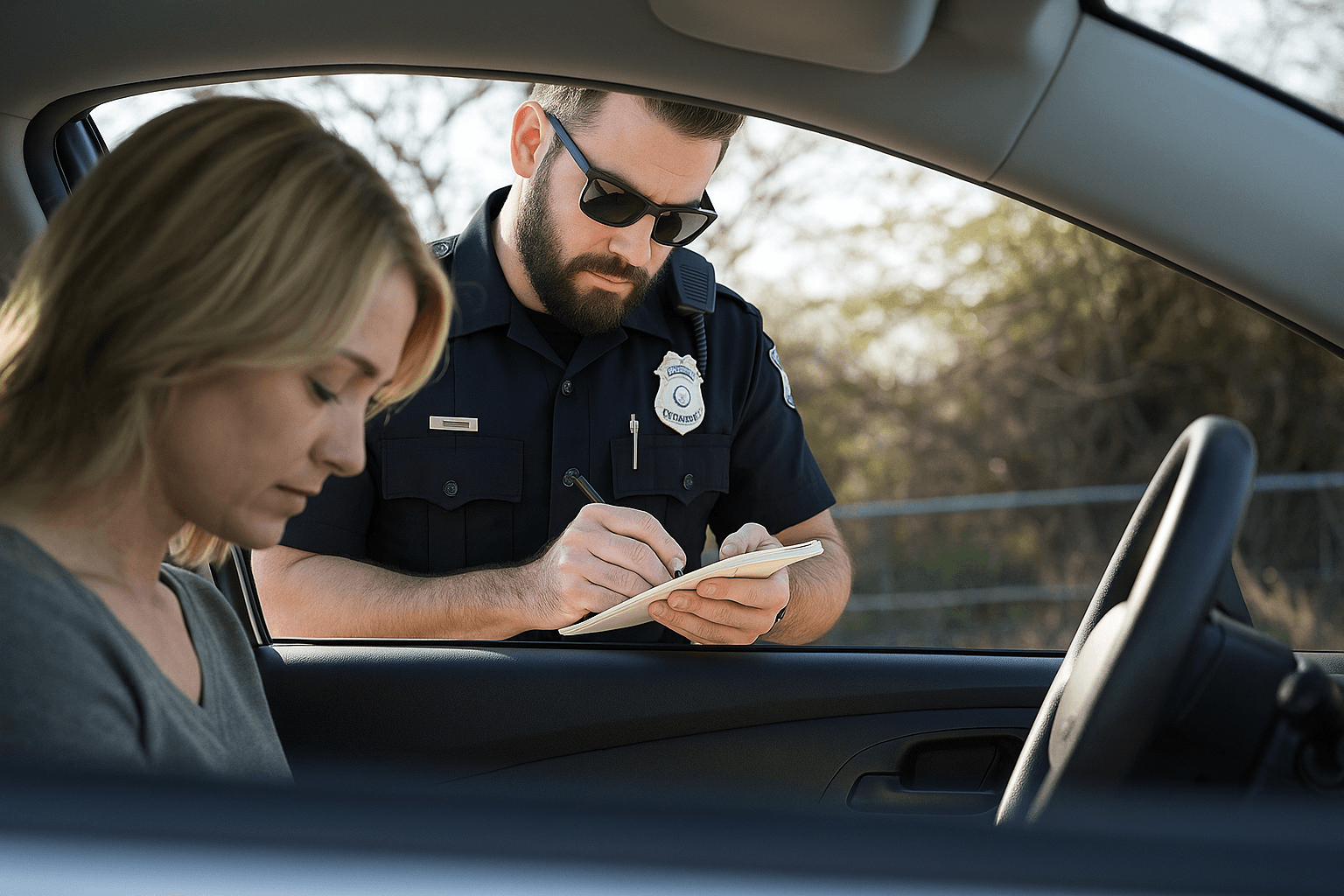
Time restrictions typically limit driving to the hours necessary for approved purposes. If you work 7 a.m. to 3 p.m., the court may restrict driving to 6 a.m. to 4 p.m. on workdays only, with separate time windows for evening classes or weekend medical appointments. Driving outside your court-defined hours—even for an emergency—violates the restriction. Law enforcement officers who stop you during restricted license operation will verify your current location and time against the court order. Violations trigger immediate revocation and additional charges.
Required Documentation for Your Court Petition
Your court petition must include proof of the qualifying need that justifies restricted driving privileges. Employment verification is the most common—a letter from your employer on company letterhead stating your work schedule, job location, and confirmation that no alternative transportation (carpool, public transit, remote work) exists. Self-employed drivers need business registration documents, client contracts, or tax records showing active income.
If you're petitioning for school access, include your enrollment confirmation and class schedule. Medical appointment access requires a letter from your healthcare provider documenting the frequency and necessity of in-person visits. Court-ordered program attendance (DUI school, substance abuse treatment) requires program enrollment confirmation and the class schedule.
You must also provide proof of SR-22 insurance coverage before the court will grant the restricted license. New Mexico requires SR-22 filing for DUI convictions and certain other serious offenses, typically for three years post-reinstatement. Contact an insurer who writes high-risk policies in New Mexico and request an SR-22 certificate. The insurer files electronically with MVD, but you need the certificate copy for your court petition packet. Policies typically cost $140–$220 per month for drivers with DUI suspensions, with the SR-22 filing fee adding $15–$50.
For DUI cases, include proof of ignition interlock installation or a signed agreement with an approved provider showing installation is scheduled. Courts will not finalize the restricted license grant until interlock installation confirmation reaches MVD. Some judges allow conditional approval pending installation within 10 days; others require installation before the hearing.
Processing Timeline and Hard Suspension Periods
New Mexico imposes a mandatory revocation period for DUI offenses before restricted license eligibility begins. For a first DUI offense, the revocation period is typically six months under NMSA 1978 § 66-8-111.1, but the Ignition Interlock License (IIL) program may allow restricted driving during part of this period. The exact length of the zero-driving window before you can file your court petition varies by offense type and prior record—verify your eligibility timeline with the court clerk or a DUI attorney before filing.
Once you file your petition, court scheduling typically takes 2–6 weeks depending on the county's docket load. Bernalillo County (Albuquerque) and Doña Ana County (Las Cruces) have heavier caseloads than rural counties, so expect longer waits in urban areas. After the court grants your petition, MVD processes the restricted license credential within 5–10 business days if your SR-22 filing and ignition interlock installation are already in their system.
Total timeline from petition filing to restricted license in hand: approximately 4–8 weeks under optimal conditions. Delays occur when SR-22 filing lapses, interlock installation proof doesn't reach MVD, or the court order contains unclear route descriptions that MVD cannot translate into credential restrictions.
SR-22 Filing Requirement and Premium Impact
SR-22 is a certificate of financial responsibility filed by your insurer directly with the New Mexico Motor Vehicle Division. It proves you carry at least the state's minimum liability coverage: $25,000 per person for bodily injury, $50,000 per accident for bodily injury, and $10,000 for property damage. New Mexico does not require personal injury protection (PIP) or uninsured motorist coverage by statute, but many insurers include it in high-risk policies.
For DUI suspensions, New Mexico typically requires SR-22 filing for three years following reinstatement. The filing period starts when MVD processes your SR-22 certificate, not when the court grants your restricted license. If your SR-22 lapses at any point during the required period—because you cancel your policy, miss a payment, or switch insurers without ensuring continuous SR-22 filing—MVD suspends your license again immediately. The reinstatement process starts over, including court petition, fees, and waiting periods.
Carriers writing SR-22 policies in New Mexico include Geico, Progressive, State Farm, Bristol West, Dairyland, National General, and The General. Monthly premiums for drivers with DUI suspensions range from approximately $140–$220, depending on age, vehicle, and county. The SR-22 filing fee itself is $15–$50, paid once when the insurer initiates the filing. If you do not own a vehicle, ask about non-owner SR-22 policies—these cost $40–$70 per month and satisfy the filing requirement without insuring a specific car.
Estimates based on available industry data; individual rates vary by driving history, coverage selections, and location.
What Happens If You Violate Restricted License Terms
Driving outside your court-defined routes or hours is a separate offense under New Mexico law, not just a violation of your restricted license terms. Law enforcement officers who stop you during restricted license operation verify your current activity against the court order. If you're driving to an unapproved location or outside permitted hours, you face a charge of driving while license suspended or revoked—even though you hold a restricted license.
Conviction for violating restricted license terms typically triggers immediate revocation of the restricted license and extension of your original suspension period. The court that granted your restricted license may also impose additional penalties, including jail time for repeat violations. Your SR-22 insurer will be notified of the new violation, which often results in policy cancellation. Finding a new SR-22 policy after a restricted license violation is difficult and expensive—expect premiums to double.
Missing required ignition interlock service appointments (monthly calibration and data download) also counts as a violation. New Mexico interlock providers report missed appointments to MVD within 48 hours. Three missed appointments in a 12-month period trigger automatic restricted license revocation in most cases. Calendar reminders for interlock service are not optional—treat them as court dates.