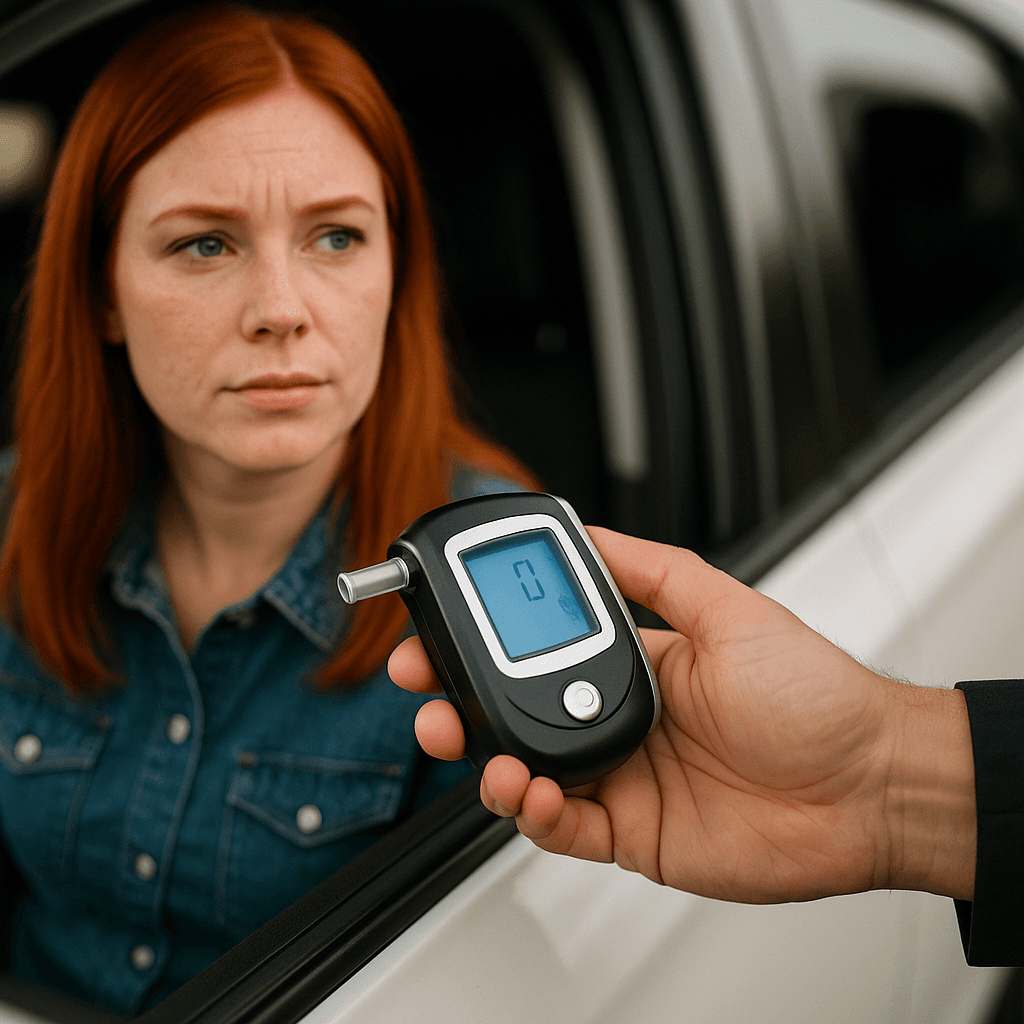
Nevada requires ignition interlock device installation before restricted license application for DUI suspensions. Most applicants discover this sequencing requirement too late and lose weeks restarting the process.
Why Nevada's Device-Before-License Sequence Matters
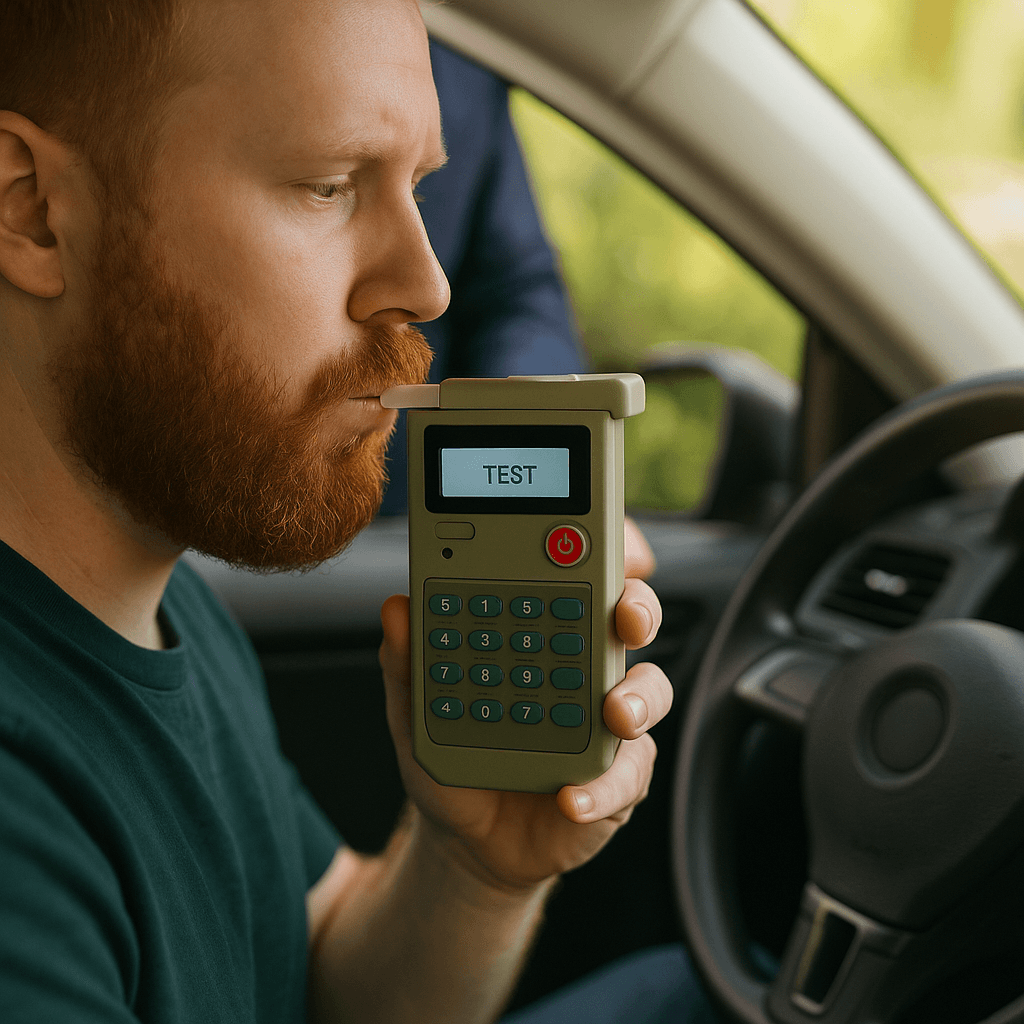
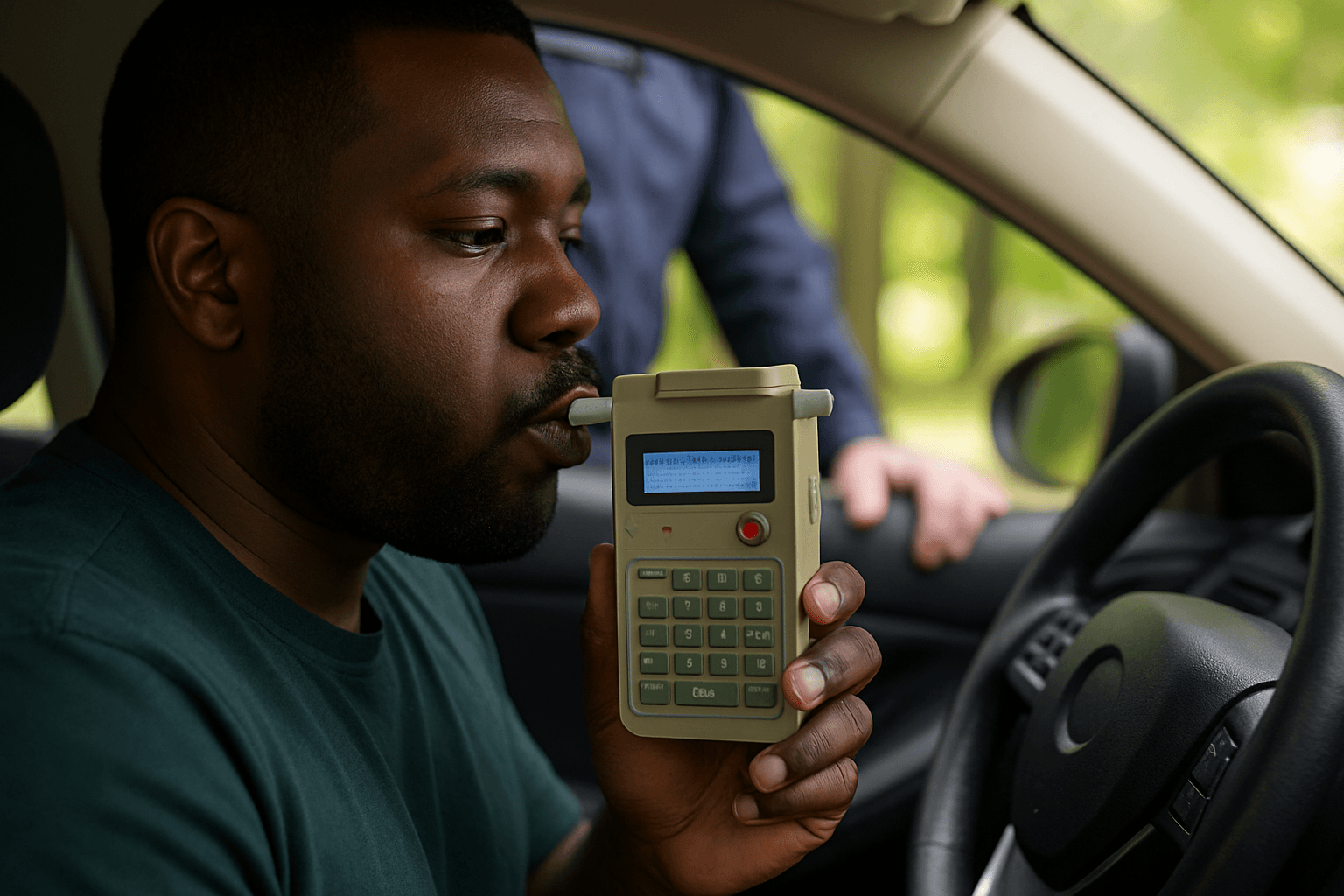
Nevada requires you to install an ignition interlock device before submitting your restricted license application if your suspension stems from DUI. This reverses the typical sequence in most states, where a judge approves your hardship petition first and then orders the IID as a condition.
The Nevada DMV will reject your restricted license application if you submit it without proof of IID installation already on file. Applicants lose 15 to 30 days restarting the process when they discover this requirement after filing. Your IID provider must electronically report installation to the DMV before you can proceed.
NRS 484C.460 governs the IID requirement and ties it directly to restricted license eligibility. First-offense DUI cases face a 45-day hard suspension before restricted driving becomes available. Once that window closes, you install the device, receive the confirmation from your provider, then file the restricted license paperwork at a Nevada DMV office.
Application Path: DMV Administrative Process, Not Court Hearing
Nevada processes restricted licenses through the DMV administrative track, not through court hearings. You file forms, documentation, and fees directly with a Nevada DMV office. Most applicants expect a judge to review their petition because that model applies in neighboring states.
The DMV administrative license revocation hearing (if you requested one within seven days of arrest) is separate from the restricted license application. Winning or losing the ALR hearing does not automatically approve or deny your restricted license. The criminal DUI court case runs on a parallel track. Your restricted license eligibility depends on completing the hard suspension period and meeting NRS 483.490 requirements, regardless of court outcomes.
No online filing option exists for Nevada restricted licenses. You must submit the application in person or by mail at a DMV office. The application fee typically ranges from $35 to $75 depending on your specific suspension type and documentation requirements. Processing takes approximately 10 to 20 business days once the DMV receives a complete application with all supporting documents.
Compare car insurance rates in your state
Get quotes from licensed carriers — no obligation, no spam, results in minutes.
Get Your Free Quote✓ No Obligation Required✓ Licensed Carriers Only✓ Available Nationwide✓ Free to Compare
Required Documentation and SR-22 Filing
Nevada requires proof of insurance in the form of an SR-22 certificate for most DUI-related restricted licenses. The SR-22 filing must come from a Nevada-authorized insurer, even if you hold an out-of-state driver's license. Your insurer electronically submits the SR-22 to the Nevada DMV; you do not file it yourself.
You must also provide proof of employment or another compelling need documented through employer letters, school enrollment verification, or medical appointment schedules. A court order may be required in some DUI cases, particularly when your suspension involves aggravating factors like high BAC or repeat offenses. The DMV specifies the exact documentation requirements in the notice of suspension you received.
The IID installation receipt or electronic confirmation from your device provider is mandatory before the DMV will process your application. Most providers send confirmation to the DMV within 24 to 48 hours of installation, but delays happen. Verify the DMV has received the electronic report before submitting your restricted license paperwork to avoid rejection.
Route and Time Restrictions: Work, School, Medical, Court
Nevada restricted licenses typically permit driving to and from work, school, medical appointments, or court-ordered programs. Specific restrictions are defined by the DMV or a court order depending on your case particulars. The approved routes are not universally standardized across all restricted license holders.
Time restrictions vary by case and are generally limited to hours necessary for the approved purposes. Work-related driving is typically confined to your documented work schedule plus reasonable commute time. There is no statewide standard time window like "6 a.m. to 6 p.m." that applies to all restricted license holders.
Violating the route or time restrictions triggers immediate revocation of your restricted license and can result in additional criminal charges for driving on a suspended license. Nevada DMV does not issue warnings for first-time violations. The restriction terms are printed on your restricted license document; you are responsible for understanding and following them exactly.
Points and Uninsured Cause Eligibility
Nevada's restricted license program is open to suspensions triggered by points accumulation and insurance lapses in addition to DUI cases. Drivers suspended for accumulating 12 or more demerit points within a 12-month period may apply for a restricted license after demonstrating proof of insurance and completing any required driver improvement courses.
Uninsured driving suspensions under NRS 485 also qualify for restricted licenses, but the DMV requires proof that you now carry liability coverage meeting Nevada's minimum requirements: $25,000 bodily injury per person, $50,000 bodily injury per accident, and $20,000 property damage. An SR-22 filing is typically required for insurance-lapse cases and remains active until the DMV clears the suspension history.
Unpaid traffic fines or failure-to-appear suspensions do not automatically qualify for restricted licenses until the underlying issue is resolved. The DMV will reject your application if outstanding fines, court orders, or warrant holds appear in your record. You must clear those holds first, pay the reinstatement fee (typically $35), then apply for the restricted license if your suspension period has not yet expired.
How IID Installation Costs Stack With Application and Filing Fees
The ignition interlock device itself costs approximately $75 to $150 for installation plus $60 to $90 per month for monitoring and calibration. Nevada law requires you to use a state-approved IID provider; the Nevada DMV publishes the current list of approved vendors on its website.
The restricted license application fee ranges from $35 to $75. The SR-22 filing fee charged by your insurer is typically $15 to $50, though some carriers waive it. Premium increases for SR-22 insurance average $40 to $80 per month depending on your driving history, age, and the carrier you select. Non-owner SR-22 policies cost less if you do not own a vehicle.
Over a typical three-year IID and SR-22 period following a first DUI, total costs range from approximately $3,500 to $5,500 when you add device fees, monitoring, insurance premiums, application fees, and reinstatement costs. These figures assume no additional violations during the restriction period. Estimates based on available industry data; individual results vary.
Finding SR-22 Coverage That Accepts IID-Restricted Drivers
Not all carriers write policies for drivers with active IID requirements and DUI suspensions. Geico, Progressive, The General, Bristol West, Dairyland, and State Farm are confirmed to write SR-22 policies in Nevada and accept IID-restricted drivers in most cases. Carrier acceptance varies by your specific violation details and how long ago the DUI occurred.
Non-owner SR-22 policies are available if you do not own a vehicle but need to maintain the SR-22 filing to satisfy Nevada DMV requirements during your restricted license period. Non-owner policies cost approximately $30 to $60 per month and meet the state's liability minimums. USAA, Geico, Progressive, and The General offer non-owner SR-22 in Nevada.
Request quotes from at least three carriers. Premium differences for SR-22 post-DUI coverage in Nevada can exceed $100 per month between the highest and lowest quotes. Carriers weight DUI violations differently, and some specialize in high-risk cases while others price them out of reach. Verify that the carrier can electronically file the SR-22 with the Nevada DMV before purchasing the policy.