Montana's probationary license runs through district court, not the Motor Vehicle Division. Most applicants miss the county-by-county variation in fees, timelines, and judge interpretation of 'necessary travel' in rural contexts.
Why Montana Routes Probationary License Through District Court Instead of the Motor Vehicle Division
Montana Code Annotated § 61-5-208 assigns probationary license authority to district court judges, not to the Motor Vehicle Division. The MVD administers the underlying suspension, but the restricted driving privilege itself requires a formal petition filed in the district court of the county where you reside. This dual-agency structure means you must satisfy MVD requirements for SR-22 filing and proof of need documentation before the court will consider your petition, but the court itself decides whether to grant the license, what routes you can drive, and what time restrictions apply.
The county-based filing creates outcome variation across Montana's 56 counties. A petition filed in Yellowstone County may receive different route allowances than an identical petition filed in Hill County, even when both applicants work the same distance from home and face the same suspension trigger. Judges interpret 'necessary travel' against local geography: a 50-mile one-way commute in Treasure County is routine, but the same distance in Missoula triggers closer scrutiny. The statute provides framework, but county judges apply discretion.
This structure differs from most states, where administrative agencies process restricted license applications through standardized eligibility checklists. Montana's court-based approach means your petition's success depends on how persuasively you document necessity and how the assigned judge interprets the statute in your county's context.
What the Probationary License Actually Permits You to Drive
The probationary license permits court-defined driving for work, school, medical appointments, and essential travel. Montana courts historically interpret 'essential travel' more broadly than urban-state restricted license programs because rural geography makes narrow route lists impractical. A driver in Carter County may need to travel 80 miles to reach the nearest grocery store; a driver in Flathead County may need to cross county lines daily for employment. Judges factor this into route conditions.
Route restrictions appear as specific addresses or geographic boundaries in the court order granting your probationary license. You must carry the court order while driving and may only operate a vehicle within the approved parameters. Time restrictions also appear in the order: some judges permit 24-hour driving for work-related travel if you work rotating shifts, while others restrict driving to specific hours even when your employer confirms night shifts. The order is the enforceable document, not the statute.
Violating the terms of your probationary license triggers immediate revocation and criminal charges for driving under suspension. The MVD does not issue warnings or grace periods. If you are stopped outside your approved routes or times, the officer will verify your restrictions against the court order and charge you accordingly. Most violations result in extended suspension periods and ineligibility for future probationary licenses.
Compare car insurance rates in your state
Get quotes from licensed carriers — no obligation, no spam, results in minutes.
Get Your Free Quote✓ No Obligation Required✓ Licensed Carriers Only✓ Available Nationwide✓ Free to Compare
How DUI-Related Probationary License Petitions Differ from Other Suspension Triggers
DUI-related probationary license petitions require completion of a minimum hard suspension period before the court will accept your filing. MCA § 61-8-402 imposes approximately 45 days of hard suspension for a first DUI offense before probationary license eligibility begins. Second or subsequent DUI offenses carry longer hard suspension periods. The court will not consider your petition until this statutory waiting period ends, measured from the conviction date or administrative license suspension effective date, whichever is later.
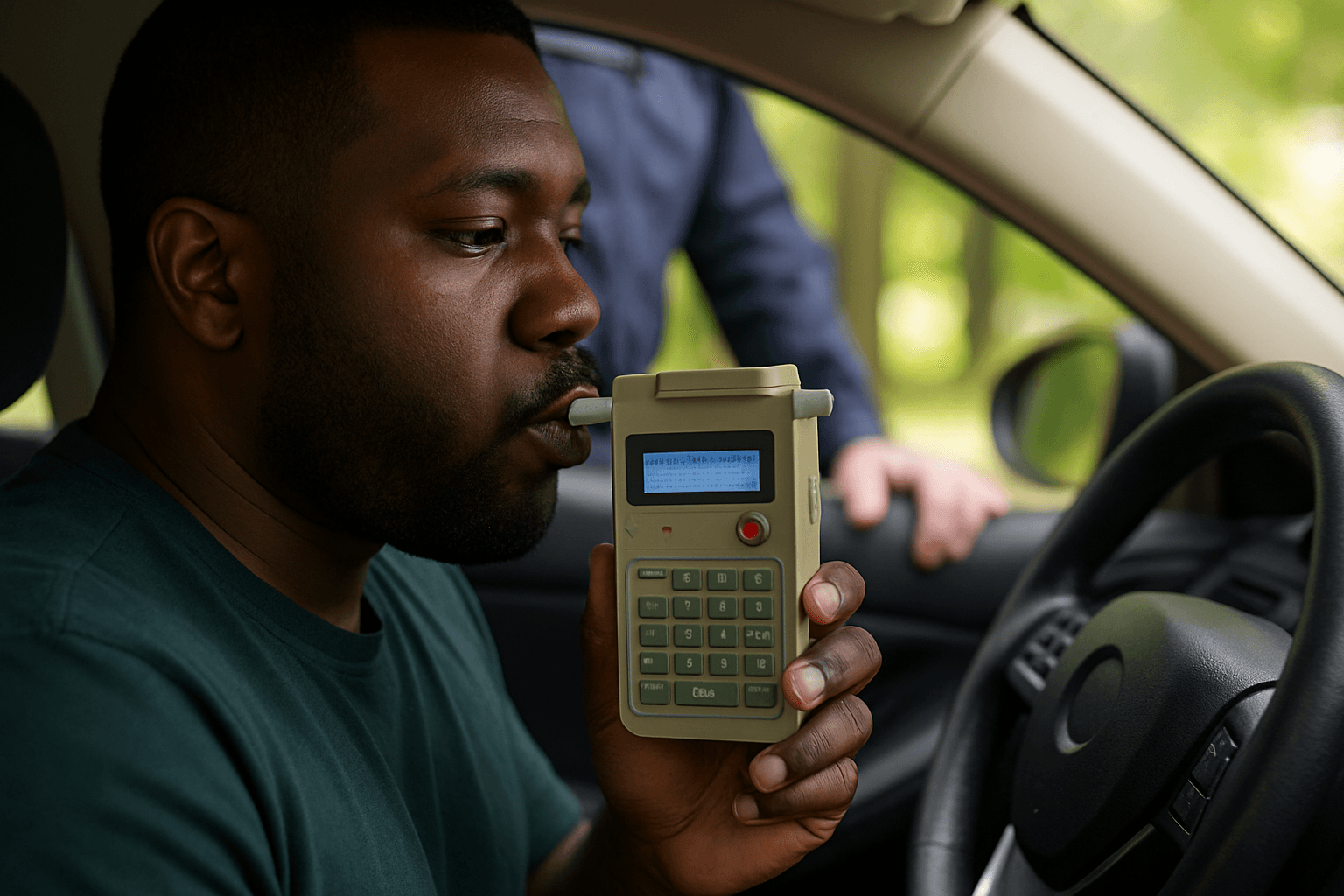
Ignition interlock device installation is mandatory for all DUI-related probationary licenses under MCA § 61-8-442. You must have the device installed in the vehicle you intend to drive, obtain verification from the IID service provider, and submit proof of installation with your court petition. The court will not grant the probationary license until IID installation is confirmed. Monthly IID costs run $70 to $100 for lease, calibration, and data downloads, paid directly to the service provider for the duration of your probationary license and any remaining reinstatement period.
SR-22 filing is required for three years following DUI revocation reinstatement. The filing period begins when your full license is reinstated, not when the probationary license is granted. Most carriers charge $15 to $50 annually for SR-22 filing fees, and DUI-related suspensions typically increase premiums by 80% to 150% over clean-record rates. Your probationary license does not reduce the SR-22 duration or reset the filing clock.
What Documentation the Court Requires Before Accepting Your Petition
District courts require proof of need documentation before they will schedule a hearing on your probationary license petition. Employment verification must come from your employer on company letterhead, signed by a supervisor or HR representative, and include your work schedule, shift times, work address, and confirmation that you cannot carpool or use public transit to reach your job. Self-employed applicants must provide business registration documents, tax returns, and client contracts demonstrating that you cannot operate your business without driving.
Medical necessity documentation requires a signed letter from your treating physician explaining your diagnosis, treatment schedule, appointment frequency, and why you cannot use alternate transportation to reach medical appointments. If you care for a dependent with medical needs, include documentation of the dependent's condition and your role as primary caregiver. School-related petitions require enrollment verification and a class schedule showing that course times conflict with available public transit or carpooling options.
SR-22 insurance certificate filing with the Montana Motor Vehicle Division must be completed before the court accepts your petition. The SR-22 confirms you carry liability coverage at Montana's minimum limits: $25,000 per person bodily injury, $50,000 per accident bodily injury, and $20,000 property damage. The court will not grant a probationary license without verified SR-22 filing, and the MVD will not accept the filing without an active policy from a carrier licensed to write SR-22 coverage in Montana after DUI suspension. Most carriers require payment in full or automatic payment authorization before issuing the SR-22 certificate.
How County-by-County Variation Affects Petition Fees and Timelines
Petition filing fees vary by county because each district court sets its own fee schedule for civil filings. Most Montana counties charge $50 to $150 to file a probationary license petition, but some rural counties charge less and some urban counties charge more. The fee is paid to the clerk of district court when you file your petition and is not refundable if the judge denies your request. Check with the clerk's office in your county before filing to confirm the current fee.
Hearing timelines also vary by county. High-population counties like Yellowstone, Missoula, and Cascade schedule probationary license hearings 3 to 6 weeks after petition filing because their dockets are fuller. Low-population counties like Powder River, Wibaux, and Petroleum may schedule hearings within 10 to 14 days because fewer cases compete for judge availability. You cannot drive under probationary license authority until the judge signs the order granting your petition, so longer hearing timelines extend the period you are without legal driving privileges.
Some counties require attendance at a formal hearing where you testify under oath about your need for restricted driving privileges. Other counties allow the judge to review your petition and supporting documentation without a hearing, issuing a written order based on the submitted materials. The clerk's office will tell you whether your county requires in-person appearance when you file your petition.
What Montana SR-22 Filing Costs and How It Layers onto Probationary License Expenses
SR-22 filing fees charged by carriers typically run $15 to $50 per year in Montana. The filing fee is separate from your premium and covers the carrier's cost to transmit your certificate to the Motor Vehicle Division and maintain continuous filing status. Some carriers include SR-22 filing at no additional charge; others charge the fee annually or add it to your first policy payment. Confirm the filing fee before binding coverage.
Premium increases from suspension-related SR-22 requirements typically add 40% to 150% to your base rate, depending on the suspension trigger. DUI-related SR-22 filings produce the largest premium increases, often doubling or tripling your previous rate. Points-based suspensions and insurance lapse suspensions produce smaller increases but still elevate premiums significantly above clean-record pricing. Non-owner SR-22 policies for drivers without a vehicle cost $25 to $50 per month and satisfy the filing requirement while your license remains suspended.
Total cost stack for a DUI-related probationary license in Montana includes: district court petition filing fee ($50–$150), ignition interlock device installation ($100–$150), monthly IID lease and calibration ($70–$100/month), SR-22 filing fee ($15–$50/year), and elevated premium for SR-22-required coverage ($140–$280/month for liability-only coverage). Over a typical 6-month probationary license period followed by reinstatement, expect total costs between $2,500 and $4,000 before your premium begins to decrease after the suspension clears your record.
How to Compare SR-22 Carriers That Write Probationary License Coverage in Montana
Not all carriers licensed in Montana write SR-22 policies for suspended drivers. Preferred-tier carriers like State Farm and USAA write SR-22 for clean-record customers who need filing after a lapse or administrative error but often decline SR-22 applications from drivers with DUI convictions or multiple violations. Standard-tier carriers like Geico, Progressive, and National General write SR-22 for most suspension triggers, including DUI, and quote competitively for drivers with one or two violations. Non-standard carriers like Bristol West and The General specialize in high-risk SR-22 coverage and write policies for drivers with multiple DUIs, suspended license convictions, or lapse in SR-22 filing history.
Quote at least three carriers before binding coverage. Rates vary by $50 to $150 per month for identical coverage and driver profiles because each carrier prices suspension risk differently. Some carriers offer payment plans that allow monthly installments with automatic bank draft, reducing the upfront cost barrier. Others require payment in full or charge installment fees that add 10% to 20% to your annual premium.
Confirm the carrier will file your SR-22 certificate electronically with the Montana Motor Vehicle Division before you pay your first premium. Electronic filing reaches the MVD within 24 to 48 hours; paper filing takes 7 to 10 business days and delays your probationary license petition. Most carriers file electronically by default, but verify filing method during the quote process to avoid delays.