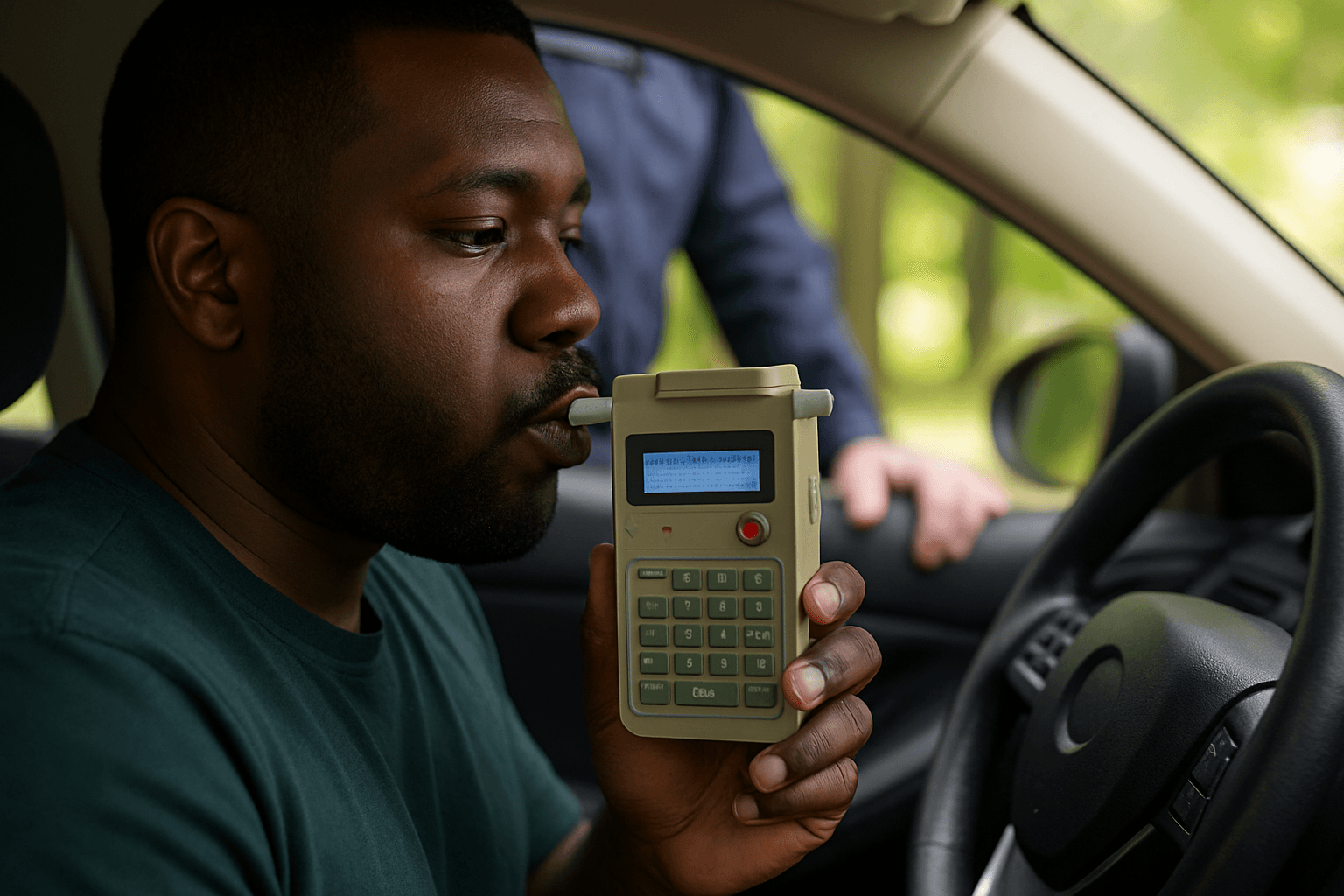
Missouri requires circuit court petition in your county of residence—not where the offense occurred. Most drivers miss the county jurisdiction rule and file in the wrong court, adding months to the process.
Missouri requires circuit court petition in your county of residence
You petition for a Limited Driving Privilege in the circuit court of the county where you currently reside, not the county where your DWI or other suspension-triggering offense occurred. Missouri Revised Statutes 302.309 ties LDP jurisdiction to your residential address at the time of filing.
If you were arrested in St. Louis County but now live in Jefferson County, your petition goes to Jefferson County Circuit Court. Filing in St. Louis County will be denied on jurisdictional grounds without refund of filing fees. The court clerk cannot transfer your petition—you start over in the correct county.
Drivers often call the courthouse in the county where they were arrested, and county clerks sometimes provide forms without asking where the driver lives. The arrest location appears on every document in your case file, so it feels intuitive to file there. Missouri law does not allow forum shopping for LDP petitions.
SR-22 proof of financial responsibility must be filed before the LDP takes effect
Missouri requires SR-22 filing with the Department of Revenue for DUI-related suspensions before your Limited Driving Privilege becomes valid. The circuit court grants the privilege, but the DOR will not recognize it until SR-22 proof appears in their system.
You purchase SR-22 insurance from a carrier licensed to file electronically in Missouri—State Farm, Geico, Progressive, Dairyland, and Bristol West all file SR-22 in Missouri. The carrier transmits the SR-22 certificate directly to the DOR. You receive a copy for your records, which you attach to your LDP petition as required documentation.
The court does not verify SR-22 filing independently. If you are granted an LDP but never filed SR-22, you are driving without valid proof of financial responsibility. A traffic stop will show no active SR-22 on file, and your LDP will be revoked immediately.
Compare car insurance rates in your state
Get quotes from licensed carriers — no obligation, no spam, results in minutes.
Get Your Free Quote✓ No Obligation Required✓ Licensed Carriers Only✓ Available Nationwide✓ Free to Compare
First-offense DWI drivers may qualify for immediate LDP with ignition interlock
HB 2110 (effective 2019) created an immediate Limited Driving Privilege pathway for first-offense DWI drivers who install an ignition interlock device. This bypasses the traditional 30-day hard suspension wait period under RSMo 302.309 for BAC-over-limit cases.
You petition the circuit court immediately after your administrative suspension begins. The court may grant the LDP effective upon IID installation verification. You provide proof of IID installation from a Missouri-approved vendor—typically Intoxalock, LifeSafer, or Smart Start—as part of your petition documentation.
The immediate LDP is not automatic. Judges retain discretion to deny any LDP petition. If your arrest involved an accident with injury, property damage over $1,000, or a BAC significantly above the legal limit, the court may impose the full 30-day hard period regardless of IID installation.
Chemical refusal triggers a longer hard suspension period than BAC-over-limit
Missouri's implied consent law (RSMo 577.041) imposes a 1-year administrative revocation for refusal of a chemical test. You cannot petition for an LDP until 90 days into that revocation—three times longer than the 30-day hard period for BAC-over-limit first offenses.
The 90-day hard period begins the day your revocation takes effect, not the day of arrest. If your administrative hearing is delayed or you request a continuance, the 90-day clock does not start until the final revocation order is entered. Drivers who refuse the test often assume they are buying time to avoid evidence—they are actually extending the period before they can drive again.
Refusal cases require ignition interlock for the entire duration of the LDP. First-offense BAC cases may not require IID depending on BAC level and county practice, but refusal cases always do under current Missouri DOR policy.
Court-defined route and time restrictions are narrower than most drivers expect
Missouri circuit courts limit your LDP to specific routes for employment, school, medical appointments, alcohol or drug treatment, and other court-approved purposes. The judge defines the exact addresses and allowable hours at the time the LDP is granted.
Your employer must provide a letter on company letterhead stating your work address, shift hours, and days worked. If you work multiple locations or variable shifts, list all addresses and the full range of hours. The court will not grant an LDP for "as needed" work schedules—your petition must include specific days and times even if your actual schedule varies.
Grocery shopping, childcare drop-off, and errands are not automatically included. Some judges allow one 2-hour window per week for essential errands if you request it in your petition. Others deny errands entirely and limit the LDP strictly to employment and treatment. Driving outside your approved routes or times is a violation that triggers immediate LDP revocation and potential criminal charges for driving while suspended.
Point-accumulation suspensions do not have a mandatory hard period
If your suspension is for accumulating 8 points in 18 months under RSMo 302.304, Missouri law does not impose a universal mandatory hard suspension period before LDP eligibility. You may petition the circuit court relatively promptly, subject to court discretion.
Judges in some counties impose informal waiting periods—30 days is common—even though statute does not require it. Other counties hear LDP petitions within days of the suspension taking effect. Call the circuit clerk in your county of residence and ask whether the court has a local rule or practice regarding point-suspension LDP petitions.
Point-suspension LDPs typically do not require SR-22 unless your suspension also involves an uninsured accident or other financial responsibility trigger. If your suspension is purely for traffic convictions, verify with the DOR whether SR-22 is required before purchasing it. Unnecessary SR-22 filing costs $15–$25 per year and raises your premium for coverage you do not legally need.
What insurance carriers write LDP-compliant policies in Missouri
You need liability coverage that meets Missouri minimums: $25,000 bodily injury per person, $50,000 per accident, $25,000 property damage. If SR-22 is required for your suspension type, the carrier must be licensed to file SR-22 electronically with the Missouri Department of Revenue.
Carriers writing SR-22 in Missouri include State Farm, Geico, Progressive, Dairyland, Bristol West, The General, National General, and GAINSCO. Non-owner SR-22 policies are available from Dairyland, Geico, Progressive, The General, and GAINSCO if you do not own a vehicle but need proof of financial responsibility to petition for an LDP.
Monthly premiums for SR-22 liability in Missouri typically range from $85 to $190 depending on your violation, county, age, and coverage limits. SR-22 insurance costs include the base premium plus a $15–$25 annual SR-22 filing fee charged by the carrier. Estimates based on available industry data; individual rates vary by driving history and location.