Minnesota requires court approval before DVS can issue a Limited License. Most applicants file the petition before completing DWI program documentation and lose months waiting for the judge to reject it.
Why Minnesota's Court-First Application Path Changes the Filing Order
Minnesota grants Limited Licenses through district court judges, not the Department of Public Safety Driver and Vehicle Services (DVS). Under Minn. Stat. § 171.30, DVS has no authority to approve or deny your petition. The court approves your Limited License request, then transmits the order to DVS for issuance.
This structure inverts the filing sequence used in DMV-administered hardship states. In Texas or Illinois, you complete all program requirements first, then file with the DMV for administrative approval. In Minnesota, you petition the court mid-suspension, and the judge decides whether you've demonstrated sufficient hardship and compliance to warrant restricted driving privileges.
The practical consequence: filing too early guarantees denial. Minnesota judges expect specific documentation proving you've started compliance steps, not just statements of intent. Court calendars run 30 to 90 days out in most counties. If you file your petition before completing your chemical-dependency evaluation or securing employer verification, the judge will deny at the hearing and you'll wait another suspension cycle to re-file.
What Documentation Must Be Complete Before You File the Petition
Minnesota's required documentation list reflects the court-discretion model. Your petition must include proof of employment or medical necessity or school enrollment, a statement of hardship, and proof of SR-22 insurance if your suspension type requires it. For DWI-related suspensions, additional DWI program documentation is mandatory.
The chemical-dependency evaluation is the single most common missing piece. Minnesota requires a chemical use assessment from a licensed evaluator before reinstatement after DWI revocation per Minn. Stat. § 171.29. Judges reviewing Limited License petitions expect you to demonstrate you've obtained this evaluation and enrolled in any recommended treatment before the hearing date. Filing the petition before scheduling the evaluation signals you haven't started compliance.
Employer verification must state specific work hours and confirm that loss of driving privileges will result in termination or inability to perform essential job functions. A generic letter stating you "need" your license will not satisfy the hardship standard. The court defines permitted driving hours based on the employment schedule you document. Vague documentation produces vague orders that later create enforcement problems.
Compare car insurance rates in your state
Get quotes from licensed carriers — no obligation, no spam, results in minutes.
Get Your Free Quote✓ No Obligation Required✓ Licensed Carriers Only✓ Available Nationwide✓ Free to Compare
How the 15-Day Hard Suspension Period Interacts With Court Filing Windows
For DWI-related revocations, a mandatory 15-day hard suspension period must pass before a Limited License petition may be filed for a first offense. Longer mandatory periods apply to repeat offenders. This hard period is measured from the effective date of the revocation, not from the arrest date or conviction date.
The 15-day clock starts when DVS processes the revocation order. Most drivers receive the revocation notice by mail 7 to 14 days after the administrative hearing or court conviction. The hard suspension begins on the effective date printed on that notice. Filing your petition on day 14 will result in automatic denial because you have not yet served the minimum ineligibility period.
Court scheduling adds another 30 to 90 days. Even after the hard suspension period ends, you cannot legally drive under a Limited License until the judge signs the order and DVS processes it. The gap between filing eligibility and actual driving authorization often exceeds 60 days. Drivers who lose jobs during this window frequently discover their hardship claim no longer meets the employment-necessity standard by the time the hearing occurs.
What Happens When the Court Grants a Limited License With Ignition Interlock
Minnesota requires ignition interlock devices for Limited License holders in DWI cases. The court order will specify IID installation as a condition of the Limited License. You must install the device with a state-certified provider before DVS will issue the physical license card, even if the judge signed the order.
The IID requirement under Minnesota's Ignition Interlock Program (Minn. Stat. § 171.306) operates separately from the Limited License statute but intersects at the compliance stage. Installation costs typically range from $75 to $150, with monthly monitoring fees of $60 to $90. These costs stack on top of the court filing fee, SR-22 filing fee, and the limited license issuance fee charged by DVS.
Violating IID restrictions triggers automatic Limited License revocation without additional court process. Minnesota law treats IID tampering, circumvention attempts, or repeated failed breath tests as violations sufficient to cancel restricted driving privileges. Most counties do not grant second Limited License petitions after IID violations, regardless of hardship severity.
Why Route and Time Restrictions Appear in the Court Order, Not the License
Minnesota's Limited License itself does not list permitted driving routes or hours. The court order specifies these restrictions. DVS issues a physical license card that shows "Limited License" status, but the legal authority defining where and when you may drive is the signed court order you carry with you.
Judges define permitted purposes: employment, medical treatment, school, chemical dependency treatment, or court-ordered programs. The order will state specific hours that coincide with your employment schedule, medical appointments, or school hours. Driving outside these hours or for unauthorized purposes violates the court order, not just a traffic regulation.
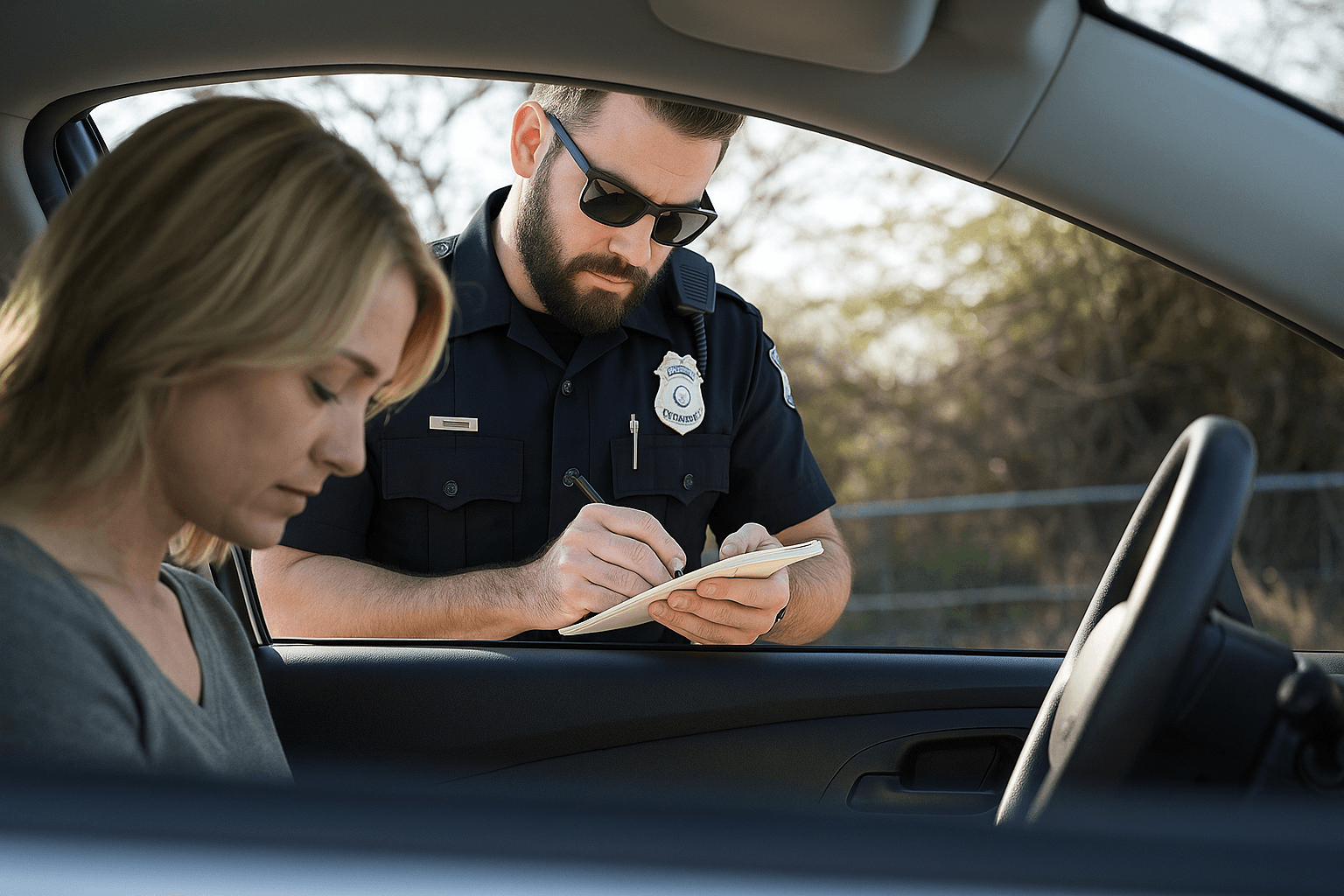
Law enforcement officers reviewing your Limited License during a traffic stop will ask to see the court order. If you cannot produce it, or if the stop occurs outside permitted hours, the officer will cite you for driving under suspension. Minnesota treats Limited License violations as new suspension triggers. A single violation typically results in revocation of the Limited License and extension of the underlying suspension period.
How SR-22 Filing Interacts With Court Approval Timing
SR-22 certificates of financial responsibility are required for Limited License eligibility in DWI and certain other suspension cases, despite Minnesota being a no-fault insurance state. You must secure SR-22 coverage before filing your court petition, not after the judge approves it.
Carriers writing SR-22 policies in Minnesota file the certificate electronically with DVS. The filing appears in DVS records within 24 to 48 hours. Judges reviewing Limited License petitions check DVS compliance records during the hearing. If the SR-22 filing does not appear, the petition will be denied even if you purchased the policy, because the court interprets missing DVS records as noncompliance.
SR-22 filing fees range from $15 to $50 depending on the carrier. The filing itself is not insurance: it is a guarantee that your carrier will notify DVS if your policy lapses. Premium increases after SR-22 filing typically range from $40 to $110 per month for drivers with DWI suspensions. Non-owner SR-22 policies cost less, approximately $30 to $60 per month, and cover drivers who do not own vehicles but need to meet the filing requirement.
What to Do If Your Limited License Petition Is Denied
Minnesota courts do not automatically schedule re-hearings after denial. You must file a new petition, pay the filing fee again, and wait for a new hearing date. Most counties impose a 30-day waiting period before accepting a second petition on the same suspension.
The most common denial reasons are incomplete chemical-dependency documentation, vague employer affidavits, and missing SR-22 proof at the hearing date. Judges issue written orders explaining the denial basis. Read the order carefully before re-filing. If the denial cites missing documentation, obtain that documentation before submitting the second petition.
Drivers whose licenses are cancelled under the "inimical to public safety" standard, typically involving serious criminal history or multiple DWIs, are categorically ineligible for a Limited License under Minnesota law. If your revocation falls under this standard, the court will deny any petition regardless of hardship severity or documentation quality. The only path forward in these cases is full reinstatement after serving the entire revocation period, or participation in the Ignition Interlock Program as an alternative early-reinstatement pathway.