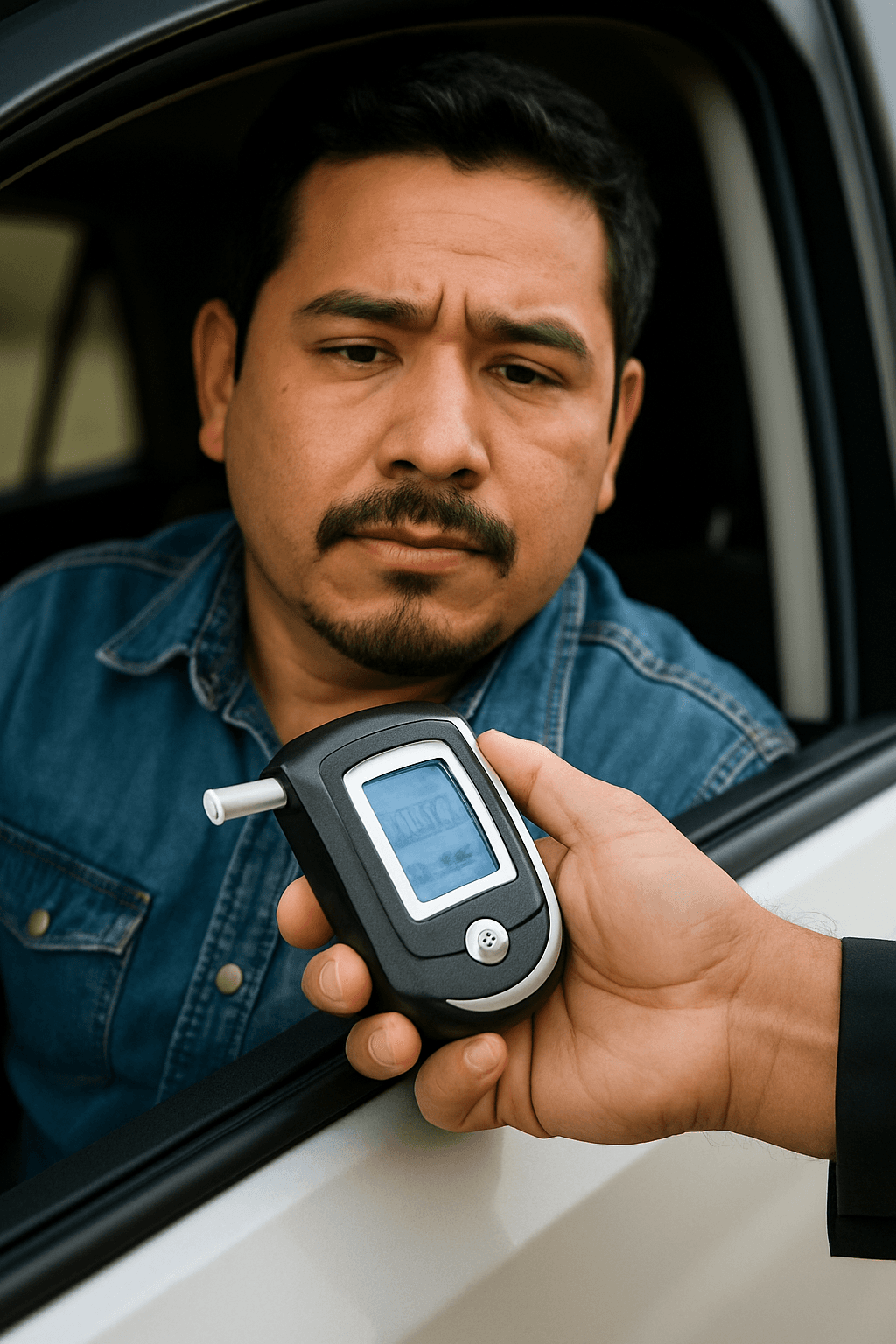
Massachusetts splits hardship license authority between RMV administrative channels and the Board of Appeal on Motor Vehicle Liability Policies and Bonds for OUI cases. Most first-time applicants choose the wrong path and lose weeks to jurisdictional transfers.
Which Agency Actually Grants Your Hardship License in Massachusetts
Massachusetts divides hardship license authority between two separate bodies that do not coordinate. The Registry of Motor Vehicles handles administrative suspensions—insurance lapses under G.L. c. 90 §34J, SDIP point accumulation, chemical test refusals under implied consent law. The Board of Appeal on Motor Vehicle Liability Policies and Bonds adjudicates OUI-related hardship petitions. This is not a standard DMV counter transaction. The Board operates as a separate administrative body with its own hearing schedule, petition format, and approval criteria.
Most first-time OUI offenders walk into an RMV Service Center expecting to file their hardship application there. The counter staff redirect them to the Board of Appeal. That costs two to three weeks in most regions because Board hearing slots fill 30 days out. If your suspension trigger was operating under the influence, your petition goes to the Board. If your suspension stems from SDIP points, unpaid citations, or an insurance lapse, your application stays with the RMV.
The distinction matters because RMV administrative hardship approvals typically process within 10 business days once documentation is complete. Board of Appeal hearings require a scheduled appearance, often four to six weeks after petition filing. Choosing the wrong path does not just delay your hearing date. It resets your application clock to zero when the correct agency finally receives your petition.
What the Board of Appeal Requires That the RMV Does Not
Board of Appeal petitions require a formal hearing. You appear in person before a three-member panel. The RMV administrative process does not require an appearance for most non-OUI suspensions. You submit documentation, the RMV reviews it, and you receive approval or denial by mail.
The Board expects four pieces of evidence at your hearing: proof of enrollment in the Driver Alcohol Education program (not completion—enrollment is sufficient for first-offense hardship eligibility after the hard suspension period ends), proof of Massachusetts auto insurance with financial responsibility filing if your OUI case is resolved, an employer affidavit documenting work location and shift hours, and a written statement explaining why alternative transportation is unavailable. The affidavit format is not standardized. Most employers use a simple letterhead memo confirming your position, work address, and shift schedule. The Board does not accept verbal employer confirmation or generic job offer letters.
RMV administrative hardship applications for non-OUI suspensions require proof of hardship (employment letter or medical documentation), completed RMV application form, and payment of the application fee. The RMV does not require an in-person appearance for insurance-lapse or points-based hardship decisions. The Board hearing is specific to OUI cases and reflects the elevated penalty structure under Melanie's Law.
Compare car insurance rates in your state
Get quotes from licensed carriers — no obligation, no spam, results in minutes.
Get Your Free Quote✓ No Obligation Required✓ Licensed Carriers Only✓ Available Nationwide✓ Free to Compare
How Melanie's Law Changed OUI Hardship Approval in Massachusetts
Melanie's Law, enacted in 2005 under MGL c. 90 §24, eliminated discretionary waivers for ignition interlock devices on all OUI-related hardship licenses. Before 2005, judges could grant hardship licenses without IID requirements in certain first-offense cases. That option no longer exists. Every OUI hardship license approved by the Board of Appeal now carries a mandatory ignition interlock requirement for the full duration of the hardship period.
The IID requirement applies even if your criminal case was continued without a finding or reduced to a lesser charge. The Board evaluates the underlying OUI suspension, not the final court disposition. If your license suspension stems from an OUI arrest or conviction, the hardship license carries an IID mandate. Installation costs range from $70 to $150, with monthly monitoring fees between $60 and $90. The approved IID vendor list is published by the RMV—only devices from listed vendors satisfy the requirement.
Hard suspension periods before hardship eligibility escalate sharply with repeat offenses. First offense: minimum 45 days before hardship eligibility (some sources cite 30 days; verify current RMV guidance). Second offense: minimum 6 months. Third offense: minimum 1 year. Fourth offense or higher may result in permanent revocation with no hardship option. These are minimums. The Board retains discretion to extend the hard period based on your driving record, BAC level at arrest, or prior alcohol-related incidents.
What Routes and Hours the Board Actually Approves
Massachusetts hardship licenses are colloquially called Cinderella licenses because of their strict time restrictions. The Board approves specific routes and specific hours aligned with the stated hardship purpose. Work-related hardship licenses typically restrict driving to direct routes between your residence and workplace during shift hours plus a one-hour window before and after your shift.
The Board does not approve open daytime driving or discretionary personal errands. If you work 9:00 AM to 5:00 PM, your approved driving window is typically 8:00 AM to 6:00 PM, limited to the documented route. Deviations—even stopping for gas or groceries on the way home—technically violate the restriction. Massachusetts State Police enforce hardship restrictions aggressively during evening and weekend hours when most violators are caught.
Multiple employment locations require separate route documentation for each site. If your job involves client visits or job site travel, the employer affidavit must list all locations you are required to drive to during a typical work week. The Board will either approve all listed routes or deny the petition if the driving scope is too broad. Remote workers and employees who can take public transit face higher denial rates because the Board applies a genuine hardship test. Inconvenience is not hardship.
How Chemical Test Refusal Affects Your Board Petition Timeline
Chemical test refusals under Massachusetts implied consent law trigger a separate 180-day administrative suspension that runs independently of any OUI criminal case suspension. These suspensions can run concurrently or consecutively depending on case timing. If you refused the breathalyzer and were subsequently convicted of OUI, you face two overlapping suspension periods.
The Board of Appeal cannot waive or reduce the refusal suspension. That suspension is administratively imposed by the RMV and must be served in full before you regain unrestricted driving privileges. Hardship license eligibility during a refusal suspension is limited. You must serve the hard suspension period for both the OUI conviction and the refusal suspension before applying for hardship relief.
In practice, this means a first-offense OUI with chemical test refusal carries a minimum 180-day license loss (refusal suspension) plus the OUI suspension period. The Board will not consider a hardship petition until you have served the statutory minimum hard suspension for the more severe penalty. If your case involves both an OUI suspension and a refusal suspension, consult the RMV's suspension calculation guidance before filing a Board petition. Many applicants file prematurely and receive automatic denials.
What Happens When You Violate Hardship License Terms
Violating the route or time restrictions on a Massachusetts Cinderella license results in immediate revocation with no appeal. State Police document the violation location and time, submit a report to the Board of Appeal, and the Board issues a revocation order. You do not receive a warning or a hearing before revocation.
Common violation scenarios: driving to a store after work when your approved route is residence-to-workplace only, driving outside approved hours even if the route is correct, allowing another driver to use your IID-equipped vehicle (the monitoring report flags multiple driver profiles). Each of these results in the same outcome—hardship revoked, full suspension reinstated, new petition ineligible until the original suspension period expires.
Once revoked, you cannot reapply for hardship relief during the same suspension period in most cases. The Board treats hardship license issuance as a one-time privilege. If you demonstrate you cannot follow the restrictions, the Board will not grant a second chance. This is the highest-risk period for most drivers. The first 90 days on a Cinderella license account for over 60 percent of violations because drivers underestimate how restrictive the approved hours actually are.
How to Get SR-22 Insurance Before Your Board Hearing
Massachusetts does not use SR-22 terminology. The state requires a Certificate of Insurance filed directly with the RMV by a Massachusetts-licensed insurer. For OUI suspensions, this filing is mandatory before the Board of Appeal will consider your hardship petition. You cannot appear at your Board hearing without proof of future financial responsibility on file.
Not all carriers write policies for OUI offenders. Standard-tier insurers—Amica, Liberty Mutual, Allstate—frequently decline to quote drivers with pending or recent OUI suspensions. Non-standard carriers that write high-risk Massachusetts policies include Geico (writes SR-22 filings in Massachusetts despite the state's different terminology), Progressive, National General, and Bristol West. Monthly premiums for OUI offenders in Massachusetts typically range from $180 to $320 per month during the filing period.
The Certificate of Insurance must remain on file with the RMV for the full duration of your suspension and hardship period. If your policy lapses or is cancelled, the RMV is notified electronically within 24 hours and your hardship license is automatically suspended. You cannot reinstate without obtaining new coverage and paying a reinstatement fee. Maintain continuous coverage throughout the hardship period and through your full license reinstatement date to avoid additional penalties.