Maryland's restricted license application runs through the MVA or Office of Administrative Hearings depending on your suspension cause. Most drivers miss the 10-day hearing request window and forfeit their right to contest the underlying suspension before applying.
Which Maryland Suspension Types Require OAH Hearings Before Restricted License Approval
Point-based suspensions and most non-DUI administrative suspensions require a contested case hearing before the Office of Administrative Hearings, not a simple MVA counter application. The hearing officer has broad discretion in granting restrictions and defining their scope.
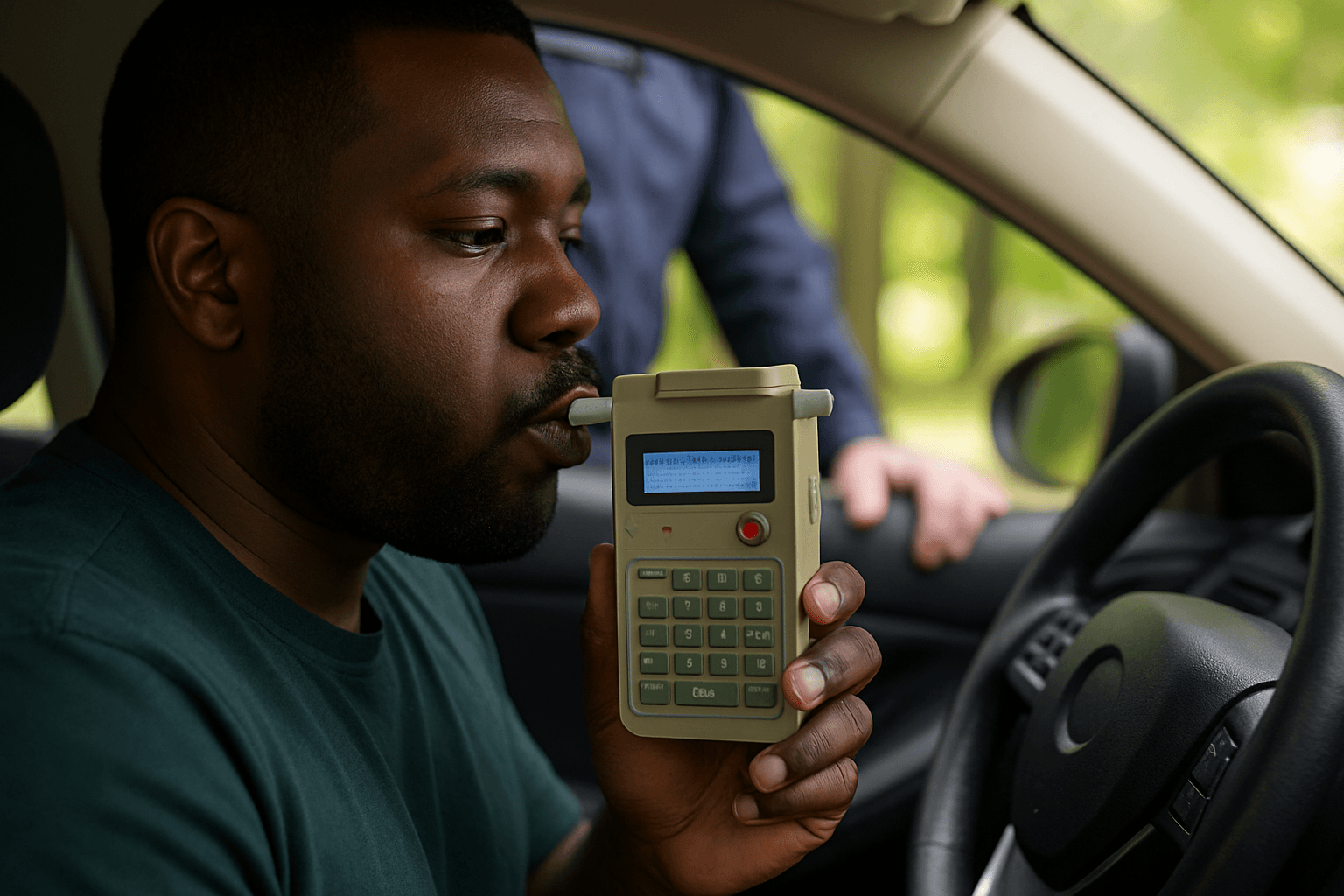
DUI-related suspensions follow a parallel track: if you enroll in Maryland's Ignition Interlock System Program within the administrative suspension window, the interlock enrollment effectively replaces the need for a separate restricted license. The IISP allows you to drive legally with the device installed rather than serving a full suspension period.
Uninsured motorist suspensions and failure-to-appear cases are processed administratively through the MVA without a hearing requirement, but both still require documentation of need and proof of current insurance or SR-22 filing before reinstatement or restricted driving privileges are granted.
Documentation the MVA Requires for All Restricted License Applications
Maryland requires proof of employment or need documented in writing. An employer letter on company letterhead must include your work address, shift hours, and supervisor contact information. If you're applying based on medical need, bring appointment schedules and physician contact details.
SR-22 or FR-44 insurance certificates are required when the underlying suspension stems from DUI, uninsured driving, or repeat violations. Your insurance carrier files the SR-22 or FR-44 electronically with the MVA, but you must bring the policy declaration page showing the filing is active.
Completed MVA application forms vary by suspension type. For DUI-related cases requiring ignition interlock, you must bring proof of IID enrollment from an MVA-approved vendor before the MVA will issue driving privileges. Court orders or MVA hearing documentation must accompany your application if a judge or hearing officer imposed specific conditions on your eligibility.
Compare car insurance rates in your state
Get quotes from licensed carriers — no obligation, no spam, results in minutes.
Get Your Free Quote✓ No Obligation Required✓ Licensed Carriers Only✓ Available Nationwide✓ Free to Compare
How Maryland's Ignition Interlock Requirement Changes the Restricted License Path
Drivers with BAC at or above 0.15 at the time of arrest face a longer mandatory interlock period than those with BAC between 0.08 and 0.14. Maryland Transportation Article §16-404.1 establishes these tiers, and the MVA enforces them strictly.
The Ignition Interlock System Program allows eligible DUI and DWI drivers to avoid full suspension by enrolling in the interlock program before the suspension takes effect. This IISP enrollment effectively serves the hardship license function: you drive with the device installed rather than applying for separate restricted privileges.
If you miss the IISP enrollment window, you serve the administrative suspension period first, then apply for restricted driving with interlock as a condition. The difference in total restricted driving time between early IISP enrollment and post-suspension application can be 60 to 90 days depending on your BAC tier.
What the OAH Hearing Officer Can Restrict Beyond Standard Work-School Routes
The Office of Administrative Hearings hearing officer has broad discretion to define your restriction terms. Unlike some states where hardship routes are standardized, Maryland hearing officers customize restrictions case by case based on your documented need and violation history.
Time-of-day restrictions appear frequently when the underlying violation occurred late at night or early morning. The hearing officer may limit your driving to daylight hours or specific shift windows even when your employment technically requires evening availability.
Route restrictions extend beyond the four-corner work-school-medical-essential travel framework most drivers expect. Hearing officers can prohibit highway driving, limit you to a 15-mile radius from your home, or require you to carry route documentation in the vehicle at all times. Violating any restriction the hearing officer imposes triggers automatic revocation without a second hearing.
How Maryland's Electronic Insurance Verification System Flags Lapse During Restricted License Period
Maryland uses the Maryland Insurance Verification Exchange to monitor policy status in near-real-time. When your carrier reports a cancellation or lapse, the MVA flags your registration for suspension without a traditional grace period.
If you're driving under a restricted license and your SR-22 or FR-44 filing lapses, the MVA revokes your restricted privileges immediately. The carrier reports the lapse date electronically, and the MVA treats that date as the effective revocation date, not the date you receive written notice.
Reinstating after a lapse during restricted license period requires paying a new reinstatement fee, refiling SR-22 or FR-44, and in most cases restarting your restricted license approval process from the beginning. Hearing officers view mid-restriction lapses as evidence you cannot maintain compliance, which reduces approval odds on the second application.
Why MVA Counter Staff Cannot Predict OAH Hearing Officer Decisions
The MVA processes administrative suspensions and accepts reinstatement documentation, but the Office of Administrative Hearings operates independently. MVA counter staff can explain the documentation you need to submit, but they cannot tell you whether a hearing officer will approve your restricted license or what specific restrictions will be imposed.
Hearing officers review your driving record, the facts of the underlying violation, your documented employment or medical need, and your compliance history. Two drivers with identical DUI charges and identical employer letters may receive different restriction terms based on factors the hearing officer weighs during the contested case hearing.
This discretion creates uncertainty most drivers underestimate. You cannot know your approved routes, time restrictions, or interlock duration until the hearing officer issues a written order. Planning work schedules or medical appointments around restricted driving before receiving the order risks scheduling conflicts you cannot resolve without violating the restriction.
How SR-22 Duration and Restricted License Duration Interact in Maryland
SR-22 filing for DUI and most serious violations must be maintained for 3 years from the date the MVA requires it. Your restricted license approval typically lasts a shorter period—often 6 to 12 months depending on the original suspension length and the hearing officer's order.
When your restricted license period ends and you regain full driving privileges, your SR-22 requirement continues until the full 3-year period elapses. Letting the SR-22 lapse during this tail period triggers a new suspension even though your driving privileges were fully reinstated.
Estimates based on available industry data suggest SR-22 insurance costs $85 to $140 per month for a Maryland driver with a DUI violation. Individual rates vary by carrier, age, vehicle, and county. Non-owner SR-22 policies cost less when you do not own a vehicle but still need to maintain the filing to preserve restricted or reinstated driving privileges.