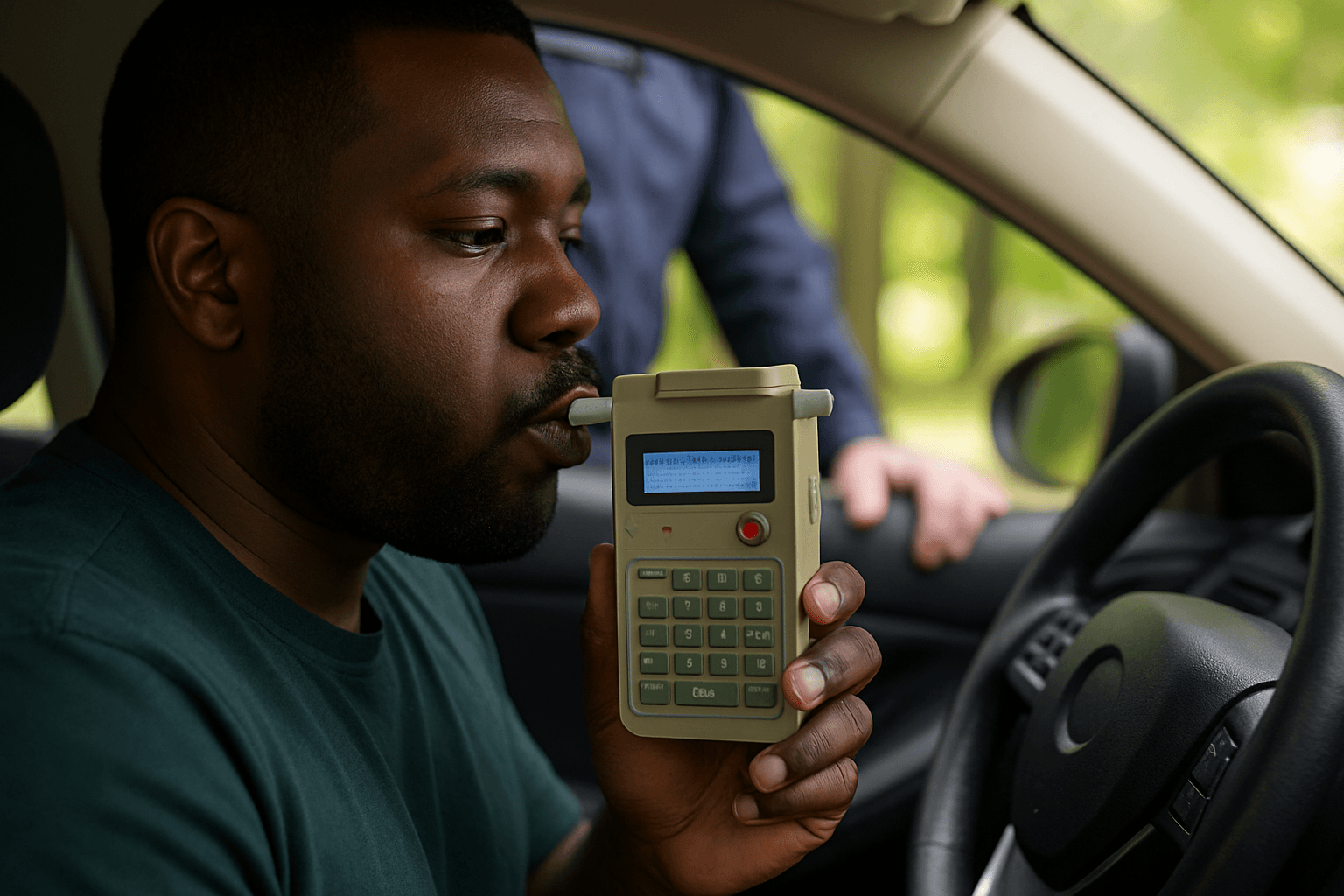
West Virginia's Alcohol Test and Lock Program requires SR-22 filing before you apply for restricted driving privileges, but most carriers won't write new policies for drivers with active DUI suspensions. This guide shows which non-standard carriers will.
Why Standard Carriers Reject Active-Suspension WV Drivers
Standard auto insurance carriers—State Farm, Allstate, GEICO for standard-tier applicants—typically decline to issue new policies to drivers with active DUI suspensions in West Virginia. The suspension status triggers underwriting flags that classify the driver as unacceptable risk before the restricted license hearing even occurs.
This creates a sequencing problem: WV Code §17C-5A requires SR-22 proof of insurance as part of your Alcohol Test and Lock Program (ATLP) application, but you cannot obtain restricted driving privileges without first submitting that SR-22 certificate to the DMV. You need the insurance to apply for the restricted license, but standard carriers see the active suspension and decline the application.
The carrier sees three data points simultaneously: the suspension record, the SR-22 filing requirement, and the absence of an active restricted license. Until the restricted license is approved, you are an unlicensed driver seeking coverage—a category most standard carriers will not underwrite regardless of SR-22 filing.
Non-Standard Carriers That Write Pre-Restricted-License Policies in WV
Non-standard carriers specialize in high-risk applicants and will write policies for drivers with active DUI suspensions who need SR-22 filing before their restricted license hearing. Dairyland, The General, Progressive's non-standard division, National General, and GEICO's non-standard tier all operate in West Virginia and accept pre-restricted-license applicants.
Dairyland and The General are the most reliably accessible—both maintain dedicated SR-22 filing workflows for suspended drivers and do not require proof of an active license before issuing a policy. Progressive and GEICO will write policies for some active-suspension applicants but may route you to their non-standard divisions with higher premiums.
Expect monthly premiums between $180 and $320 for liability-only coverage with SR-22 filing during the active-suspension phase. Once the restricted license is approved and you complete the hard suspension period (typically 15 days for first-offense DUI under WV Code §17C-5A-3), premiums may decrease slightly, but the SR-22 surcharge remains for the full filing period.
Estimates based on available industry data; individual rates vary by age, county, violation history, and coverage selections.
Compare car insurance rates in your state
Get quotes from licensed carriers — no obligation, no spam, results in minutes.
Get Your Free Quote✓ No Obligation Required✓ Licensed Carriers Only✓ Available Nationwide✓ Free to Compare
SR-22 Filing Before ATLP Application: The Required Sequence
West Virginia's Alcohol Test and Lock Program application requires SR-22 proof of financial responsibility before the DMV will process your restricted license petition. You cannot apply for the restricted license first and obtain SR-22 later—the filing must be active before submission.
The sequence: secure a non-standard carrier policy with SR-22 filing, wait for the carrier to electronically file the SR-22 certificate with the WV DMV (typically 24 to 48 hours), verify the filing appears in your DMV record, then submit your ATLP application with the SR-22 certificate number included in the documentation packet.
If you apply for the restricted license without an active SR-22 on file, the DMV will deny the application and return your $50 reinstatement fee. The hearing officer or DMV clerk will not proceed without verifying the SR-22 filing is current and matches the applicant's name and suspension case number.
Ignition Interlock Device Requirement and Insurance Interaction
WV Code §17C-5A mandates ignition interlock installation as a condition of any post-DUI restricted license. The interlock device is separate from the SR-22 filing—SR-22 proves financial responsibility, the interlock physically prevents vehicle operation if alcohol is detected.
Your insurance carrier must know the vehicle will have an interlock device installed. Most non-standard carriers do not charge an additional premium for interlock-equipped vehicles, but the carrier must note the device on the policy to avoid claim denial if an incident occurs while the device is active.
Ignition interlock installation costs approximately $70 to $150 in West Virginia, with monthly monitoring fees of $60 to $90. The SR-22 filing fee is typically $25 to $50, separate from the interlock costs. Budget for both when calculating total restricted-license expenses.
Non-Owner SR-22 Policies for Drivers Without Vehicles
If you do not own a vehicle but need restricted driving privileges to operate an employer's vehicle or a family member's car, non-owner SR-22 insurance meets WV's financial responsibility requirement without insuring a specific vehicle.
Dairyland, The General, and Progressive all offer non-owner SR-22 policies in West Virginia. Monthly premiums typically range from $40 to $80—significantly lower than standard owner policies because the carrier assumes less risk. The non-owner policy covers liability when you drive any vehicle you do not own.
The restricted license approval process is identical whether you carry owner or non-owner SR-22. The DMV verifies the SR-22 filing is active; the policy type does not affect eligibility. Non-owner policies do not cover physical damage to the vehicle you drive—only your liability to others.
What Happens If Your Non-Standard Policy Lapses During Restricted License Period
If your SR-22 policy lapses or cancels during the restricted license period, the carrier is required to notify the WV DMV electronically within 24 hours. The DMV will suspend your restricted license immediately—no grace period, no warning letter before suspension.
WV Code §17D governs continuous coverage requirements. The suspension triggered by SR-22 lapse is separate from the original DUI suspension and adds additional reinstatement fees and filing periods. You will need to secure a new SR-22 policy, pay a reinstatement fee (typically $50 to $100), and wait for the new filing to appear in DMV records before restricted privileges are restored.
Most non-standard carriers require automatic payment enrollment to reduce lapse risk. If you miss a payment, the carrier will attempt to contact you before canceling the policy, but the notification window is short—usually 10 to 15 days.
Post-Reinstatement: When You Can Move to a Standard Carrier
Once your full license is reinstated and the SR-22 filing period ends (typically 3 years for DUI under WV Code §17C-5A), you can shop for standard-tier policies. The DUI conviction remains on your driving record for 5 years in West Virginia, but many standard carriers will write policies 12 to 24 months after reinstatement if no additional violations occur.
State Farm, Erie, Nationwide, and Farmers all accept post-DUI drivers in West Virginia once the SR-22 requirement expires and the driver demonstrates 12 to 24 months of continuous coverage without lapses. Premiums decrease significantly—post-reinstatement rates typically fall to $90 to $150 per month for liability coverage, compared to $180 to $320 during the restricted-license phase.
Do not cancel your non-standard policy until the new standard carrier confirms coverage is active. A gap between policies will trigger another SR-22 lapse notification to the DMV even if your filing period has technically ended, and reinstatement procedures vary depending on how the DMV categorizes the lapse.