You just received your Limited License court order and your current carrier won't write SR-22 or told you to shop elsewhere. The non-standard market writes your filing while your license is court-restricted.
Why Your Current Carrier Won't Write Your Limited License SR-22
Your insurer dropped you the day your Limited License court order arrived, not because of the underlying DUI or suspension, but because court-restricted licenses trigger underwriting exits at most standard carriers. State Farm, Allstate, and USAA maintain coverage through administrative suspensions in many cases, but a court-issued driving restriction with route and time limitations signals ongoing judicial oversight that standard-tier underwriting guidelines treat as unacceptable risk.
Utah requires SR-22 financial responsibility filing for Limited License issuance following DUI, uninsured driving, or other major violations under Utah Code § 41-12a-804. Your carrier must file electronically with the Utah Driver License Division within 15 days of policy inception. If your current insurer won't file SR-22, or if they non-renew your policy upon learning of the Limited License, you need a non-standard carrier licensed to write court-restricted drivers in Utah.
The displacement happens fast. You receive your Limited License court order, contact your agent to add the SR-22 filing, and the underwriting department cancels your policy with 10 days' notice. You now have two problems: finding a carrier that writes Limited License holders and maintaining continuous coverage so the DLD doesn't suspend your registration for insurance lapse.
Non-Standard Carriers Writing Limited License SR-22 in Utah
Six non-standard carriers actively write Limited License SR-22 policies in Utah as of current state filings: Bristol West, Dairyland, GAINSCO, The General, Progressive, and National General. All six file SR-22 electronically with the Utah DLD and underwrite court-restricted drivers. Geico writes SR-22 but excludes court-restricted licenses in Utah per its underwriting guidelines; State Farm writes SR-22 for some violation types but exits at court-ordered restrictions.
Bristol West operates through independent agents statewide and writes high-risk auto including DUI and Limited License cases. Monthly premiums for a 35-year-old male driver with one DUI and a Limited License typically run $140–$190/month for minimum liability plus SR-22. Dairyland offers direct online quotes and writes non-owner SR-22 for drivers without vehicles who need filing to maintain their Limited License. GAINSCO and The General both write owner and non-owner policies with SR-22 filing and have streamlined processes for court-restricted applicants.
Progressive writes Limited License cases through its non-standard tier but quotes vary widely by county and underlying violation. Salt Lake County Limited License holders with DUI see monthly premiums in the $160–$220 range; rural counties sometimes quote 15–20% lower. National General underwrites through independent agents and writes ignition interlock device policies required for many DUI-related Limited Licenses in Utah.
Compare car insurance rates in your state
Get quotes from licensed carriers — no obligation, no spam, results in minutes.
Get Your Free Quote✓ No Obligation Required✓ Licensed Carriers Only✓ Available Nationwide✓ Free to Compare
Ignition Interlock Requirement and Carrier Compatibility
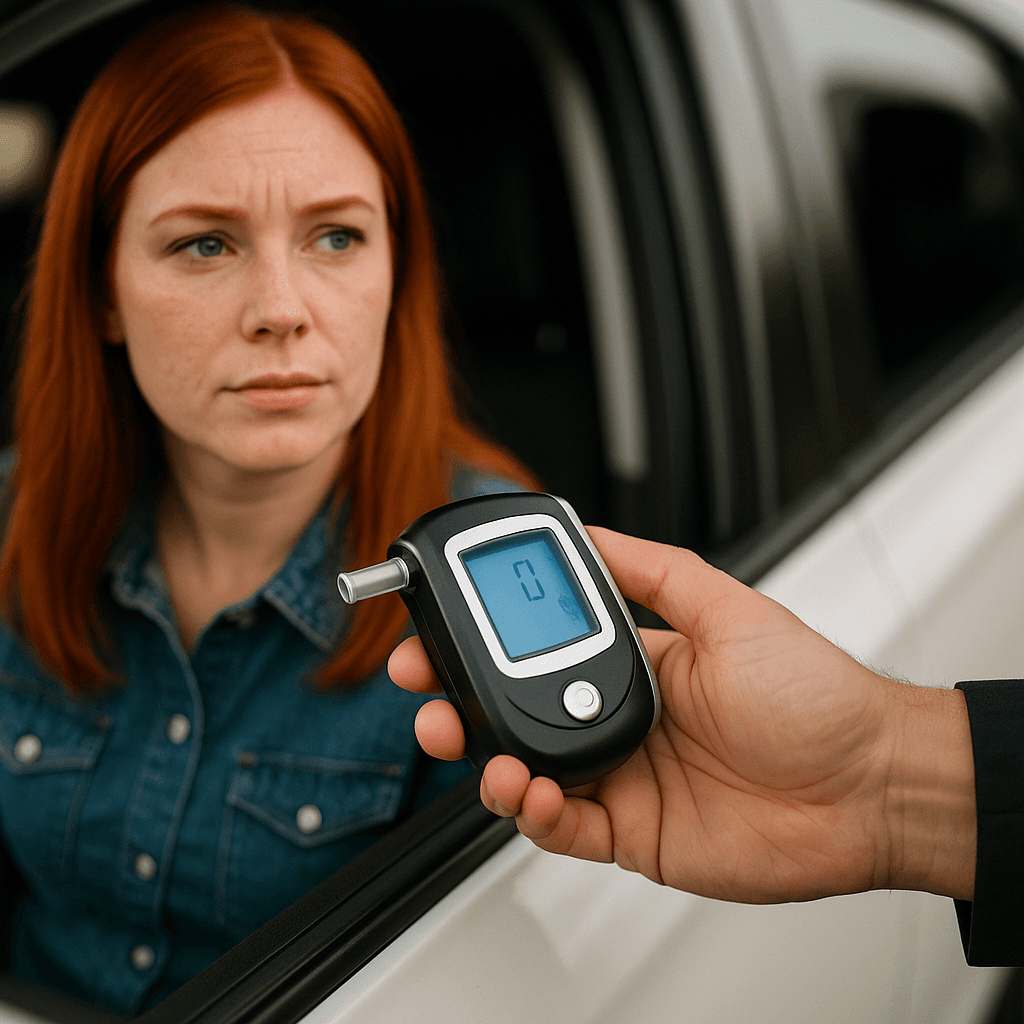
Utah courts require ignition interlock devices (IID) on Limited Licenses issued for DUI violations under Utah Code § 41-6a-518. The device monitors breath alcohol content before the vehicle starts and at random intervals while driving. Your insurance policy must cover the IID-equipped vehicle, and not all carriers write IID policies.
Dairyland, Progressive, National General, and Bristol West all underwrite IID-equipped vehicles in Utah. The General and GAINSCO write IID policies but require agent confirmation of device certification before binding coverage. Your IID provider — typically Smart Start, Intoxalock, or LifeSafer in Utah — issues a certificate of installation that your carrier adds to your policy file. The carrier does not increase premium for the IID itself, but the underlying DUI violation and Limited License status already place you in non-standard tier pricing.
IID lease costs run $70–$100/month in Utah, paid directly to the device provider, separate from insurance premium. The court order specifies IID duration, typically matching the Limited License term. If the device records a failed breath test or tampering event, the provider reports to the court and the DLD, which can trigger Limited License revocation. Maintain your insurance continuously during the IID period — a lapse voids your SR-22 filing and the DLD suspends your Limited License immediately.
Non-Owner SR-22 for Limited License Holders Without Vehicles
You sold your vehicle after the suspension, or you rely on a family member's car, or your employer provides a work vehicle during Limited License hours. You still need SR-22 filing to maintain your Limited License, even without a personal vehicle. Non-owner SR-22 policies provide liability coverage when you drive vehicles you don't own and satisfy Utah's financial responsibility requirement.
Dairyland, Progressive, The General, and GAINSCO write non-owner SR-22 policies in Utah. Monthly premiums for a non-owner policy with SR-22 filing typically run $50–$80/month, significantly lower than owner policies because the carrier assumes you drive infrequently and the vehicles you drive carry their own insurance. The non-owner policy provides secondary liability coverage above the vehicle owner's policy limits.
Non-owner policies do not cover vehicles you own, lease, or use regularly. If your spouse owns the car you drive daily during Limited License hours, the non-owner policy may deny claims because the vehicle is regularly available to you. In that case, you need to be added as a listed driver on your spouse's policy and the SR-22 filed under that policy. Dairyland and Progressive both allow SR-22 filing on policies where you are a listed driver but not the named insured, but the named insured must consent and the policy must meet Utah's minimum liability limits: $25,000 bodily injury per person, $65,000 per accident, $15,000 property damage, and $3,000 PIP.
Premium Cost Structure During Limited License Period
Limited License insurance premiums reflect three cost layers: the underlying violation surcharge, the SR-22 filing fee, and the court-restricted license underwriting adjustment. A DUI conviction in Utah adds 60–90% to your base premium at most non-standard carriers. The SR-22 filing itself costs $15–$25 as a one-time fee, then appears as a $5–$10/month policy endorsement for the filing duration. The Limited License status adds another 10–20% because court restrictions signal ongoing judicial oversight.
A 30-year-old driver in Provo with a clean record before a DUI and Limited License pays approximately $160–$210/month for minimum liability plus SR-22 through Dairyland or Bristol West. The same driver without the DUI or Limited License would pay $65–$90/month. The $95–$120/month difference reflects the combined violation and restriction surcharges. Estimates based on available industry data; individual rates vary by driving history, vehicle, coverage selections, and location.
Premiums decrease after 12–18 months of claims-free driving under the Limited License, but most carriers hold rates elevated until the SR-22 filing period ends. Utah requires 3-year SR-22 filing for DUI violations. After the third year, if you've maintained continuous coverage and avoided new violations, you can shop standard-tier carriers again. Progressive and National General both re-tier drivers at the 3-year mark if their record is otherwise clean.
Application Process and Approval Timeline
Apply for Limited License insurance immediately after receiving your court order — do not wait for your hearing or for the DLD to mail confirmation. Non-standard carriers need 3–7 business days to underwrite, bind, and file SR-22 electronically with the Utah DLD. Your Limited License is not valid for driving until the DLD receives and processes the SR-22 filing, which takes an additional 2–4 business days after the carrier files.
You need four documents to apply: your Limited License court order (showing route and time restrictions), your current driver's license number, your vehicle VIN if applying for owner coverage, and payment method. Dairyland and The General offer online applications with instant quotes; Bristol West, GAINSCO, and National General require agent contact. Progressive quotes online but routes Limited License applications to an underwriter for manual review.
The carrier files SR-22 electronically the same day your policy binds. The Utah DLD processes electronic SR-22 filings within 2 business days and updates your driving record to show active financial responsibility. The court order specified your Limited License start date; driving before the DLD confirms SR-22 processing violates your restriction and triggers revocation. Call the DLD at 801-965-4437 to confirm SR-22 receipt before you drive under the Limited License.
What Happens If Your Policy Lapses During Limited License
Your carrier cancels your policy for non-payment, or you switch carriers without overlapping coverage dates, or you let your policy lapse thinking the Limited License term is ending soon. The carrier files SR-26 cancellation notice with the Utah DLD within 10 days. The DLD suspends your Limited License immediately and mails a suspension notice to your address of record.
You have no grace period. Utah does not allow reinstatement of a Limited License after SR-22 lapse — the court order becomes void and you must petition the court again for a new Limited License, starting the process over. The DLD charges a $30 reinstatement fee to restore your underlying license eligibility after the lapse, but the Limited License itself requires a new court order, which means new court fees, new hearing, and new waiting period.
Maintain continuous coverage for the entire SR-22 filing period, which extends beyond your Limited License term in most cases. If your Limited License runs 6 months but your SR-22 filing requirement is 3 years, you must keep SR-22 insurance active for the full 3 years even after the Limited License expires. Switching carriers mid-term is allowed as long as coverage dates overlap — the new carrier files SR-22 the day your policy starts, and the old carrier files SR-26 the day your old policy ends, so the DLD sees no gap.