New Mexico's court-defined restricted license process forces most applicants into non-standard carrier tiers before approval — few understand why coverage must be secured before the hearing, not after.
Why New Mexico's Court-First Pathway Requires Insurance Before Approval
New Mexico restricted license petitions require proof of SR-22 insurance at filing, not after the court grants restricted driving privileges. The New Mexico Motor Vehicle Division (MVD) administers interlock program records, but the restricted license itself flows through the court under NMSA 1978 § 66-5-33. Most applicants expect to secure coverage after court approval — the petition documentation list includes the SR-22 certificate upfront, creating a strict sequencing requirement.
This means shopping for coverage happens before you know whether the court will approve your petition. Standard carriers typically decline to quote drivers with active suspensions and pending court petitions — they wait for full reinstatement. Non-standard carriers write policies specifically for this pre-approval window, understanding that the restricted license may or may not be granted. The premium reflects that uncertainty.
The court needs the SR-22 certificate to verify you can maintain continuous coverage during the restricted period. Without it attached to your petition, the court cannot evaluate whether you meet the financial responsibility requirement. Judges deny petitions with incomplete documentation — the SR-22 filing is not optional, not deferred, and not post-grant.
Non-Standard Carrier Landscape in New Mexico for Restricted License Applicants
Six non-standard carriers write SR-22 policies for suspended drivers in New Mexico before restricted license approval: Bristol West, Dairyland, GAINSCO, Geico (standard tier but writes high-risk), National General, Progressive (standard tier but writes high-risk), and The General. Bristol West, Dairyland, GAINSCO, and The General specialize in non-standard risk and do not require court approval before binding coverage. Progressive and Geico maintain separate high-risk underwriting units that write suspended-driver policies distinct from their standard-tier offerings.
Bristol West and Dairyland both require broker contact — online quotes route to agent networks rather than direct bind. GAINSCO, The General, Progressive, and Geico offer online quote paths, though Geico's high-risk unit may redirect suspended drivers to phone underwriting depending on violation severity. National General operates through independent agents but provides online quote tools for initial rate indication. All six file SR-22 certificates electronically with the New Mexico MVD within 24-48 hours of policy binding.
Non-owner SR-22 policies are available through Dairyland, GAINSCO, Geico, Progressive, and The General for applicants without vehicles. New Mexico restricted licenses do not require vehicle ownership — the court approves restricted driving for work, school, medical appointments, or other court-defined purposes regardless of whether you own the vehicle used. Non-owner policies satisfy the SR-22 filing requirement at lower premium cost than standard auto policies, typically $30–$60 per month before the SR-22 filing fee.
Compare car insurance rates in your state
Get quotes from licensed carriers — no obligation, no spam, results in minutes.
Get Your Free Quote✓ No Obligation Required✓ Licensed Carriers Only✓ Available Nationwide✓ Free to Compare
Premium Ranges and Filing Costs at Petition Stage
Non-standard SR-22 auto policies in New Mexico typically cost $140–$220 per month for suspended drivers with DUI or uninsured-driving triggers. GAINSCO and The General anchor the lower end of that range; Bristol West and National General anchor the upper end. Dairyland and Progressive's high-risk unit fall mid-range. These estimates reflect minimum liability coverage (25/50/10) required by New Mexico law — higher limits increase premium by $20–$40 per month.
Non-owner SR-22 policies cost $30–$60 per month through Dairyland, GAINSCO, Geico, Progressive, and The General. The SR-22 filing fee itself is typically $25–$50, charged once at policy inception and again at renewal if the filing remains active. New Mexico does not charge a state-level SR-22 processing fee — the filing fee is carrier-specific. Estimates based on available industry data; individual rates vary by driving history, age, ZIP code, and violation specifics.
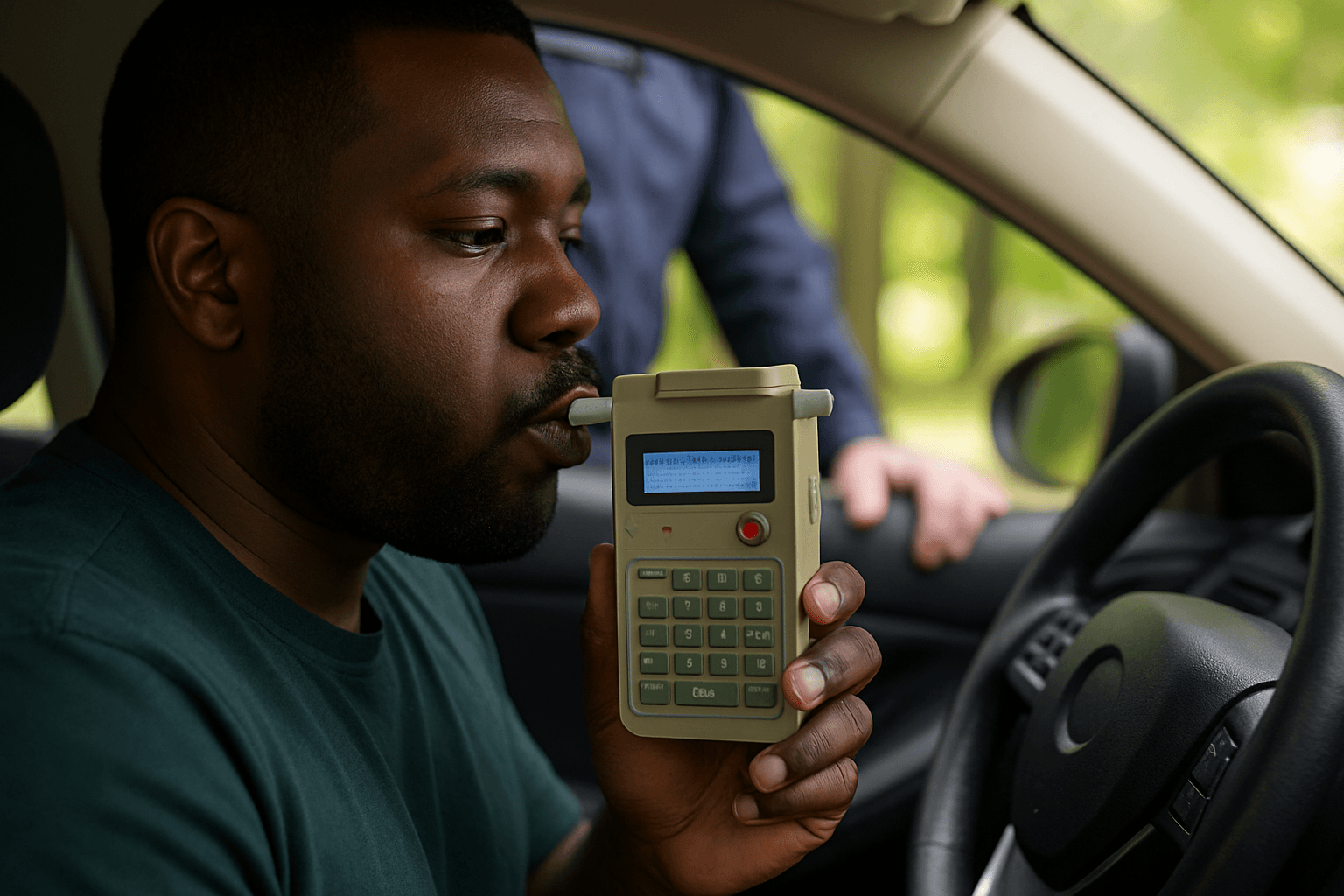
The court petition filing fee and any required ignition interlock installation add separate costs outside the insurance premium. New Mexico requires ignition interlock for DUI-related restricted licenses under the Ignition Interlock Licensing Act (NMSA 1978 §§ 66-5-503 to 66-5-523). Interlock installation costs $75–$150; monthly monitoring and calibration fees add $60–$90. Budget the insurance premium, SR-22 filing fee, court petition fee, and interlock costs together — restricted license approval requires all four components simultaneously.
Court-Defined Restrictions and Continuous Coverage Requirements
New Mexico restricted licenses include court-defined route and time restrictions tied to approved purposes: work, school, medical appointments, and other purposes the court specifies in the order. The court does not issue a universal restricted license — each order is tailored to the petition's documented need. Route restrictions typically limit driving to direct paths between approved locations. Time restrictions confine driving to hours necessary for approved purposes, often prohibiting nighttime or weekend driving outside documented work or school schedules.
SR-22 filing must remain active and continuous throughout the restricted license period. If your carrier cancels the policy or you allow it to lapse, the carrier notifies the MVD electronically within 24 hours under New Mexico's Mandatory Insurance Continuous Coverage program (NMSA 1978 § 66-5-205 through § 66-5-239). The MVD suspends the restricted license immediately — no grace period, no warning letter. Reinstatement after a lapse requires a new SR-22 filing, payment of a $25 reinstatement fee, and potentially a new court petition depending on whether the original restricted license order remains valid.
Violating route or time restrictions triggers revocation separate from insurance lapses. New Mexico law enforcement can verify restricted license terms in real time — driving outside approved hours or routes is treated as driving under suspension, not a traffic infraction. Penalties include restricted license revocation, extension of the underlying suspension period, and criminal charges for aggravated driving while revoked.
Application Timing: Securing Coverage Before the Court Hearing
Bind SR-22 coverage at least two weeks before your scheduled court hearing. The carrier issues the SR-22 certificate within 24-48 hours of policy binding, but the MVD's electronic filing system may take 3-5 business days to reflect the new filing in your driver record. Courts pull MVD records directly when reviewing petitions — if the SR-22 filing does not appear in the system at hearing time, the judge cannot verify compliance even if you present the carrier's certificate.
Some applicants attempt to secure quotes without binding coverage, intending to finalize the policy only after court approval. This creates two failure modes: first, the quote expires before the hearing (most quotes hold rates for 30 days maximum); second, the petition arrives incomplete and the court denies it for lack of required documentation. Courts do not continue hearings to allow applicants time to secure missing documentation — denial means starting the petition process over, paying a new filing fee, and waiting for a new hearing date.
Carriers that require broker contact (Bristol West, Dairyland) add 3-7 days to the binding timeline because the quote must route through an agent network before finalization. Online-bind carriers (GAINSCO, The General, Progressive, Geico) compress that window to 24-48 hours. Factor the carrier's binding pathway into your hearing preparation timeline. Missing the SR-22 filing deadline because broker contact delayed the process does not extend the court's patience.
Ignition Interlock and SR-22 Duration After Restricted License Approval
New Mexico requires ignition interlock installation for all DUI-related restricted licenses under the Ignition Interlock Licensing Act. The interlock requirement runs concurrently with the SR-22 filing period — both must remain active for the full duration specified in the court order, typically matching the underlying suspension length. First-offense DUI suspensions in New Mexico carry a six-month revocation period, but the Ignition Interlock License (IIL) program may allow restricted driving during that period if the interlock is installed and SR-22 remains continuous.
SR-22 filing duration for DUI triggers typically runs three years in New Mexico, beginning from the date of conviction (not the date of restricted license approval). The restricted license itself may expire before the SR-22 requirement ends — you must maintain the filing through full reinstatement even after restricted driving privileges convert to unrestricted status. Canceling SR-22 coverage before the required period ends triggers a new suspension, restarting the reinstatement process.
Points-based suspensions and uninsured-driving suspensions typically require SR-22 for one to two years. The MVD sends a compliance letter when the filing period ends — do not cancel coverage before receiving written confirmation. Carriers that file SR-22 do not automatically notify you when the requirement lifts; that responsibility falls to the state. Once the compliance letter arrives, contact your carrier to remove the SR-22 filing and request standard-tier re-underwriting if your driving record supports it.
What Happens if the Court Denies Your Petition
If the court denies your restricted license petition, the SR-22 policy you purchased remains active until you cancel it. Some applicants assume the policy terminates automatically upon denial — it does not. You are responsible for canceling coverage and requesting a pro-rata refund for unused premium. Most non-standard carriers assess a short-rate cancellation penalty (10-15% of the unused premium) when you cancel mid-term, reducing the refund you receive.
The SR-22 filing itself remains on file with the MVD until you cancel the underlying policy or the policy lapses. An active SR-22 without a corresponding restricted license does not satisfy reinstatement requirements — the filing proves financial responsibility, but it does not substitute for full license reinstatement. If your petition is denied, you must address the court's stated reasons (typically unpaid fines, incomplete documentation, or failure to demonstrate qualifying need), refile the petition, and attend a new hearing.
Some applicants secure SR-22 coverage specifically to demonstrate to the court that they can maintain insurance, then cancel immediately after approval to avoid premium costs. This triggers immediate restricted license suspension because the SR-22 filing requirement is continuous, not ceremonial. The court grants restricted driving conditional on maintaining the SR-22 — canceling coverage voids that condition and revokes the privilege without further court action.