Connecticut's Special Operation Permit requires SR-22 filing for DUI-related suspensions, but standard carriers often decline coverage after approval. The non-standard market writes policies where captive agents won't.
Why Standard Carriers Decline Special Operation Permit Applicants
Standard carriers treat Connecticut's Special Operation Permit as a continuation of suspended-driver risk, not a reinstatement milestone. State Farm, Geico, and Allstate typically decline new policy applications from drivers holding a SOP with an active SR-22 requirement. Their underwriting models flag the SR-22 certificate itself as disqualifying.
The approval pathway compounds the problem. Connecticut requires a 45-day hard suspension before SOP eligibility begins for first-offense OUI cases under CGS § 14-227a. During that window you cannot drive at all, but you need proof of approved coverage to file the SOP application with the DMV. Most standard carriers won't issue a policy to a driver with an active suspension on their record, creating a timing lock.
Non-standard carriers write policies specifically for this window. Bristol West, Dairyland, The General, and National General issue coverage to suspended drivers before the SOP is granted, allowing you to submit the SR-22 certificate with your application. The non-standard market treats the SOP pathway as expected business, not disqualifying risk.
What Connecticut's SR-22 Requirement Adds to SOP Applications
Connecticut requires SR-22 filing for DUI-related suspensions under its financial responsibility statute. The SR-22 certificate proves continuous liability coverage for three years from the filing date. Your carrier files the certificate electronically with the Connecticut DMV; you receive a paper copy for your records.
The Special Operation Permit cannot be issued without the SR-22 on file. The DMV cross-references your application against their electronic insurance compliance system. If the SR-22 filing lapses at any point during the three-year requirement window, the DMV suspends the SOP immediately and you return to full suspension status.
Non-standard carriers that write SR-22 policies in Connecticut include Bristol West, Dairyland, Geico, Progressive, The General, National General, State Farm, and USAA. Not all write policies for active-suspension applicants. Bristol West and Dairyland specialize in this stage; Geico and Progressive require case-by-case underwriting review for suspended drivers.
Compare car insurance rates in your state
Get quotes from licensed carriers — no obligation, no spam, results in minutes.
Get Your Free Quote✓ No Obligation Required✓ Licensed Carriers Only✓ Available Nationwide✓ Free to Compare
How Non-Standard Carriers Price Connecticut SOP Coverage
Non-standard carriers price SOP coverage using Connecticut's state minimum liability limits as the baseline: $25,000 per person for bodily injury, $50,000 per accident, and $25,000 for property damage. Monthly premiums for drivers with DUI-related suspensions holding a SOP typically range from $180 to $320 per month depending on age, county, and violation history. Estimates based on available industry data; individual rates vary by driving history, vehicle, coverage selections, and location.
The SR-22 filing fee itself is $25 to $50 as a one-time carrier charge. Your premium reflects the underlying risk classification, not the filing paperwork. Drivers under 25 or with multiple violations pay toward the higher end of the range. Drivers over 30 with a single first-offense OUI and no other violations pay closer to the lower end.
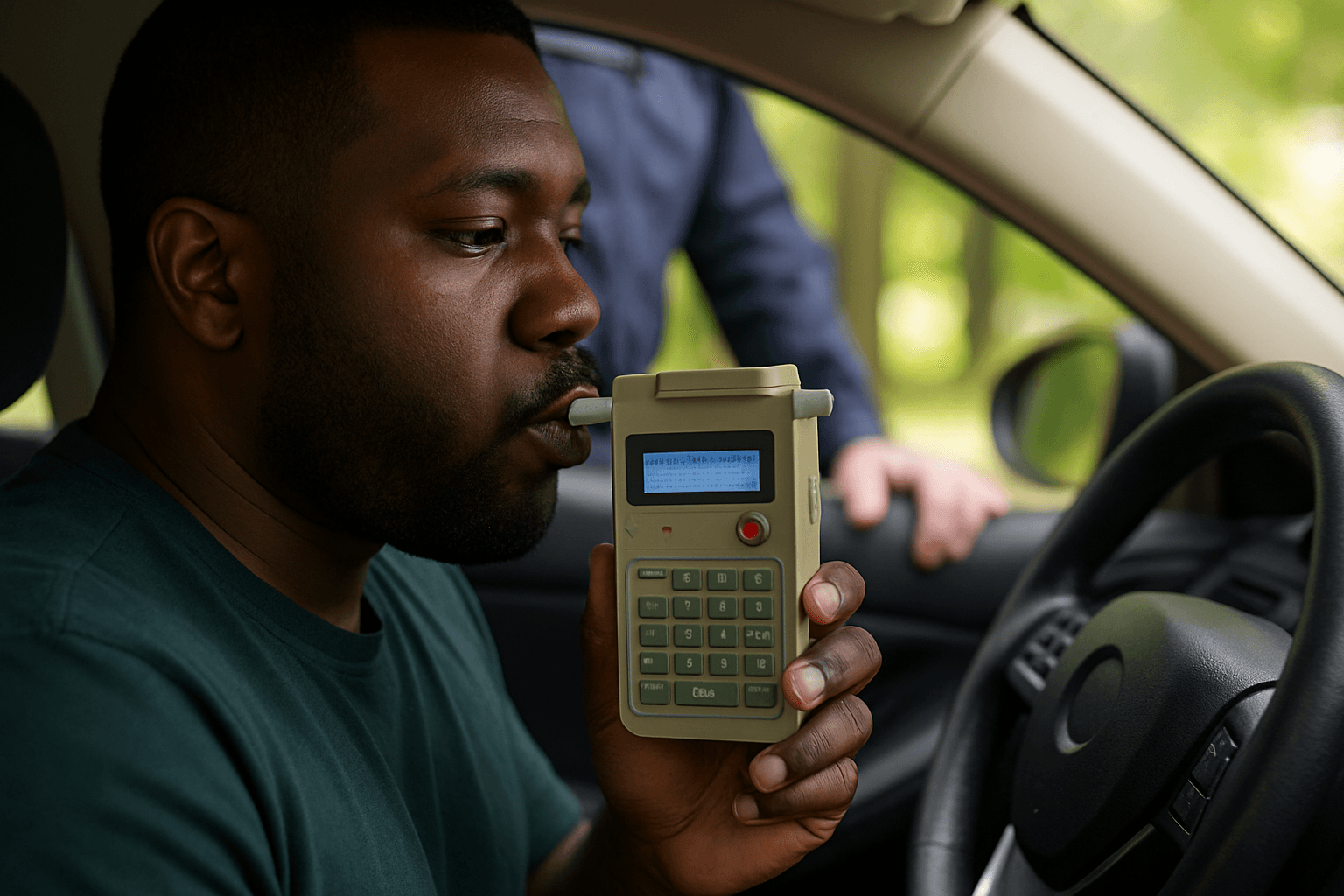
Ignition Interlock Device installation adds another cost layer if required. Connecticut mandates IID installation for most DUI-related SOPs under CGS § 14-227g. Device installation costs $75 to $150; monthly monitoring fees run $60 to $90. These costs stack on top of the insurance premium and are paid directly to the IID vendor, not the carrier.
Bristol West and Dairyland: Coverage During the 45-Day Hard Suspension
Bristol West and Dairyland issue policies to Connecticut drivers during the 45-day hard suspension period before SOP eligibility begins. You cannot legally drive during this window, but having an active policy allows you to file the SR-22 certificate with the DMV in advance of your SOP application date.
Both carriers offer online quoting but require phone verification for suspended-driver applications. Bristol West operates through independent agents; Dairyland accepts direct applications. Expect underwriting review within 3 to 5 business days. Once approved, the carrier files the SR-22 electronically with the Connecticut DMV within 24 hours.
This timing matters because the SOP application requires proof of SR-22 filing as part of the documentation packet submitted to the DMV. Applying for coverage during the hard suspension ensures the certificate is on file when you become eligible to request the permit. Waiting until the 45-day period ends compresses your timeline and delays SOP issuance.
Non-Owner SR-22 Policies for Connecticut SOP Holders Without Vehicles
Connecticut allows non-owner SR-22 policies to satisfy the financial responsibility requirement for drivers who do not own a vehicle. The policy covers liability when you drive a borrowed or rented vehicle. It does not cover damage to the vehicle itself; it covers your legal liability for injury or property damage you cause.
Geico, Progressive, Dairyland, The General, and USAA write non-owner SR-22 policies in Connecticut. Monthly premiums typically range from $45 to $90 for state minimum liability limits. Non-owner policies cost less than standard policies because the carrier assumes you drive infrequently and in varied vehicles, reducing exposure.
The SR-22 filing process is identical whether the policy is owner or non-owner. The carrier files the certificate electronically; the DMV updates your record. If the non-owner policy lapses, the DMV suspends your SOP the same way it would for a lapsed owner policy. Continuous coverage is the statutory requirement, not vehicle ownership.
What Happens When Your Non-Standard Policy Lapses During the SOP Period
Connecticut's electronic insurance compliance system cross-references active SR-22 filings against SOP holder records daily. When a carrier reports a policy cancellation, the DMV receives the lapse notice within 24 hours. The DMV sends a suspension notice to the address on file; you have 10 days to reinstate coverage and file a new SR-22 or your SOP is revoked.
Revocation returns you to full suspension status. You cannot drive under SOP authority once the revocation is processed. Reinstatement requires paying a new $175 reinstatement fee, filing a new SR-22 certificate, and reapplying for the SOP through the DMV. The three-year SR-22 requirement period does not restart, but the lapse creates a compliance gap that extends your total restricted-driving timeline.
Non-standard carriers send payment reminders 15 and 7 days before the due date, but missed payments trigger automatic cancellation within 10 to 15 days of the due date. Set up automatic payment from a bank account, not a debit card with expiration dates that may change. Most SOP lapses occur because of expired payment methods, not intentional non-payment.
Finding Non-Standard Coverage After SOP Denial or Violation Revocation
Connecticut denies SOP applications when documentation is incomplete, when the applicant has unpaid fines or child support arrears, or when the violation history includes multiple DUI offenses within 10 years. Denial does not prevent you from reapplying once the underlying issue is resolved, but you must wait until the documentation or payment issue is cleared.
If your SOP was revoked for a violation of permit restrictions—driving outside approved hours, driving for unapproved purposes, or failing to maintain IID compliance—you return to full suspension and must serve the remainder of the original suspension period before reapplying. Non-standard carriers will still write SR-22 policies during this period, but you cannot drive legally until the suspension is served and a new SOP is granted.
Bristol West and Dairyland both write policies for drivers reapplying after denial or revocation. Expect higher premiums if the revocation was for an IID violation or a new moving violation during the SOP period. Underwriting treats these as continuation of high-risk behavior, not isolated events.